

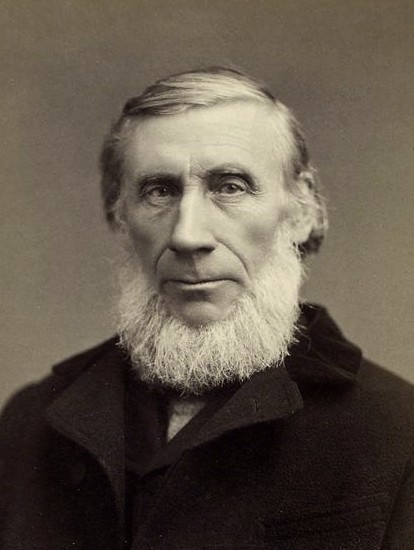
In 1874 John Tyndall, president of the British Association, delivers the Belfast Address, claiming for science the whole domain of cosmological theory and recounting the line of natural philosophy from Lucretius to Darwin. The address, denounced from pulpits across Britain and Ireland, is Victorian naturalism's public declaration of independence.
Tagged: Naturalism
The Event
- Date
- 1874 (exact)
- Era
- The Darwinian Century; Standard periodization of naturalist history
- Location
- Belfast; today Belfast, Northern Ireland
- Traditions
- Naturalism
- Streams
- Naturalism
- Key figures
- John Tyndall
- Key texts
- Belfast Address
Connections
Primary Sources
- Tyndall, John. Address Delivered Before the British Association Assembled at Belfast. London, 1874.
Secondary Sources
- De Caro, Mario, and David Macarthur, eds. Naturalism in Question. Cambridge, MA: Harvard University Press, 2004.
- Gregory, Frederick. Scientific Materialism in Nineteenth Century Germany. Dordrecht: Reidel, 1977.
- Papineau, David. Philosophical Naturalism. Oxford: Blackwell, 1993.
Provenance: HIST-1408; confidence 0.95; accessed 2026-10-30.
Related on This Site
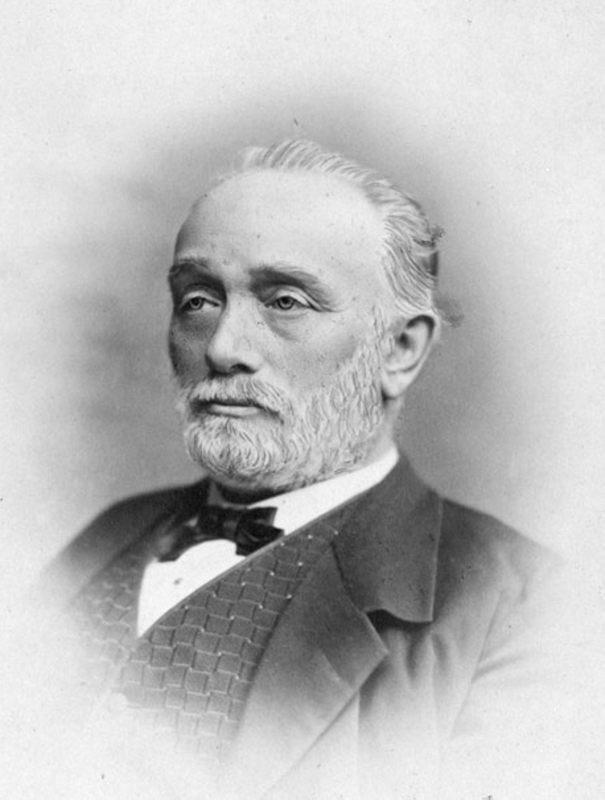 History Event
Büchner's Force and Matter
1855
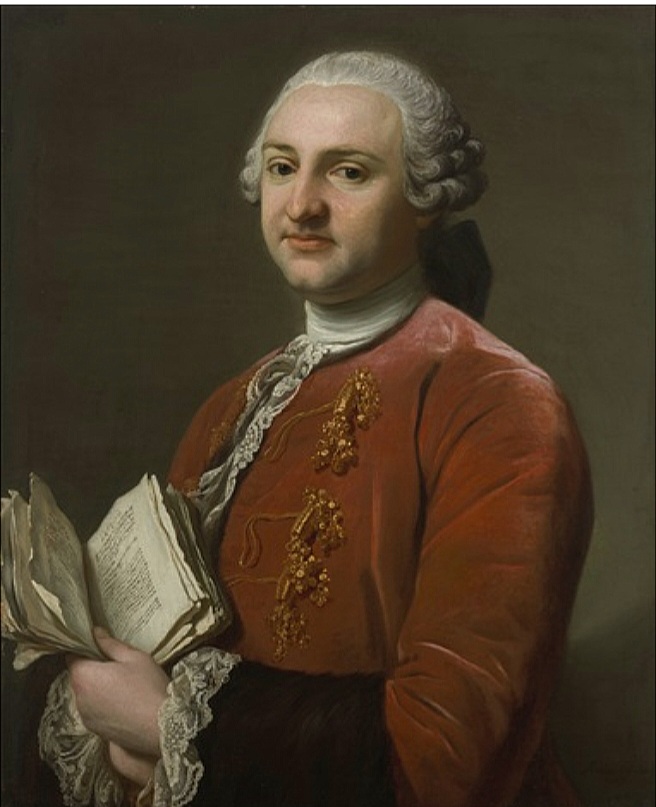 History Event
D'Holbach's System of Nature
1770
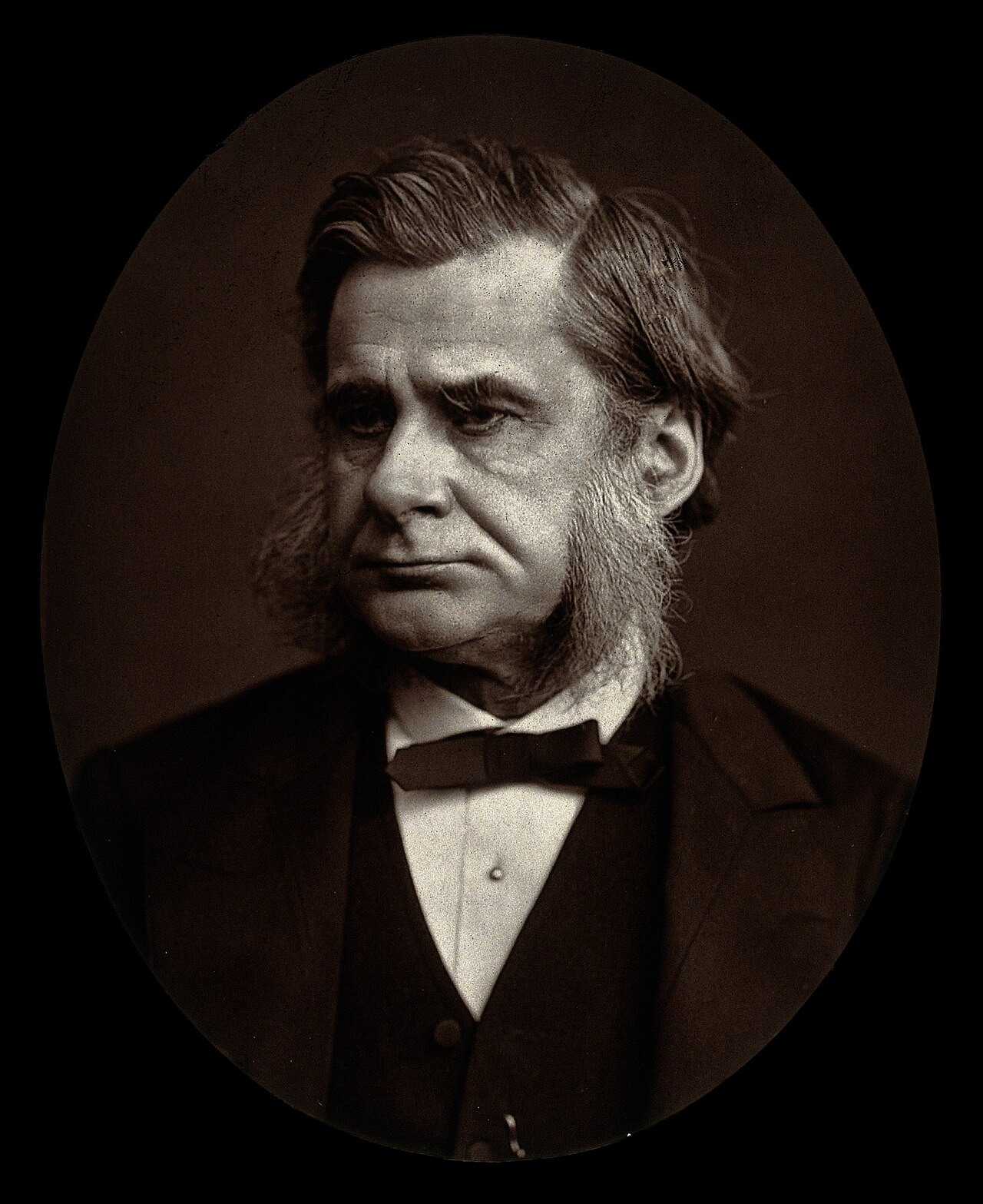 History Event
Huxley's Man's Place in Nature
1863
 History Event
La Mettrie's Man a Machine
1747
 History Event
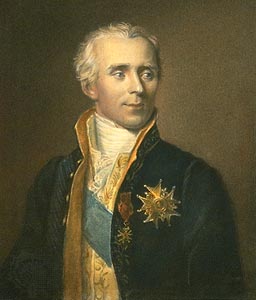
Laplace's Exposition of the System of the World
1796
 History Event
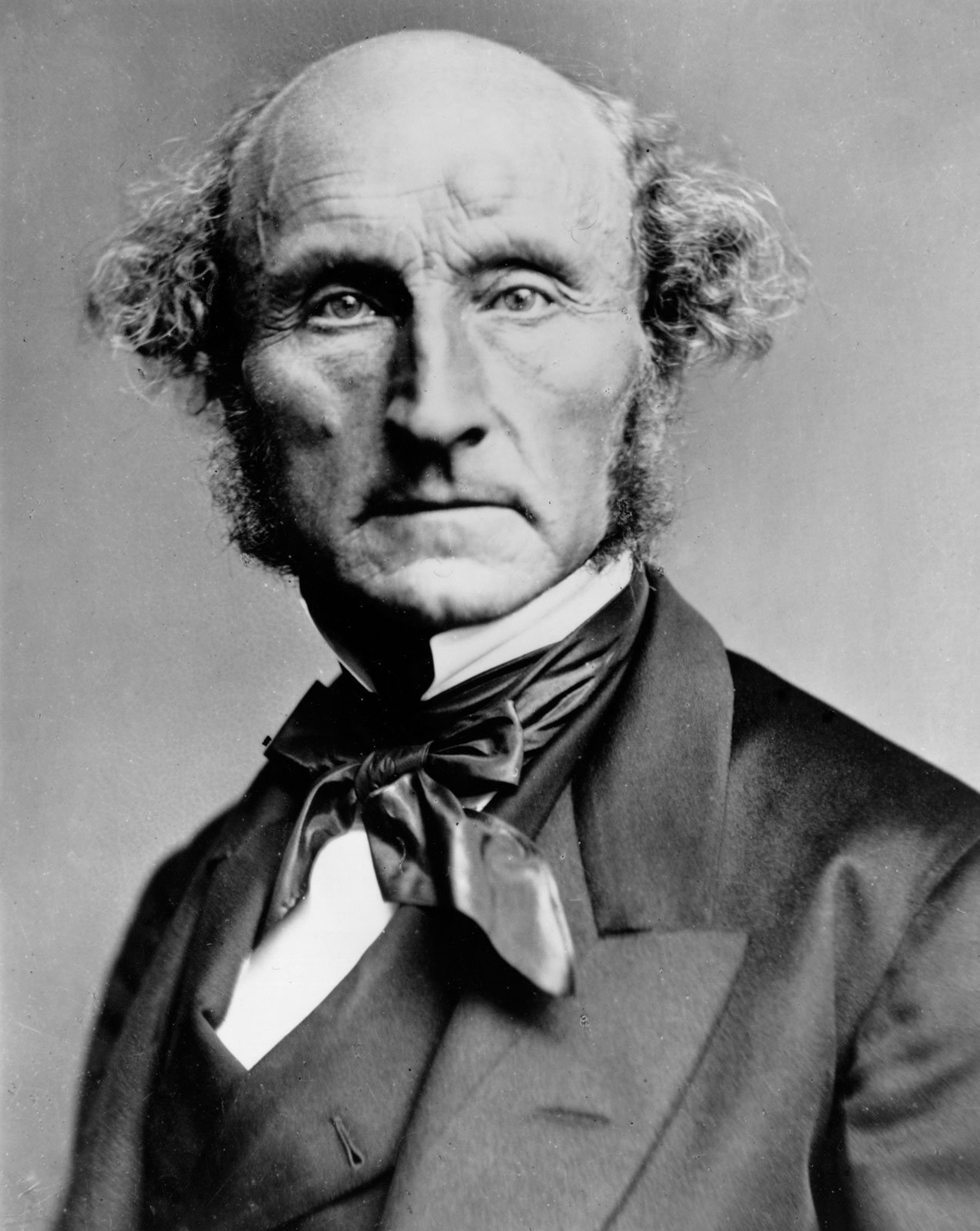
Mill's A System of Logic
1843
 History Event
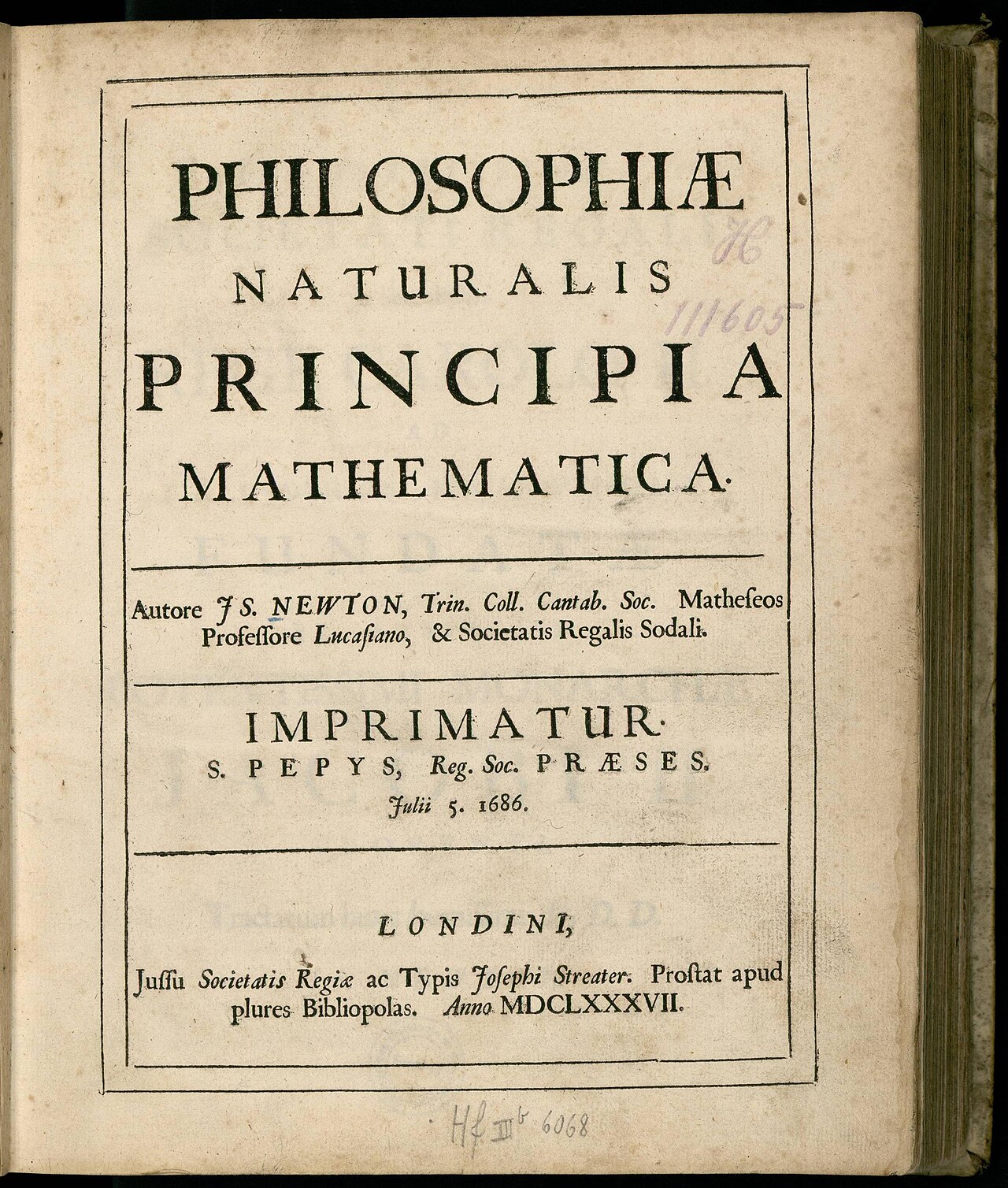
Newton's Principia Mathematica
1687
 World View
Naturalism
Naturalism holds that nature is all there is: the universe of matter, energy, and natural law needs no god, soul, or purpose beyond itself.