Eastern Pantheistic Monism

The Eastern Pantheistic Monism stream of the Eastern Pantheistic Monism timeline.

The Eastern Pantheistic Monism dataset is the history of a construction: the category under which Western readers from the first translators of the Gita to James Sire's The Universe Next Door gathered the monistic traditions of Asia into one worldview.

Its twelve events stand across four eras, from Wilkins's Gita and Schlegel through the Theosophical mediation and the scholarly translations to Sire's naming of the category in 1976.

Periodization
Periodization of the construction and its sources Source: King, Richard. Orientalism and Religion: Postcolonial Theory, India and 'the Mystic East'. London: Routledge, 1999.
Contested periodization
The category itself is the contested matter: the traditions it groups do not identify themselves by it, and the dataset says so at its head.
Geographic scope
The West reading Asia: Britain, Germany, America, and the Indian and Japanese sources they read.
Dating caveats
Dates are the publication and founding dates of the construction's own record, and are documentary.
Internal diversity
The grouped sources (Advaita Vedanta, the Buddhist schools read as monist, and New Age monism) stand in their own datasets; this one records the grouping.
Origin narrative
In preparation. The dataset's founding story will stand here in the three-layer format when its narrative is published.

Sources: King, Richard. Orientalism and Religion: Postcolonial Theory, India and 'the Mystic East'. London: Routledge, 1999.; Clarke, J. J. Oriental Enlightenment: The Encounter Between Asian and Western Thought. London: Routledge, 1997.; Halbfass, Wilhelm. India and Europe: An Essay in Understanding. Albany: State University of New York Press, 1988.

Streams: All of Eastern Pantheistic Monism Eastern Pantheistic Monism

The Oriental Renaissance

1785

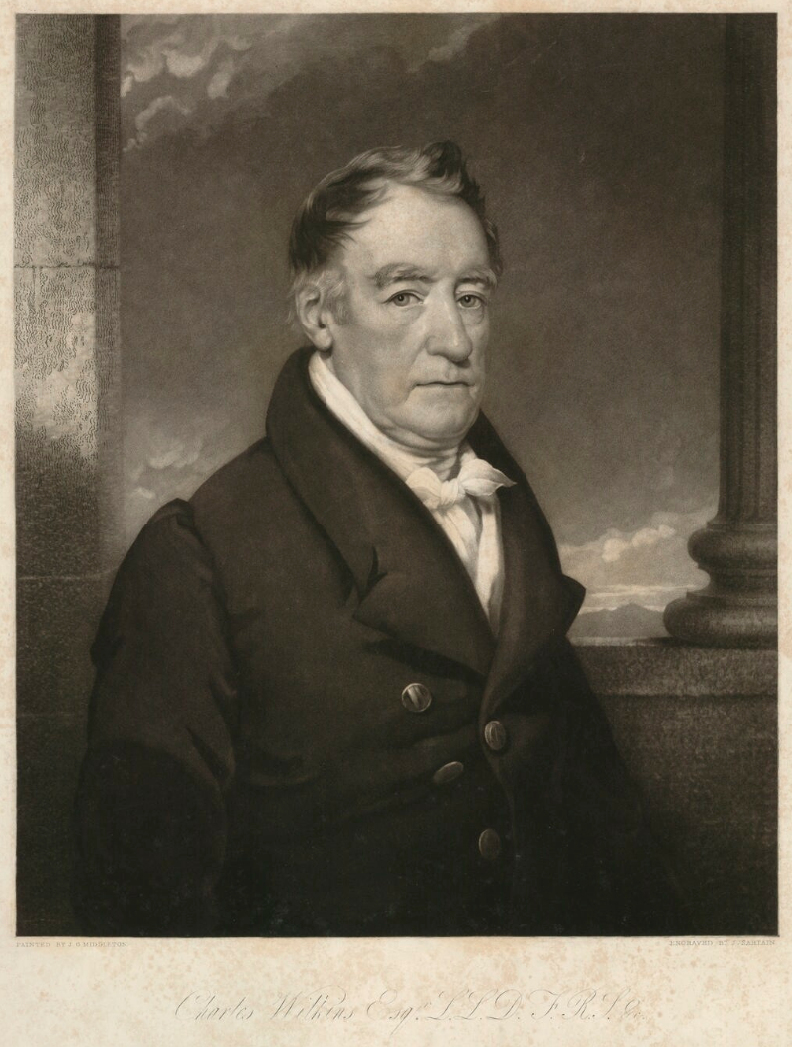
Wilkins translates the Bhagavad Gita

In 1785 Charles Wilkins's Bhagvat-Geeta, the first English translation of the Bhagavad Gita made from Sanskrit, appears in London under the patronage of Warren Hastings, whose preface predicts the work will outlast the British dominion in India. The translation opens the stream by which Indian monist thought enters Western reading.

London
1808

Schlegel's On the Language and Wisdom of the Indians

In 1808 Friedrich Schlegel publishes On the Language and Wisdom of the Indians, the book that launches the German Oriental Renaissance. Schlegel, who had learned Sanskrit in Paris, presents India as the source of a primordial wisdom and coins the comparative frame in which the West will read Asian religion for a century.

Heidelberg

The Theosophical Synthesis

1877

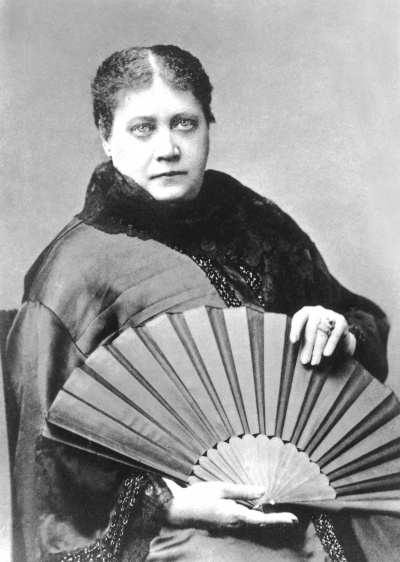
Blavatsky's Isis Unveiled

In 1877 Helena Petrovna Blavatsky publishes Isis Unveiled in New York, a vast synthesis claiming one ancient wisdom behind all religions, drawn, she holds, from Eastern adepts. The book gives the Theosophical movement its charter text and its characteristic claim: that Hindu and Buddhist monism is the esoteric core of every faith.

New York
1879

The Sacred Books of the East begins

In 1879 Oxford University Press publishes the first volume of the Sacred Books of the East, the fifty-volume series edited by Max Müller. The series puts the Upanishads, the Buddhist canon, and the texts of a dozen traditions into uniform English volumes, and creates the scholarly shelf from which the comparative picture of Eastern monism is assembled.

Oxford
1889

Annie Besant joins the Theosophical Society

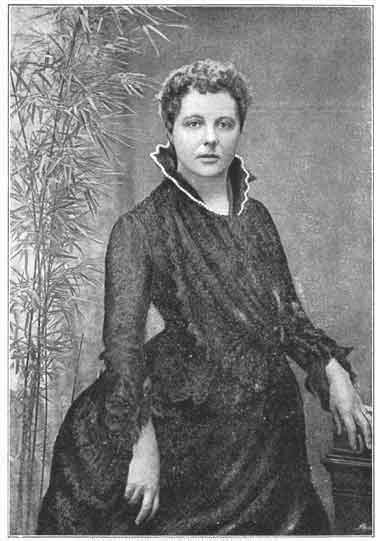
In 1889 Annie Besant, the Fabian socialist and secularist, reviews Isis Unveiled's successor for the Pall Mall Gazette, seeks out Blavatsky, and joins the Theosophical Society within the year. Besant becomes the movement's second founder in practice, carries it to India, and makes Adyar its world headquarters; her conversion is the synthesis's most famous English recruit.

London
1901

Ramana Maharshi's self-inquiry at Tiruvannamalai

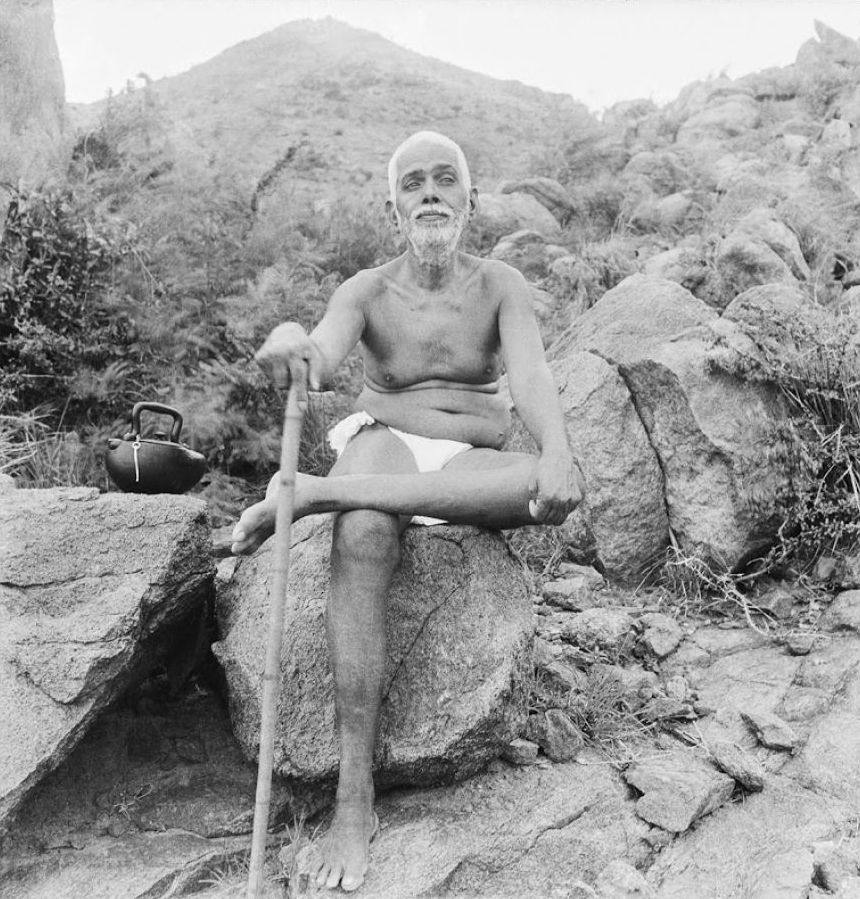
From about 1901 the young Ramana Maharshi, settled in a cave on the hill of Arunachala at Tiruvannamalai after his spontaneous awakening of 1896, teaches by silence and by the single question Who am I? His self-inquiry is Advaita Vedanta in its most direct modern form, and the visitors who carry it west are one channel by which non-dual teaching enters the Western synthesis.

Tiruvannamalai
1939

Aurobindo's The Life Divine

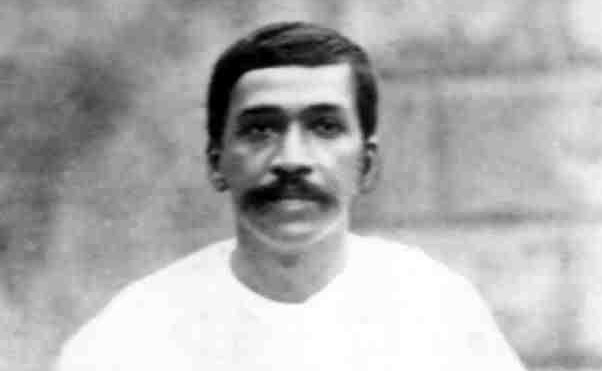
Between 1939 and 1940 Sri Aurobindo's The Life Divine appears in the journal Arya's successor edition in Pondicherry: a vast restatement of Vedantic monism in evolutionary terms, in which consciousness descends into matter and ascends beyond mind. Aurobindo, a Cambridge-educated revolutionary turned sage, gives the monist synthesis its most ambitious Indian philosophical voice.

Pondicherry

The Countercultural Synthesis

1945

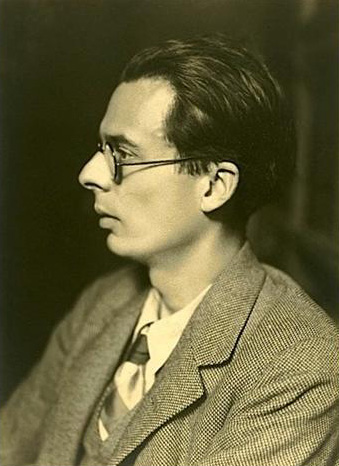
Huxley's The Perennial Philosophy

In 1945 Aldous Huxley publishes The Perennial Philosophy, an anthology of mystical texts from every tradition arranged under one doctrine: that a divine Reality substantial to the world stands behind all faiths. The book names the synthesis Huxley shares with the Vedanta circles of California, and its title becomes the common label for the position this category gathers.

New York
1957

Watts's The Way of Zen

In 1957 Alan Watts publishes The Way of Zen, the book that carries Zen Buddhism to the American counterculture. Watts, an English-born Episcopal priest turned interpreter of Asian thought, presents non-dual awareness as a liberation from the Western ego; his lectures and books are a principal bridge between the monist synthesis and the generation of the sixties.

New York

The Construction Named and Weighed

1975

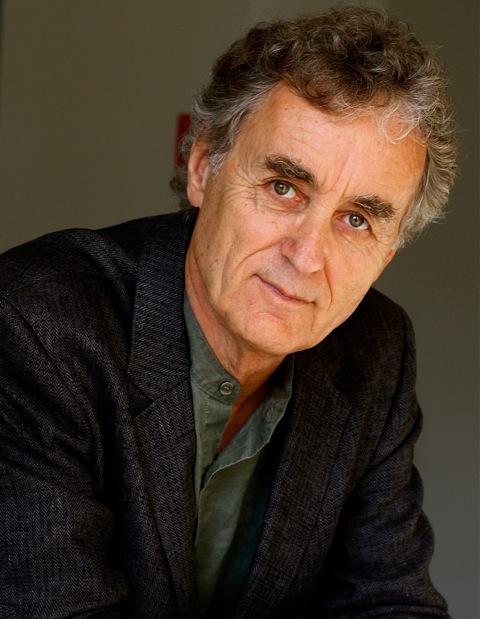
Capra's The Tao of Physics

In 1975 the physicist Fritjof Capra publishes The Tao of Physics, arguing that modern physics and Eastern mysticism arrive at the same vision of a dynamic, unified reality. The book sells in the millions and becomes the emblem of the synthesis in its scientific dress: monism presented as the conclusion of physics itself.

Berkeley
1976

Bharati's The Light at the Center weighs neo-Vedanta

In 1976 Agehananda Bharati, an Austrian-born Hindu monk and Syracuse anthropologist, publishes The Light at the Center, a participant's audit of modern Hindu apologetics. Bharati argues that the neo-Vedanta presented to the West is a modern construction, shaped by the encounter with Western categories, and names its makers plainly. The critique is the classic inside statement of the problem this category poses.

Santa Barbara
1976

Sire's The Universe Next Door names the category

In 1976 James W. Sire publishes The Universe Next Door, a catalog of worldviews for Christian readers. Among its basic options stands eastern pantheistic monism, Sire's name for the position he draws from Advaita Vedanta, Zen, and their Western syntheses: one impersonal Reality, beyond distinction, with which the self is finally identical. The label, from this book, is the origin of the category name this dataset carries.

Downers Grove