

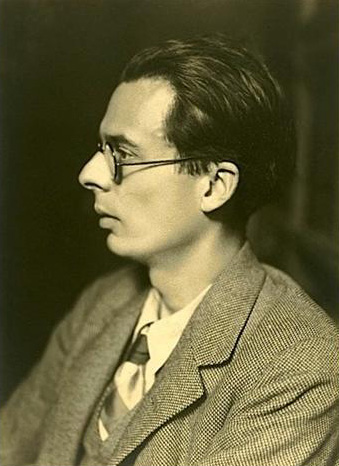
In 1945 Aldous Huxley publishes The Perennial Philosophy, an anthology of mystical texts from every tradition arranged under one doctrine: that a divine Reality substantial to the world stands behind all faiths. The book names the synthesis Huxley shares with the Vedanta circles of California, and its title becomes the common label for the position this category gathers.
Tagged: Eastern Pantheistic Monism
The Event
- Date
- 1945 (exact)
- Era
- The Countercultural Synthesis; Periodization of the construction and its sources
- Location
- New York; today New York, New York
- Traditions
- Eastern Pantheistic Monism
- Streams
- Eastern Pantheistic Monism
- Key figures
- Aldous Huxley
- Key texts
- The Perennial Philosophy
Connections
Primary Sources
- Huxley, Aldous. The Perennial Philosophy. New York: Harper, 1945.
Secondary Sources
- Clarke, J. J. Oriental Enlightenment: The Encounter Between Asian and Western Thought. London: Routledge, 1997.
- Halbfass, Wilhelm. India and Europe: An Essay in Understanding. Albany: State University of New York Press, 1988.
- King, Richard. Orientalism and Religion: Postcolonial Theory, India and 'the Mystic East'. London: Routledge, 1999.
Provenance: HIST-1379; confidence 0.95; accessed 2026-10-30.
Related on This Site
 History Event
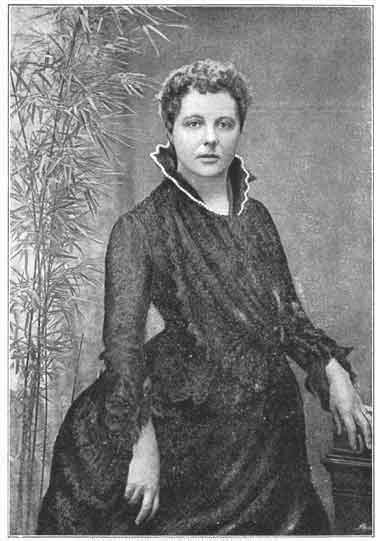
Annie Besant joins the Theosophical Society
1889
 History Event
Aurobindo's The Life Divine
1939
 History Event
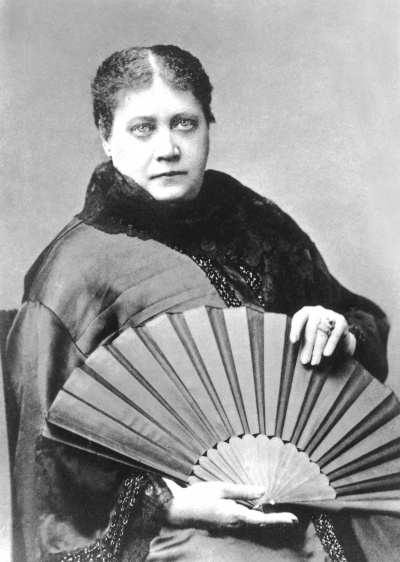
Blavatsky's Isis Unveiled
1877
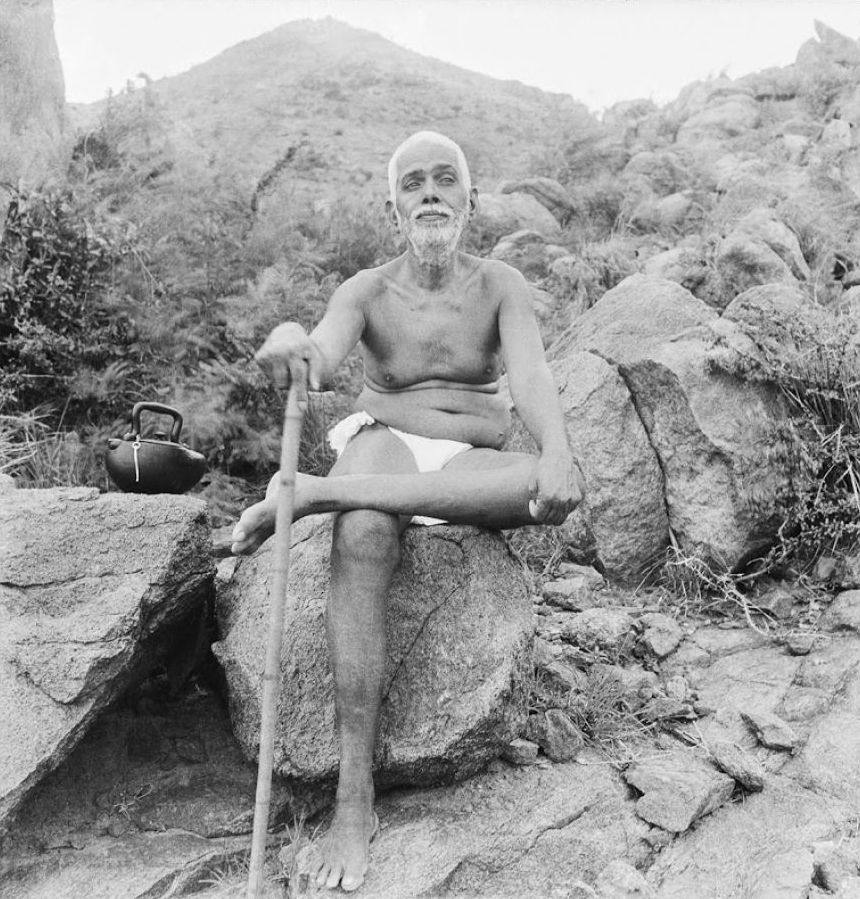 History Event
Ramana Maharshi's self-inquiry at Tiruvannamalai
1901
 History Event
Schlegel's On the Language and Wisdom of the Indians
1808
 History Event
The Sacred Books of the East begins
1879
 History Event
Watts's The Way of Zen
1957
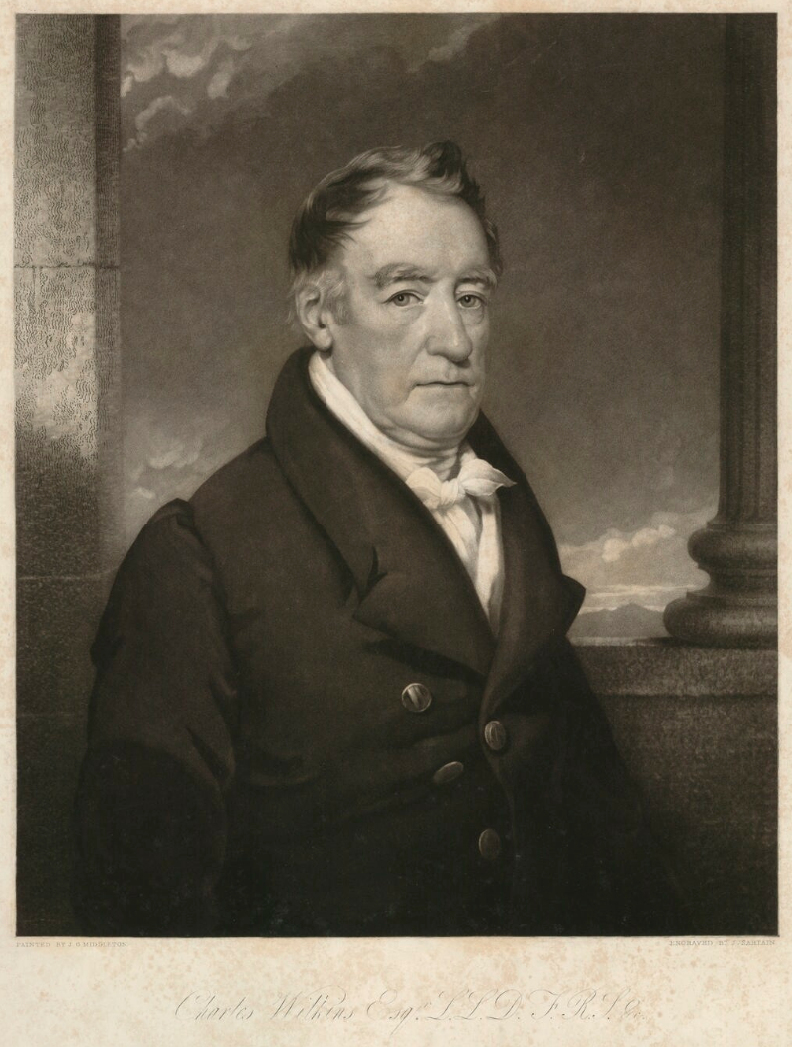 History Event
Wilkins translates the Bhagavad Gita
1785