

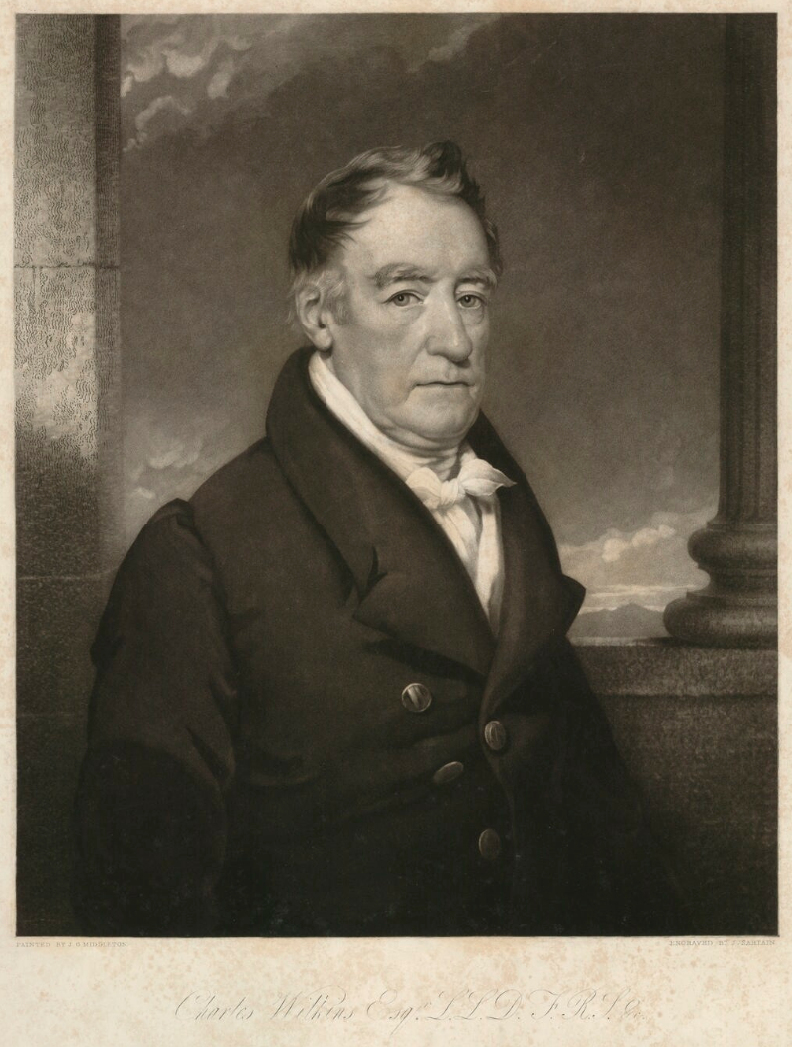
In 1785 Charles Wilkins's Bhagvat-Geeta, the first English translation of the Bhagavad Gita made from Sanskrit, appears in London under the patronage of Warren Hastings, whose preface predicts the work will outlast the British dominion in India. The translation opens the stream by which Indian monist thought enters Western reading.
Tagged: Eastern Pantheistic Monism
The Event
- Date
- 1785 (exact)
- Era
- The Oriental Renaissance; Periodization of the construction and its sources
- Location
- London; today London, England
- Traditions
- Eastern Pantheistic Monism
- Streams
- Eastern Pantheistic Monism
- Key figures
- Charles Wilkins, Warren Hastings
- Key texts
- The Bhagvat-Geeta
Primary Sources
- Wilkins, Charles, trans. The Bhagvat-Geeta. London, 1785.
Secondary Sources
- Clarke, J. J. Oriental Enlightenment: The Encounter Between Asian and Western Thought. London: Routledge, 1997.
- Halbfass, Wilhelm. India and Europe: An Essay in Understanding. Albany: State University of New York Press, 1988.
- King, Richard. Orientalism and Religion: Postcolonial Theory, India and 'the Mystic East'. London: Routledge, 1999.
Provenance: HIST-1372; confidence 0.95; accessed 2026-10-30.
Related on This Site
 History Event
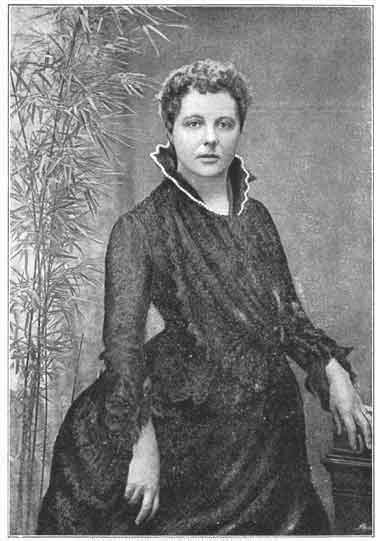
Annie Besant joins the Theosophical Society
1889
 History Event
Aurobindo's The Life Divine
1939
 History Event
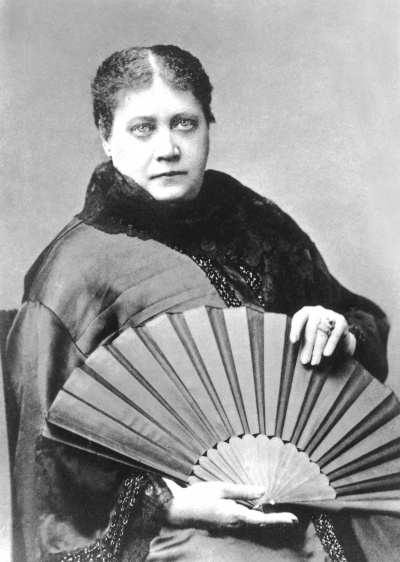
Blavatsky's Isis Unveiled
1877
 History Event
Huxley's The Perennial Philosophy
1945
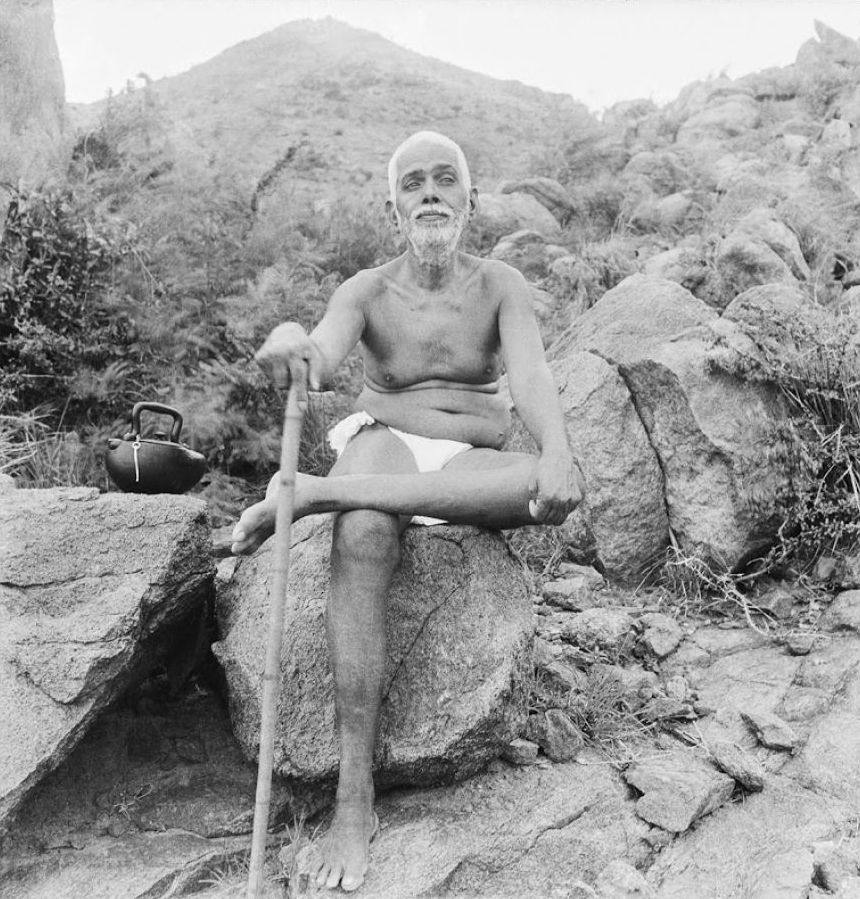 History Event
Ramana Maharshi's self-inquiry at Tiruvannamalai
1901
 History Event
Schlegel's On the Language and Wisdom of the Indians
1808
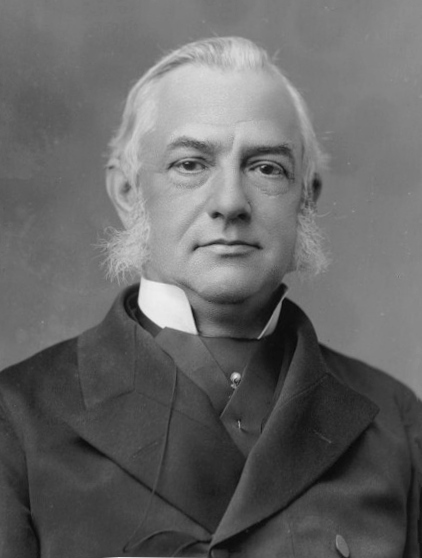 History Event
The Sacred Books of the East begins
1879
 History Event
Watts's The Way of Zen
1957