

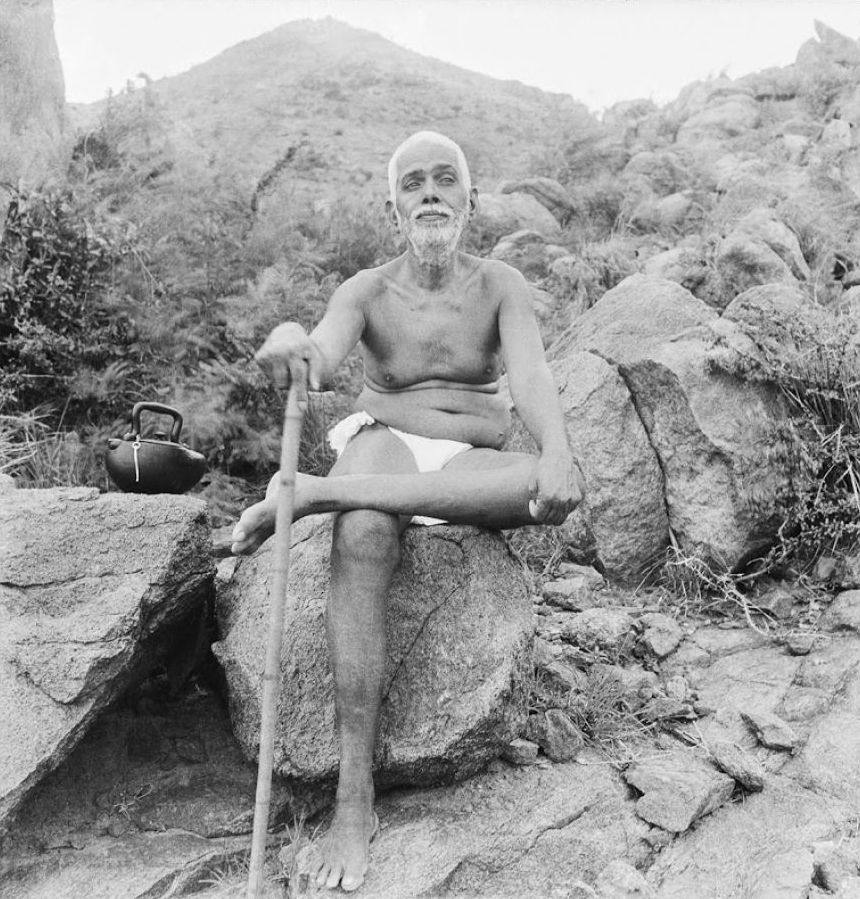
From about 1901 the young Ramana Maharshi, settled in a cave on the hill of Arunachala at Tiruvannamalai after his spontaneous awakening of 1896, teaches by silence and by the single question Who am I? His self-inquiry is Advaita Vedanta in its most direct modern form, and the visitors who carry it west are one channel by which non-dual teaching enters the Western synthesis.
Tagged: Eastern Pantheistic Monism
The Event
- Date
- 1901 (exact)
- Era
- The Theosophical Synthesis; Periodization of the construction and its sources
- Location
- Tiruvannamalai; today Tiruvannamalai, India
- Traditions
- Eastern Pantheistic Monism
- Streams
- Eastern Pantheistic Monism
- Key figures
- Ramana Maharshi
- Key texts
- Who Am I? (Nan Yar)
Primary Sources
- Ramana Maharshi. Nan Yar? (Who Am I?). Tiruvannamalai: Sri Ramanasramam (the teaching as recorded by Sivaprakasam Pillai, 1901).
Secondary Sources
- Clarke, J. J. Oriental Enlightenment: The Encounter Between Asian and Western Thought. London: Routledge, 1997.
- Halbfass, Wilhelm. India and Europe: An Essay in Understanding. Albany: State University of New York Press, 1988.
- King, Richard. Orientalism and Religion: Postcolonial Theory, India and 'the Mystic East'. London: Routledge, 1999.
Provenance: HIST-1377; confidence 0.95; accessed 2026-10-30.
Related on This Site
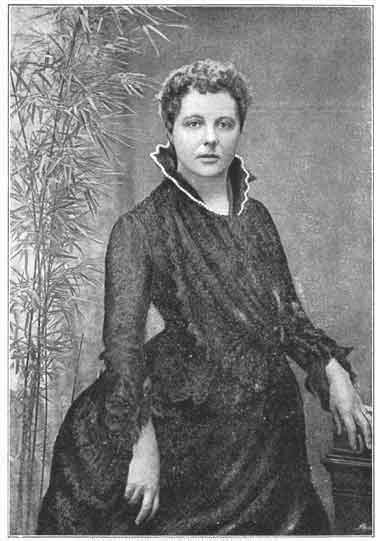 History Event
Annie Besant joins the Theosophical Society
1889
 History Event
Aurobindo's The Life Divine
1939
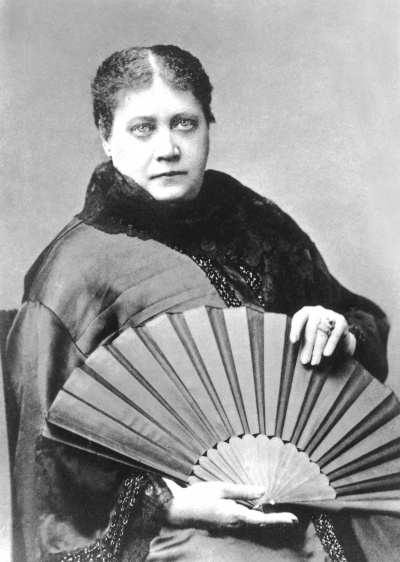 History Event
Blavatsky's Isis Unveiled
1877
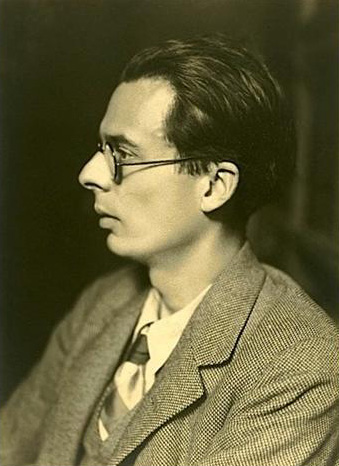 History Event
Huxley's The Perennial Philosophy
1945
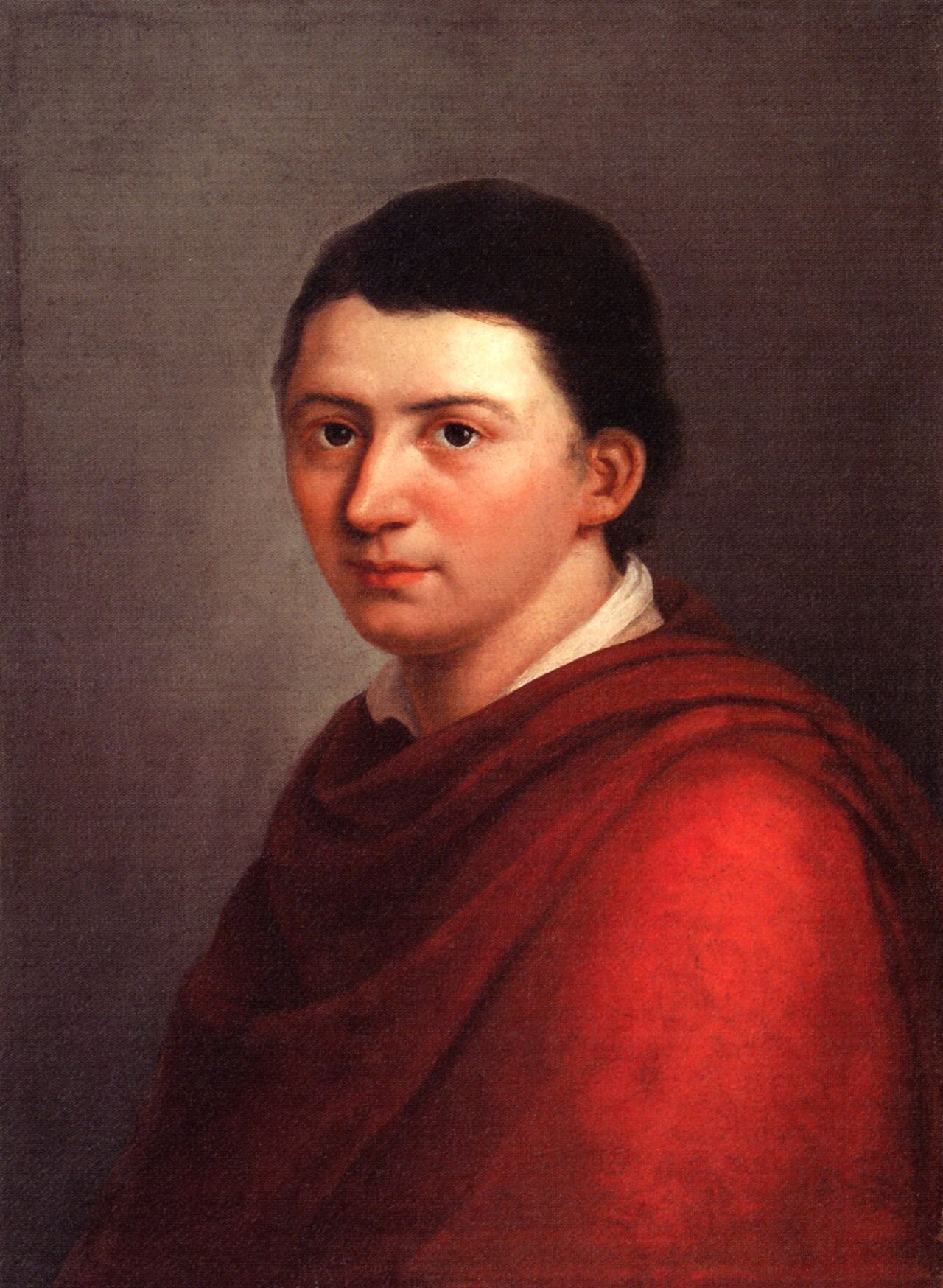 History Event
Schlegel's On the Language and Wisdom of the Indians
1808
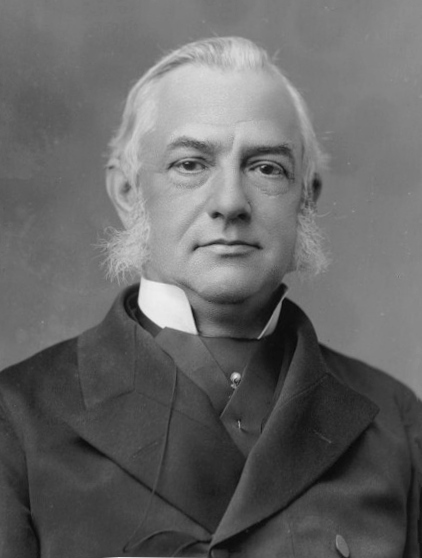 History Event
The Sacred Books of the East begins
1879
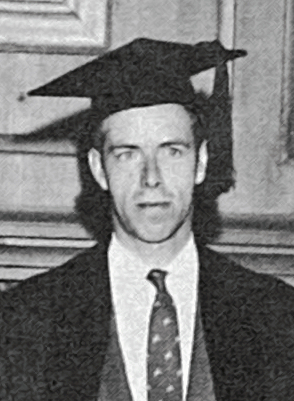 History Event
Watts's The Way of Zen
1957
 History Event
Wilkins translates the Bhagavad Gita
1785