Nihilism

The Nihilism stream of the Nihilism timeline.

The Nihilism dataset follows the idea and the movement from Turgenev's naming of the nihilist and the Russian movement of the 1860s through Nietzsche's diagnosis and prophecy, the twentieth century's reckonings, and the idea's late academic fortunes.

Its eleven events stand across three eras, from the Russian movement to the philosophy that named the age's condition.

Periodization
Standard periodization of the nihilist movement and idea Source: Gillespie, Michael Allen. Nihilism Before Nietzsche. Chicago: University of Chicago Press, 1995.
Contested periodization
Whether nihilism is a movement, a diagnosis, or an accusation is contested in the dataset's own sources; the record carries the movement and the idea together.
Geographic scope
Russia first, then Germany and France, and the wider European mind.
Dating caveats
Dates are documentary: publications, trials, and assassinations.
Internal diversity
The political movement and the philosophical diagnosis are distinct lines in the one dataset, linked by the men who carried both.
Origin narrative
In preparation. The dataset's founding story will stand here in the three-layer format when its narrative is published.

Sources: Gillespie, Michael Allen. Nihilism Before Nietzsche. Chicago: University of Chicago Press, 1995.; Crosby, Donald A. The Specter of the Absurd: Sources and Criticisms of Modern Nihilism. Albany: State University of New York Press, 1988.; Reginster, Bernard. The Affirmation of Life: Nietzsche on Overcoming Nihilism. Cambridge, MA: Harvard University Press, 2006.

Streams: All of Nihilism Nihilism

The Word and the Nineteenth Century

1862

Turgenev's Fathers and Sons names the nihilist

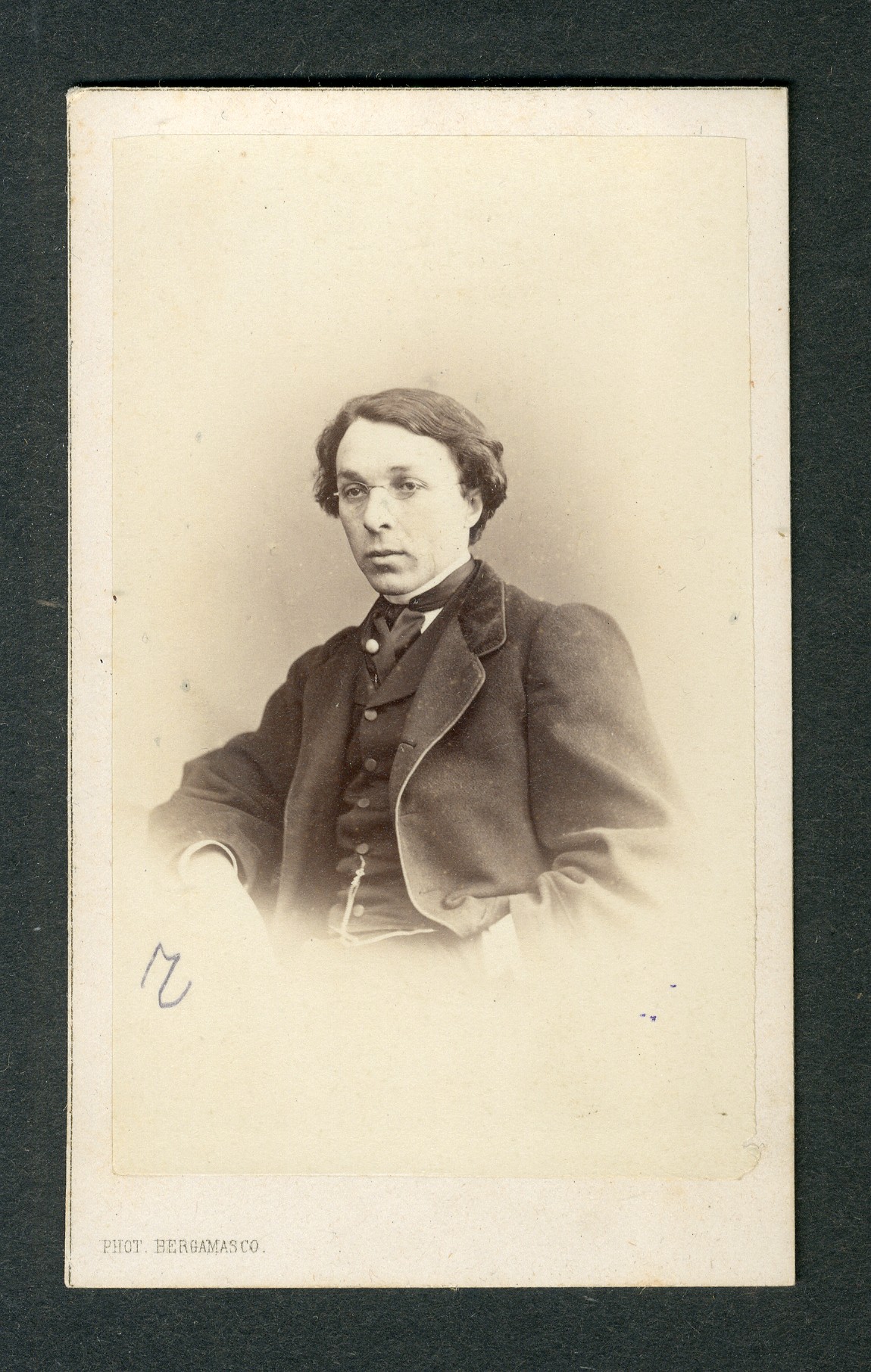
In 1862 Ivan Turgenev's novel Fathers and Sons gives the word nihilist its public currency in the figure of Bazarov, the young materialist who bows to no authority and takes science as his only creed. The name, from the Latin nihil, nothing, had circulated in philosophy before; Turgenev fixes it to a generation, and both admirers and enemies take it up.
St Petersburg
1863

Chernyshevsky's What Is to Be Done?

In 1863, writing from the Peter and Paul Fortress where he is imprisoned, Nikolai Chernyshevsky publishes What Is to Be Done?, the novel of the new people: rational egoists who reject marriage, property, and faith as arrangements of a corrupt order. The book becomes the handbook of the Russian nihilist generation and, later, of revolutionaries who read it as a manual.

St Petersburg
1866

Dostoevsky's Crime and Punishment answers the nihilist

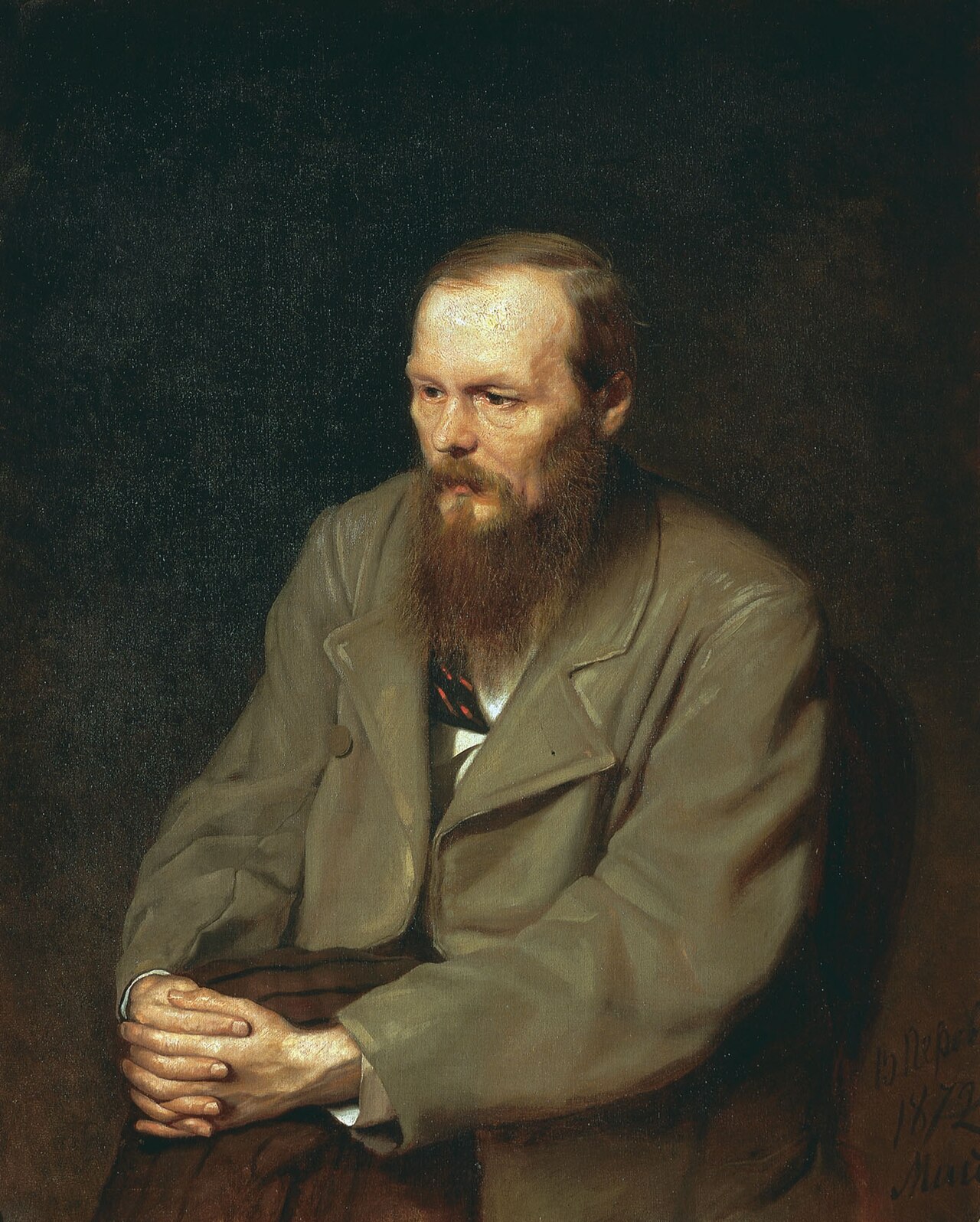
In 1866 Fyodor Dostoevsky, who had himself passed through the radical circles and a Siberian sentence, publishes Crime and Punishment. Its hero Raskolnikov acts out the nihilist logic that some men stand beyond good and evil, and the novel follows that logic to confession. The record stands as the movement's greatest literary examination, written from inside its questions by its sharpest critic.

St Petersburg
1881

Narodnaya Volya assassinates Alexander II

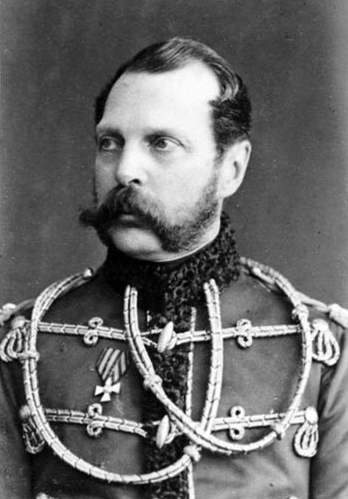
On 13 March 1881 members of Narodnaya Volya, the People's Will, assassinate Tsar Alexander II in St Petersburg. The organization's members came out of the nihilist and populist milieu, and the killing marks the point where the denial of the old order turns to systematic political terror; the repression that follows scatters the movement.

St Petersburg
1883

Nietzsche's Thus Spoke Zarathustra

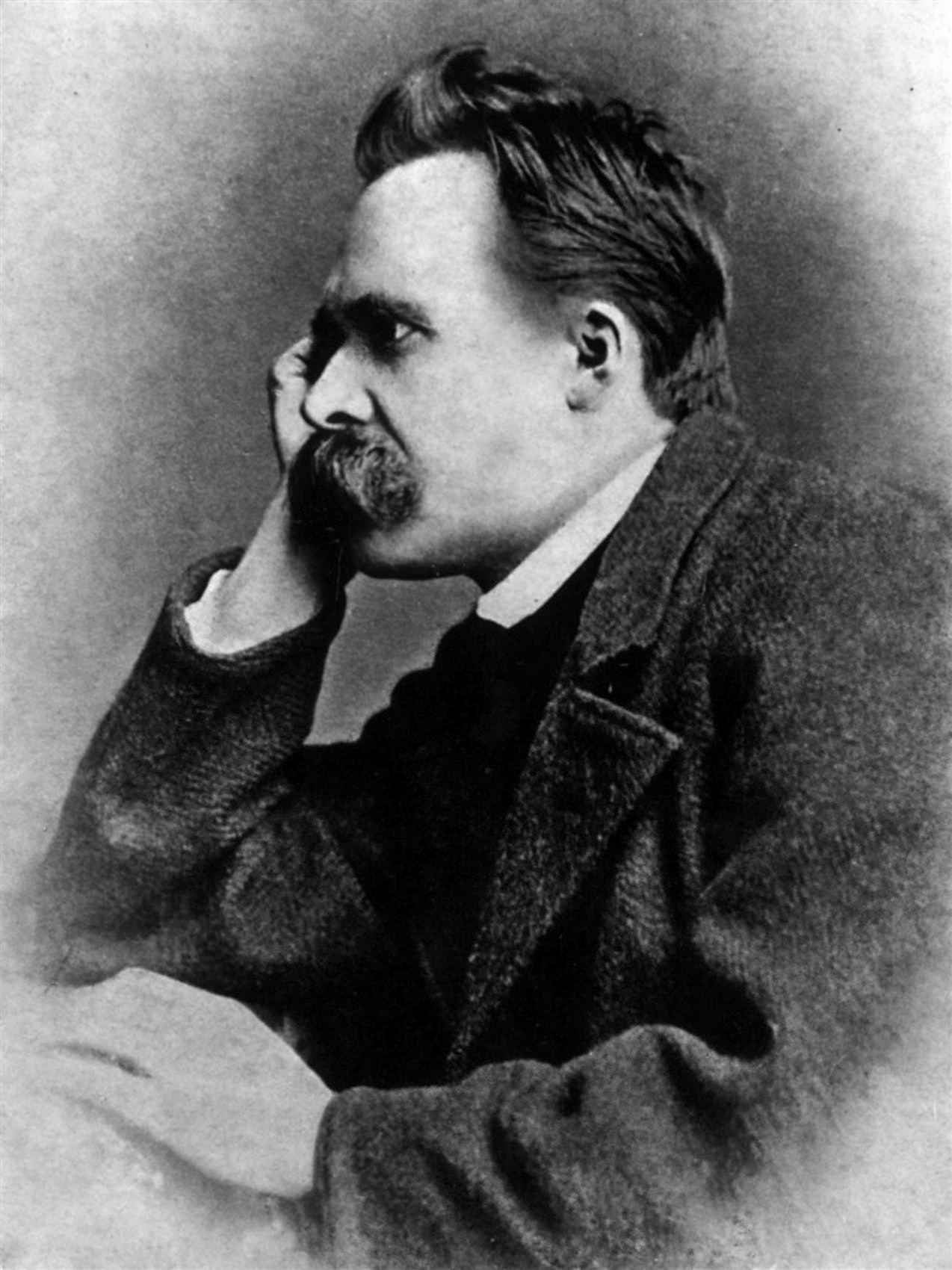
Between 1883 and 1885 Friedrich Nietzsche publishes Thus Spoke Zarathustra, the prophetic poem in which his spokesman announces the death of God and calls for the revaluation of all values. Nietzsche's diagnosis is that European culture, having lost its faith, holds values it no longer believes: the condition he names nihilism, and the book is his summons to overcome it.

Sils Maria
1887

Nietzsche's On the Genealogy of Morals

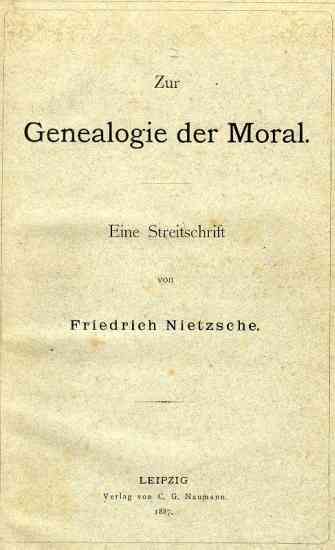
In 1887 Nietzsche publishes On the Genealogy of Morals, three essays tracing modern morality to resentment and the ascetic ideal. He argues that the will would rather will nothing than not will at all: nihilism is for him not an opinion but the inner logic of two thousand years of Western valuation, now arriving at its conclusion.

Leipzig

The Century of Catastrophe

1918

Spengler's The Decline of the West

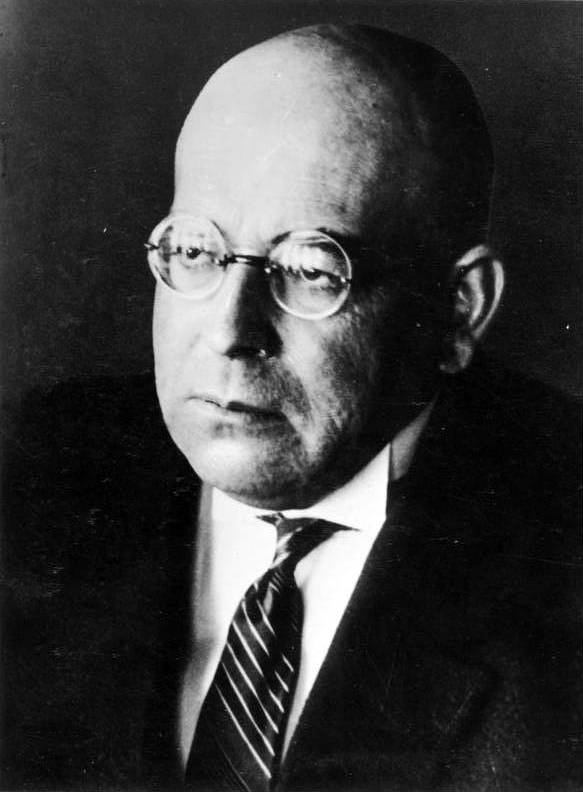
In 1918, as the Great War ends, Oswald Spengler publishes the first volume of The Decline of the West, arguing that cultures are organisms that age into mere civilization and die. The book's vast readership takes it as the philosophy of an exhausted Europe, and its fatalism becomes a standing exhibit in the century's arguments about nihilism.

Munich
1927

Heidegger's Being and Time

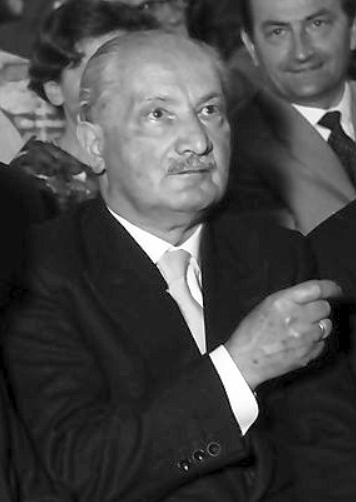
In 1927 Martin Heidegger publishes Being and Time. His analysis of anxiety and the nothing, and his later lectures on Nietzsche, frame nihilism as the destiny of Western metaphysics itself: the forgetting of Being completed in the age of technology. Heidegger's account becomes the most influential philosophical treatment of the theme in the century.

Freiburg
1942

Camus's The Myth of Sisyphus

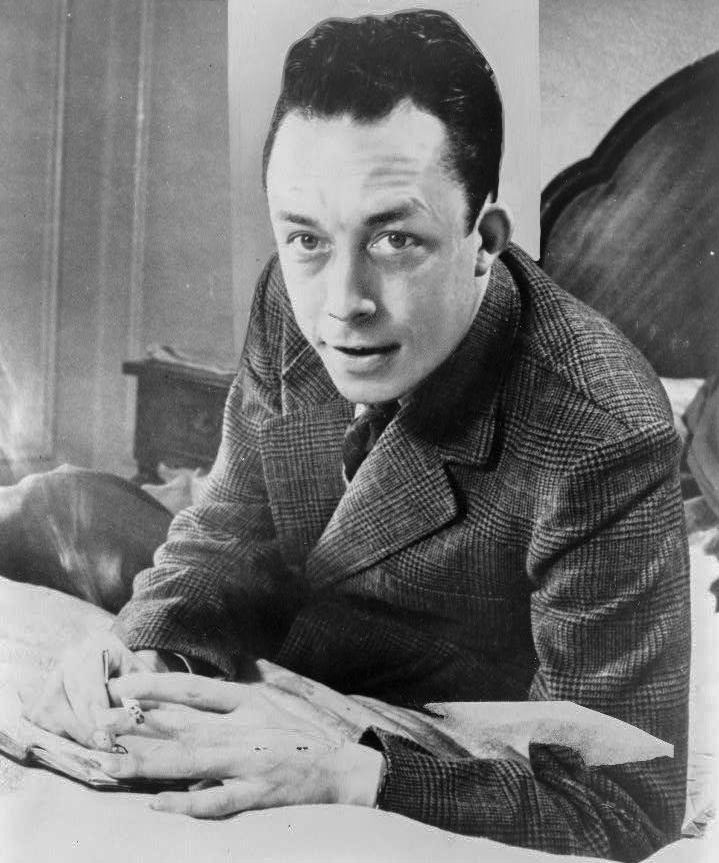
In 1942 Albert Camus publishes The Myth of Sisyphus, opening with the claim that suicide is the one truly serious philosophical problem. Camus names the absurd, the confrontation between the human demand for meaning and the world's silence, and answers it not with escape but with revolt: Sisyphus, condemned to his rock, is to be imagined happy.

Paris

The Postwar Reckoning

1949

Cioran's A Short History of Decay

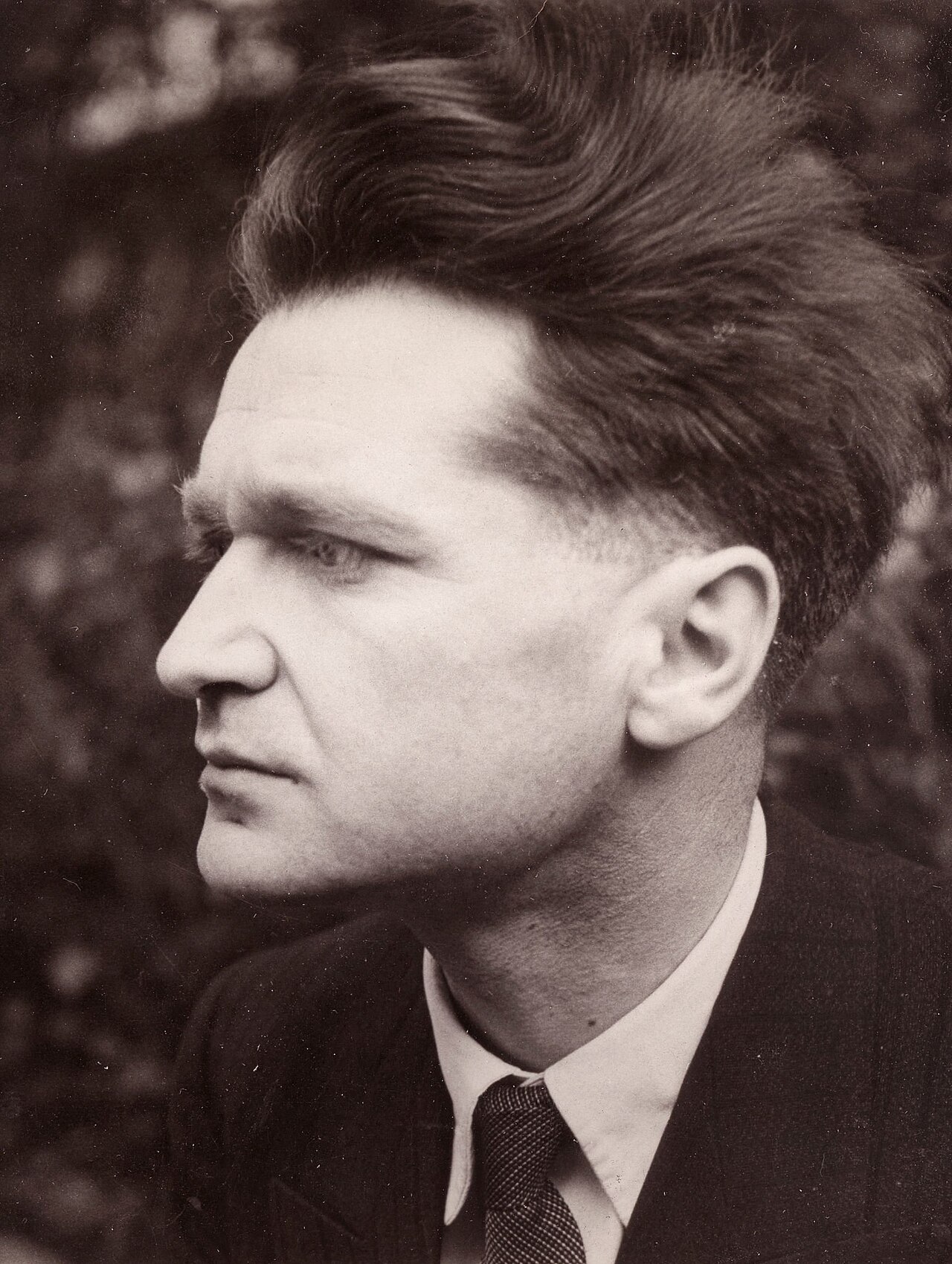
In 1949 the Romanian exile Emil Cioran publishes in Paris his Précis de décomposition, in English A Short History of Decay: aphorisms denying progress, faith, and every system, written in a style its author called a slap in the face of consolation. Cioran becomes the postwar period's purest literary nihilist, admired precisely for refusing every remedy.

Paris
1987

Bloom's The Closing of the American Mind

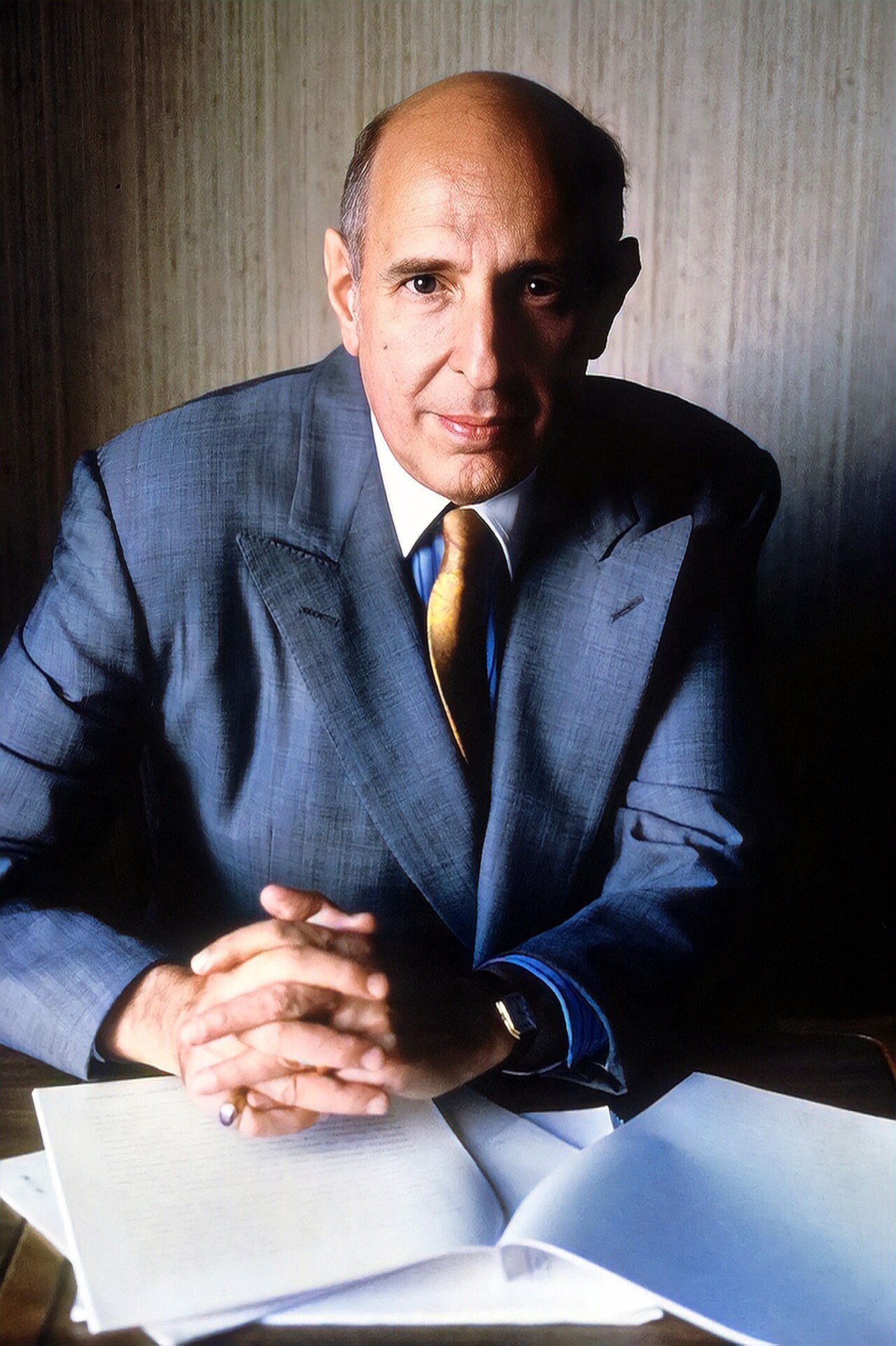
In 1987 Allan Bloom's The Closing of the American Mind, a University of Chicago professor's indictment of American higher education, becomes an unlikely bestseller. Bloom argues that relativism, which he calls nihilism American-style, has closed the student soul to the great questions. The book carries the word nihilism into the center of the culture wars, where it remains a term of diagnosis and of accusation.

Chicago