

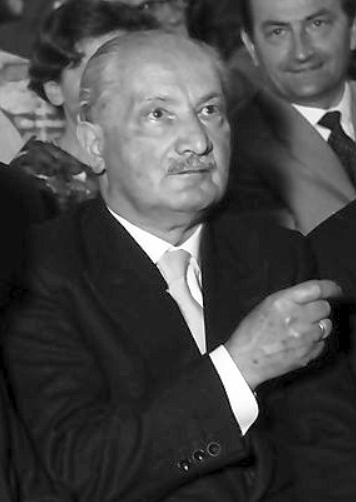
In 1927 Martin Heidegger publishes Being and Time. His analysis of anxiety and the nothing, and his later lectures on Nietzsche, frame nihilism as the destiny of Western metaphysics itself: the forgetting of Being completed in the age of technology. Heidegger's account becomes the most influential philosophical treatment of the theme in the century.
Tagged: Nihilism
The Event
- Date
- 1927 (exact)
- Era
- The Century of Catastrophe; Standard periodization of the nihilist movement and idea
- Location
- Freiburg; today Freiburg, Germany
- Traditions
- Nihilism
- Streams
- Nihilism
- Key figures
- Martin Heidegger
- Key texts
- Being and Time
Connections
Primary Sources
- Heidegger, Martin. Sein und Zeit. Halle, 1927.
Secondary Sources
- Crosby, Donald A. The Specter of the Absurd: Sources and Criticisms of Modern Nihilism. Albany: State University of New York Press, 1988.
- Gillespie, Michael Allen. Nihilism Before Nietzsche. Chicago: University of Chicago Press, 1995.
- Nishitani, Keiji. Religion and Nothingness. Berkeley: University of California Press, 1982.
- Reginster, Bernard. The Affirmation of Life: Nietzsche on Overcoming Nihilism. Cambridge, MA: Harvard University Press, 2006.
Provenance: HIST-1355; confidence 0.95; accessed 2026-10-30.
Related on This Site
 History Event
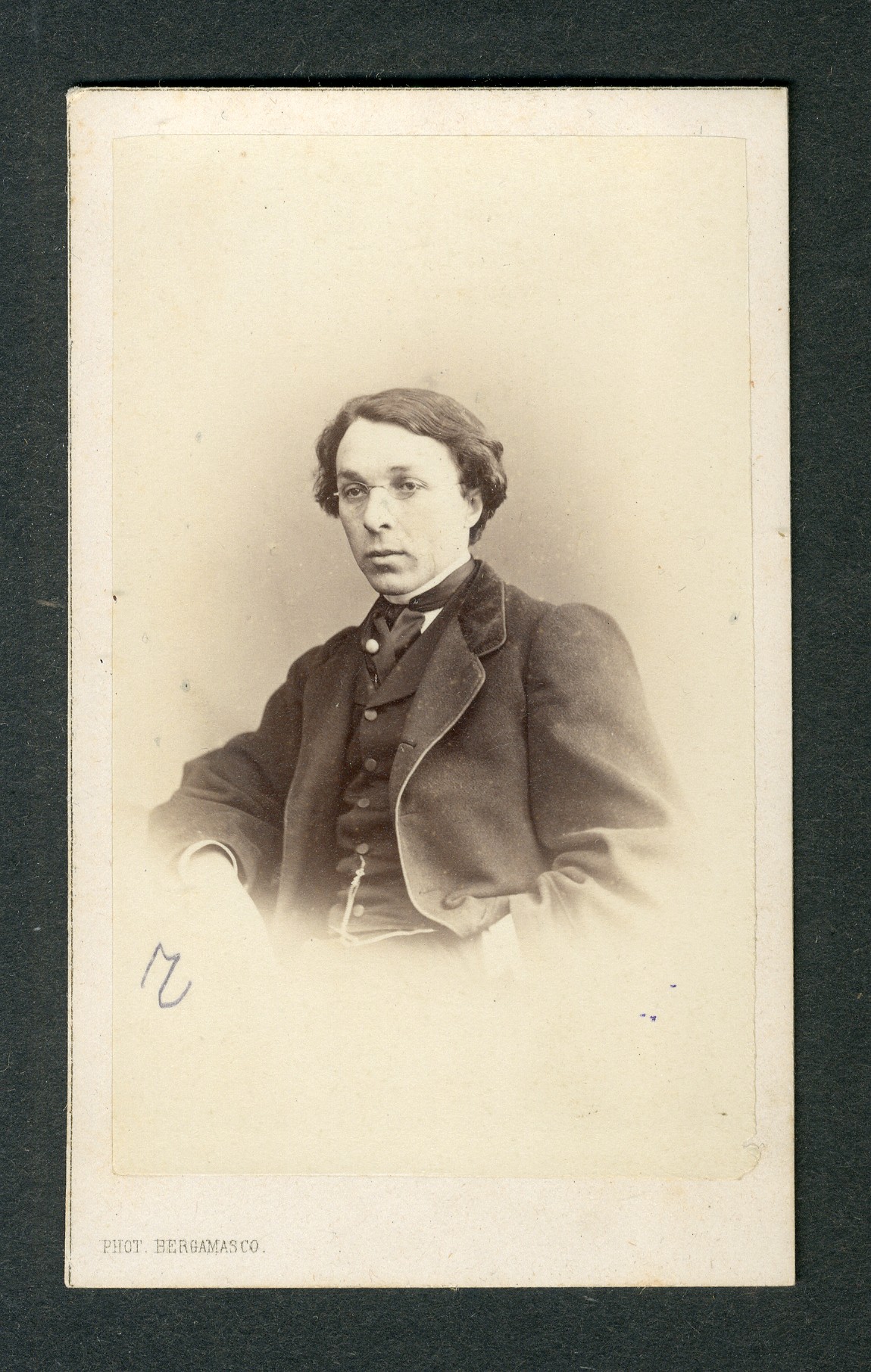
Chernyshevsky's What Is to Be Done?
1863
 History Event
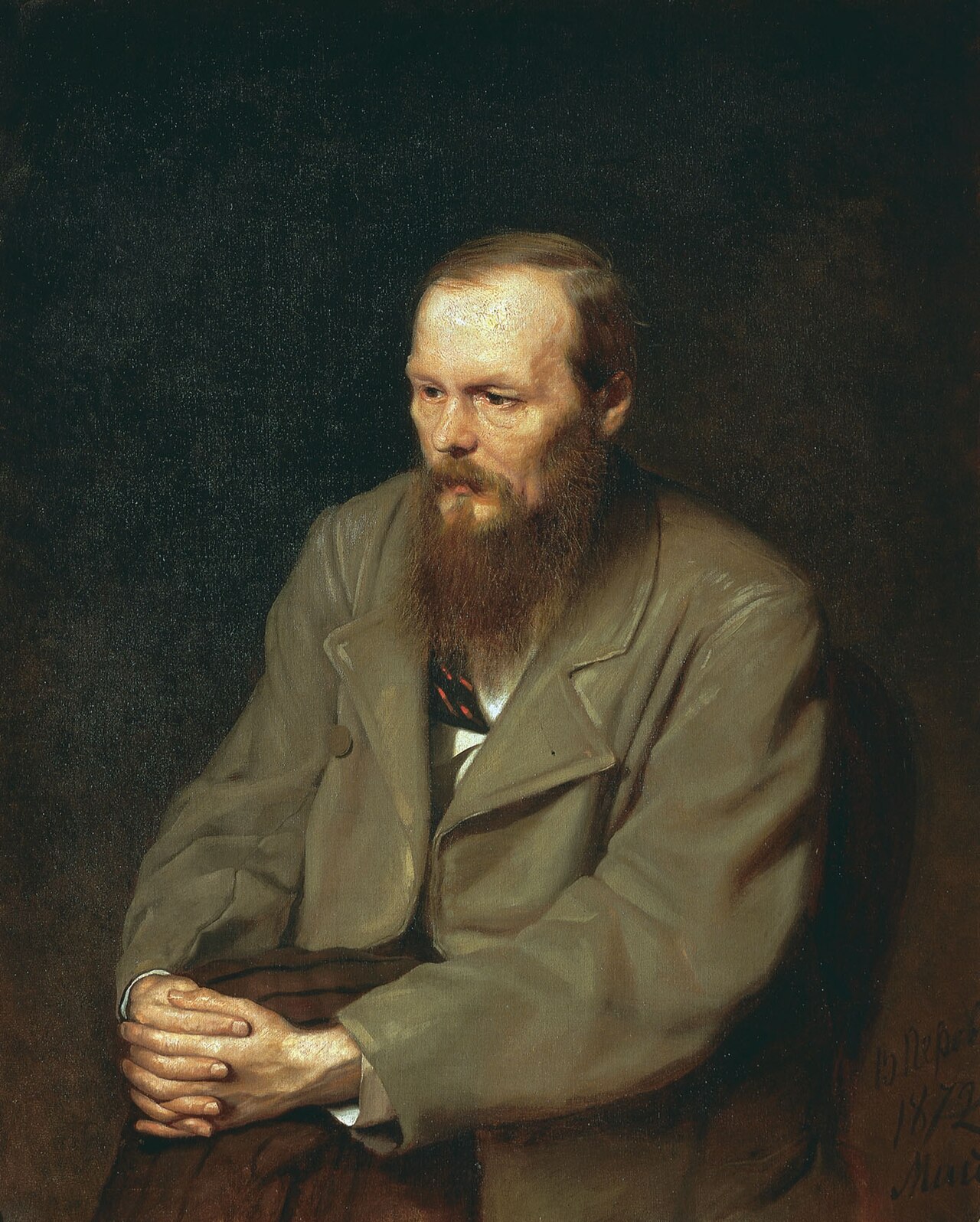
Dostoevsky's Crime and Punishment answers the nihilist
1866
 History Event
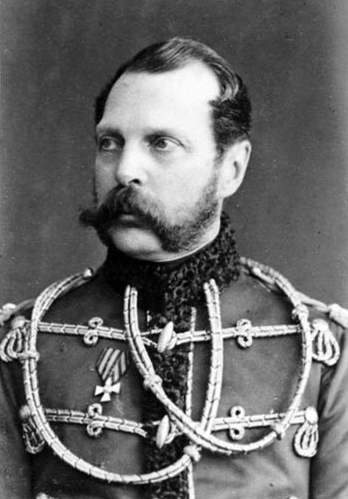
Narodnaya Volya assassinates Alexander II
1881
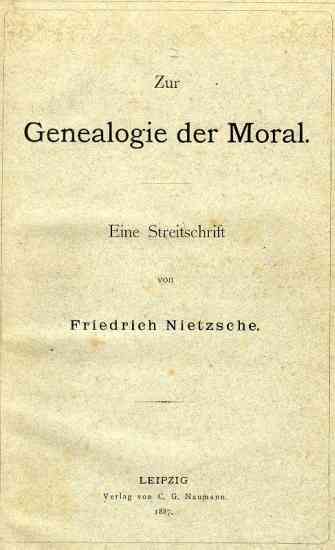 History Event
Nietzsche's On the Genealogy of Morals
1887
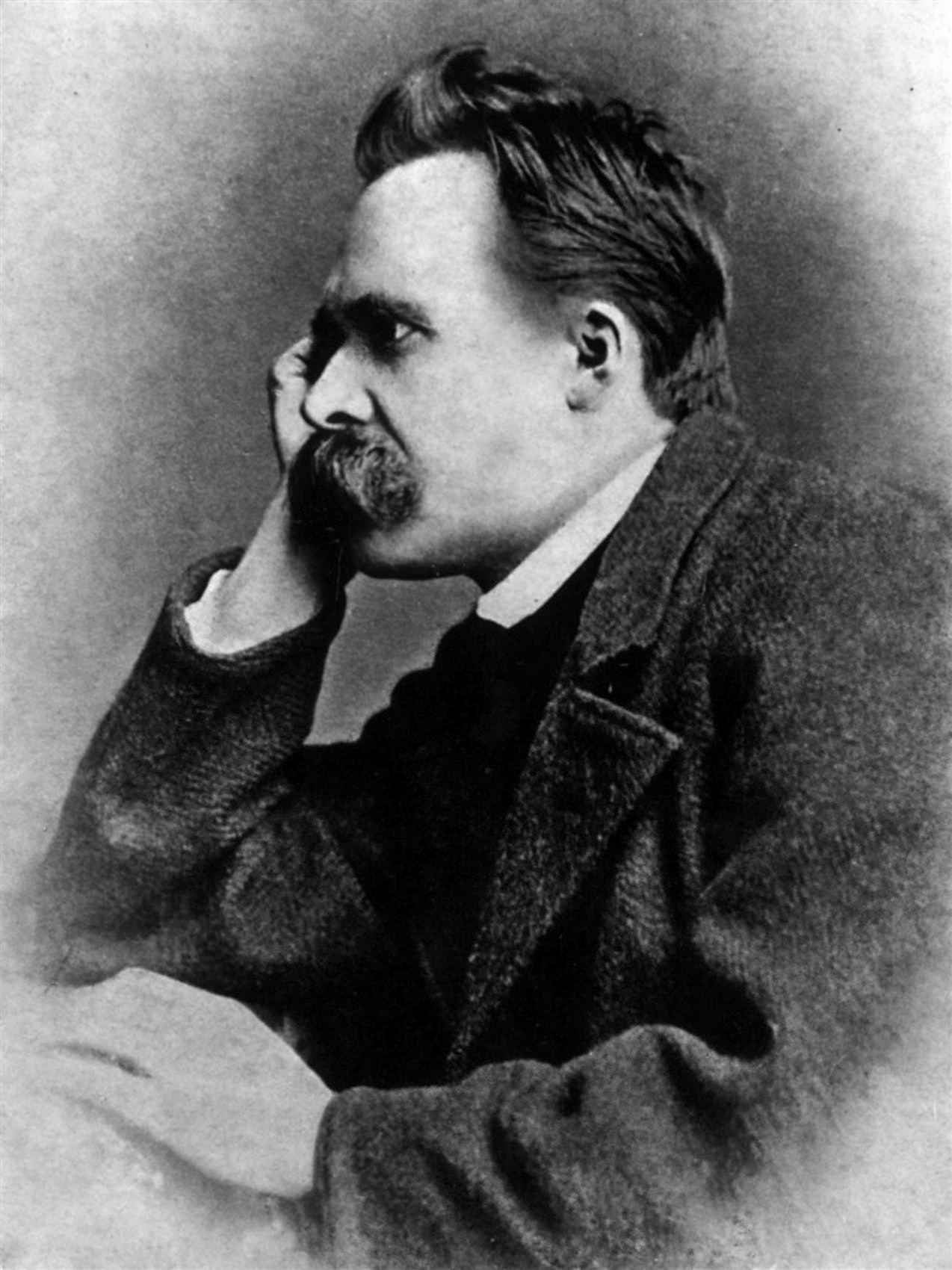 History Event
Nietzsche's Thus Spoke Zarathustra
1883
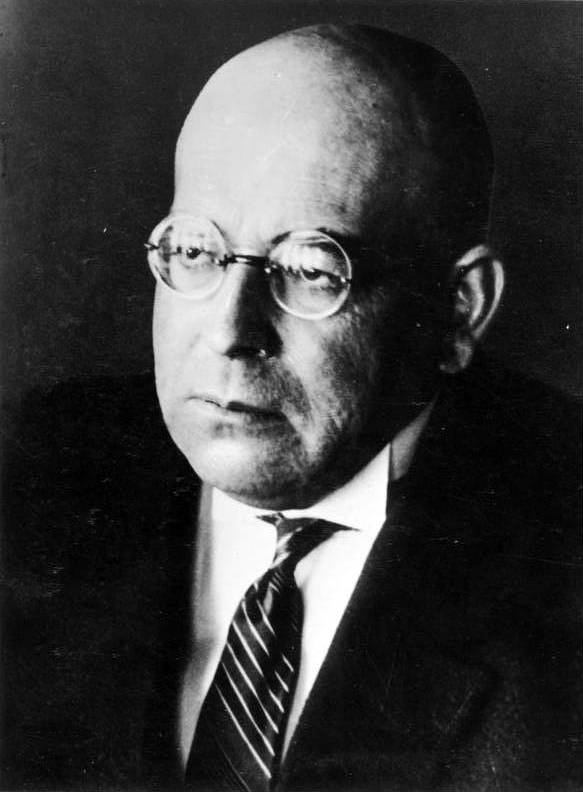 History Event
Spengler's The Decline of the West
1918
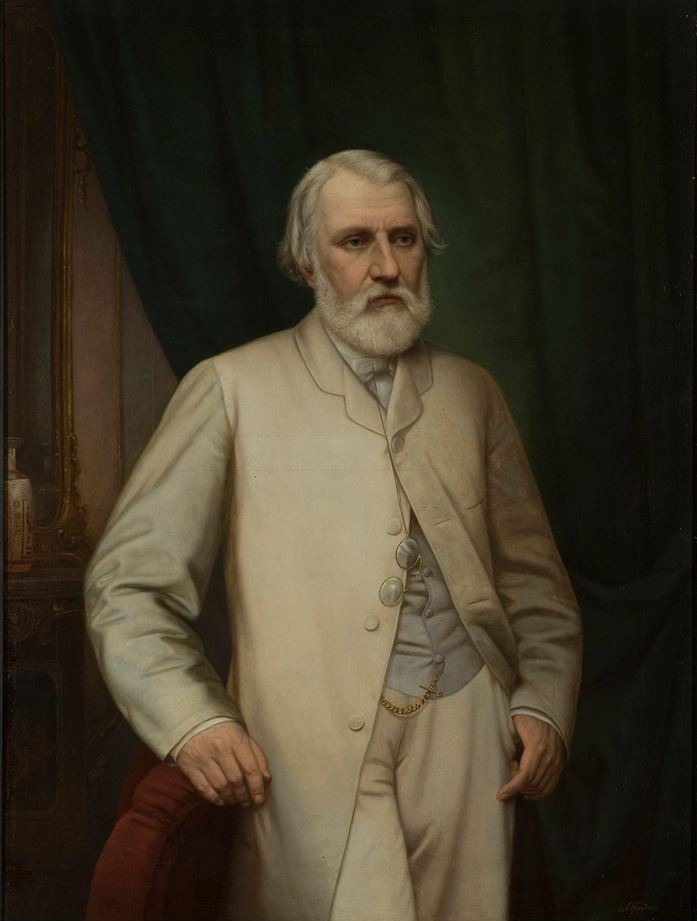 History Event
Turgenev's Fathers and Sons names the nihilist
1862
 World View
Nihilism
Nihilism is the conviction that life has no inherent meaning, purpose, or objective moral truth; the heavens are empty and every value is groundless.