

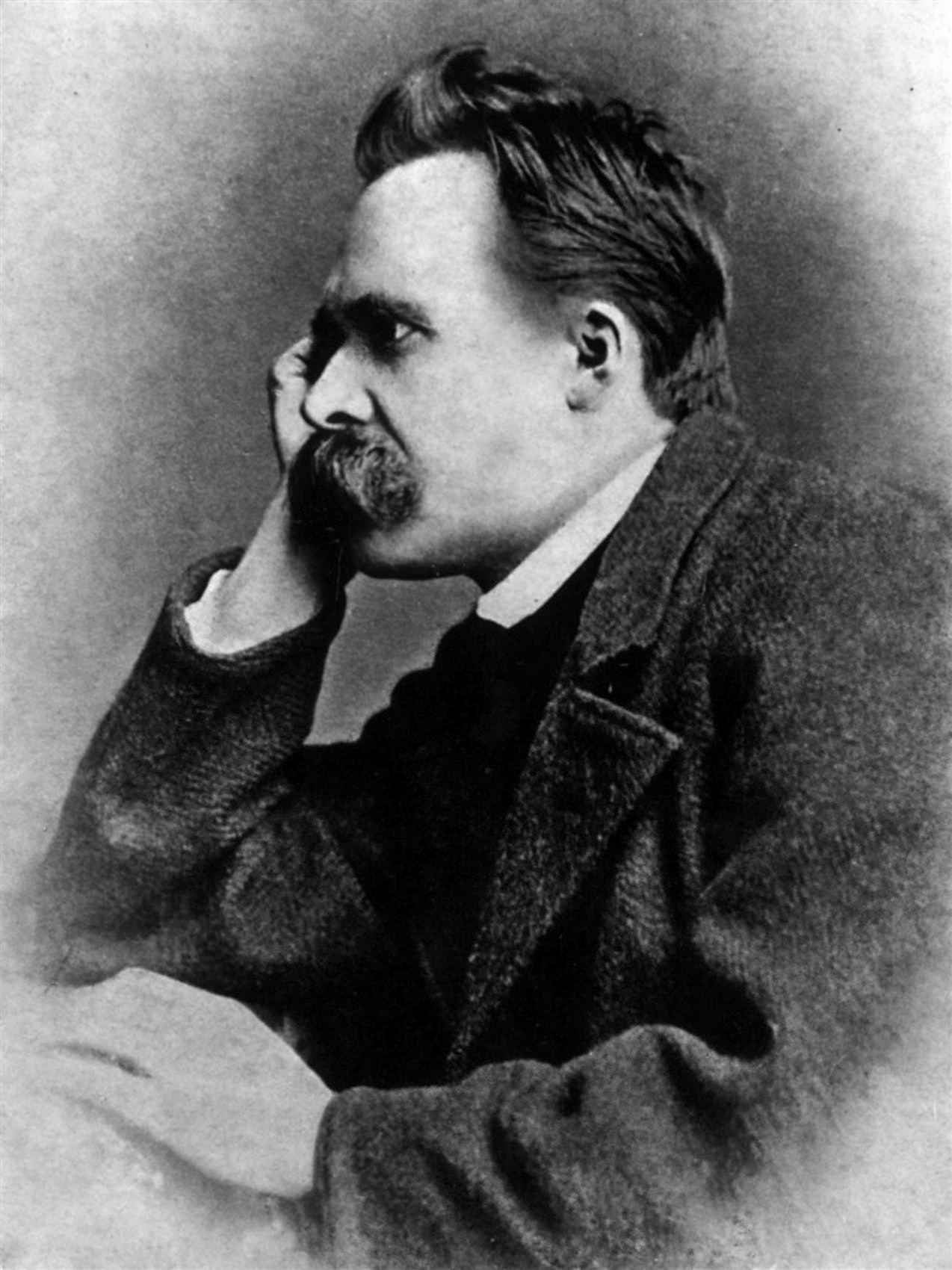
Between 1883 and 1885 Friedrich Nietzsche publishes Thus Spoke Zarathustra, the prophetic poem in which his spokesman announces the death of God and calls for the revaluation of all values. Nietzsche's diagnosis is that European culture, having lost its faith, holds values it no longer believes: the condition he names nihilism, and the book is his summons to overcome it.
Tagged: Nihilism
The Event
- Date
- 1883 (exact)
- Era
- The Word and the Nineteenth Century; Standard periodization of the nihilist movement and idea
- Location
- Sils Maria; today Sils Maria, Switzerland
- Traditions
- Nihilism
- Streams
- Nihilism
- Key figures
- Friedrich Nietzsche
- Key texts
- Thus Spoke Zarathustra
Primary Sources
- Nietzsche, Friedrich. Also sprach Zarathustra. Chemnitz and Leipzig, 1883-1885.
Secondary Sources
- Crosby, Donald A. The Specter of the Absurd: Sources and Criticisms of Modern Nihilism. Albany: State University of New York Press, 1988.
- Gillespie, Michael Allen. Nihilism Before Nietzsche. Chicago: University of Chicago Press, 1995.
- Nishitani, Keiji. Religion and Nothingness. Berkeley: University of California Press, 1982.
- Reginster, Bernard. The Affirmation of Life: Nietzsche on Overcoming Nihilism. Cambridge, MA: Harvard University Press, 2006.
Provenance: HIST-1352; confidence 0.95; accessed 2026-10-30.
Related on This Site
 History Event
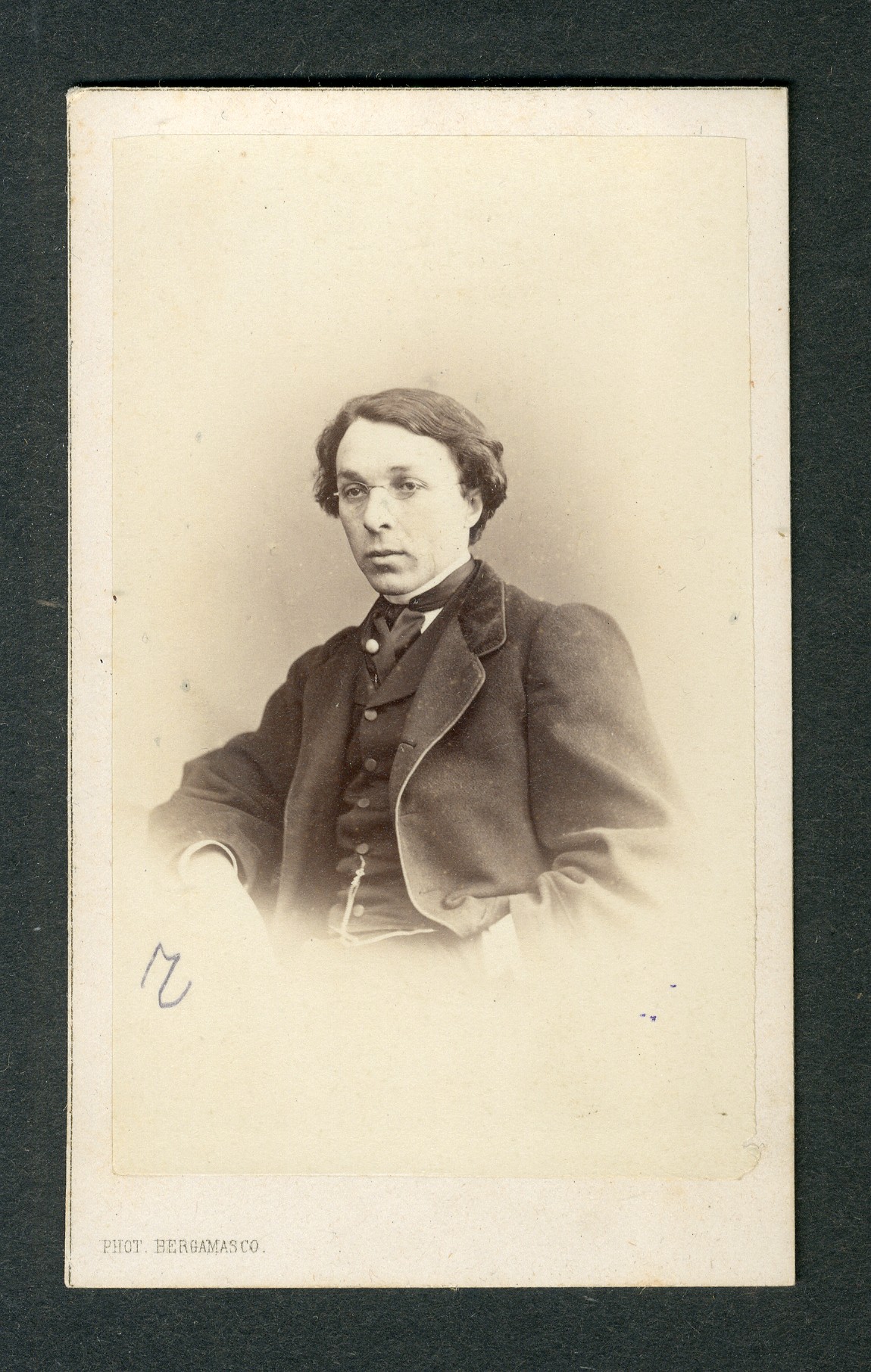
Chernyshevsky's What Is to Be Done?
1863
 History Event
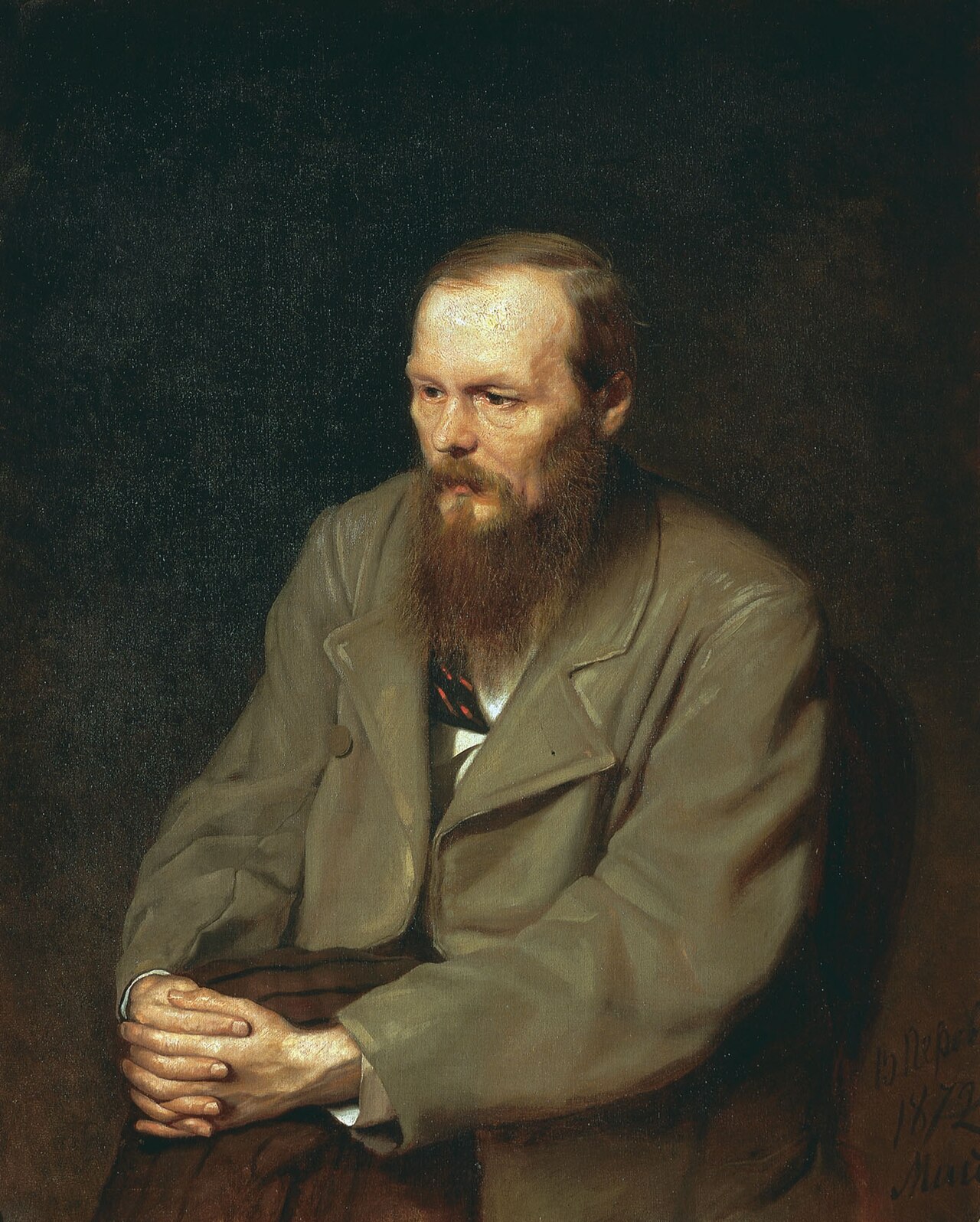
Dostoevsky's Crime and Punishment answers the nihilist
1866
 History Event
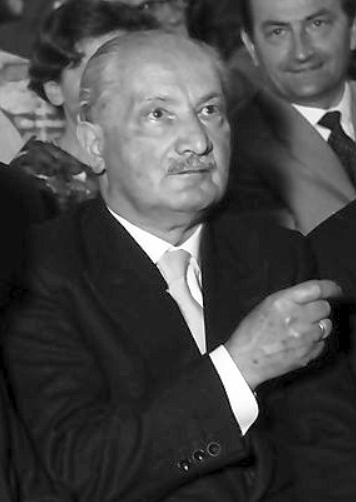
Heidegger's Being and Time
1927
 History Event
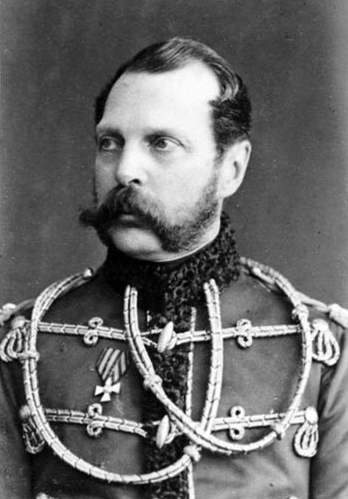
Narodnaya Volya assassinates Alexander II
1881
 History Event
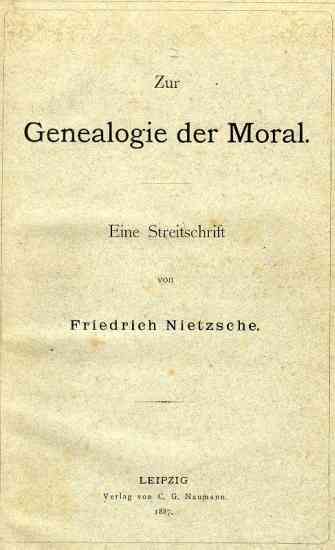
Nietzsche's On the Genealogy of Morals
1887
 History Event
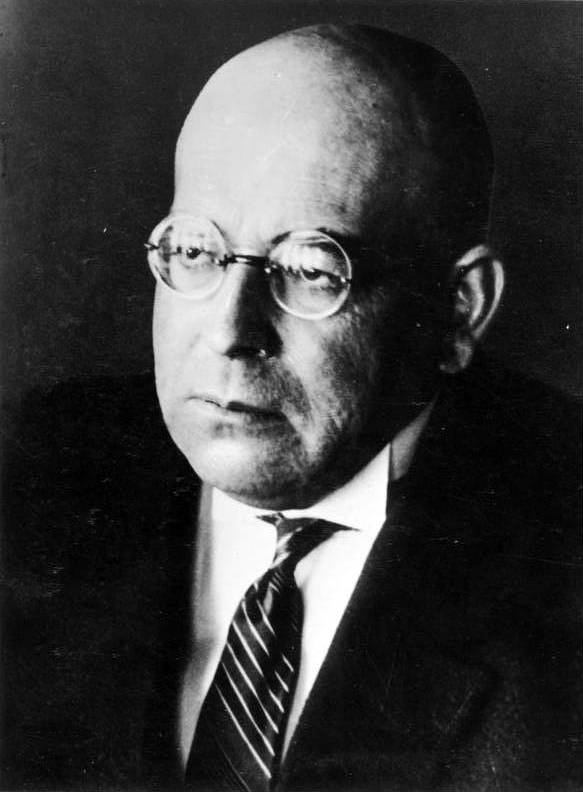
Spengler's The Decline of the West
1918
 History Event
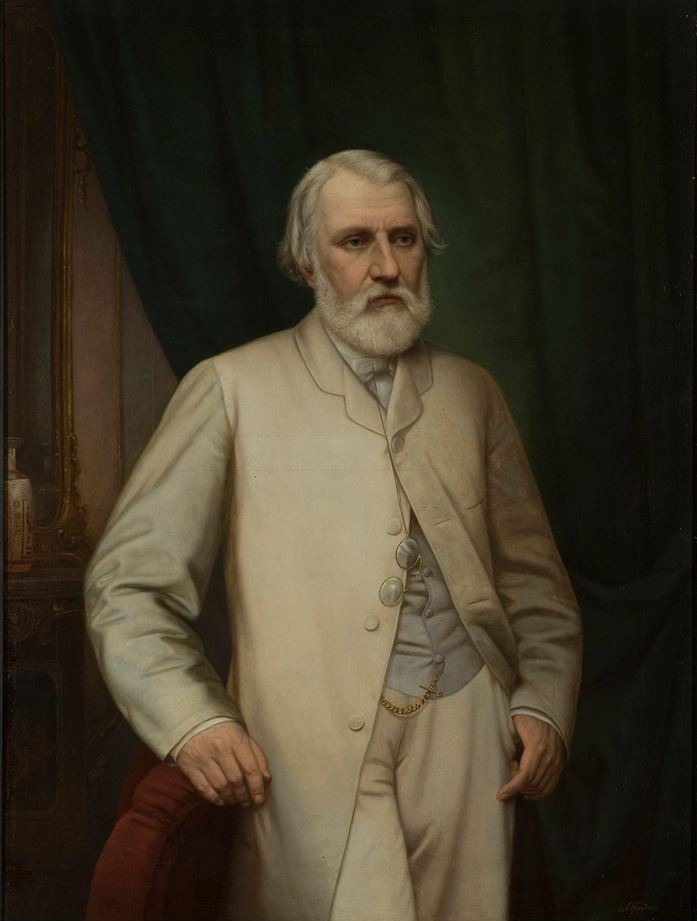
Turgenev's Fathers and Sons names the nihilist
1862
 World View
Nihilism
Nihilism is the conviction that life has no inherent meaning, purpose, or objective moral truth; the heavens are empty and every value is groundless.