

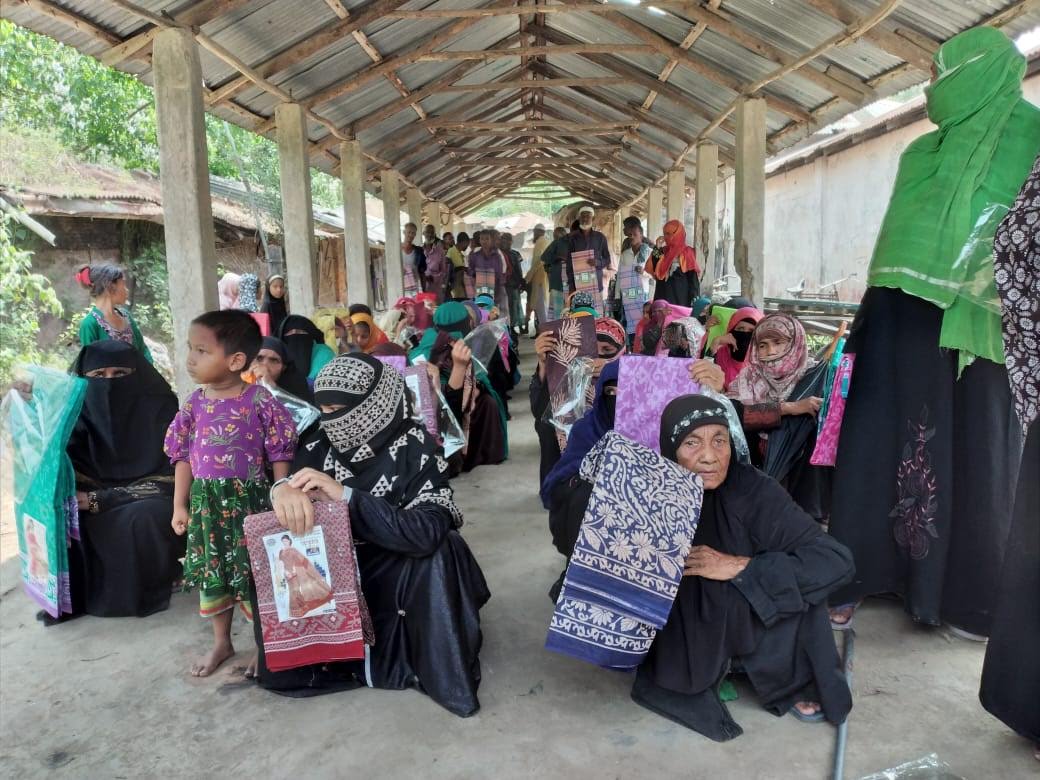
The required annual giving of a portion of wealth to the poor, one of the five pillars of Islam and a duty, not a donation.
Tagged: Almsgiving Justice Zakat Muslim
The practice
Zakat is the obligatory almsgiving of Islam, the third of its five pillars. The word means purification and growth. A Muslim whose savings pass a threshold called the nisab gives a set portion of that wealth each year, most commonly two and a half percent.
How it is kept
The Qur'an names who receives it: the poor, the needy, those in debt, the traveller, and others in hardship. Zakat is calculated on held wealth such as savings, gold, and trade goods, and it is often given in Ramadan, when many Muslims settle their year's account.
What it means
Zakat rests on a claim about ownership: wealth is a trust from God, and a share of it belongs by right to the poor. Giving is therefore not generosity but justice, and it purifies what remains by separating out what was never fully the giver's to keep.
Related on This Site
- A Kufic Qur'an Folio Art Entry
- The Dome of the Rock Art Entry
- The Mughal Court Miniature Art Entry
- Islam Art Tradition
- Ibn Muqla Artist
- Kamal ud-Din Behzad Artist
- St Andrews Encyclopaedia of Theology Library
- Islam World View