

Science, Technology & Worldviews
Science and technology are never received raw. Every tradition on this site has met them with a worldview; a settled account of what the world is, what a person is, and what knowledge is for; and has answered them out of it: embracing, regulating, resisting, reinterpreting. This section tells that story era by era, keeps a register of the traditions' recorded stances toward particular technologies with their reasons attached, profiles each tradition's posture, and gathers the live flashpoints where the answers now carry deadlines. Its baseline is the complexity thesis: particular people, institutions, and disputes; never the war of two abstractions.
Showing the Catholic family only. Show everything
The Eras
Fourteen eras, told in the order the evidence gives: particular people, institutions, and disputes; never two armies. Each era names its domains, its worldview stakes, and the places elsewhere on this site where its story continues.
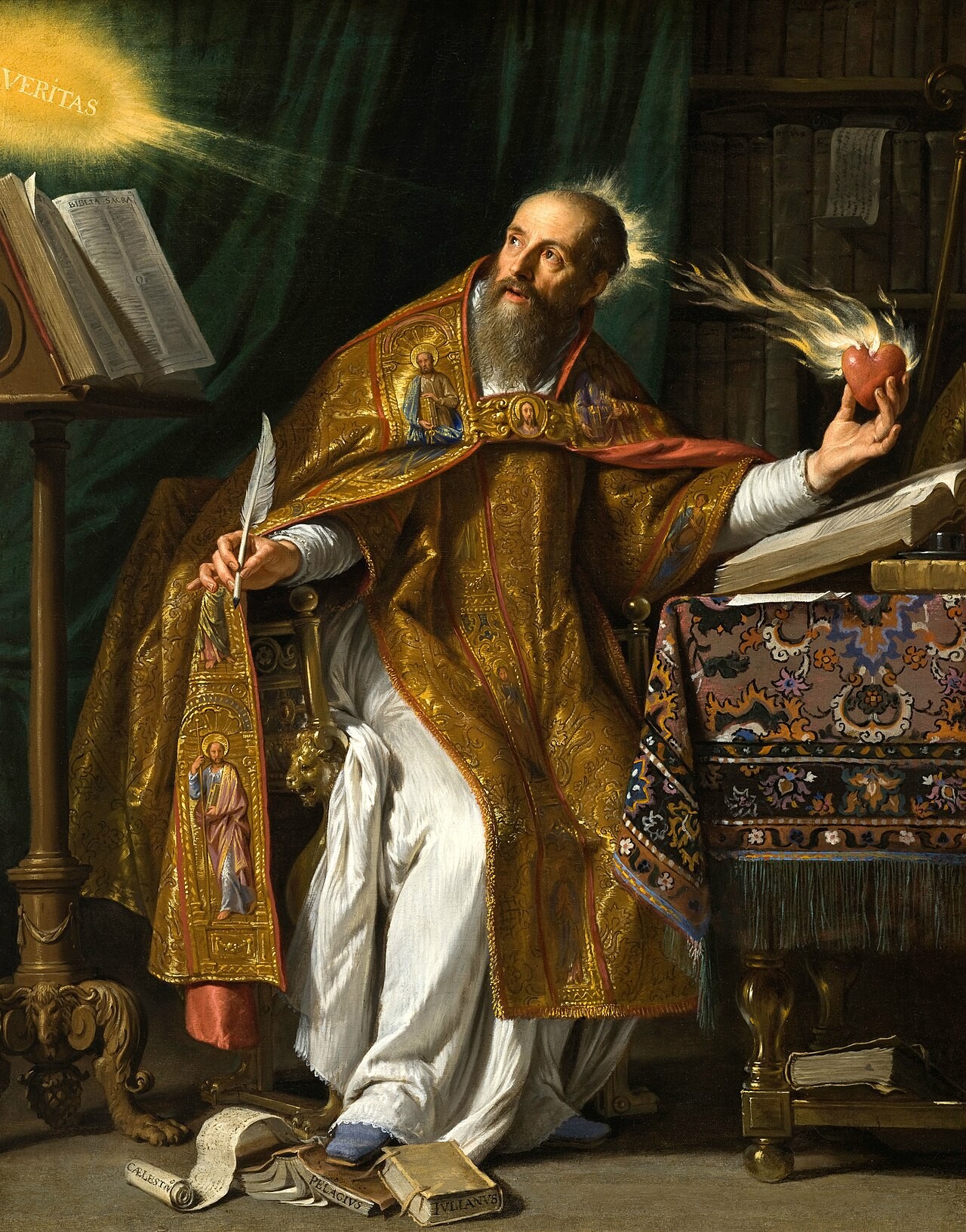 c. 100–600 CE
Patristic
The Church Fathers received Greek learning as a handmaid: useful for reading Scripture and ordering life, subordinate to revelation, and preserved; selectively; through the collapse of Roman institutions.
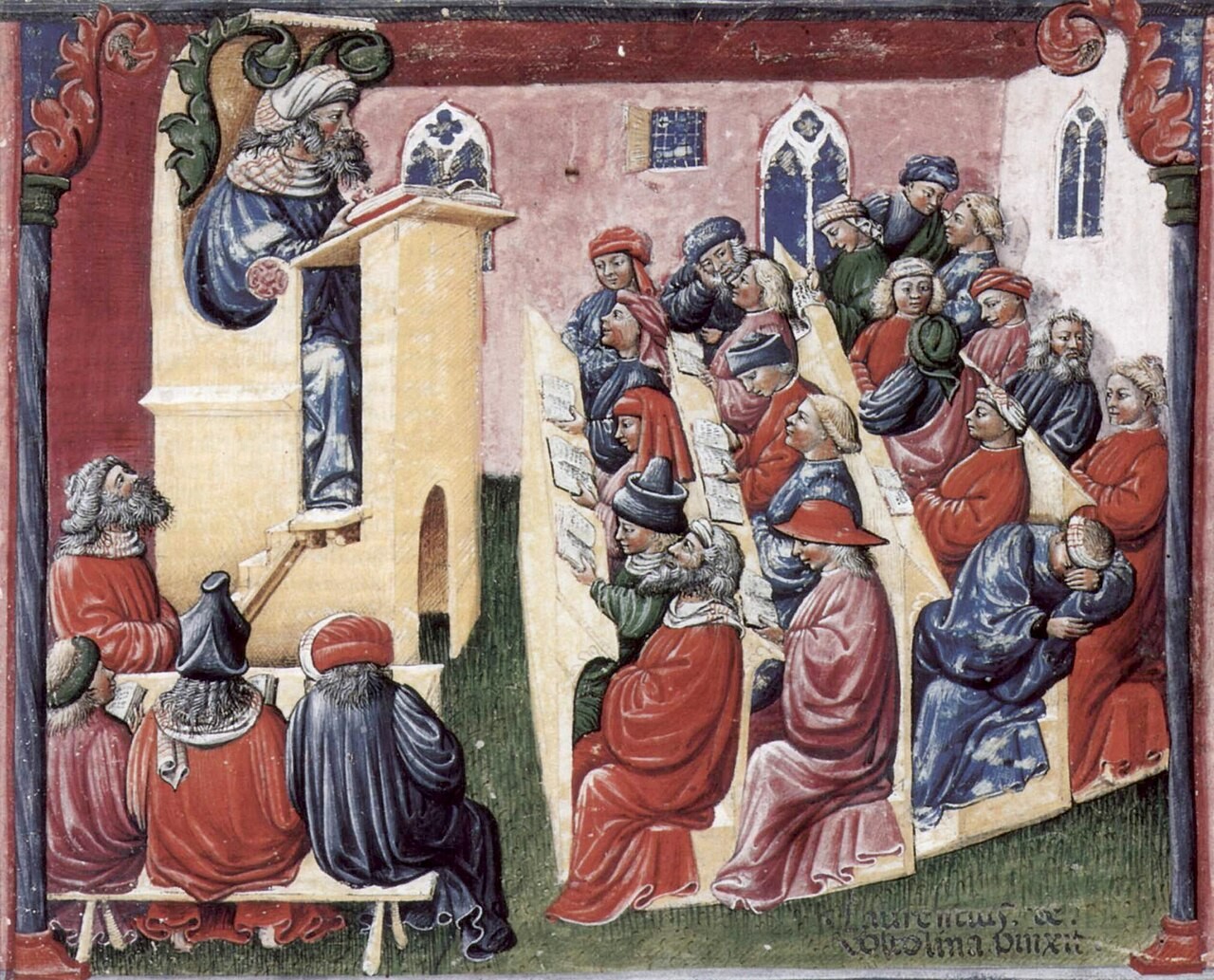 c. 1100–1450
Medieval European
Latin Christendom built the university, recovered Aristotle through Arabic and Greek, and debated the eternity of the world, the plurality of worlds, and the freedom of God; inside theology faculties, not against them.
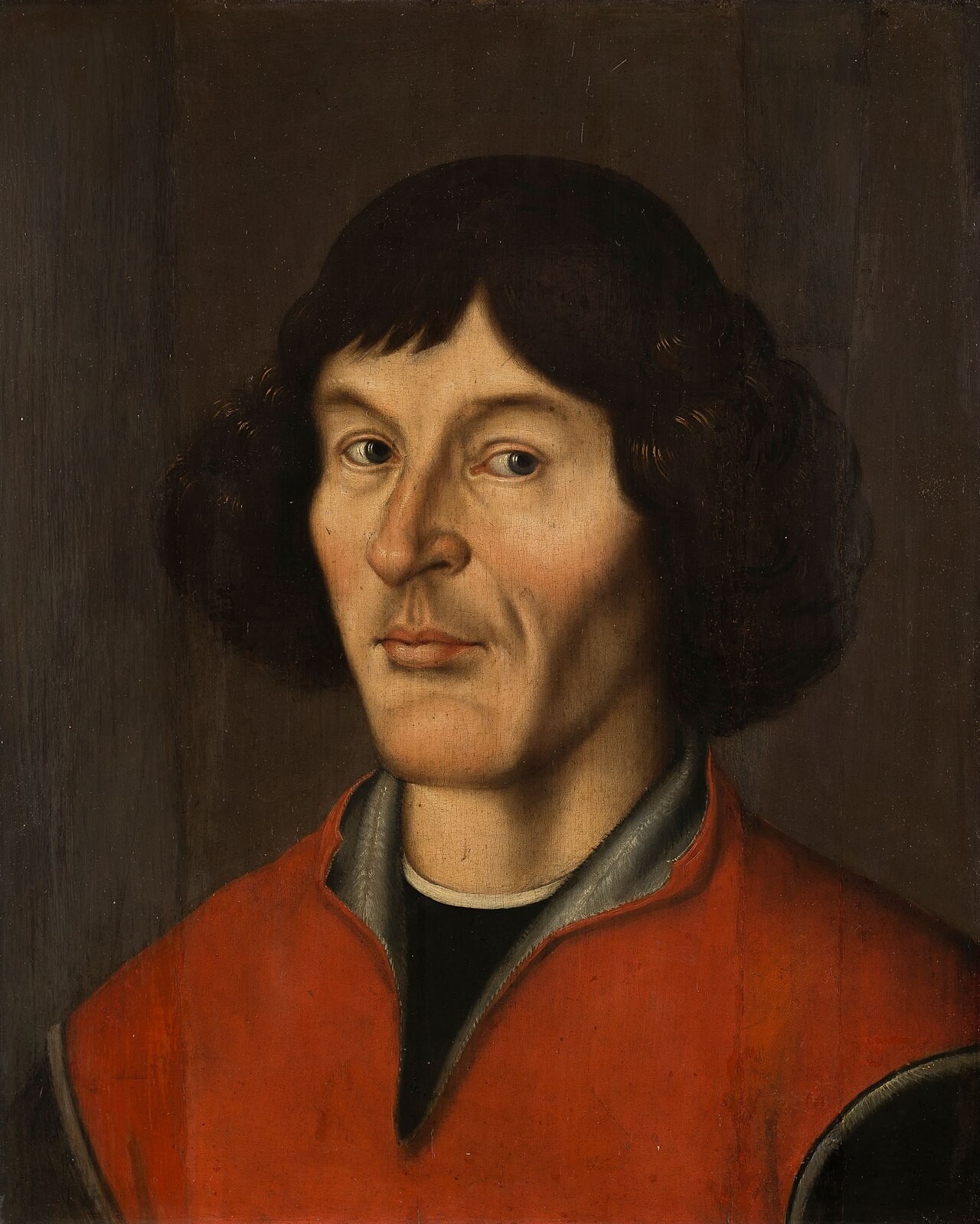 c. 1450–1600
Renaissance and Reformation
Print, recovered Greek texts, and confessional rivalry reshaped European knowledge: Copernicus the canon published a heliocentric cosmos, Vesalius remade anatomy, and Jesuit colleges became engines of mathematical science.
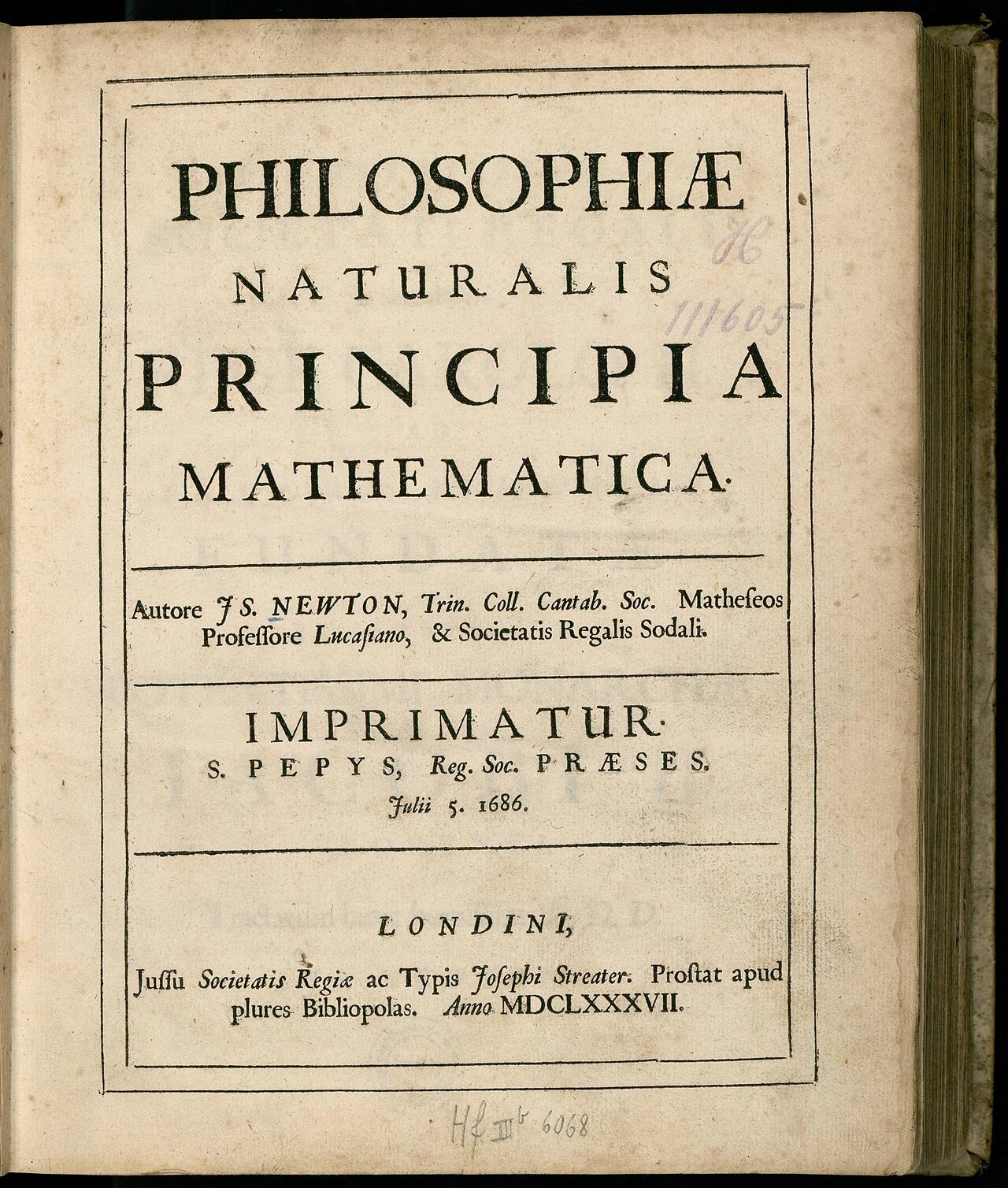 c. 1600–1700
Scientific Revolution
Kepler’s ellipses, Galileo’s telescope and trial, Boyle’s Christian experimentalism, and Newton’s designed cosmos: the century that invented modern science also shows why the simple war story fails; most of its soldiers were believers arguing with believers.
 c. 1700–1800
Enlightenment
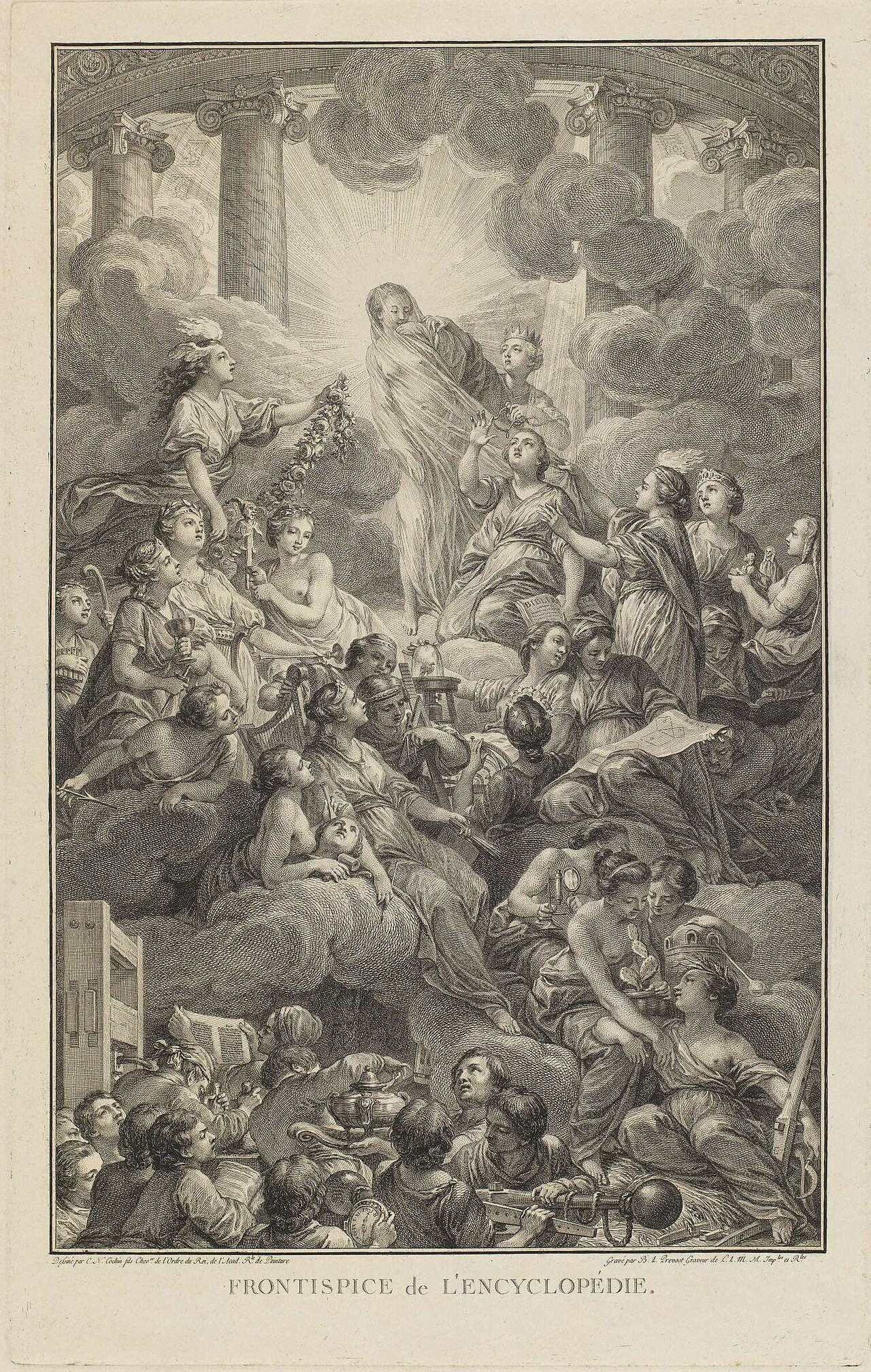
The philosophes made knowledge a program against priestcraft while physico-theologians mined the same discoveries for design; deism flourished and thinned; chemistry and natural history professionalized.
 c. 1800–1900
Nineteenth Century
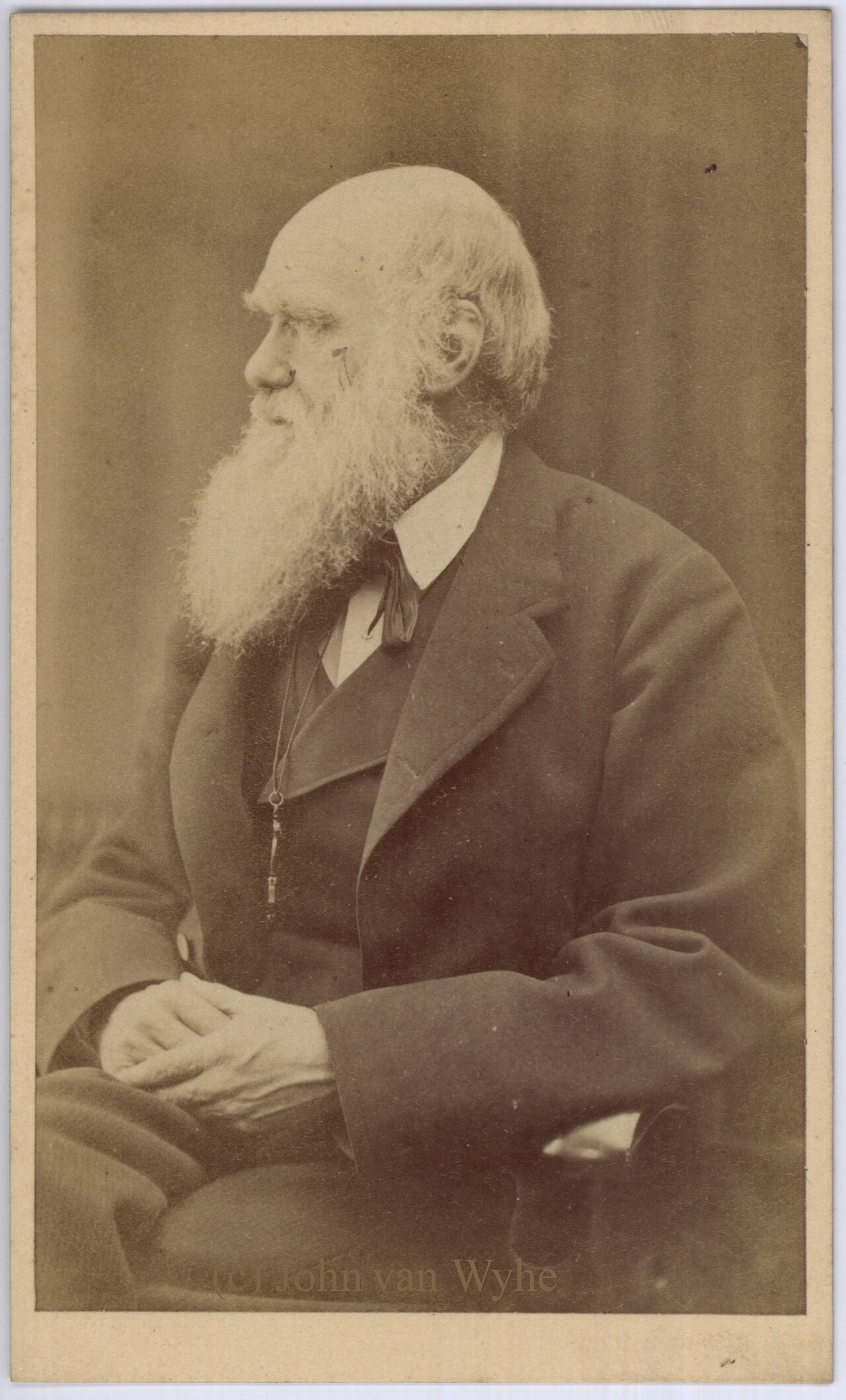
Professional science, deep time, and Darwin; the warfare story was written in this century by Draper and White, while many of the era’s leading scientists; and many churchmen; saw no war to fight.
 c. 1900–2000
Twentieth Century
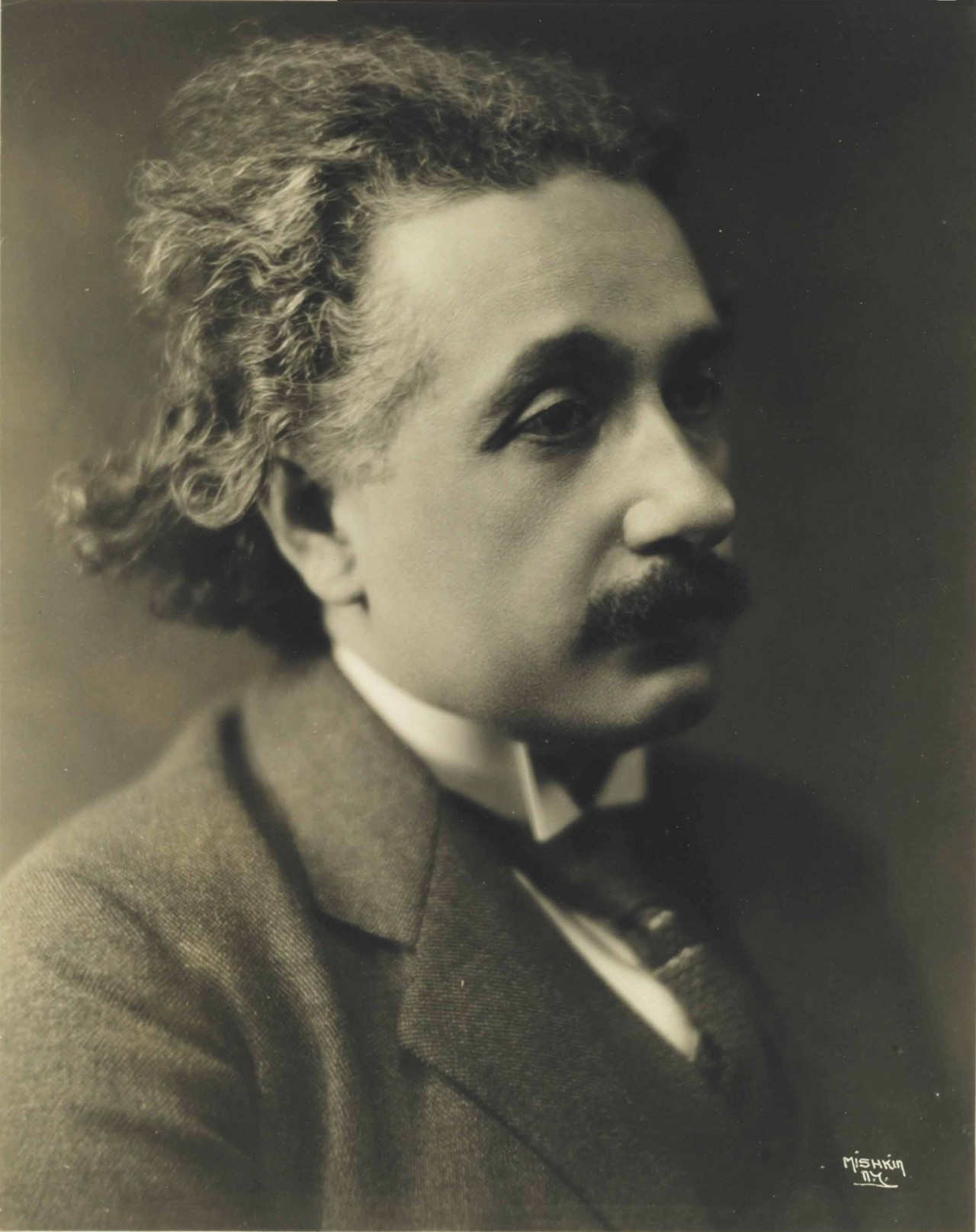
Relativity, quantum theory, and a priest’s Big Bang; war made science a state enterprise and the scientist’s conscience a public problem; creation-evolution litigation defined the American quarrel while genetics under Lysenko showed the cost of policing conclusions.
 2000 – present
Contemporary
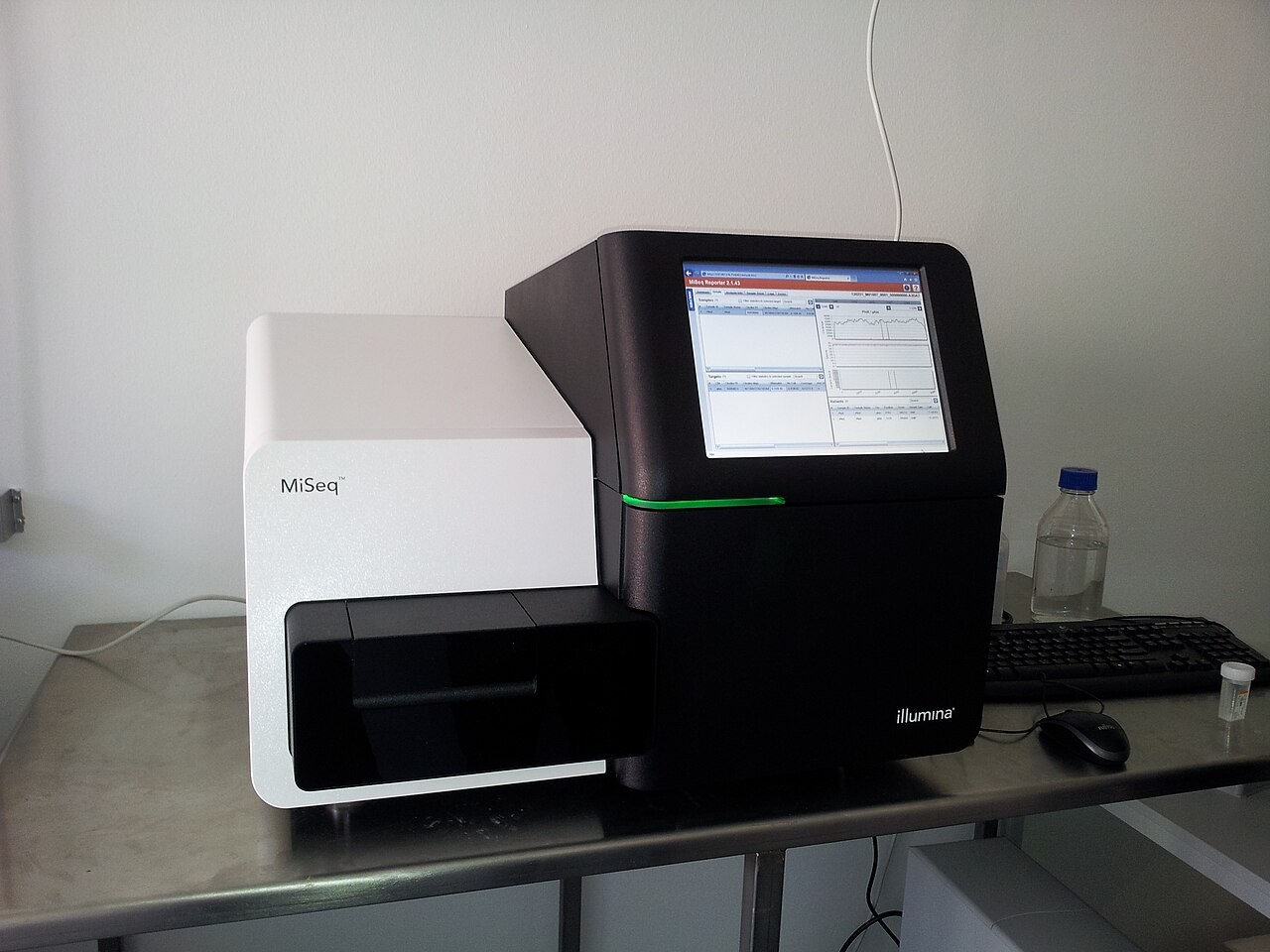
CRISPR, consumer genomics, machine intelligence, and a warming climate: the live questions now arrive as engineering deadlines, and the traditions answer them divided within themselves as much as between one another.
Flashpoints
The live questions, where the traditions' answers now carry engineering deadlines.
 Flashpoint
Artificial intelligence and human dignity
Learning systems that counsel, accompany, and target: the live question is not machine consciousness but what may never be delegated; and every tradition on this site answers that accountability stays with persons.
 Flashpoint
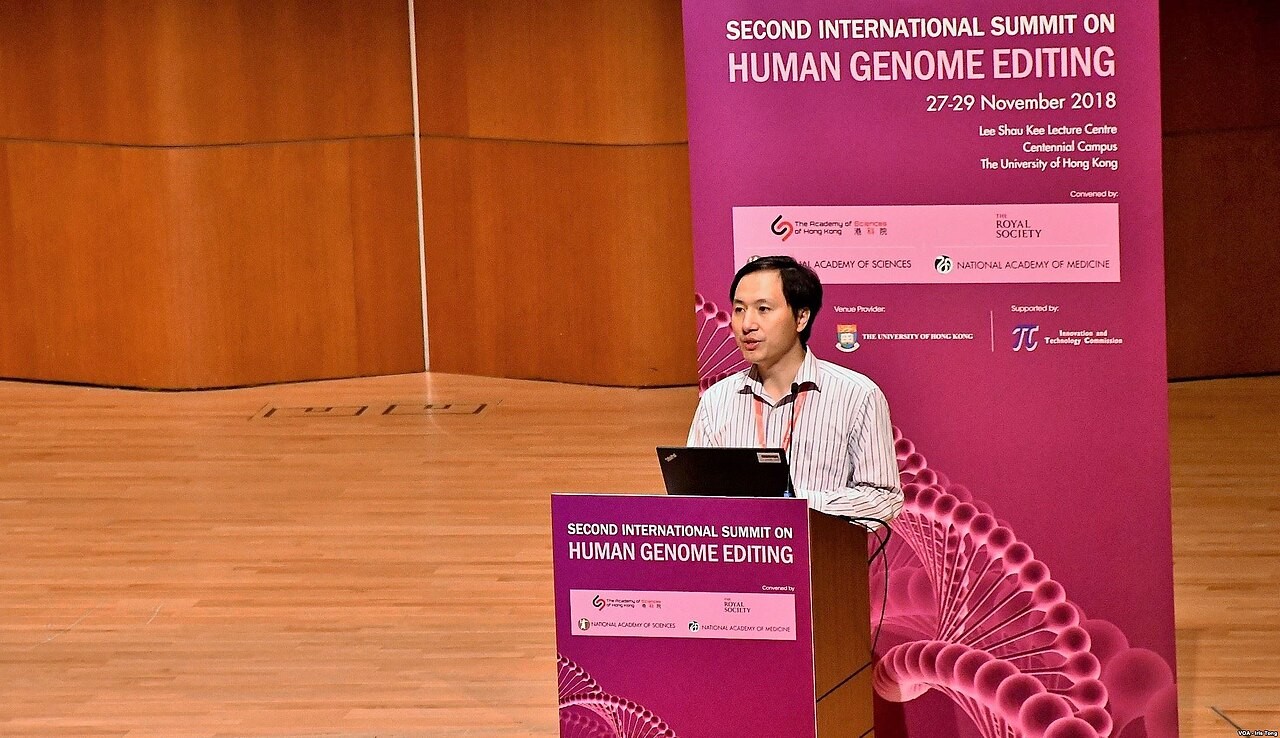
Gene editing and the germline
Easy technique, unconsenting subject, speculative benefit: the 2018 edited babies drew one condemnation in many vocabularies, and the line between somatic therapy and germline design is now the field’s governing border.
 Flashpoint
Climate and creation
The pattern of this whole section in one case: an encyclical, a green patriarch, Islamic and Hindu declarations, an evangelical argument with itself; the divisions run through the traditions, and the debtors are the unborn.
 Flashpoint
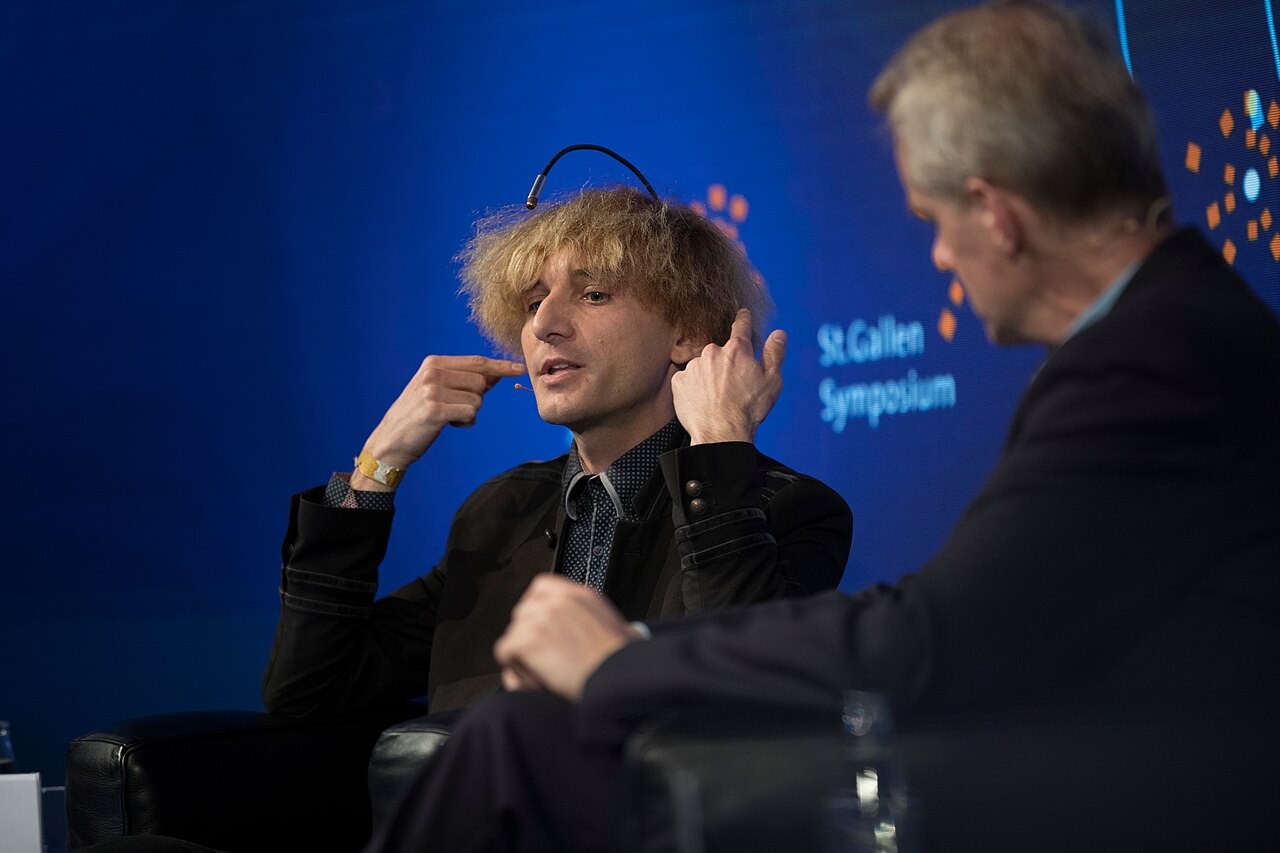
Transhumanism and the body
Mortality as an engineering backlog: lifespan, cognition, and the body as a draft to be revised; and the counter-question, asked in every dialect on this site, whether a self indefinitely revisable remains a self.
 Flashpoint
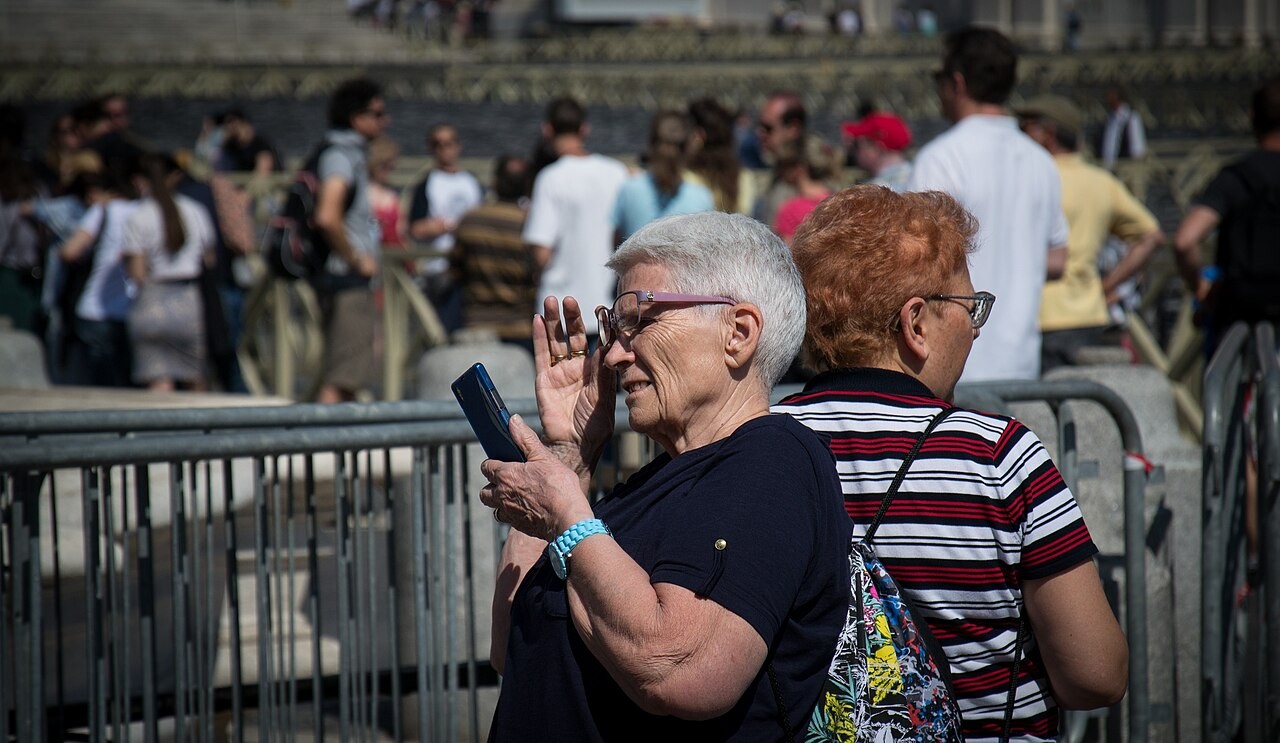
Digital technology and community
Attention as the substance of community: streaming congregations and phone fasts, the industry’s own defectors making the ascetic argument, and the placement rules of the Amish applied to the pocket screen.
 Flashpoint
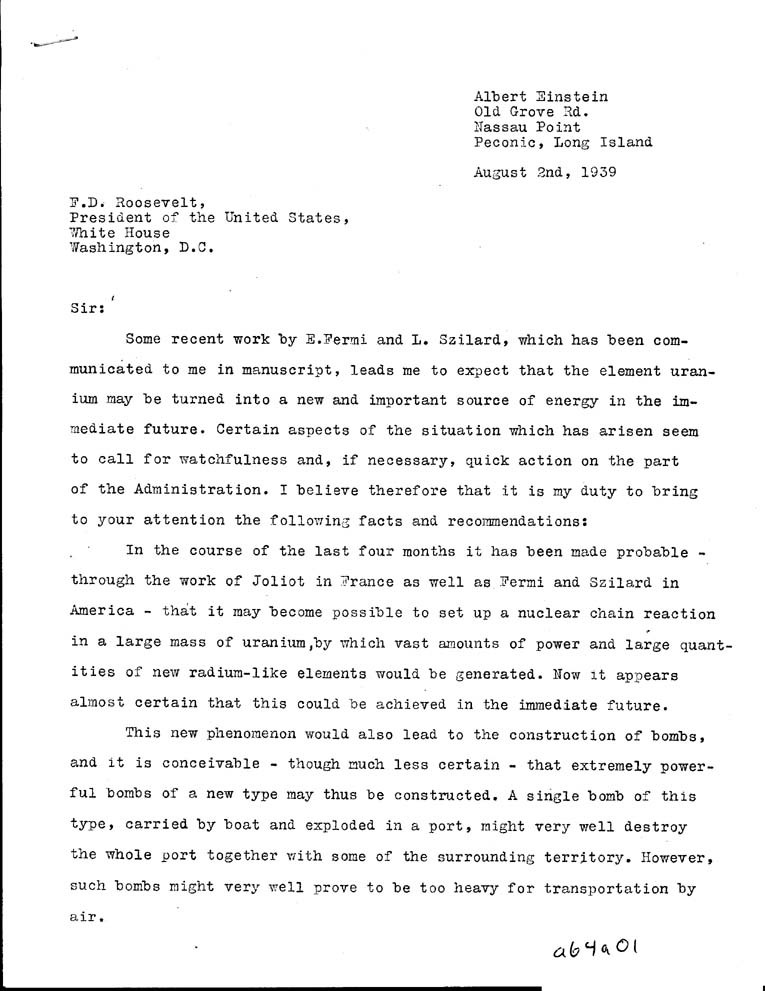
Nuclear weapons and the conscience of physics
The makers’ own second thoughts are part of the record: the Franck Report, Pugwash, the 1983 pastoral, and a stance inside one tradition that moved from conditional tolerance to condemnation of possession within one lifetime.
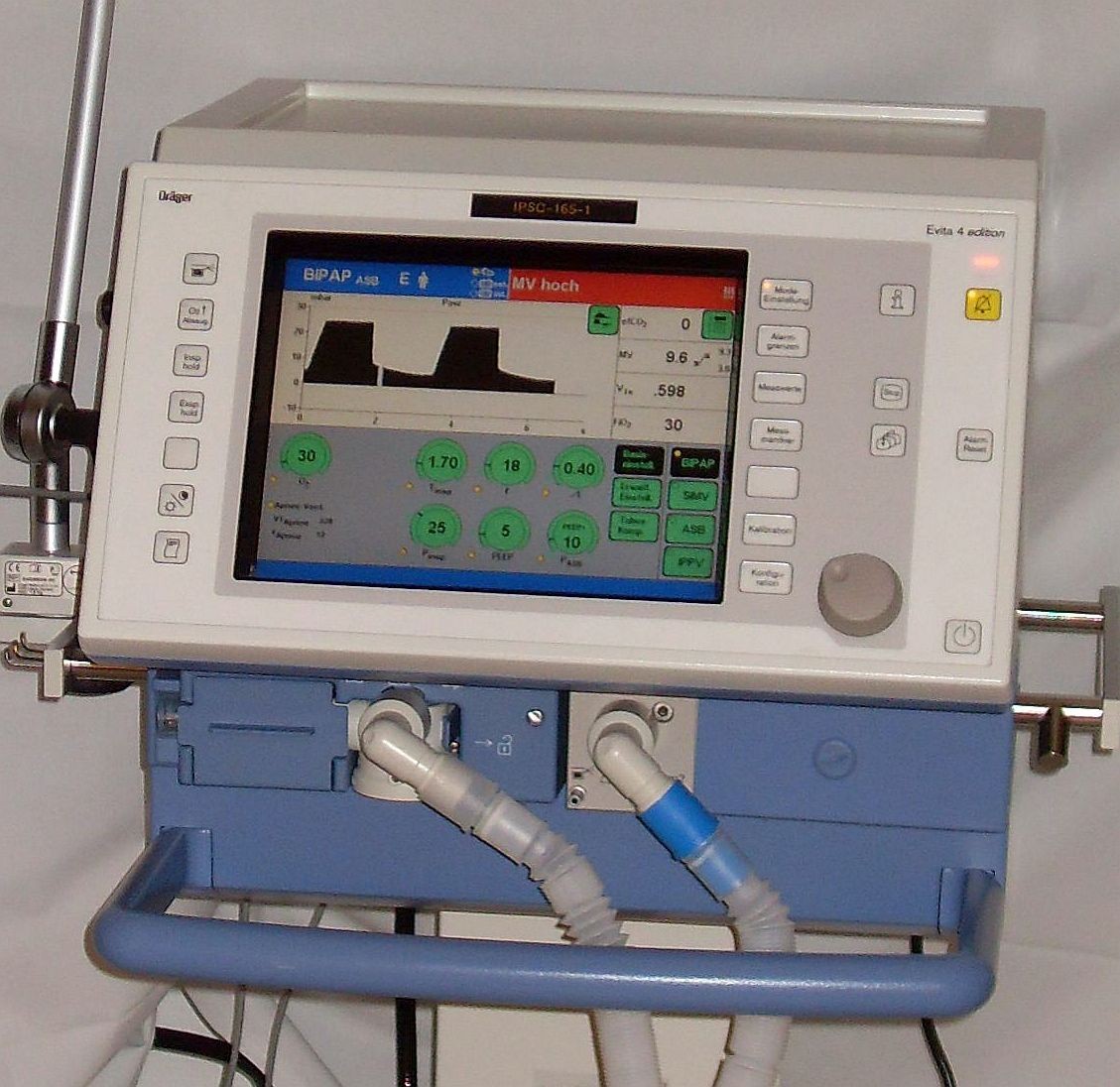 Flashpoint
The limits of medicine
The ventilator meets the ars moriendi: a working consensus against vitalism, hospice as a shared institution with Christian roots, and the assisted-dying argument proceeding jurisdiction by jurisdiction through every tradition’s courts of conscience.
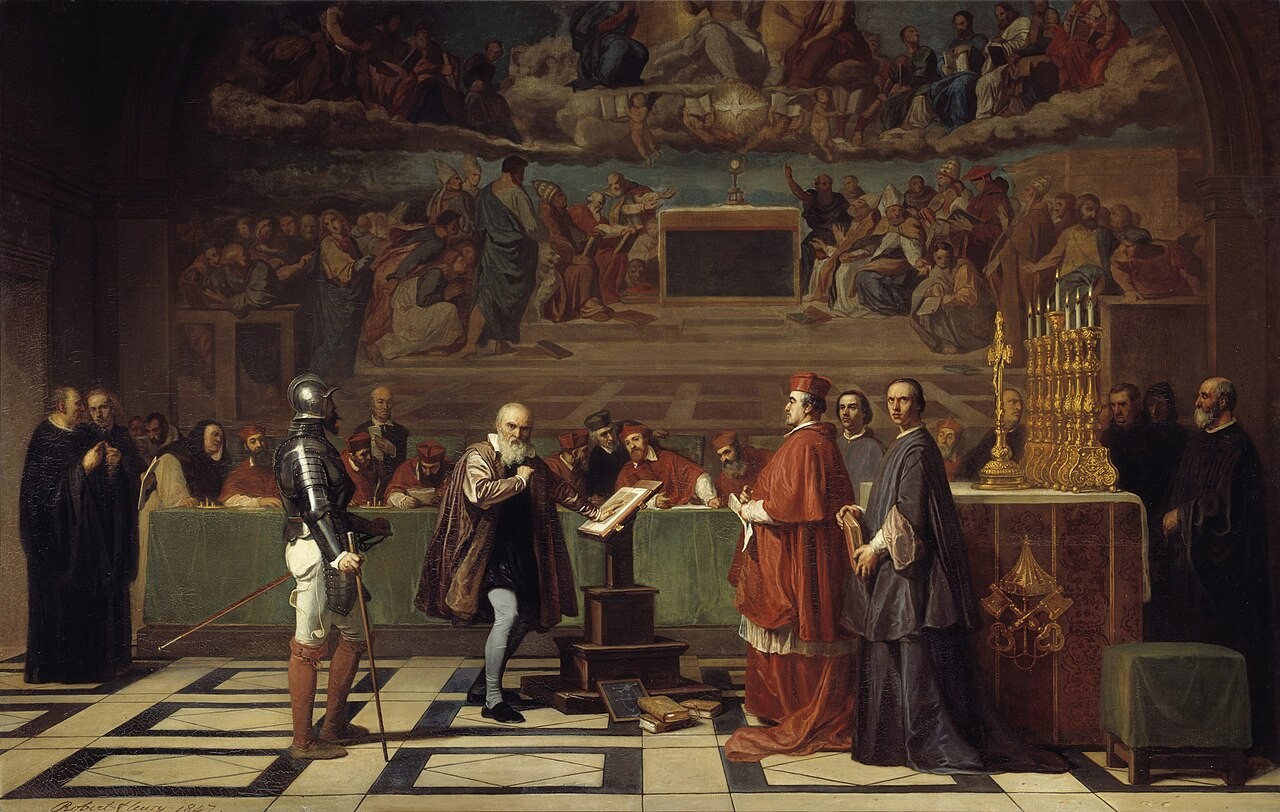 Flashpoint
Science and religious authority
The standing question underneath every era: who may say what the world is like; asked of churches that once licensed cosmology, of states that licensed genetics, and of the markets that license research now.
The Technology Register
21 technologies, each with the traditions' recorded stances and their reasons. Open the register · Compare traditions on one technology
Tradition Profiles
Relationship Models
How science and religion are said to relate; from Conflict to Techno-asceticism. Read the models. The baseline of this section is the Complexity model: no timeless essences, only cases.