Deism

The Deism stream of the Deism timeline.

The Deism dataset follows the religion of nature from Herbert of Cherbury and the English controversies through Toland, Tindal, and the answer of Butler, to Voltaire, the American founders' generation, and the position's long afterlife.

Its thirteen events stand across four eras, ending with Antony Flew's late turn, recorded as the dataset's closing note on the position's modern fortunes.

Periodization
Standard periodization of deist history Source: Byrne, Peter. Natural Religion and the Nature of Religion: The Legacy of Deism. London: Routledge, 1989.
Contested periodization
Whether deism was a movement or a polemical label is contested; the dataset treats it as a position with a traceable literature.
Geographic scope
England first, then France and the early American republic.
Dating caveats
Dates are the publication dates of the works themselves and are documentary.
Internal diversity
English, French, and American deisms differ in temper; the dataset records the differences on the events.
Origin narrative
In preparation. The dataset's founding story will stand here in the three-layer format when its narrative is published.

Sources: Byrne, Peter. Natural Religion and the Nature of Religion: The Legacy of Deism. London: Routledge, 1989.; Barnett, S. J. The Enlightenment and Religion: The Myths of Modernity. Manchester: Manchester University Press, 2003.; Walters, Kerry S. The American Deists: Voices of Reason and Dissent in the Early Republic. Lawrence: University Press of Kansas, 1992.

Streams: All of Deism Deism

English Beginnings

1624

Herbert of Cherbury's De Veritate

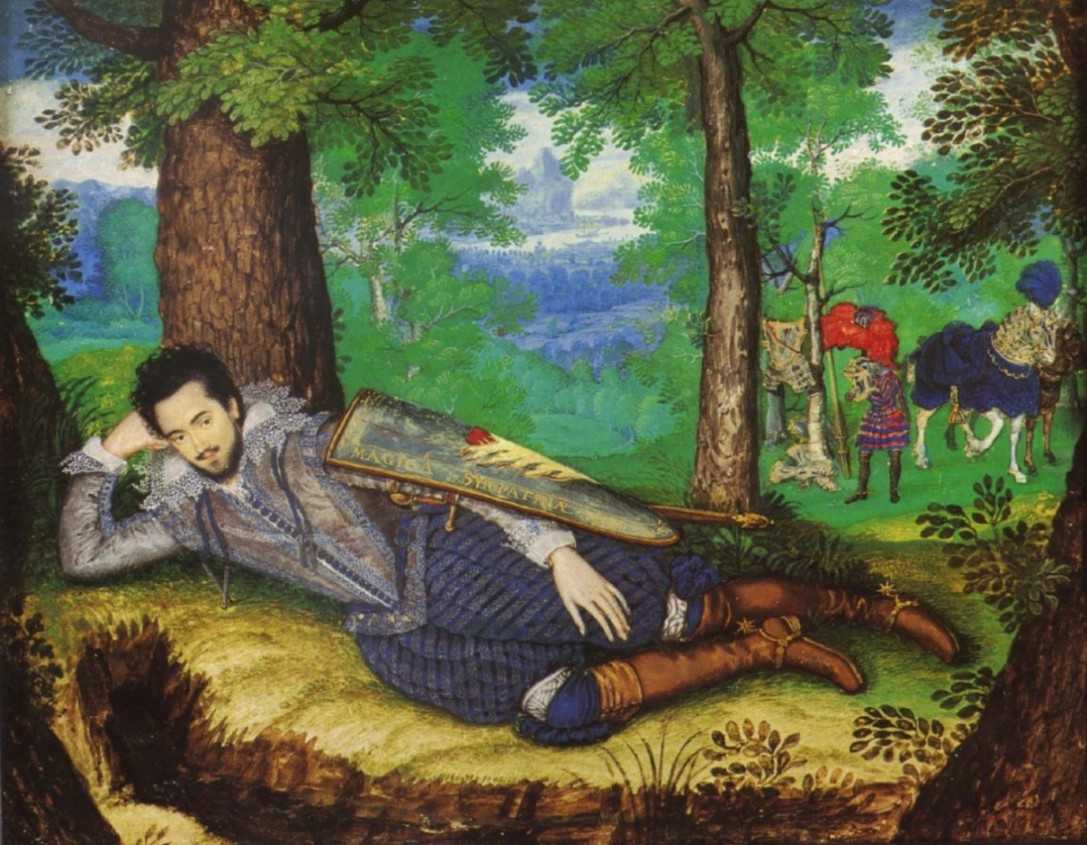
In 1624 Edward Herbert, Lord Herbert of Cherbury, publishes De Veritate in Paris: the founding text of English deism. Herbert argues that religion rests on five common notions inscribed by God in every mind, that truth is known by universal consent, and that revelation adds nothing necessary to what reason already holds.
Paris
1696

Toland's Christianity Not Mysterious

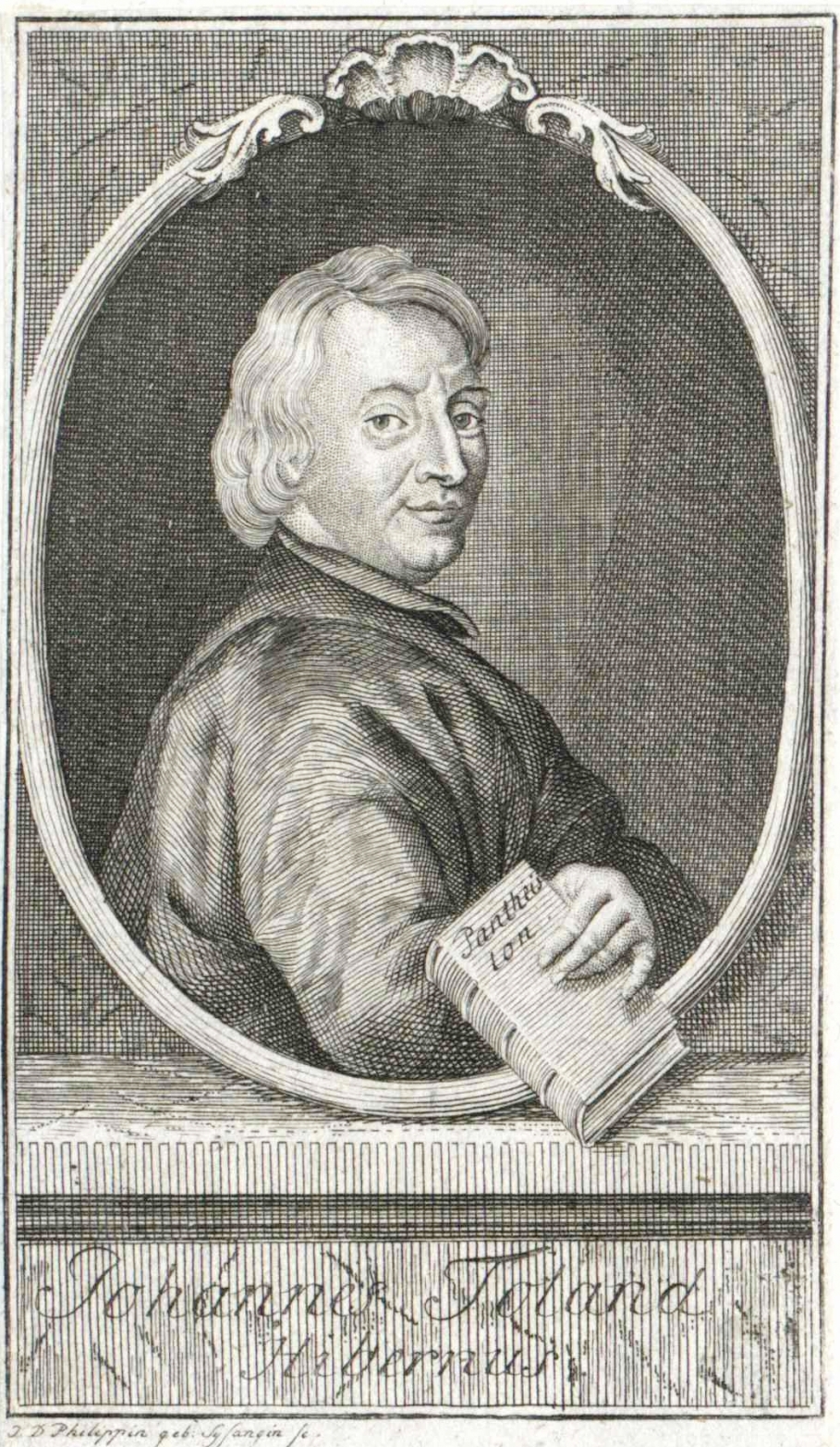
In 1696 John Toland publishes Christianity Not Mysterious, arguing that the gospel contains nothing contrary to reason and nothing above it, and that mystery in religion is a priestly invention. The book is burned by the Irish parliament and its author flees; the deist controversy in Britain begins in earnest.

London

The Deist Controversy

1711

Shaftesbury's Characteristicks

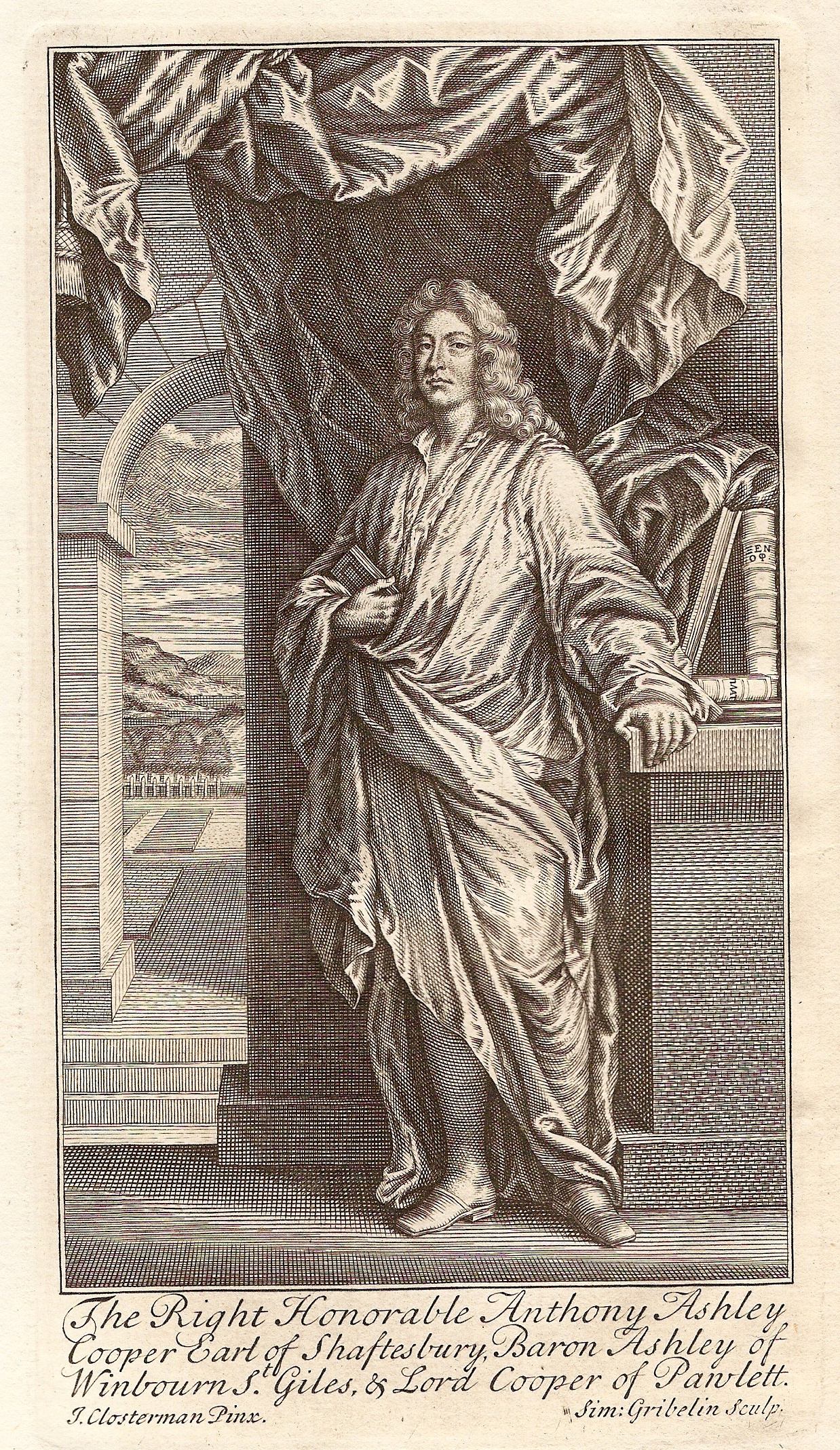
In 1711 the Earl of Shaftesbury's Characteristicks of Men, Manners, Opinions, Times gathers his essays into the deist era's most elegant statement: virtue is natural to man, enthusiasm is to be answered with ridicule and good humor, and true religion needs neither terror nor priestcraft. Shaftesbury gives natural religion its moral and aesthetic form.

London
1713

Collins's Discourse of Free-Thinking

In 1713 Anthony Collins publishes A Discourse of Free-Thinking, occasioned by the rise and growth of a sect called free-thinkers. Collins defends the right to inquire into every doctrine, prophecy included, and the word freethinker becomes the movement's common name in English.

London
1729

Woolston tried for his Discourses on the Miracles

Between 1727 and 1729 Thomas Woolston publishes six Discourses on the Miracles of Our Saviour, reading the gospel miracles as allegory and fraud. In 1729 he is tried for blasphemy, fined, and imprisoned, dying in custody in 1733. The trial is the deist controversy's legal climax in England and a standing case in arguments over blasphemy law.

London
1730

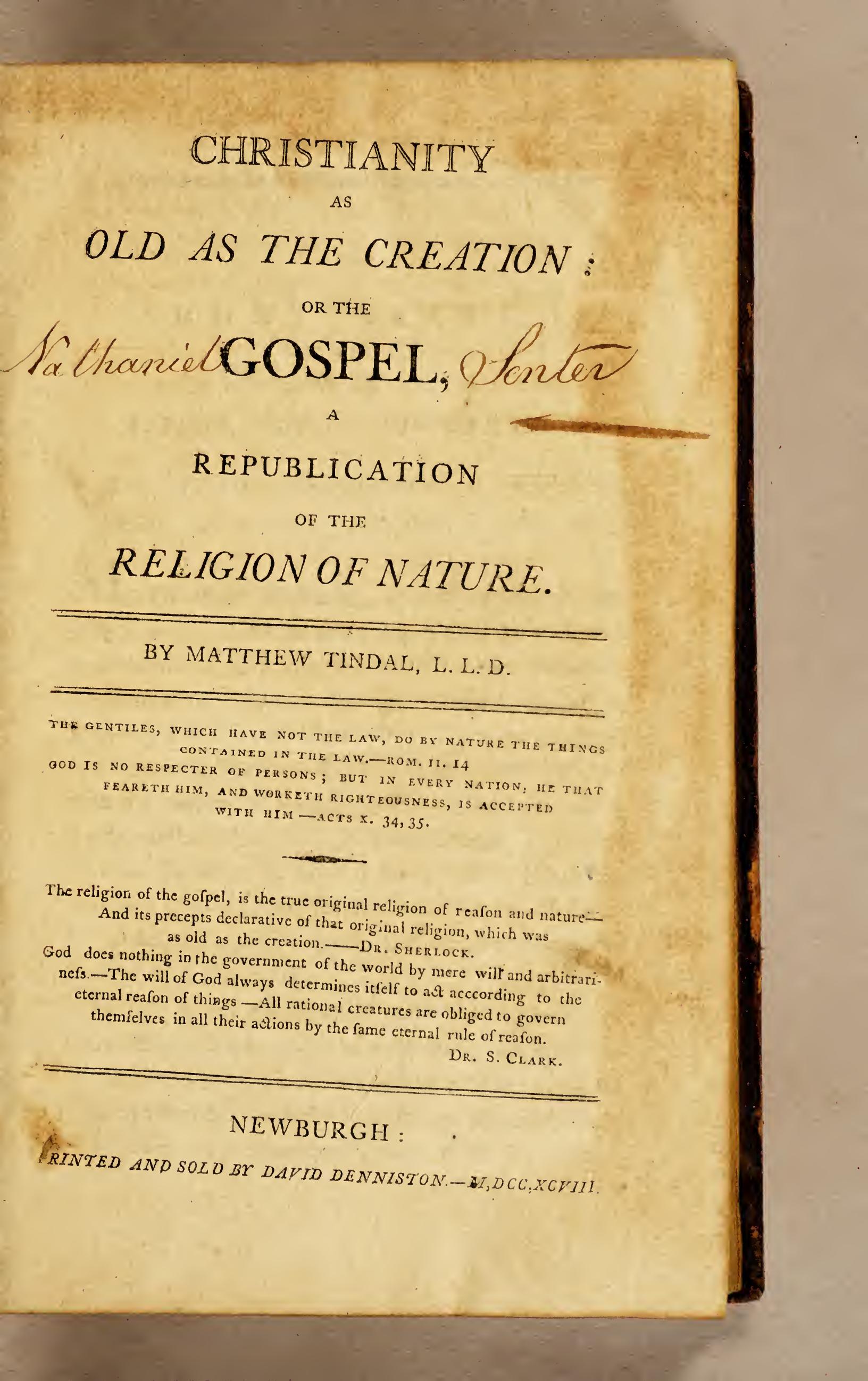
Tindal's Christianity as Old as the Creation

In 1730 Matthew Tindal publishes Christianity as Old as the Creation, called the deist's bible. Tindal argues that the religion of nature is perfect and unchangeable, that revealed religion can only republish it, and that a gospel adding new duties or doctrines beyond reason is thereby disproved. The replies to Tindal fill shelves for a generation.

London
1736

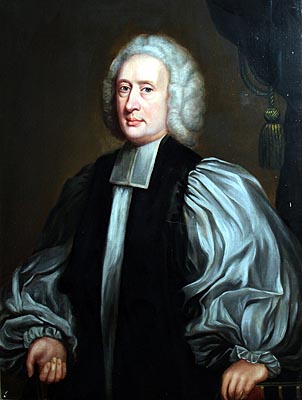
Butler's Analogy of Religion answers the deists

In 1736 Joseph Butler, Bishop of Bristol, publishes The Analogy of Religion, Natural and Revealed. Butler answers the deists on their own ground: the difficulties they urge against revelation, obscurity and apparent arbitrariness, stand equally in the constitution of nature itself. The Analogy becomes the classic orthodox reply and a set text of English theology for a century.

Oxford
1764

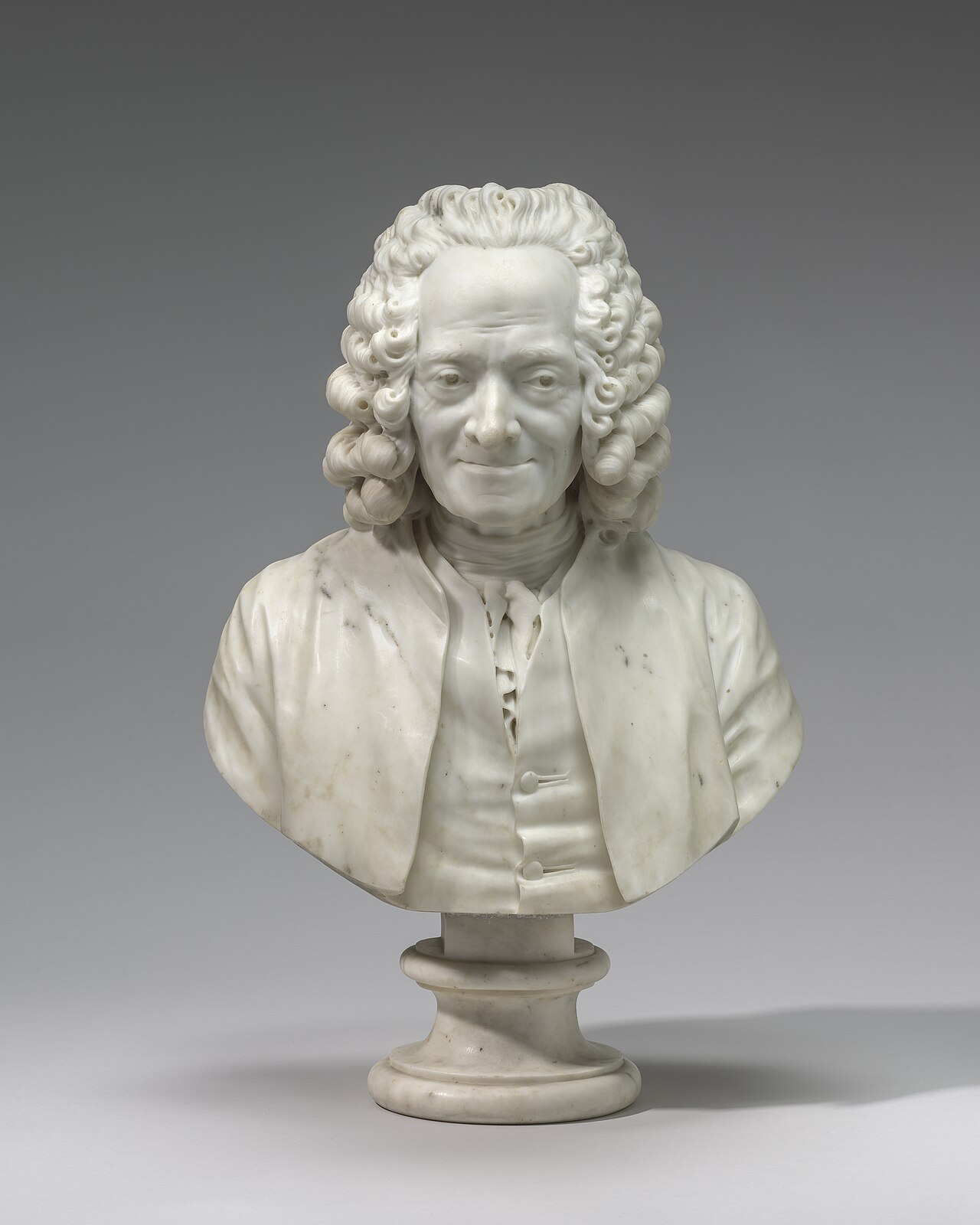
Voltaire's Philosophical Dictionary

In 1764 Voltaire publishes the Philosophical Dictionary, portable format, anonymous: short, brilliant articles against fanaticism, miracles, and persecution, and for a God known by reason and honored by tolerance. Voltaire, who had made his name with the Calas case two years before, becomes the Continent's emblem of deist belief joined to hatred of l'infâme.

Geneva

The Revolutionary Age

1779

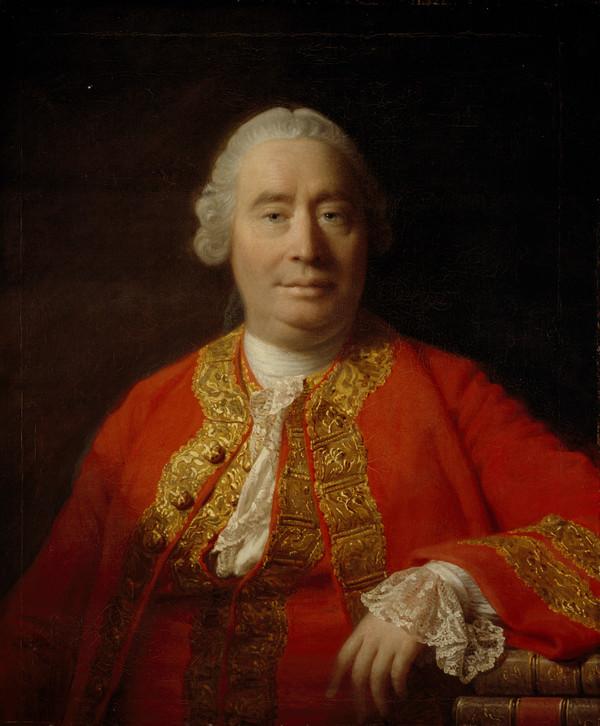
Hume's Dialogues Concerning Natural Religion

In 1779, three years after his death, David Hume's Dialogues Concerning Natural Religion appear. Philo, Cleanthes, and Demea argue the design argument to its foundations, and Philo's skepticism leaves natural religion with, at most, a faint and ambiguous assent. Hume, who had held the book back all his life, becomes in it deism's most dangerous critic from within its own method.

Edinburgh
1784

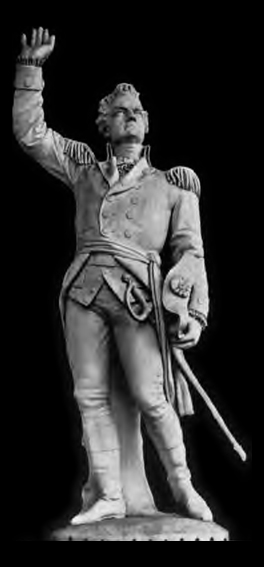
Ethan Allen's Reason, the Only Oracle of Man

In 1784 Ethan Allen, the Vermont soldier of fortune, publishes Reason: The Only Oracle of Man, the first avowedly deist book printed in America. Allen attacks revealed religion root and branch and argues for a God of nature known by reason alone. Much of the edition burns in the printer's shop; the surviving copies make Allen the scandal and banner of American deism.

Bennington
1796

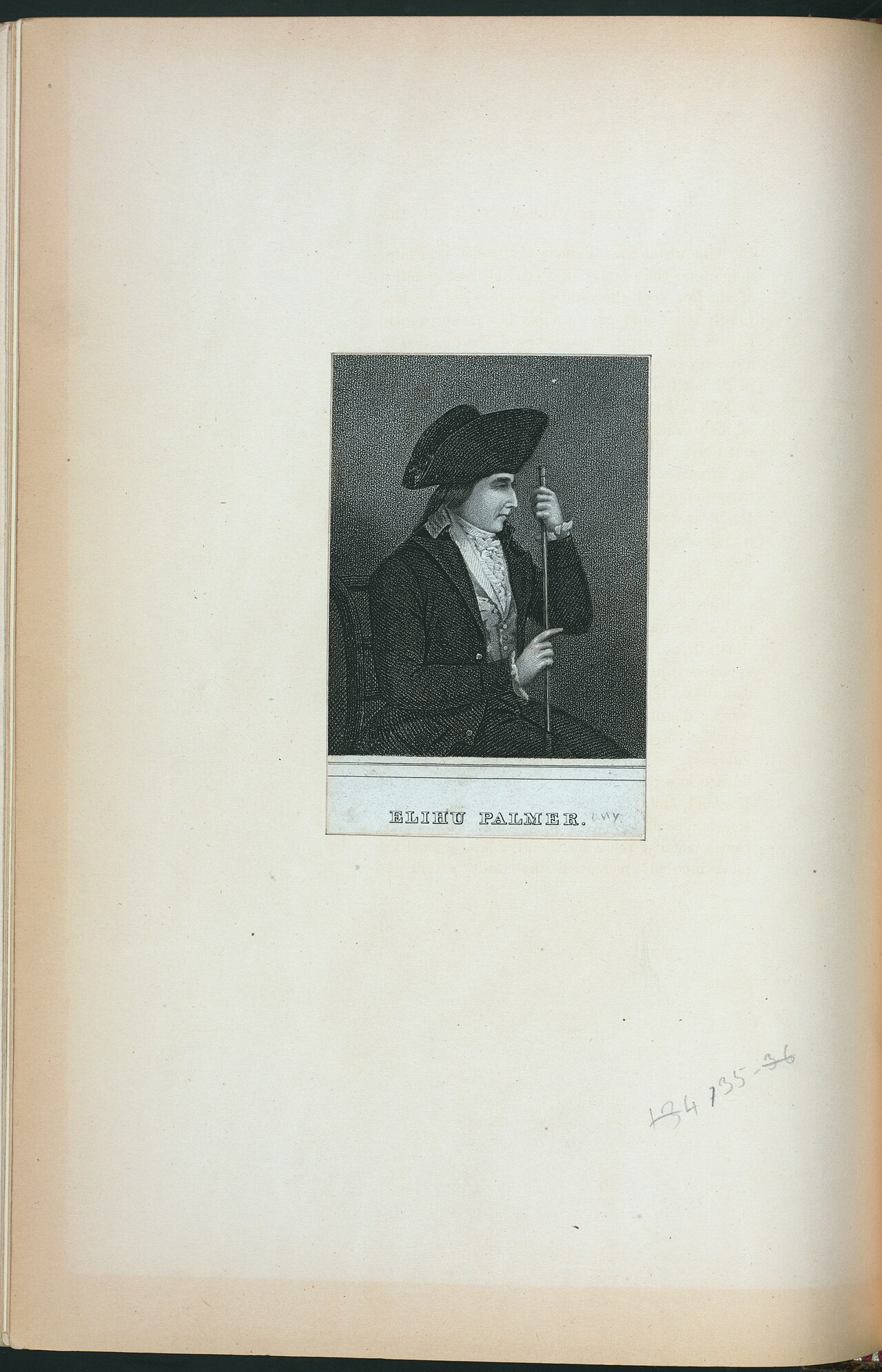
Elihu Palmer founds the Deistical Society

In 1796 Elihu Palmer, a blind itinerant lecturer who had left the Baptist ministry, founds the Deistical Society of New York, the first organized deist body in the United States, with its journal The Temple of Reason from 1800. Palmer's organizing gives American deism an institution, however briefly, beside its books.

New York
1820

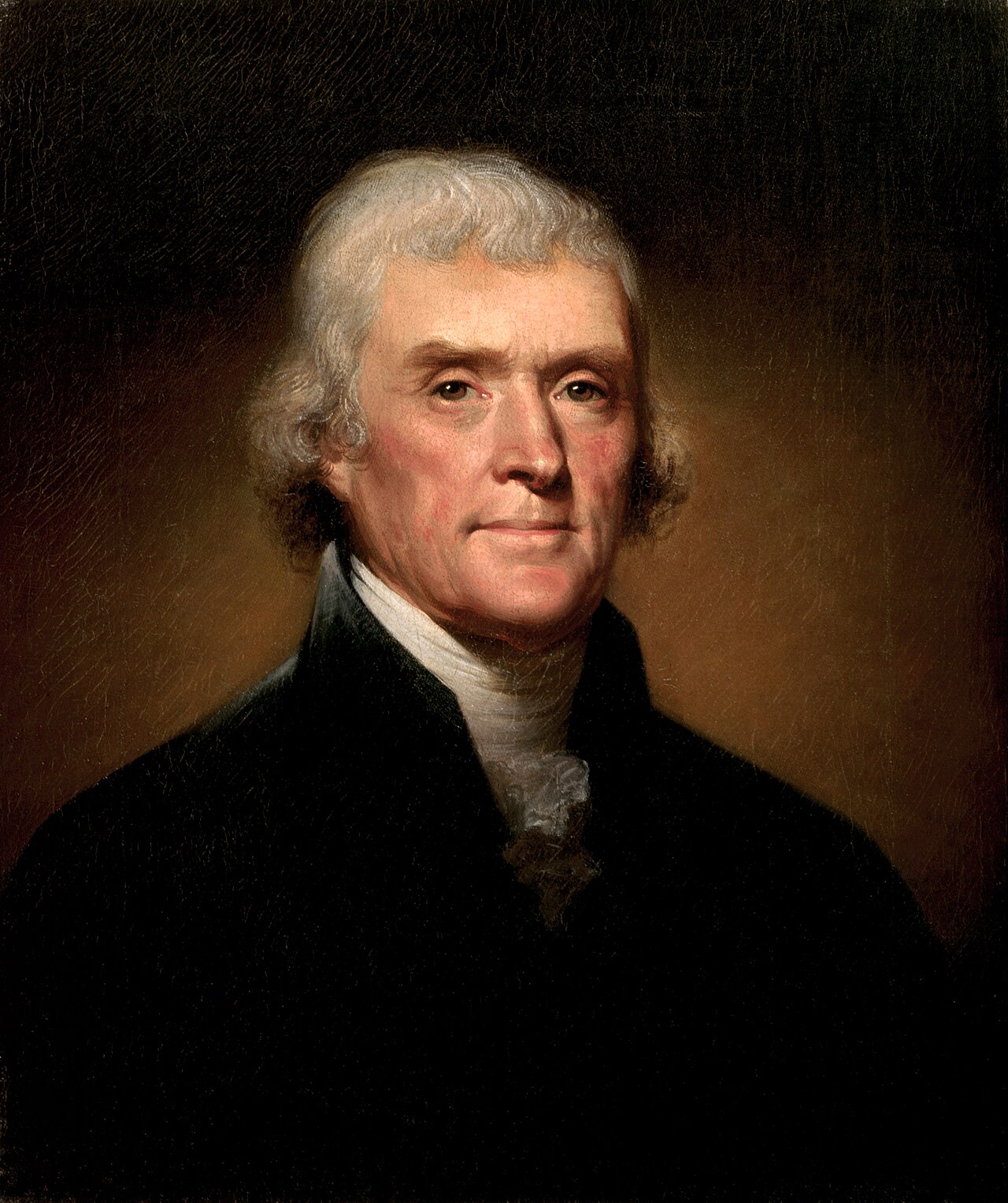
Jefferson completes his Life and Morals of Jesus

In 1820 Thomas Jefferson, in retirement at Monticello, completes The Life and Morals of Jesus of Nazareth: the gospel narratives cut and pasted into a single life of Jesus with the miracles, the resurrection, and every supernatural claim removed. Jefferson, who had called himself a Christian in the sole sense Jesus wished disciples to be, leaves the book unpublished; it is printed by the government in 1904.

Monticello

Decline and Legacy

2004

Antony Flew announces a deist belief

In 2004 Antony Flew, for decades the most prominent philosophical defender of atheism, announces that he has come to believe in a God of the Aristotelian kind: an intelligence behind the laws of nature who does not intervene in the world. Flew calls the position deism and publishes his account in There Is a God in 2007. The announcement is contested by his former allies and stands as the word deism's most noted modern use.

Reading