

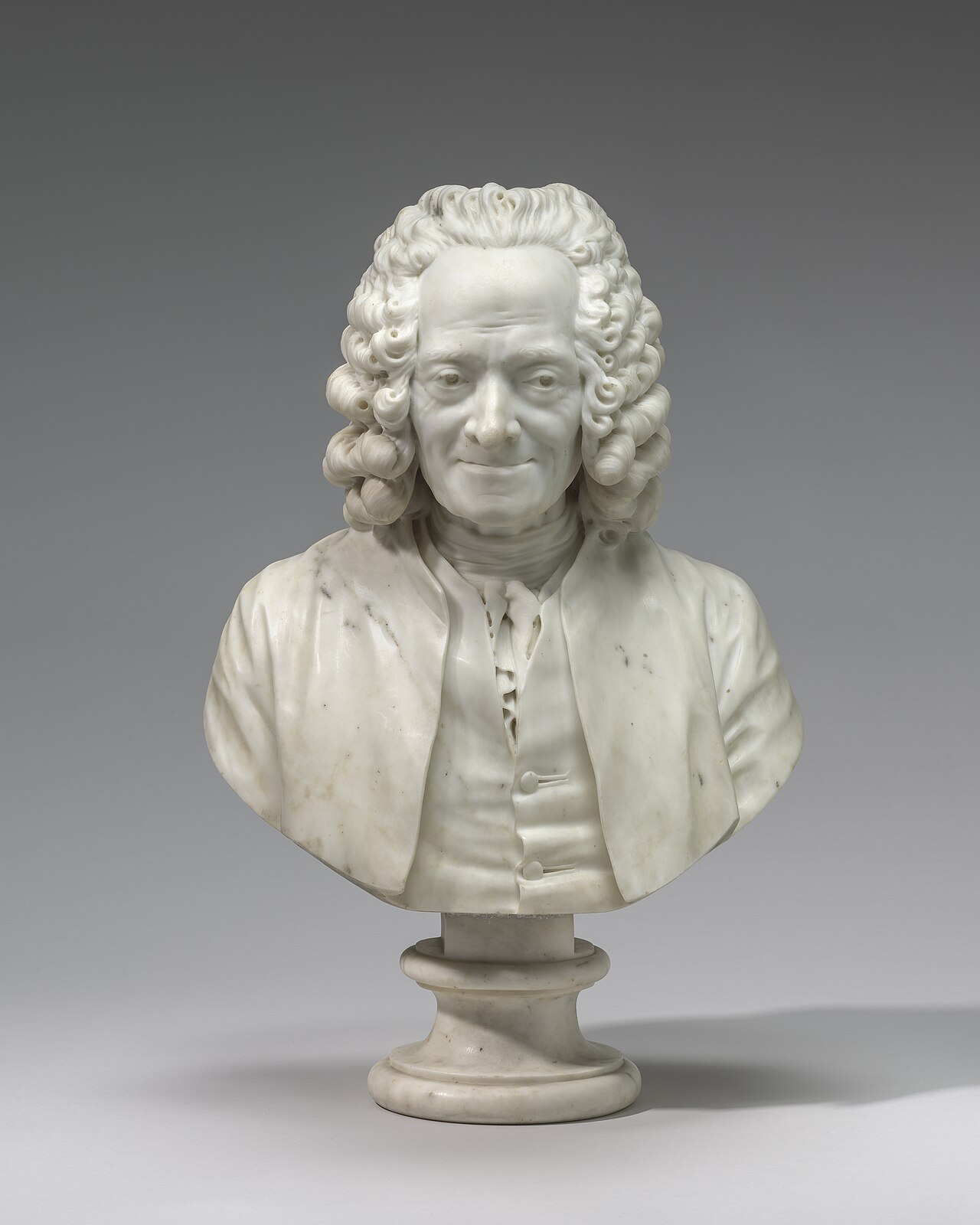
In 1764 Voltaire publishes the Philosophical Dictionary, portable format, anonymous: short, brilliant articles against fanaticism, miracles, and persecution, and for a God known by reason and honored by tolerance. Voltaire, who had made his name with the Calas case two years before, becomes the Continent's emblem of deist belief joined to hatred of l'infâme.
Tagged: Deism
The Event
- Date
- 1764 (exact)
- Era
- The Deist Controversy; Standard periodization of deist history
- Location
- Geneva; today Geneva, Switzerland
- Traditions
- Deism
- Streams
- Deism
- Key figures
- Voltaire
- Key texts
- Dictionnaire philosophique
Primary Sources
- Voltaire. Dictionnaire philosophique portatif. Geneva, 1764.
Secondary Sources
- Barnett, S. J. The Enlightenment and Religion: The Myths of Modernity. Manchester: Manchester University Press, 2003.
- Byrne, Peter. Natural Religion and the Nature of Religion: The Legacy of Deism. London: Routledge, 1989.
- Walters, Kerry S. The American Deists: Voices of Reason and Dissent in the Early Republic. Lawrence: University Press of Kansas, 1992.
Provenance: HIST-1366; confidence 0.95; accessed 2026-10-30.
Related on This Site
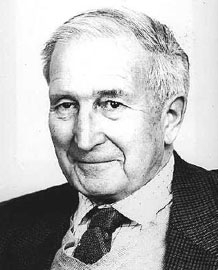 History Event
Antony Flew announces a deist belief
2004
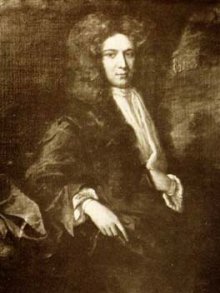 History Event
Collins's Discourse of Free-Thinking
1713
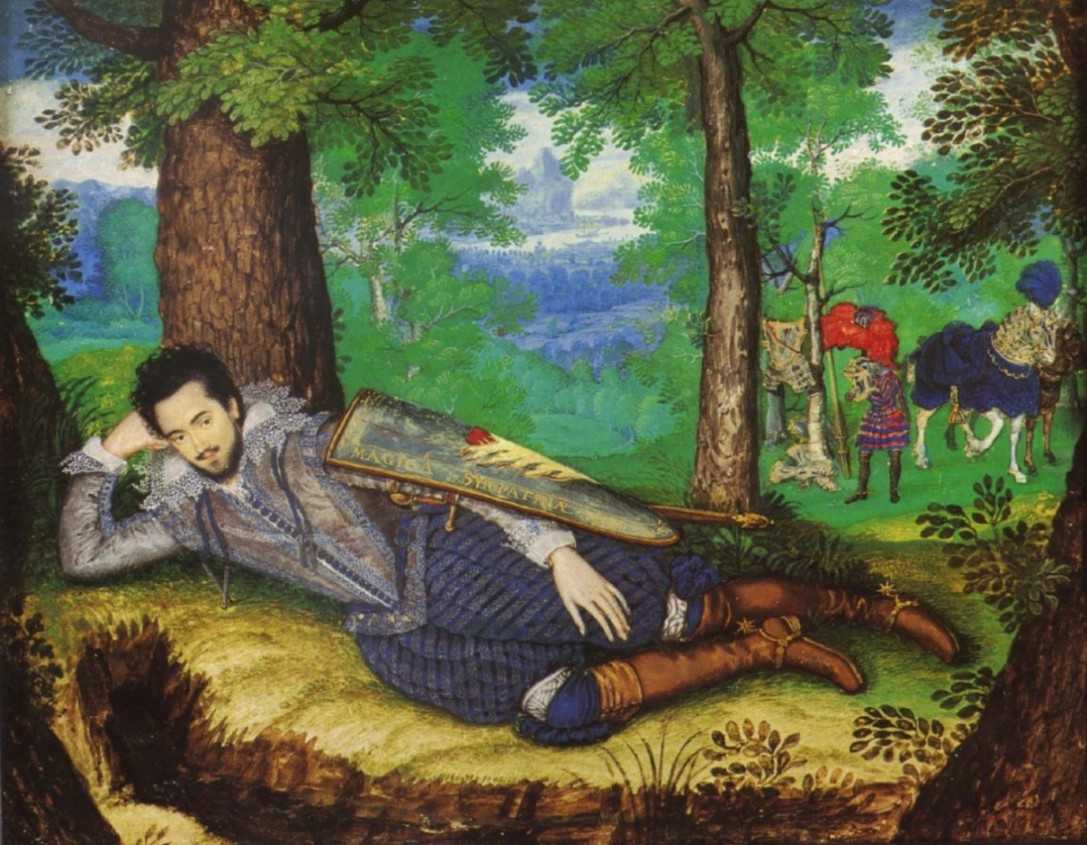 History Event
Herbert of Cherbury's De Veritate
1624
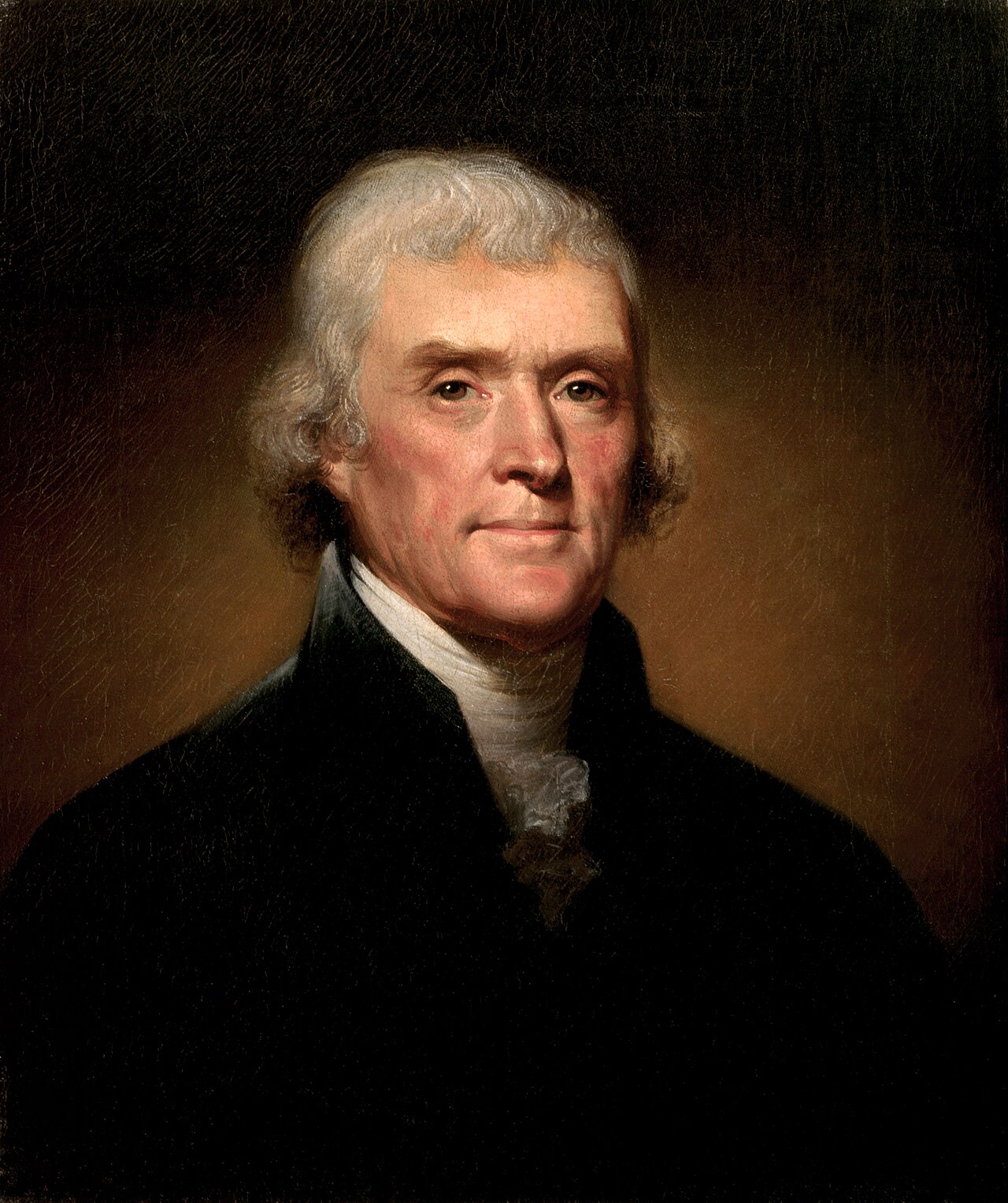 History Event
Jefferson completes his Life and Morals of Jesus
1820
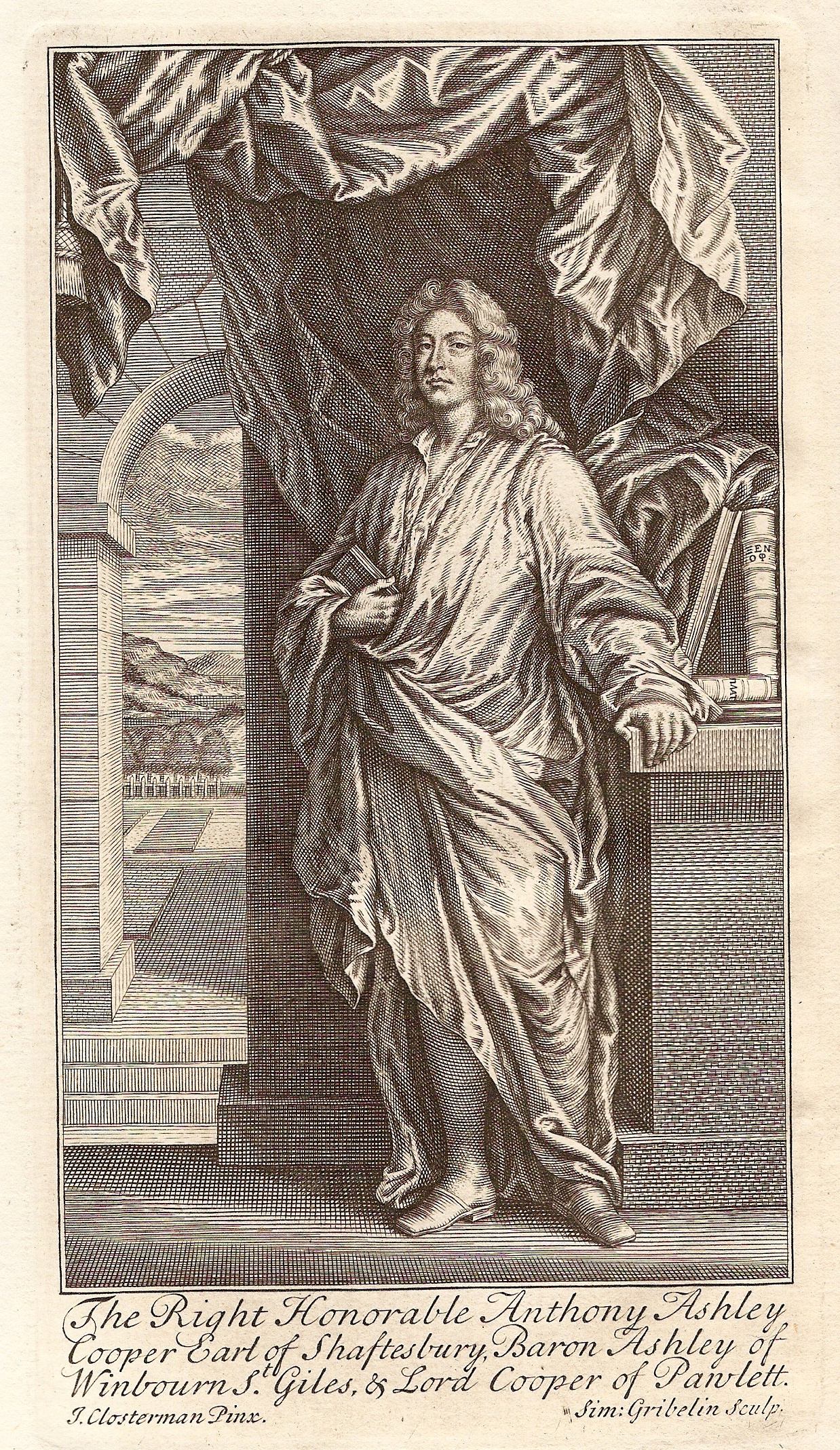 History Event
Shaftesbury's Characteristicks
1711
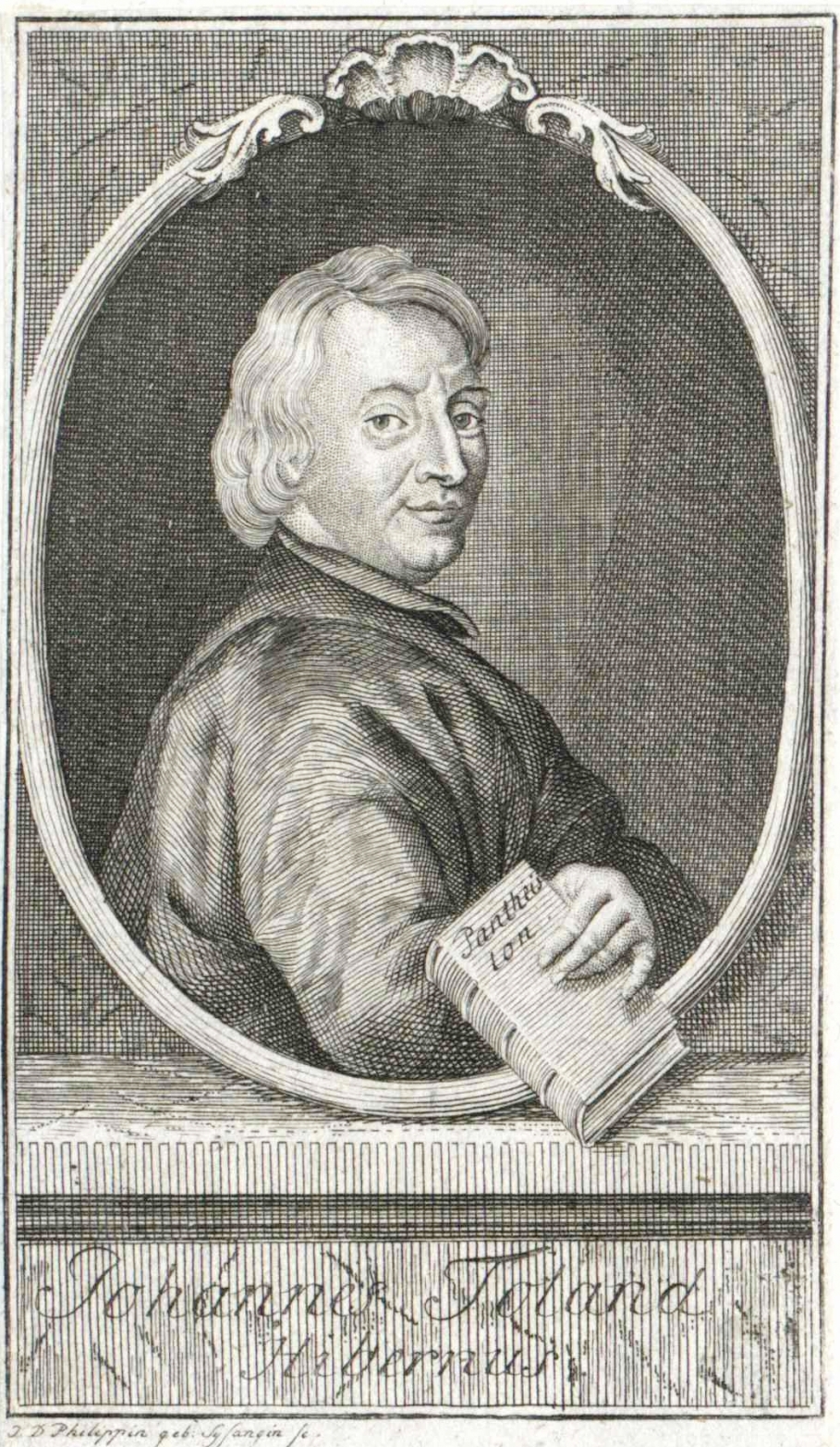 History Event
Toland's Christianity Not Mysterious
1696
No image; the post explains why
History Event
Woolston tried for his Discourses on the Miracles
1729
 World View
Deism
Deism holds that reason and nature reveal one Creator who made the world and its laws, then left it to run without miracles or special revelation.