Catholicism

The Catholicism timeline in the History of Worldviews.

Streams: All of Catholicism Catholic

The Medieval Papacy

1075

Gregory VII issues the Dictatus Papae

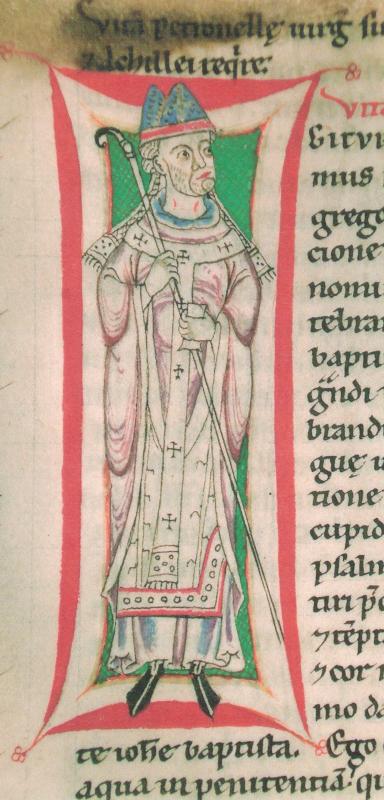
In 1075 a list of twenty seven propositions, the Dictatus Papae, is entered in Pope Gregory VII's register. It claims that the Roman pontiff alone can depose emperors, that the Roman church has never erred and never will, and that the pope may absolve subjects from allegiance to unjust rulers. The claims frame the Investiture Contest and the high medieval papacy's doctrine of its own primacy.
Rome
1122

The Concordat of Worms

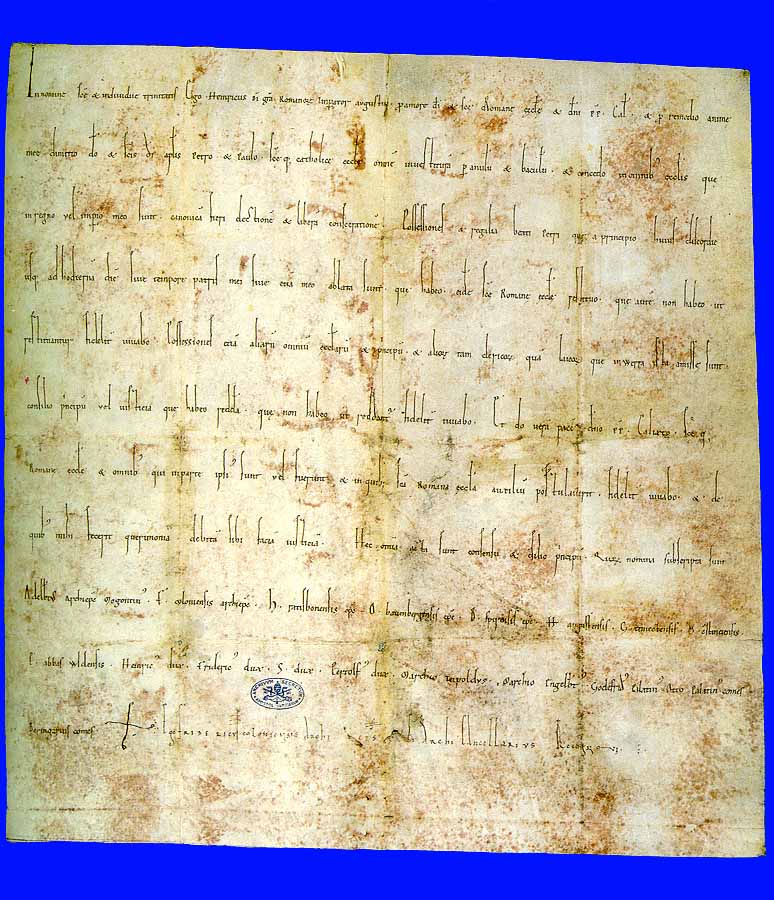
In September 1122 Pope Calixtus II and Emperor Henry V settle the Investiture Contest at Worms. The emperor renounces investiture with ring and staff and grants free episcopal elections; the pope concedes the emperor a voice in elections in Germany and investiture with the temporal regalia. The settlement distinguishes spiritual from temporal authority in the Latin church's public law.

Worms
1300

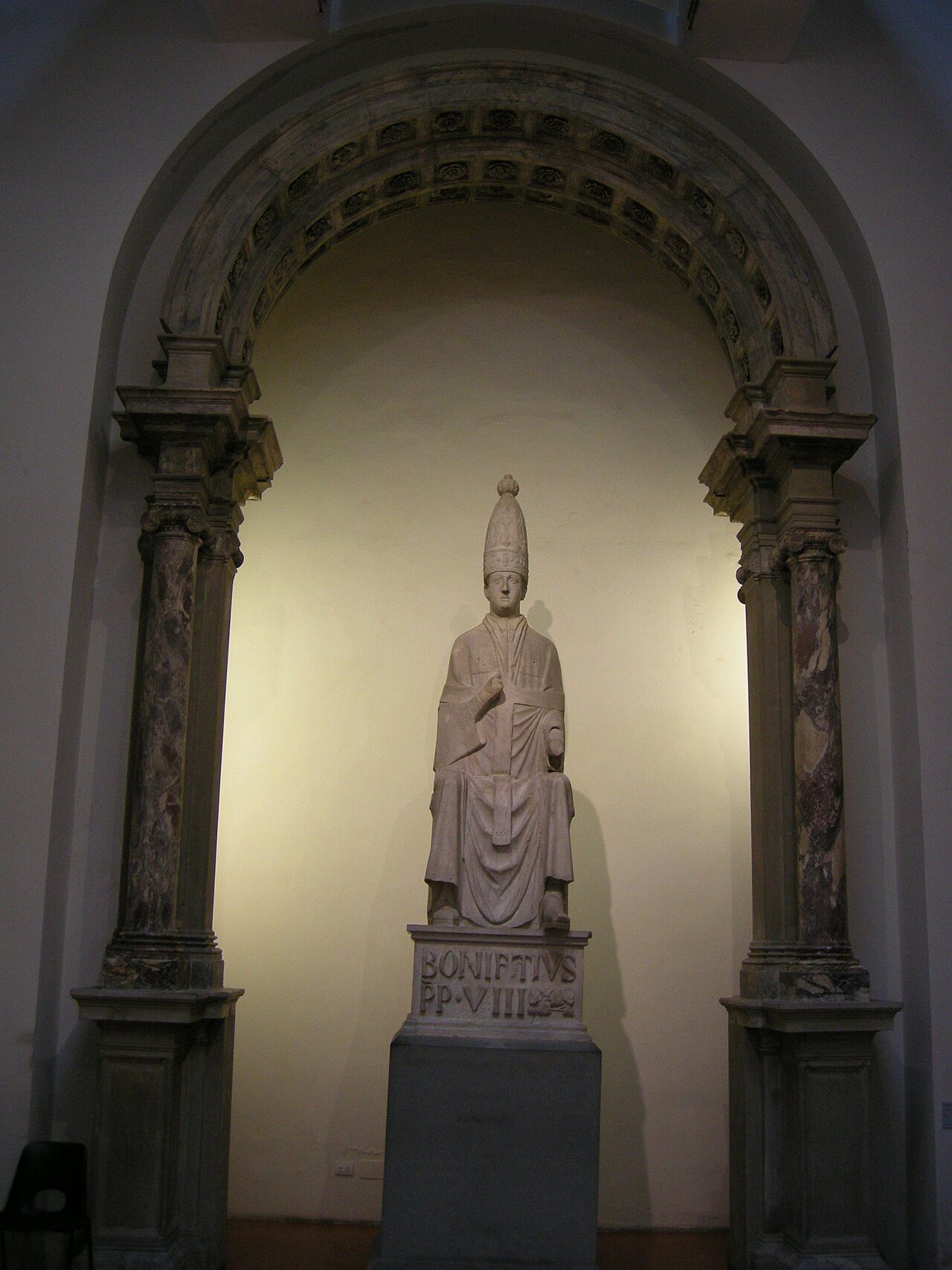
Boniface VIII proclaims the first Roman Jubilee

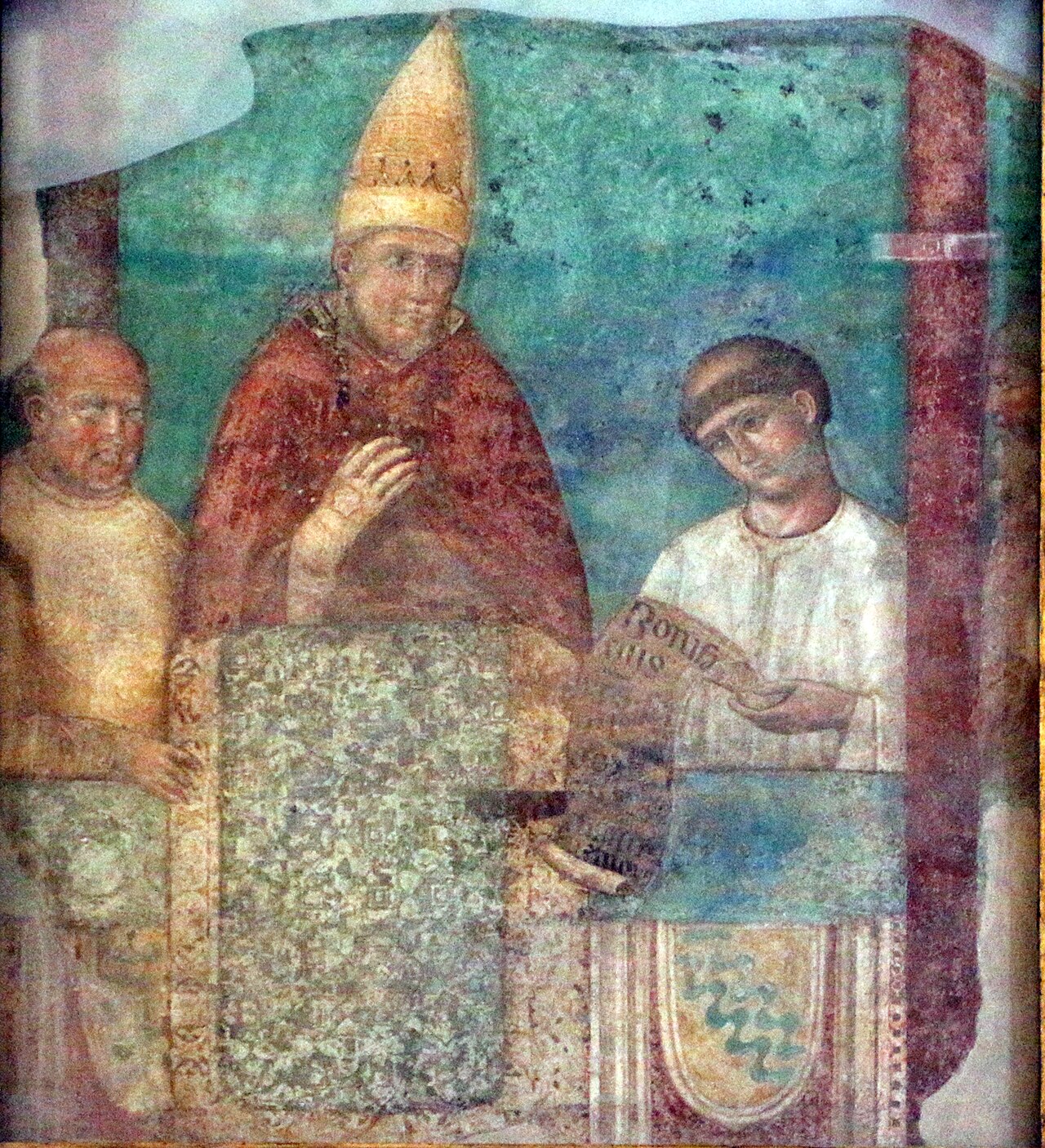
In February 1300 Boniface VIII proclaims the first Roman Jubilee, granting a plenary indulgence to pilgrims who visit the basilicas of St Peter and St Paul. Crowds from across Europe fill Rome, and the jubilee becomes a recurring institution of Catholic devotion and of the papal city's economy, kept at intervals ever since.

Rome
1302

Boniface VIII issues Unam Sanctam

In November 1302, in his conflict with Philip IV of France, Boniface VIII issues the bull Unam Sanctam. It teaches the church as one body under one head and declares that subjection to the Roman pontiff is altogether necessary for salvation for every human creature. The bull is the high water mark of medieval claims for papal authority over temporal rulers.

Rome

Reformation and Counter-Reformation

1545–1563

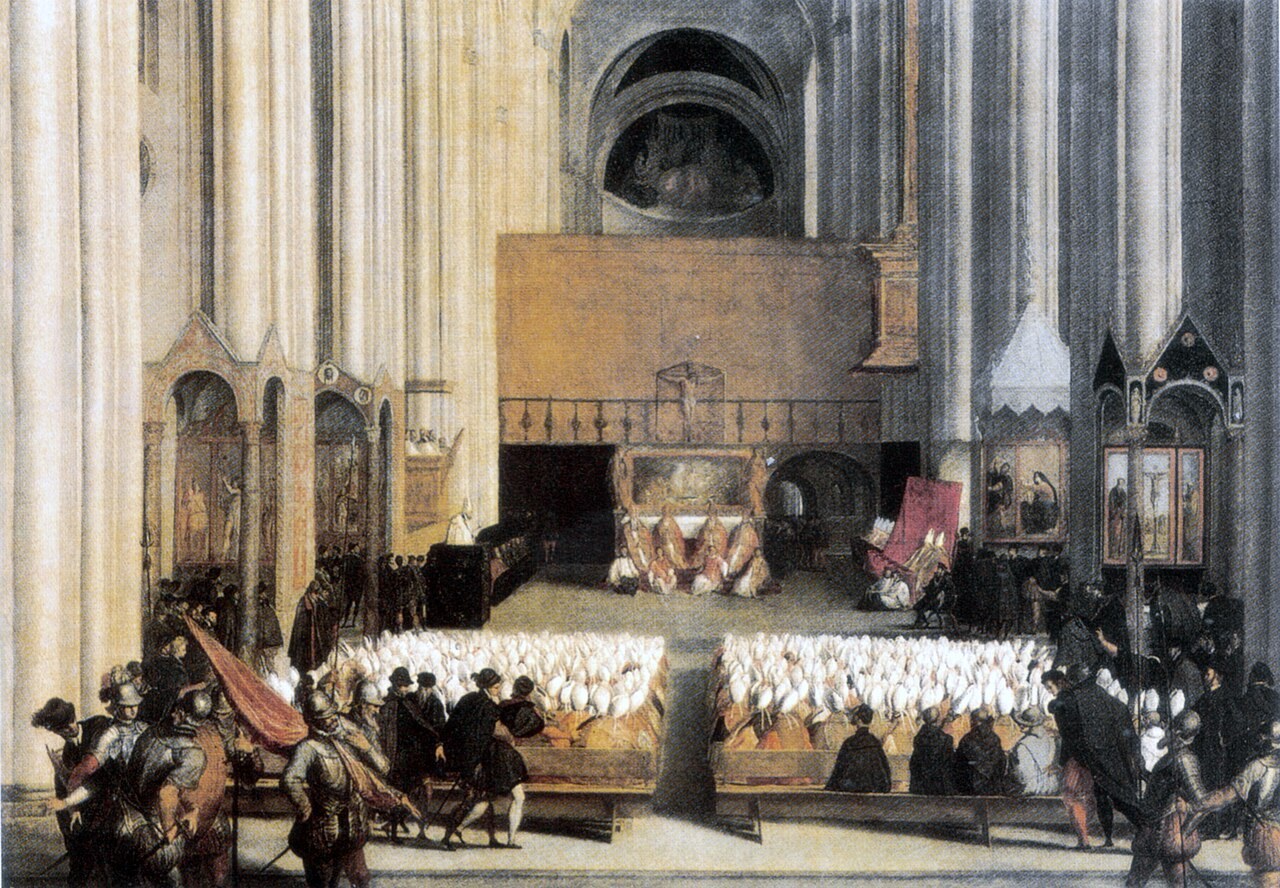
Council of Trent

Across eighteen years and three convocations, Trent defines Catholic doctrine against the Reformation and reforms the clergy; the Tridentine settlement governs Catholic life for four centuries.

Trent
1566

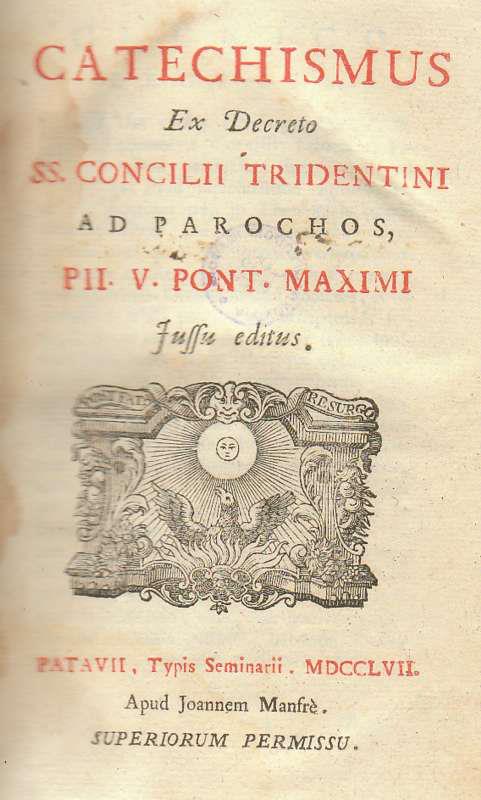
The Roman Catechism is published

In 1566, by order of the Council of Trent and under Pius V, the Roman Catechism appears: a systematic exposition of the creed, the sacraments, the commandments, and prayer, addressed to parish priests. It standardizes Catholic teaching for the confessional age and remains a reference of Catholic doctrine for four centuries.

Rome
1582

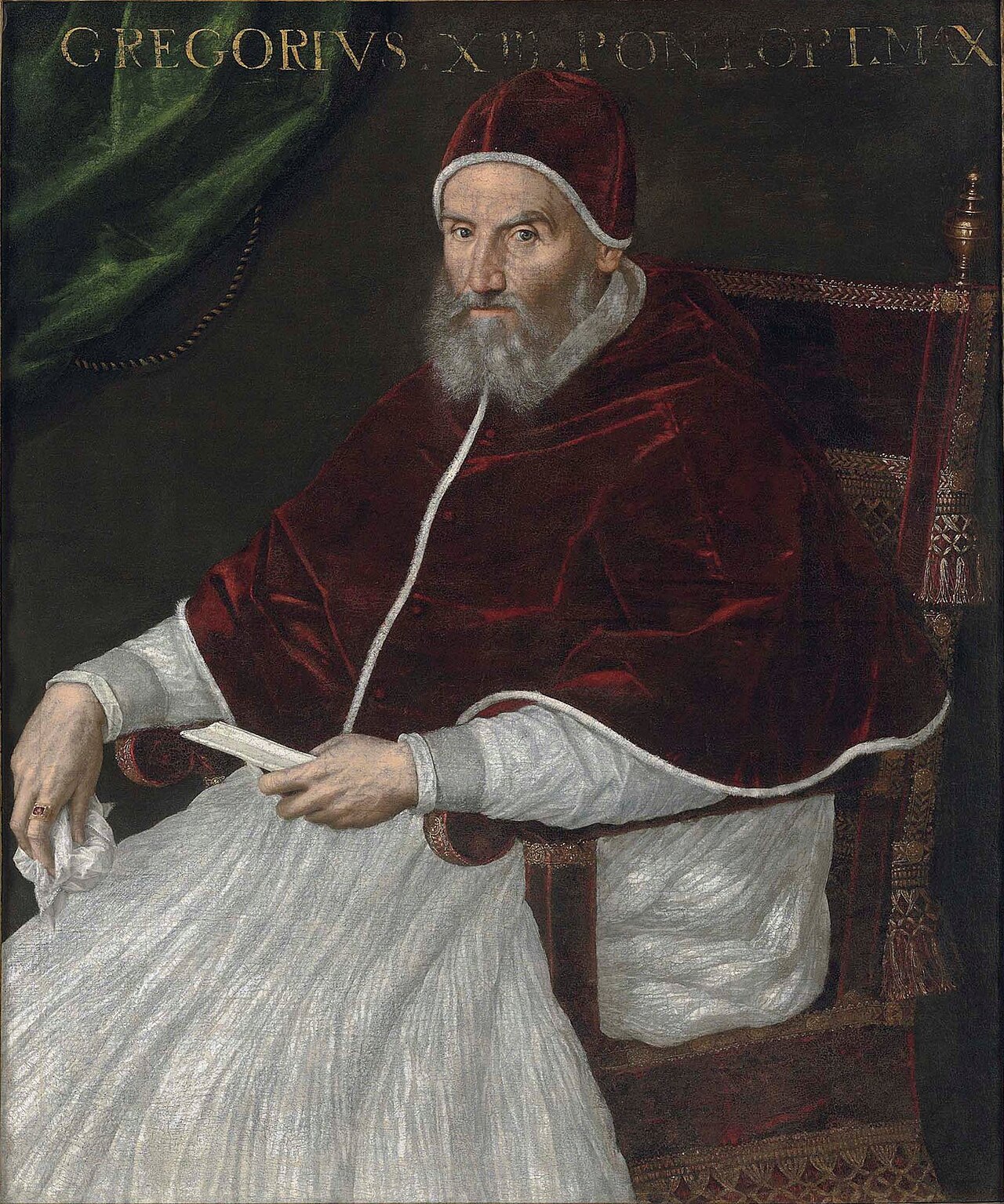
Gregory XIII reforms the calendar

In February 1582 Gregory XIII's bull Inter gravissimas reforms the Julian calendar, removing ten days that October and correcting the leap year rule. Catholic states adopt the Gregorian calendar at once; Protestant and Orthodox lands follow over the following centuries, and it becomes the civil calendar of the world.

Rome
1622

The Congregation for the Propagation of the Faith

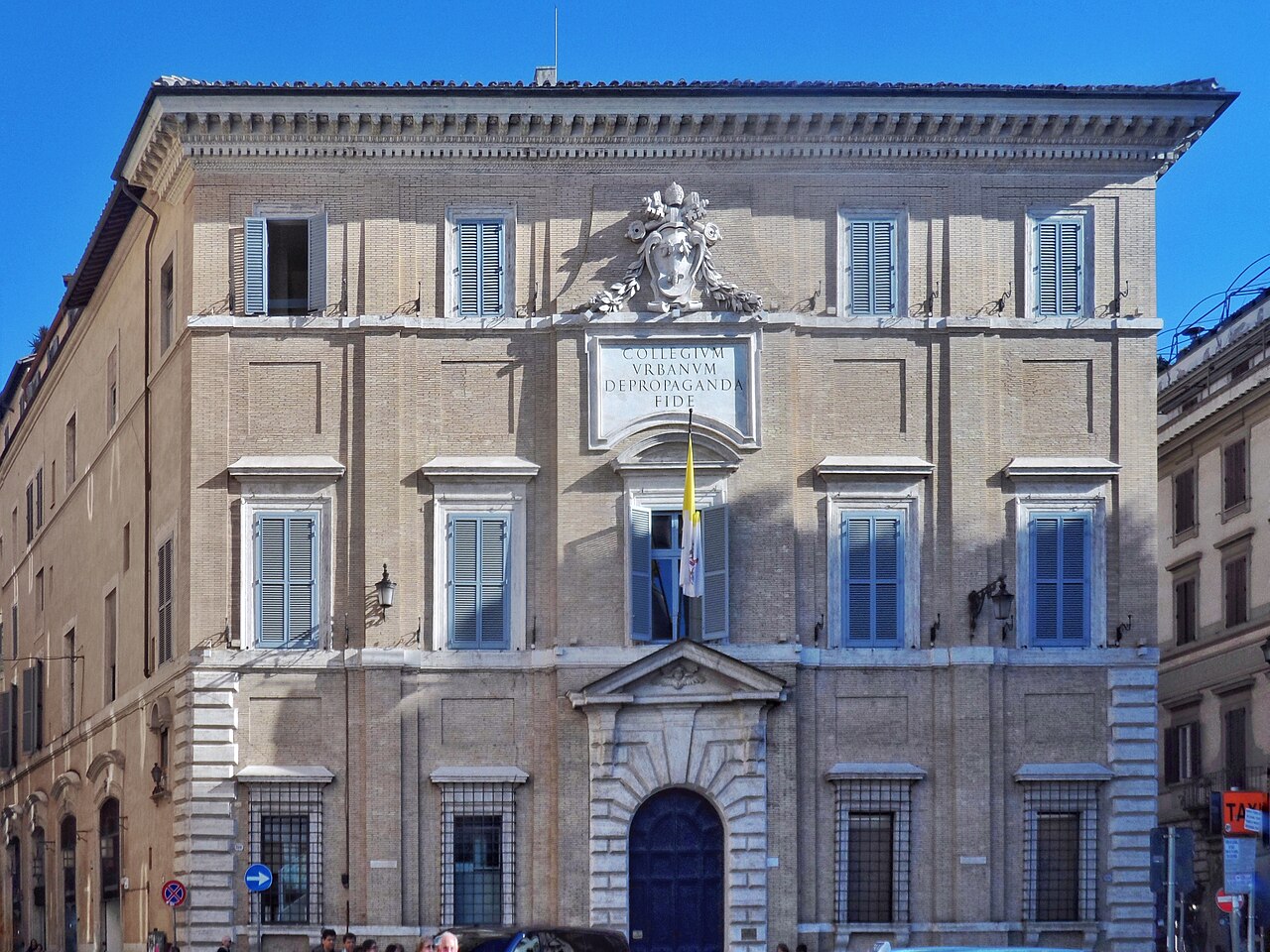
In 1622 Gregory XV founds the Congregation for the Propagation of the Faith, the Propaganda, to direct the Catholic missions worldwide under Rome rather than under the Spanish and Portuguese crowns. It trains clergy at the Urban College, prints catechisms in the languages of Asia and the Americas, and becomes the engine of the church's global expansion.

Rome

The Confessional Age

1713

Unigenitus condemns Jansenism

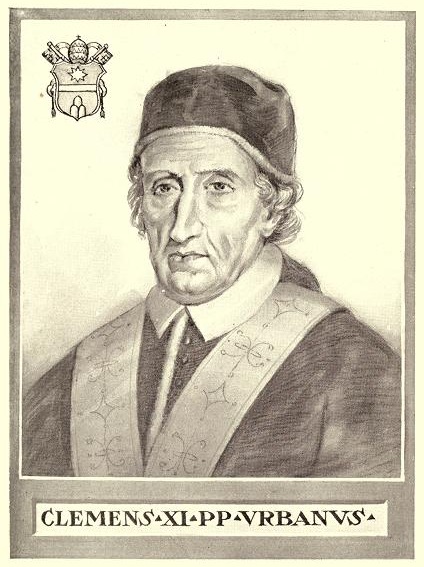
In September 1713 Clement XI's bull Unigenitus condemns one hundred and one propositions drawn from Pasquier Quesnel's Jansenist writings. The bull settles the doctrine in Rome's favor and opens a century of conflict in France, where Gallican and Jansenist resistance to its reception becomes a standing quarrel between the French church and the papacy.

Rome
1773

Clement XIV suppresses the Jesuits

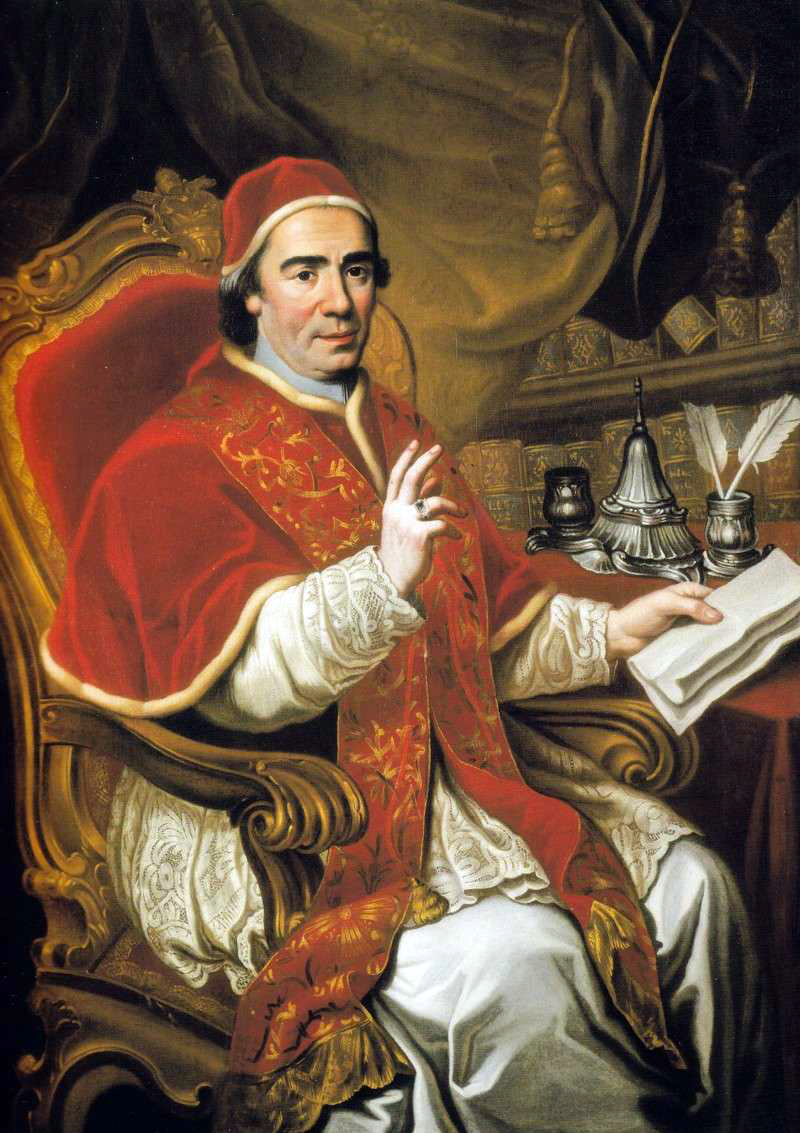
Under sustained pressure from the Bourbon courts, which had expelled the Society of Jesus from Portugal, France, and Spain, Clement XIV's brief Dominus ac Redemptor of July 1773 suppresses the order everywhere. Some five and twenty thousand Jesuits are dispersed; the order survives only where the brief goes unpublished, in Prussia and Russia, until its universal restoration in 1814.

Rome

Revolution and the Nineteenth Century

1790

The Civil Constitution of the Clergy

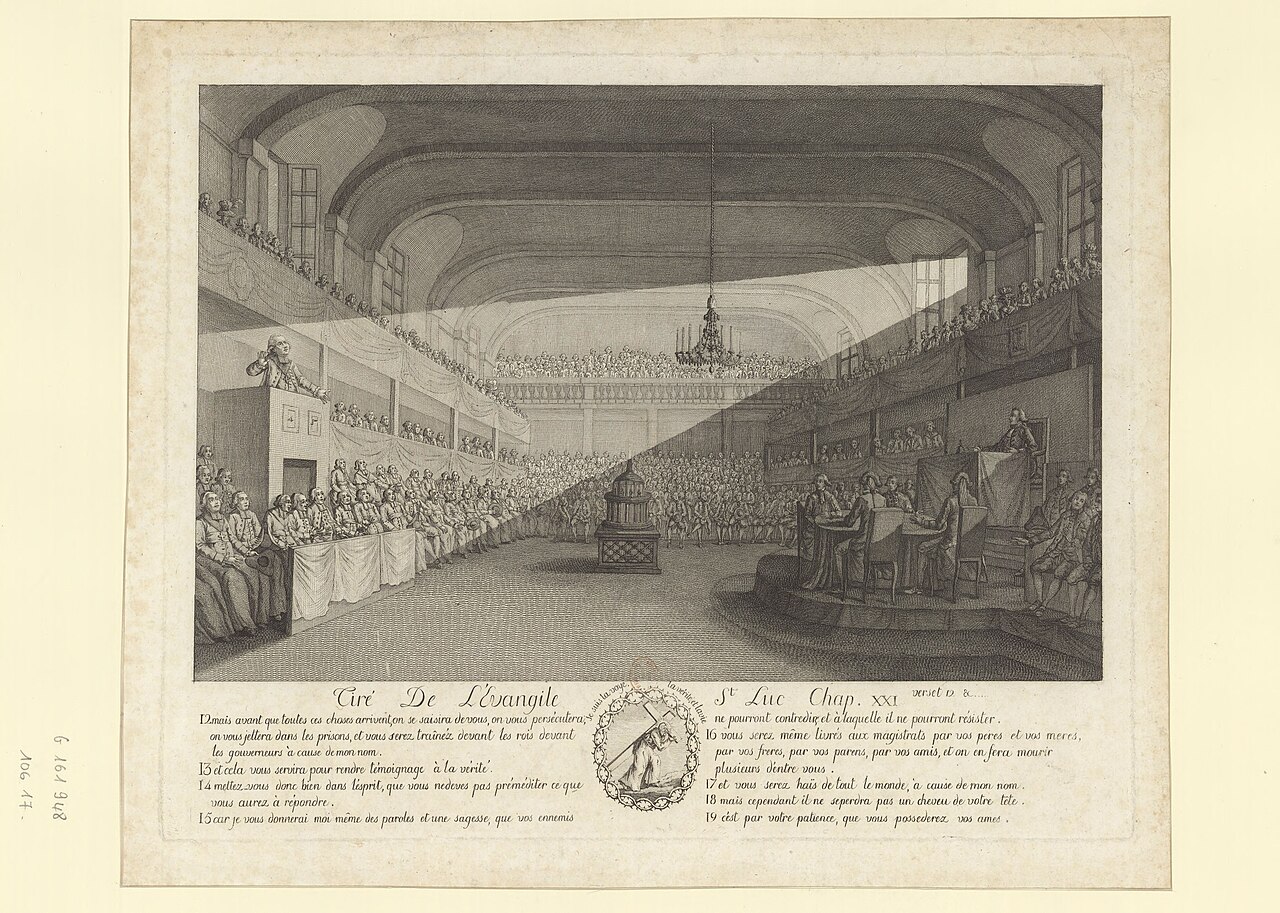
In July 1790 the French National Assembly enacts the Civil Constitution of the Clergy, reorganizing the French church under the state: dioceses redrawn to match the departments, bishops and priests elected, and clergy salaried by the nation. Pius VI condemns it, the required oath splits the French clergy into jurors and refractories, and the schism shapes French Catholicism for a decade.

Paris
1801

The Concordat of 1801

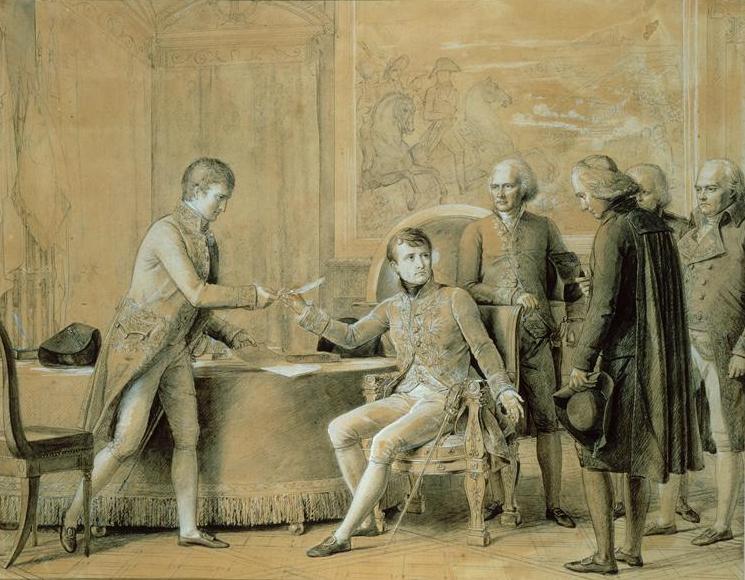
In July 1801 Napoleon Bonaparte and Pius VII conclude a concordat restoring the Catholic church in France after the Revolution. Catholicism is recognized as the religion of the great majority of the French; the state pays the clergy and nominates bishops, whom the pope institutes. The settlement governs French church and state relations until the separation law of 1905.

Paris
1854

Pius IX defines the Immaculate Conception

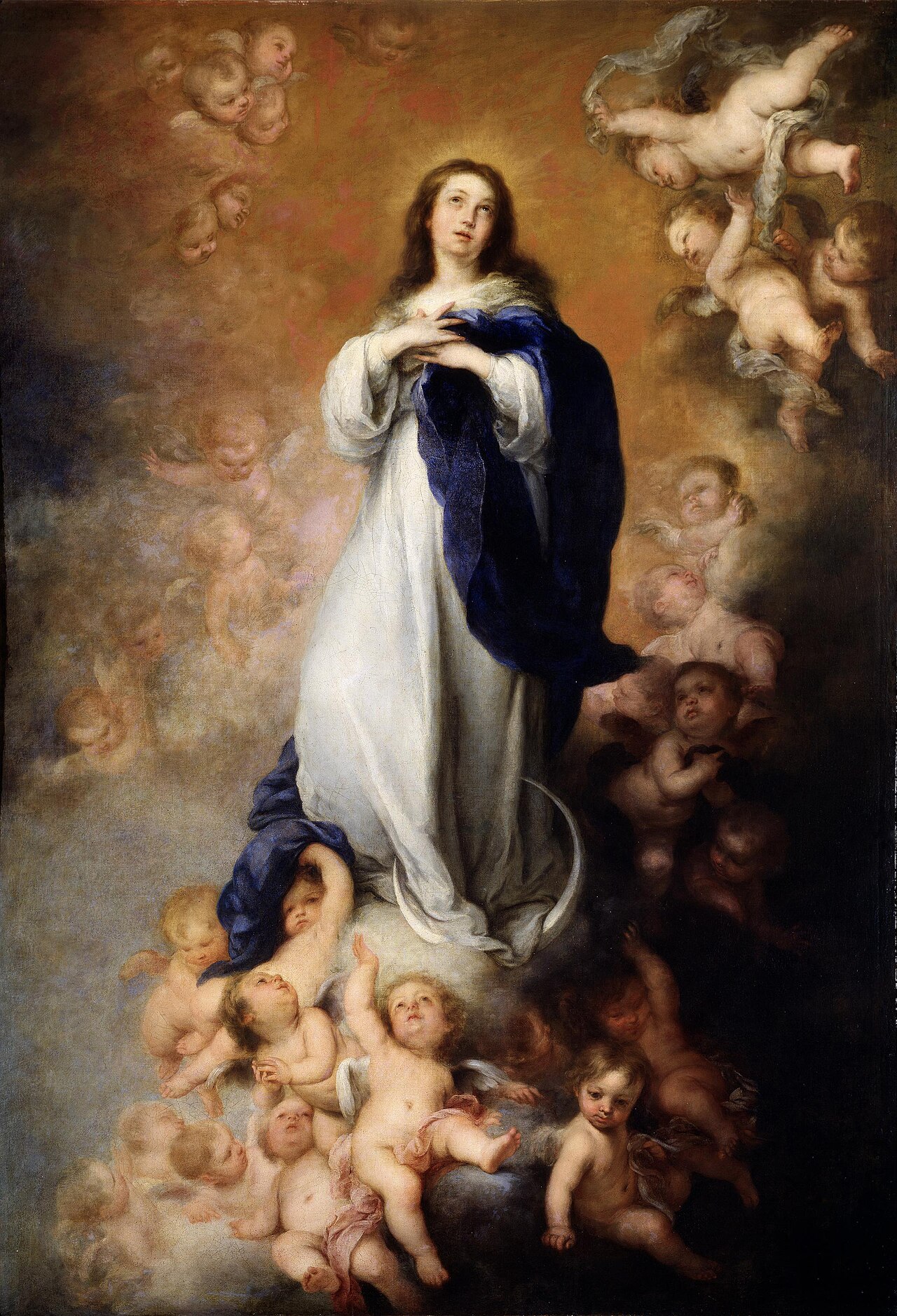
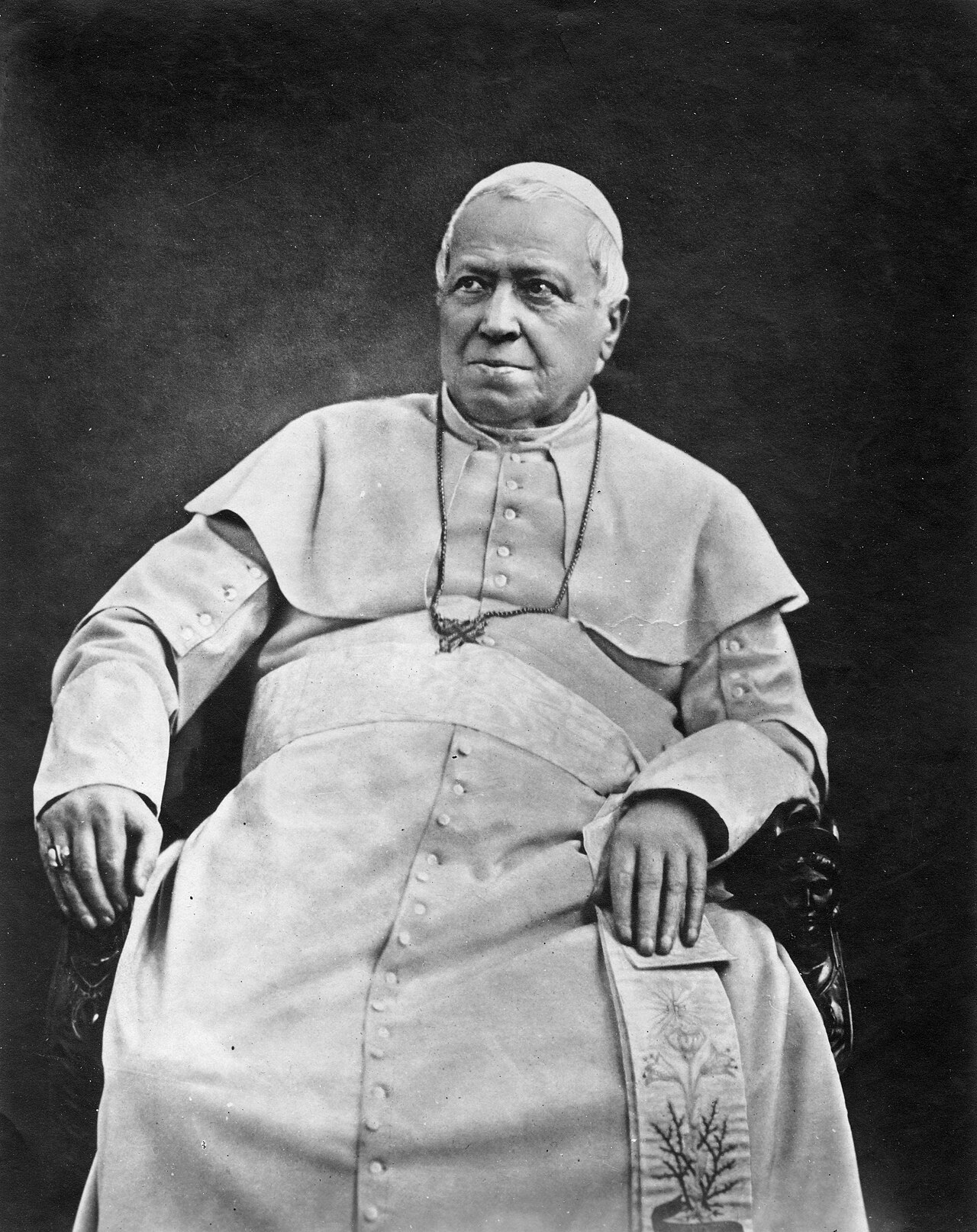
On 8 December 1854, in the bull Ineffabilis Deus, Pius IX defines as dogma that Mary, at the first instant of her conception, was preserved exempt from all stain of original sin. It is the first dogma a pope defines on his own authority in the modern form, a generation before Vatican I defines the infallibility such an act presupposes.

Rome
1864

Pius IX issues the Syllabus of Errors

In December 1864 Pius IX sends the bishops the encyclical Quanta Cura with an attached Syllabus of Errors: eighty condemned propositions drawn from his earlier acts, rejecting religious indifferentism, the separation of church and state, and the proposition that the Roman pontiff ought to reconcile himself with progress and modern civilization. The Syllabus becomes the emblem of the nineteenth century church's confrontation with liberalism.

Rome
1869–1870

First Vatican Council

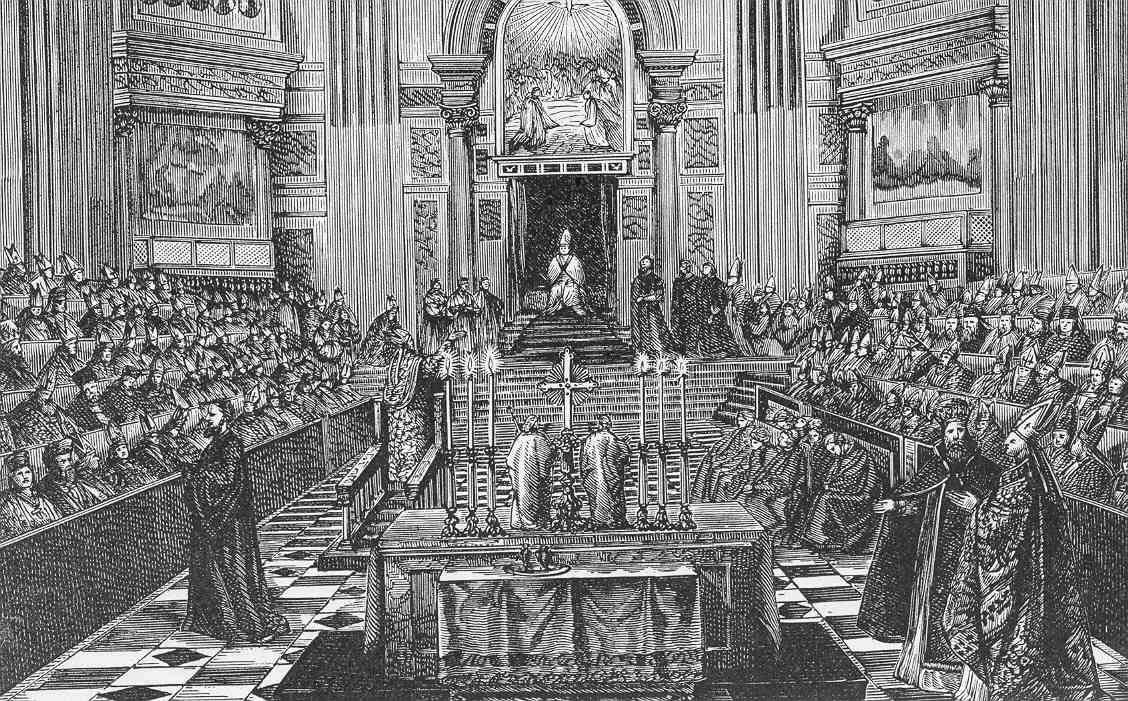
Vatican I defines papal infallibility in Pastor Aeternus; the Old Catholic churches separate in refusal, and the council suspends unfinished as Rome falls to Italy.

Rome
1870

Rome is taken and the Papal States end

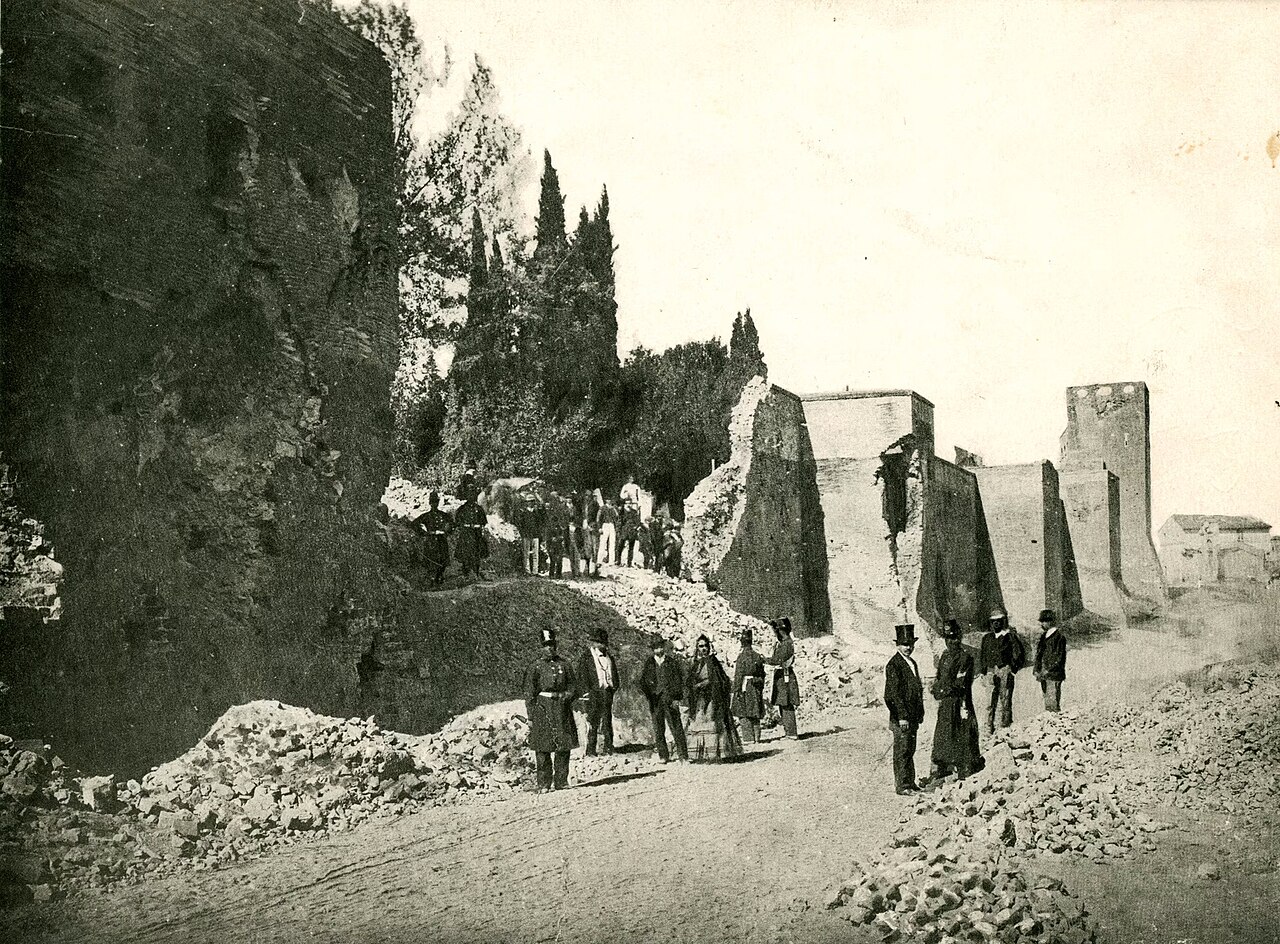
On 20 September 1870 Italian troops breach the walls of Rome at the Porta Pia, and the city becomes the capital of a united Italy. The Papal States, the popes' temporal kingdom for eleven centuries, are extinguished. Pius IX refuses the Italian Law of Guarantees, withdraws into the Vatican, and the Roman Question stands open until 1929.

Rome
1891

Leo XIII issues Rerum Novarum

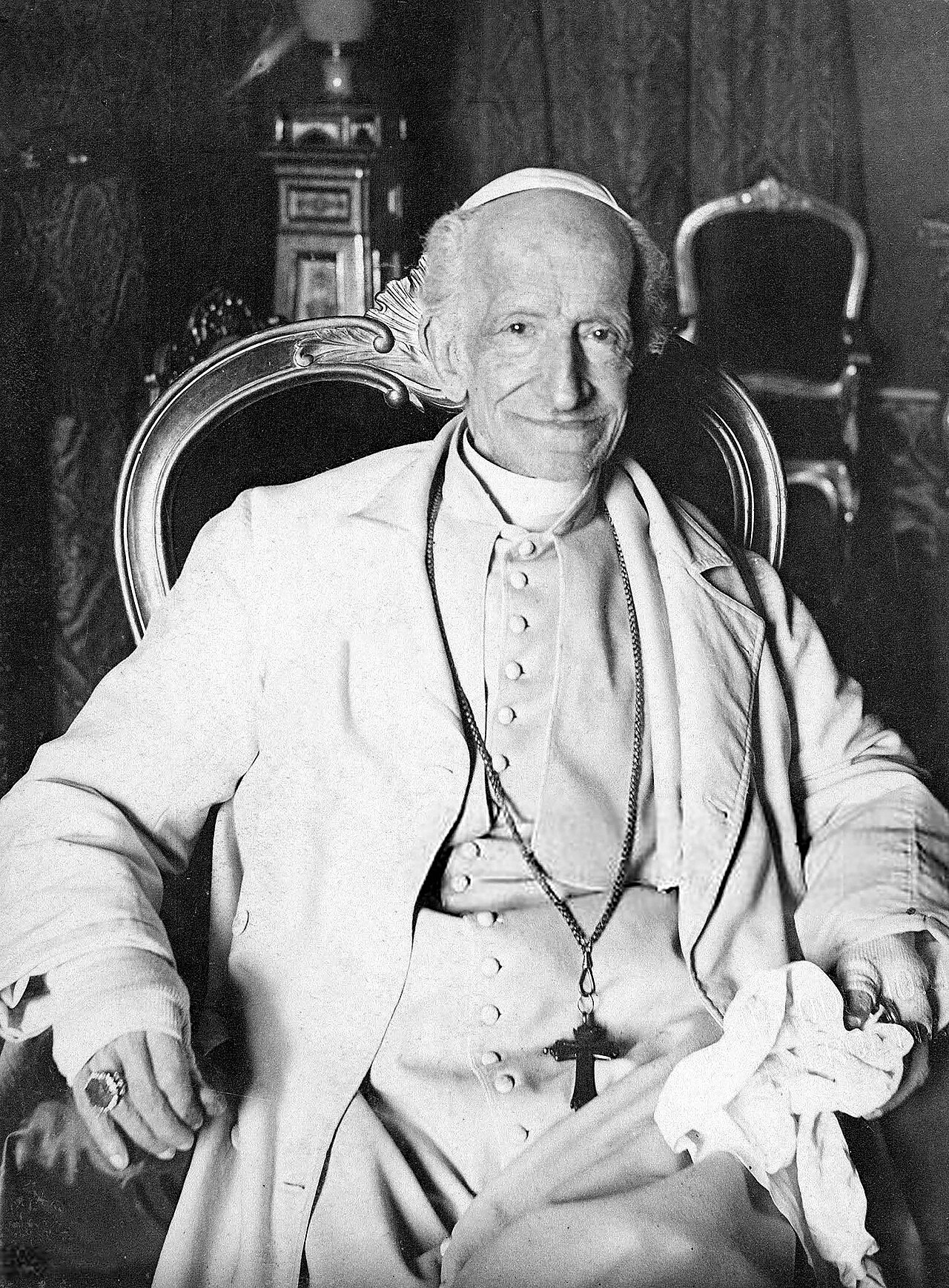
On 15 May 1891 Leo XIII issues Rerum Novarum, on the condition of the working classes. It defends private property against socialism, condemns the treatment of labor as a mere commodity, and upholds workers' rights to organize and to a just wage. The encyclical founds the modern body of Catholic social teaching.

Rome

The Modern and Global Church

1917

The Code of Canon Law is promulgated

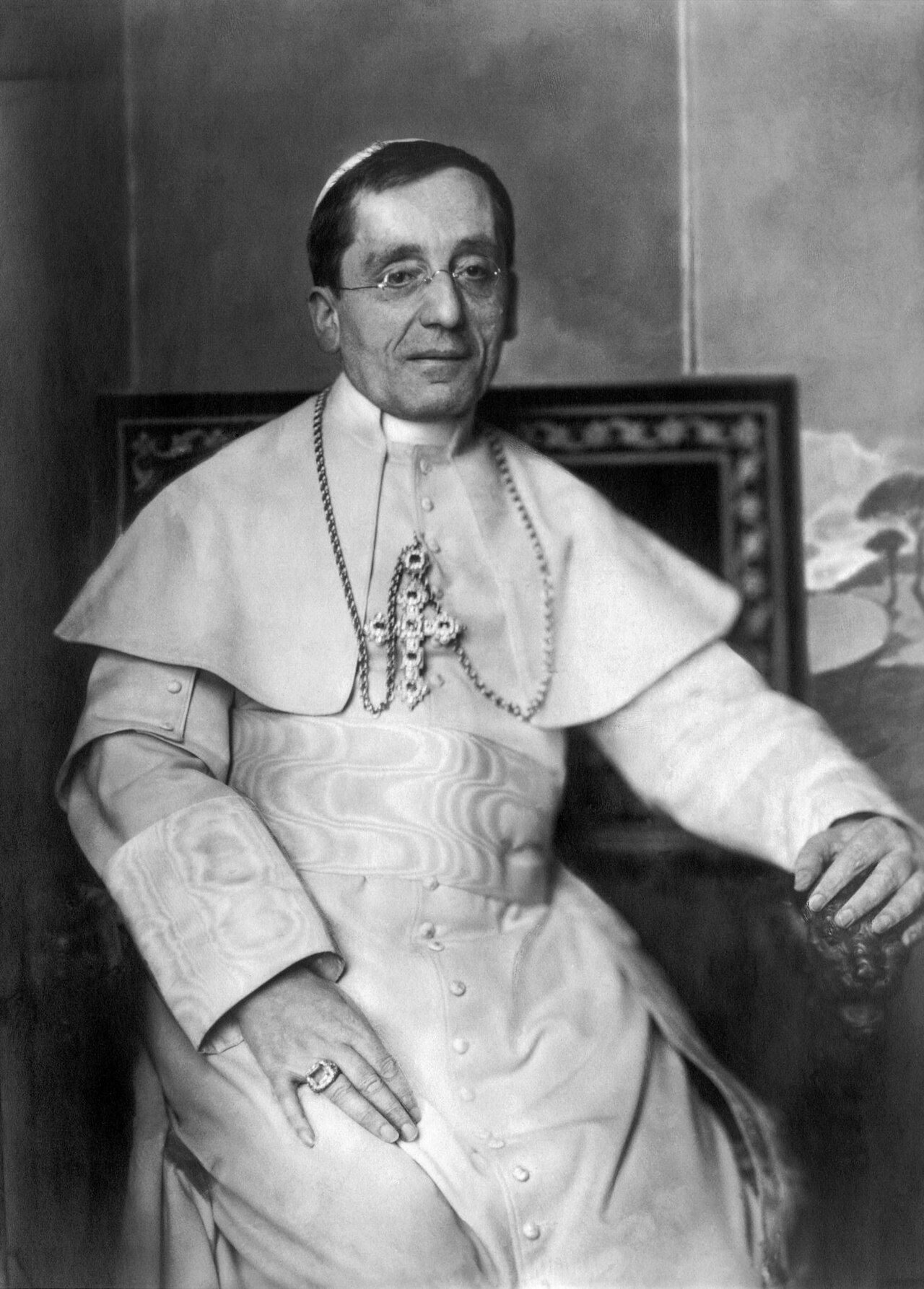
In May 1917 Benedict XV promulgates the Codex Iuris Canonici, the first single code of canon law for the Latin church, gathering two millennia of decrees, councils, and customs into two thousand four hundred and fourteen canons. The code centralizes the church's governance in Roman form and stands until its revision in 1983.

Rome
1929

The Lateran Treaty creates Vatican City

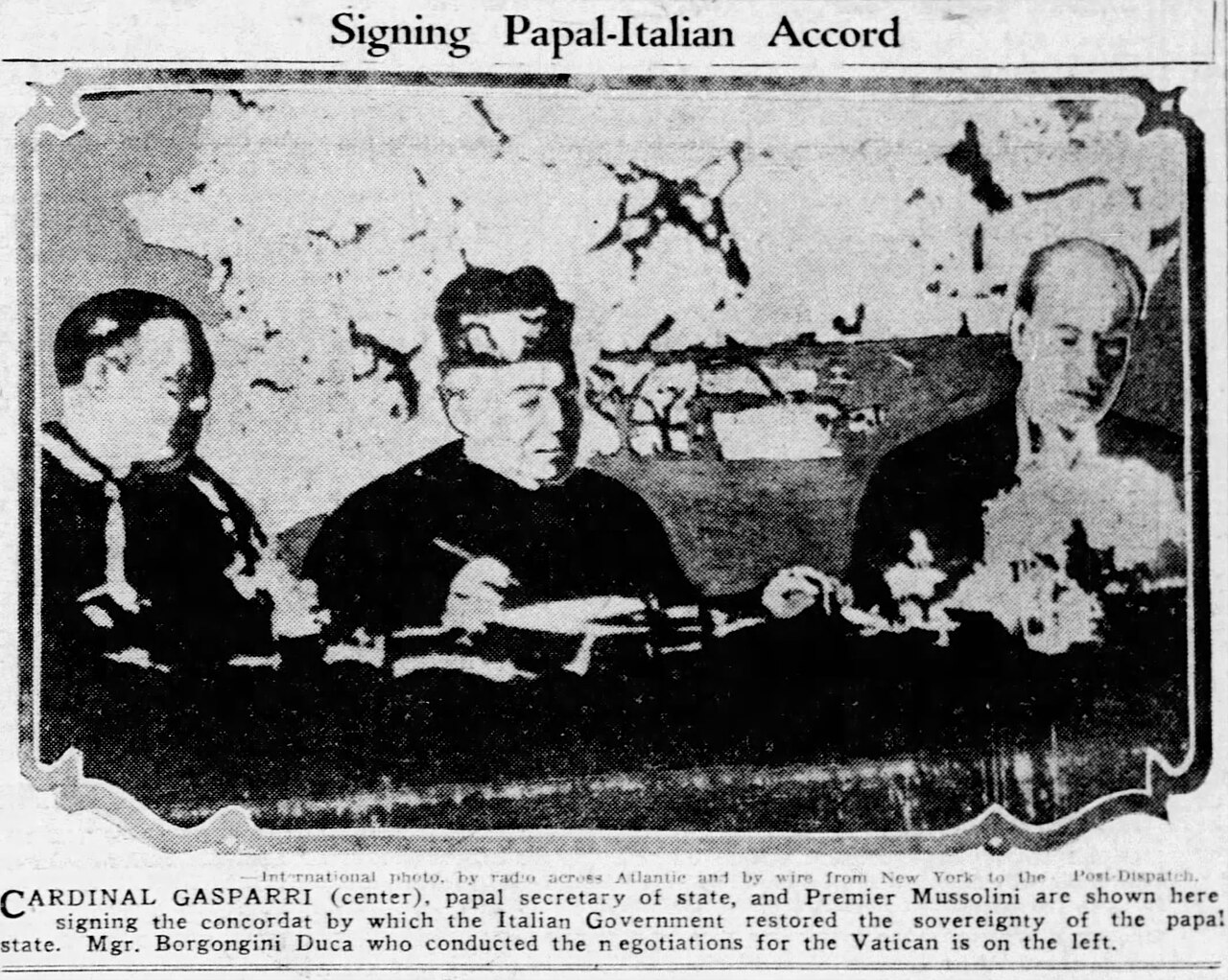
On 11 February 1929 Pius XI's representatives and the Italian government sign the Lateran Treaty in the Lateran Palace. Italy recognizes the sovereignty of the Holy See over the new Vatican City State; the Holy See recognizes the Kingdom of Italy with Rome as its capital. The Roman Question of 1870 is settled, and the papacy's temporal independence is restored in miniature.

Rome
1950

Pius XII defines the Assumption of Mary

On 1 November 1950, in the apostolic constitution Munificentissimus Deus, Pius XII defines as dogma that Mary, having completed the course of her earthly life, was assumed body and soul into heavenly glory. It is the first, and so far the only, definition issued under the infallibility defined at Vatican I in 1870.

Rome
1962–1965

Second Vatican Council

John XXIII's council renews the Catholic Church for the modern world: the liturgy in the vernacular, religious liberty confessed, ecumenism embraced, and the church's posture toward Judaism reversed in Nostra Aetate.

Rome
1968

Paul VI issues Humanae Vitae

On 25 July 1968 Paul VI issues Humanae Vitae, on the regulation of birth. Against the majority report of his own study commission, the encyclical reaffirms the teaching that each marital act must remain open to the transmission of life, and so excludes artificial contraception. Its reception is contested across the Catholic world, and it becomes the most debated papal act of the century.

Rome
1978

John Paul II, the first Polish pope

On 16 October 1978 the conclave elects Karol Wojtyla, Archbishop of Krakow, as John Paul II: the first non-Italian pope since 1523 and the first Slavic pope. His twenty six year pontificate travels the world, sustains the church under communism, and presides over the Catholic church's passage into its global century.

Vatican City
2013

Francis, the first pope from the Americas

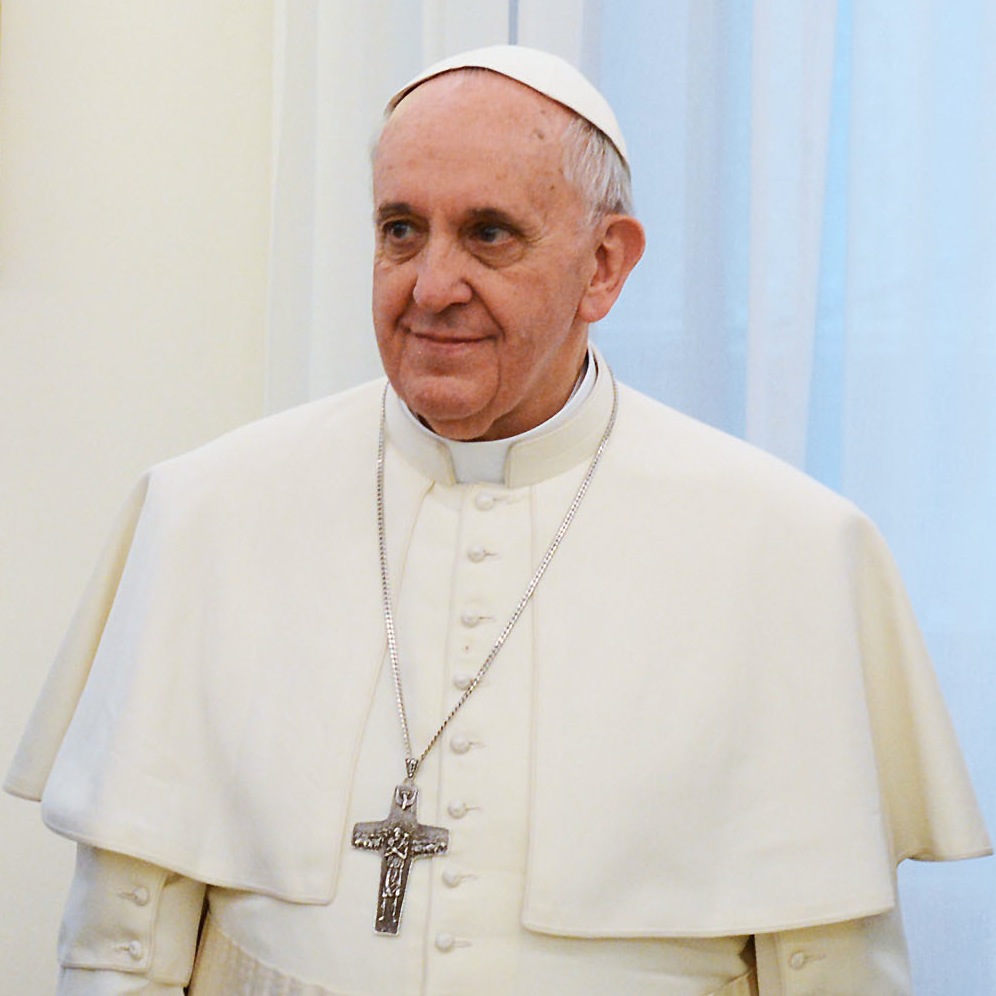
On 13 March 2013 the conclave elects Jorge Mario Bergoglio, Archbishop of Buenos Aires, as Francis: the first pope from the Americas, the first from the southern hemisphere, and the first Jesuit pope. His election marks the demographic fact his predecessors had prepared: most of the world's Catholics now live in the global south.

Vatican City