New Age Spirituality

The New Age Spirituality timeline in the History of Worldviews.

The New Age dataset follows the movement from its Theosophical and metaphysical sources through Cayce, the I AM Activity, and Alice Bailey, to the sixties' centers at Esalen and Findhorn, the channeling and healing decades, and the movement's commercial and popular flowerings.

Its fifteen events stand across four eras.

Periodization
Standard periodization of New Age history Source: Hanegraaff, Wouter J. New Age Religion and Western Culture: Esotericism in the Mirror of Secular Thought. Leiden: Brill, 1996.
Contested periodization
Whether the movement begins with Theosophy, with the sixties, or with the Harmonic Convergence is contested; the dataset follows the scholarly line from the metaphysical sources.
Geographic scope
The United States first, then Britain and the wider West.
Dating caveats
Dates are documentary: foundings, publications, and gatherings.
Internal diversity
Channeling, healing, and human-potential lines stand together, with the movement's own centers and teachers recorded in their variety.
Origin narrative
In preparation. The dataset's founding story will stand here in the three-layer format when its narrative is published.

Sources: Hanegraaff, Wouter J. New Age Religion and Western Culture: Esotericism in the Mirror of Secular Thought. Leiden: Brill, 1996.; Heelas, Paul. The New Age Movement. Oxford: Blackwell, 1996.; York, Michael. The Emerging Network: A Sociology of the New Age and Neo-Pagan Movements. Lanham: Rowman and Littlefield, 1995.

Streams: All of New Age Spirituality New Age

The Esoteric Preparation

1931

Cayce's Association for Research and Enlightenment is founded

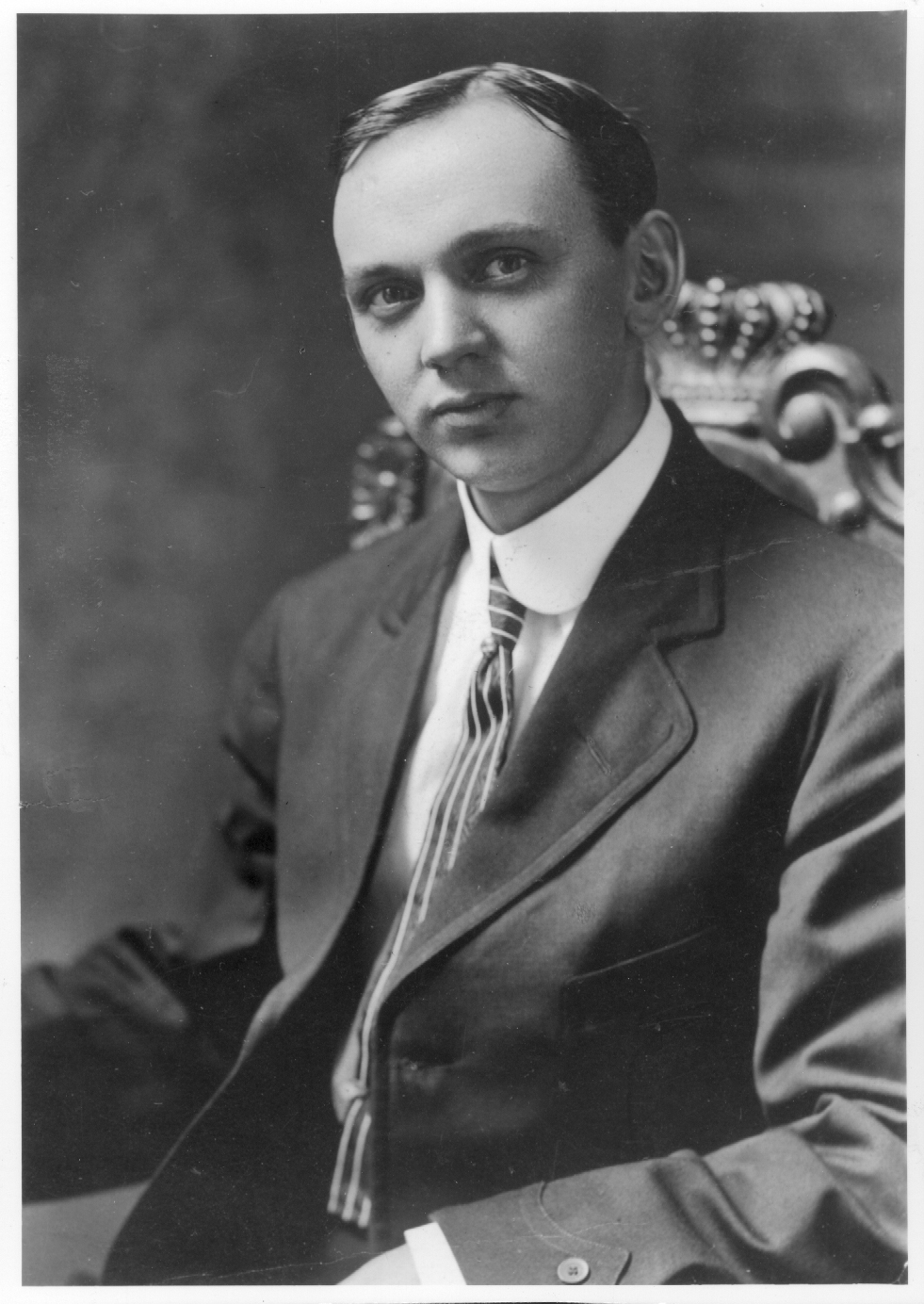
In 1931 Edgar Cayce, the Kentucky psychic whose trance readings drew thousands to Virginia Beach, founds the Association for Research and Enlightenment to preserve and study his readings. The association keeps the archive, publishes the readings on reincarnation, Atlantis, and healing, and becomes one of the New Age movement's oldest standing institutions.
Virginia Beach
1934

Ballard's Unveiled Mysteries launches the I AM Activity

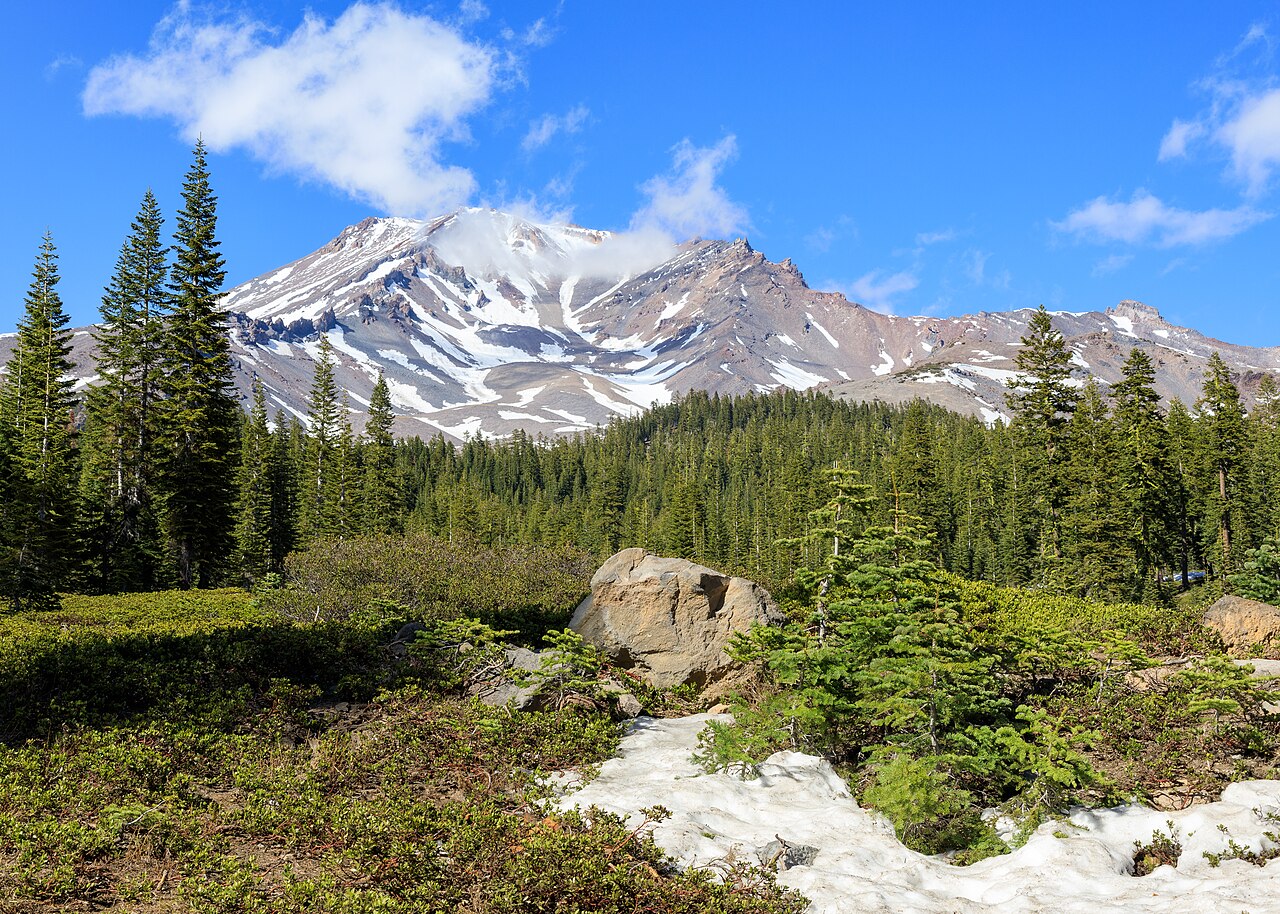
In 1934 Guy Ballard, writing as Godfré Ray King, publishes Unveiled Mysteries, his account of meeting the ascended master Saint Germain on Mount Shasta. The book launches the I AM Activity, the first of the ascended-master movements that carry Theosophy's masters into American mass religion, and a seedbed of the later New Age.

Chicago
1944

Alice Bailey's Discipleship in the New Age

In 1944 Alice Bailey, the Theosophical writer who taught that she transcribed the Tibetan master Djwhal Khul, publishes the first volume of Discipleship in the New Age. Bailey's books, with their vision of a coming new age of group consciousness and the reappearance of the Christ, give the phrase New Age its esoteric charter decades before the movement takes the name.

New York

The Countercultural Bloom

1962

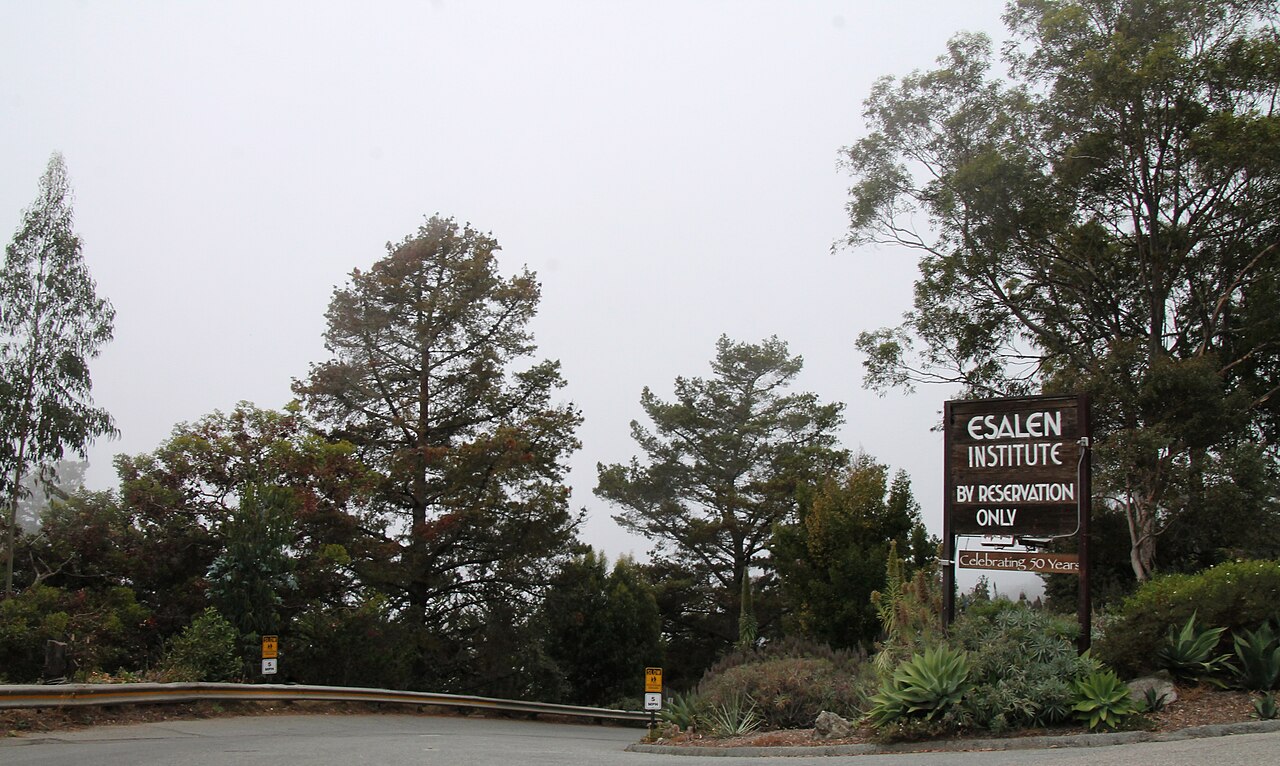
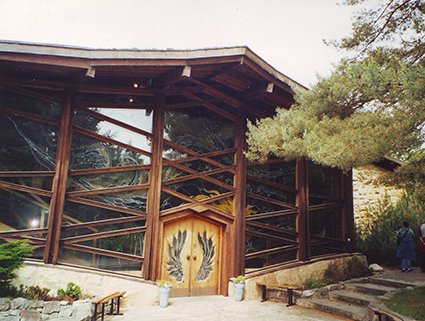
The Esalen Institute is founded

In 1962 Michael Murphy and Richard Price open the Esalen Institute at Big Sur, California, on the hot springs where Aldous Huxley's generation had already gathered. Esalen becomes the human potential movement's headquarters: Gestalt therapy, encounter groups, massage, and Eastern practice under one redwood roof, and a principal bridge between the counterculture and the New Age.

Big Sur
1962

The Findhorn community is founded

In 1962 Peter and Eileen Caddy and Dorothy Maclean settle in a caravan beside the Findhorn sands in Scotland, where Eileen's inner guidance and Dorothy's communications with the devas of the garden produce famously oversized vegetables on barren soil. Findhorn grows into an intentional community and the British New Age's best-known address.

Findhorn
1967

Hair brings the Age of Aquarius to the stage

In 1967 the musical Hair opens off-Broadway, and its anthem joins the dawning of the Age of Aquarius to the counterculture's hopes before the largest audience the phrase had ever reached. The astrological doctrine of the ages, carried from Theosophy through Bailey, becomes a song the whole generation can sing.

New York
1971

Ram Dass's Be Here Now

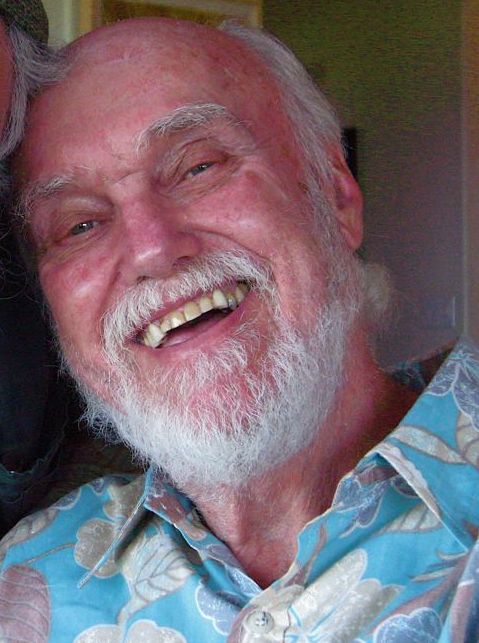
In 1971 Ram Dass, born Richard Alpert, Timothy Leary's Harvard colleague turned pilgrim, publishes Be Here Now, the square, illustrated book of his journey to India and his guru Neem Karoli Baba. Printed first by a New Mexico commune's press, the book becomes the counterculture's spiritual manual and sells in the millions.

Lama
1972

Jane Roberts's Seth Speaks

In 1972 Jane Roberts of Elmira, New York, publishes Seth Speaks, the first of the books she dictates in trance from the entity Seth: you create your own reality. The Seth material becomes channeling's classic and gives the movement its most quoted doctrine, that belief manufactures experience.

Elmira
1976

A Course in Miracles is published

In 1976 A Course in Miracles is published in New York: a thick blue workbook scribed between 1965 and 1972 by the psychologist Helen Schucman, who held that its author was Jesus. The Course, a curriculum of forgiveness that treats the world as a dream of separation, becomes the movement's most demanding text and the center of a worldwide study-group network.

New York

The Mainstream Moment

1983

Shirley MacLaine's Out on a Limb

In 1983 Shirley MacLaine, an Academy Award winning actress at the height of her fame, publishes Out on a Limb, her memoir of past lives, channelers, and a spirit guide named Ramtha. The book and its 1987 television adaptation carry the New Age's core claims into the American mainstream on a celebrity's name, to the movement's delight and its critics' despair.

New York
1984

Louise Hay's You Can Heal Your Life

In 1984 Louise Hay publishes You Can Heal Your Life: every disease answers to a pattern of thought, and the list at the book's back pairs ailments with their affirmations. Hay, who founded her publishing house on the book, becomes the healing wing's central figure, and her table of mental causes is taped to refrigerators across the world.

Santa Monica
1987

The Harmonic Convergence

On 16 and 17 August 1987, at the call of the art historian José Argüelles and his book The Mayan Factor, thousands gather at sacred sites from Mount Shasta to Sedona to Central Park for the Harmonic Convergence, a planetary meditation keyed to the Mayan calendar. The event, covered by the world's press, is the New Age's most public moment: the movement acting as one body on a prophesied date.

Mount Shasta
1993

Redfield's The Celestine Prophecy

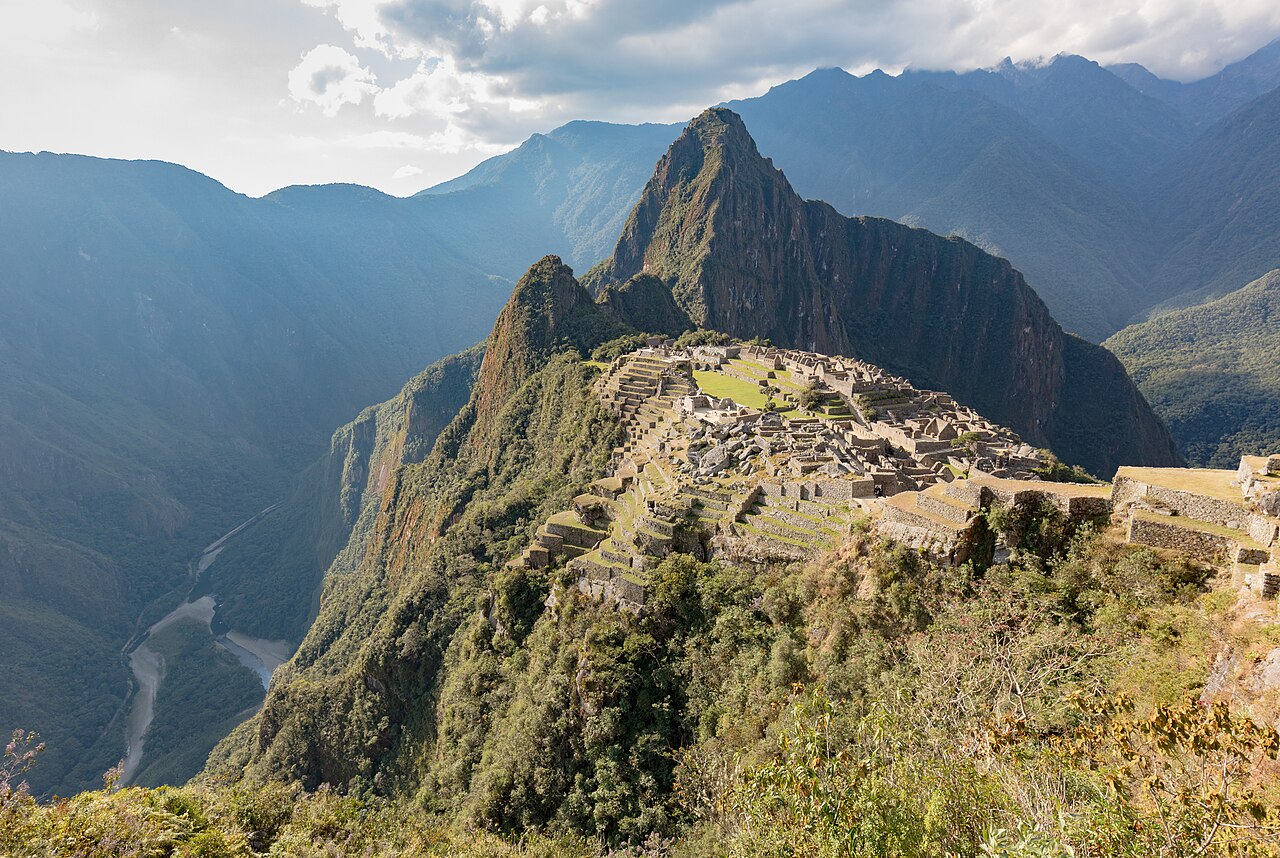
In 1993 James Redfield self-publishes The Celestine Prophecy, a novel of nine insights found in a Peruvian manuscript, and watches it spread hand to hand until a major house takes it up and it tops the bestseller lists for years. The novel carries the movement's doctrines of energy, coincidence, and spiritual evolution to the largest readership any New Age text had reached.

New York

The Commercial Afterlife

2006

Byrne's The Secret

In 2006 Rhonda Byrne releases The Secret, first as a film and then as a book: the law of attraction, ask and the universe answers, presented as the secret of the ages known to Plato and Einstein alike. The Secret outsells every predecessor, draws Oprah Winfrey's two-part endorsement, and marks the movement's full passage into the commercial mainstream, and its critics' charge that the New Age ends as a sales technique.

New York
2012

The December 2012 phenomenon

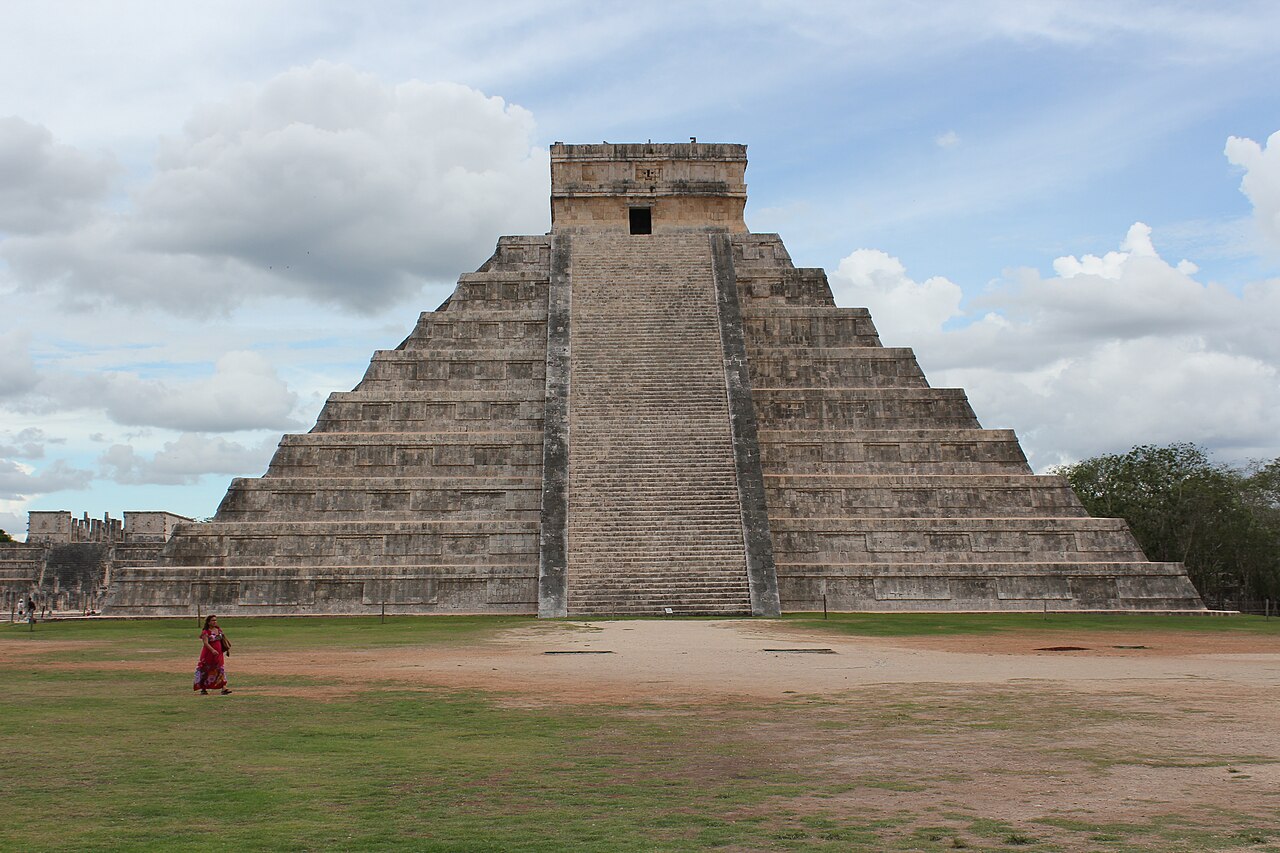
On 21 December 2012 the Mayan Long Count calendar completes its thirteenth b'ak'tun, and the date, interpreted since Argüelles and Terence McKenna as a hinge of consciousness, draws convergences, festivals, and worldwide media attention to a transformation that arrives as a day like others. The phenomenon is the movement's last great dated expectation and a standing case study in how its prophecies are absorbed when they pass.

Chichen Itza