Jainism

The Digambara stream of the Jainism timeline.

Streams: All of Jainism Digambara Shvetambara Sthanakavasi Terapanth

The Tirthankara Age

c. 9th-8th century BCE

Parshvanatha (23rd Tirthankara)

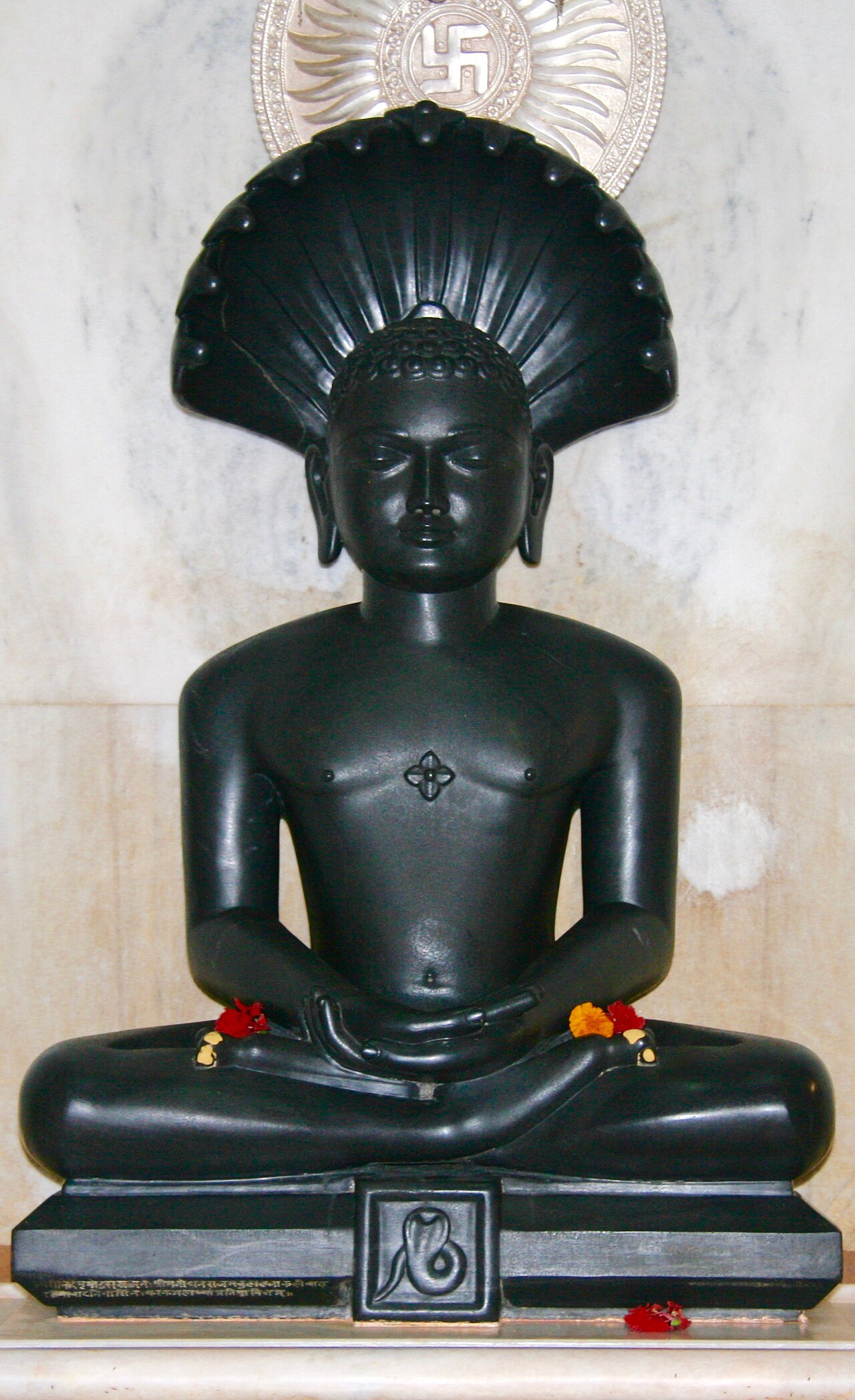
Parshvanatha, the twenty-third Tirthankara, is the earliest Jain teacher whose historical existence scholars broadly accept. Tradition places him at Varanasi some two and a half centuries before Mahavira. His teaching turned on four restraints, nonviolence, truthfulness, non-stealing, and non-possession, which Mahavira's five great vows later extended. Both great Jain lineages honor him, and his emblem, the serpent, marks his images across India.
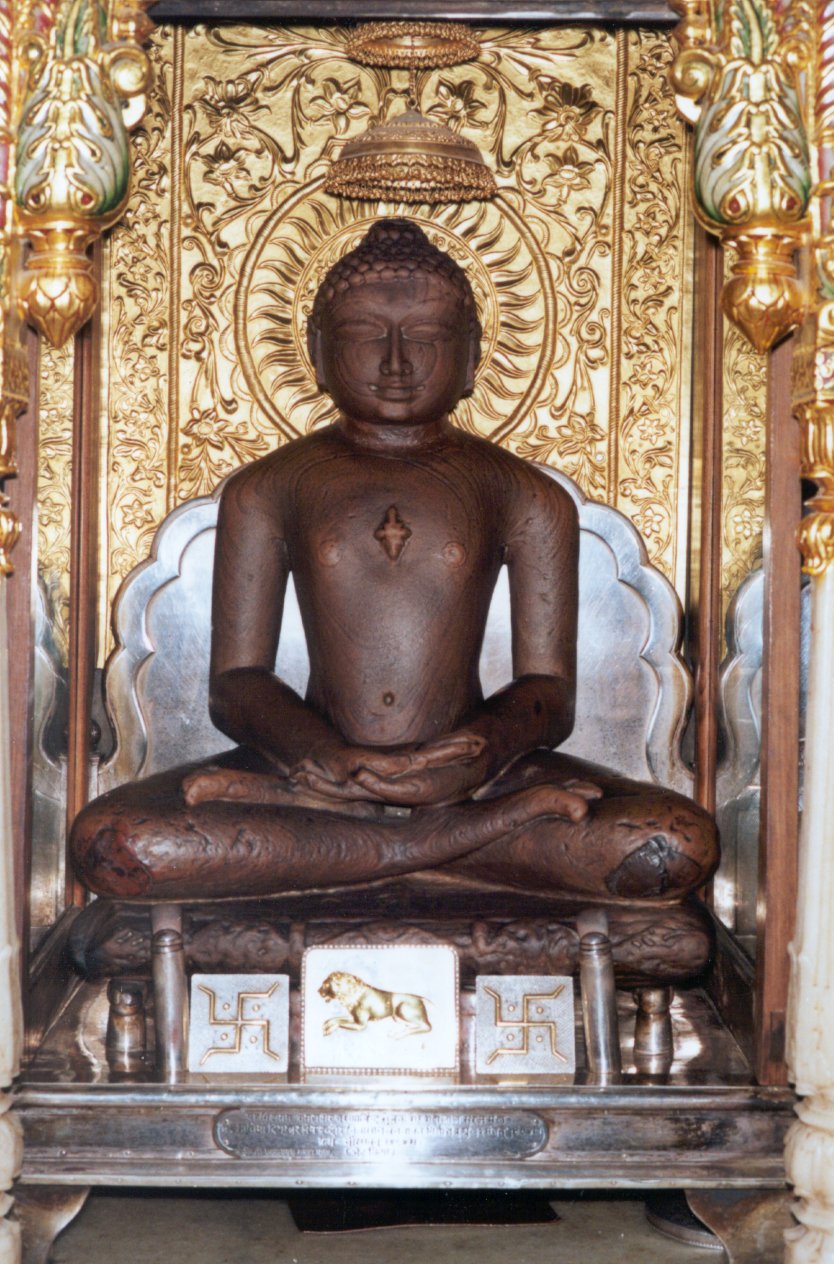
Varanasi, on the Ganges
599-527 BCE

Mahavira (24th Tirthankara)

Mahavira, born Vardhamana into a ruling family near Vaishali, renounced the household at thirty, attained omniscience after twelve years of austerity, and taught for thirty more, organizing the fourfold community of monks, nuns, laymen, and laywomen. His five great vows, headed by ahimsa, nonviolence toward every living being, remain the center of Jain life. Tradition dates his liberation at Pavapuri to 527 BCE.

Kundagrama, near Vaishali

Councils and Schism

c. 300 BCE

First Council at Pataliputra

Shvetambara tradition holds that after a twelve-year famine the monks who had remained at Pataliputra under Sthulabhadra gathered to recover the canon from memory, assembling eleven of the twelve Angas; the twelfth was lost. Digambara accounts tell instead of Bhadrabahu leading a migration south during the famine and hold that the ancient canon perished entire. The divided memory of this council stands at the root of the two traditions.

Pataliputra
c. 1st century CE

Digambara–Shvetambara split

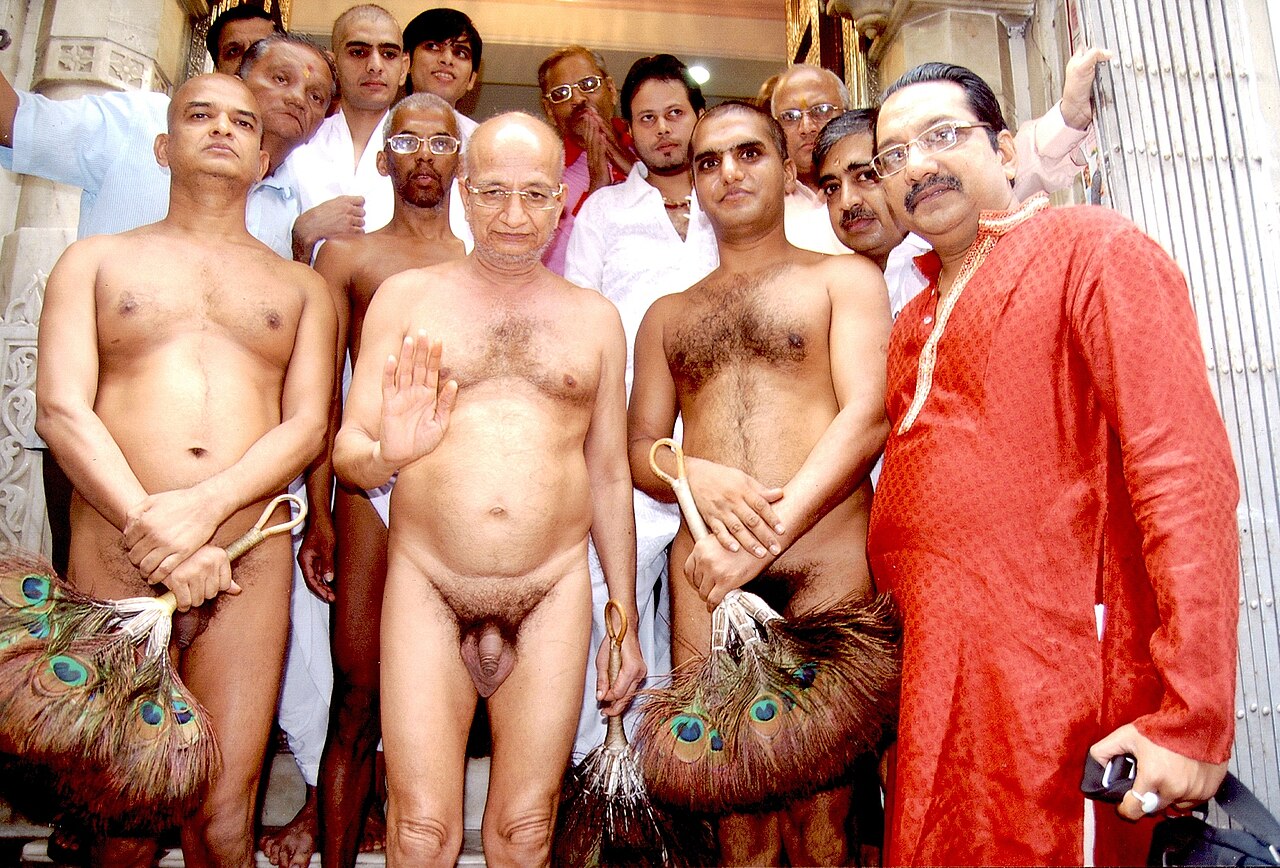
Across the early centuries of the common era the Jain community divided into its two enduring traditions. The Digambaras, the sky-clad, hold that a monk must renounce clothing itself and that the original canon is lost. The Shvetambaras, the white-clad, keep the canon assembled in their line and admit women to the possibility of liberation in a female birth, which Digambara teaching denies. The split took shape gradually rather than at a single rupture.

Northern and western India

Modern

1970s

Jain diaspora established

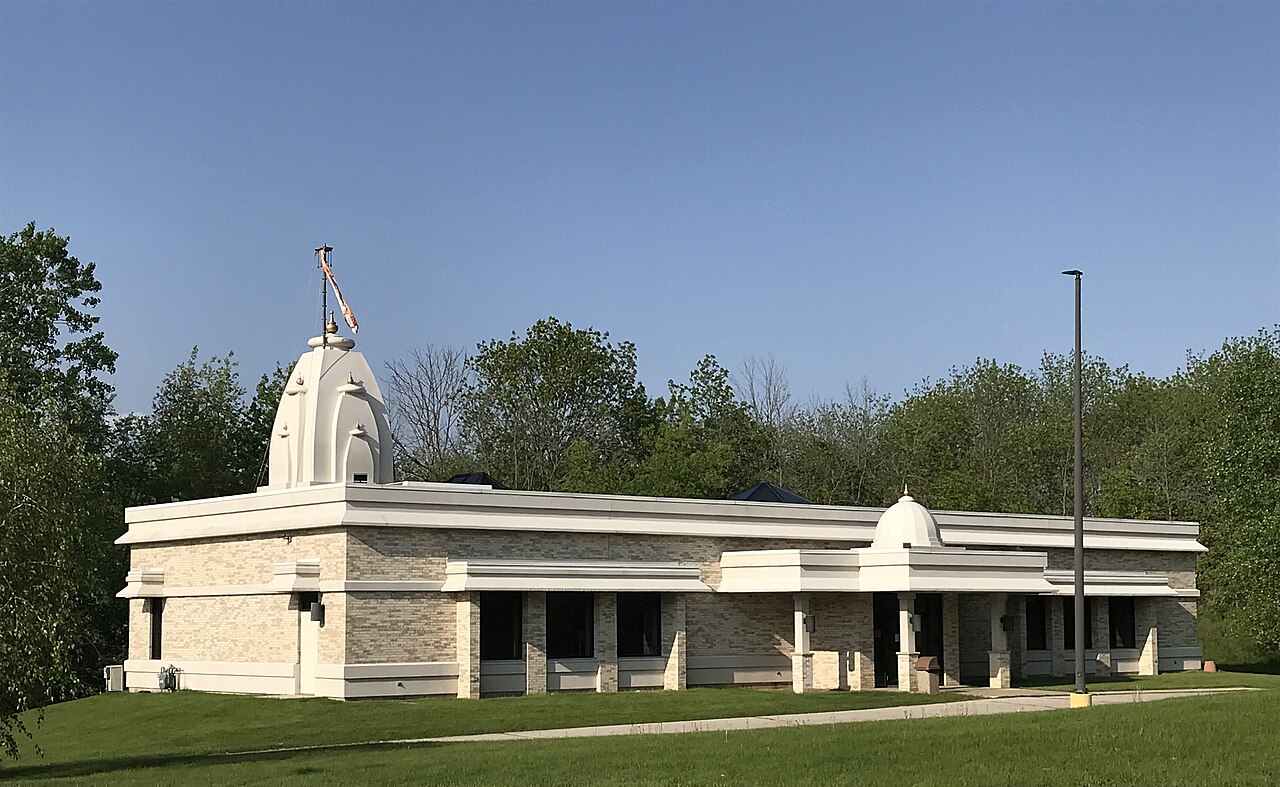
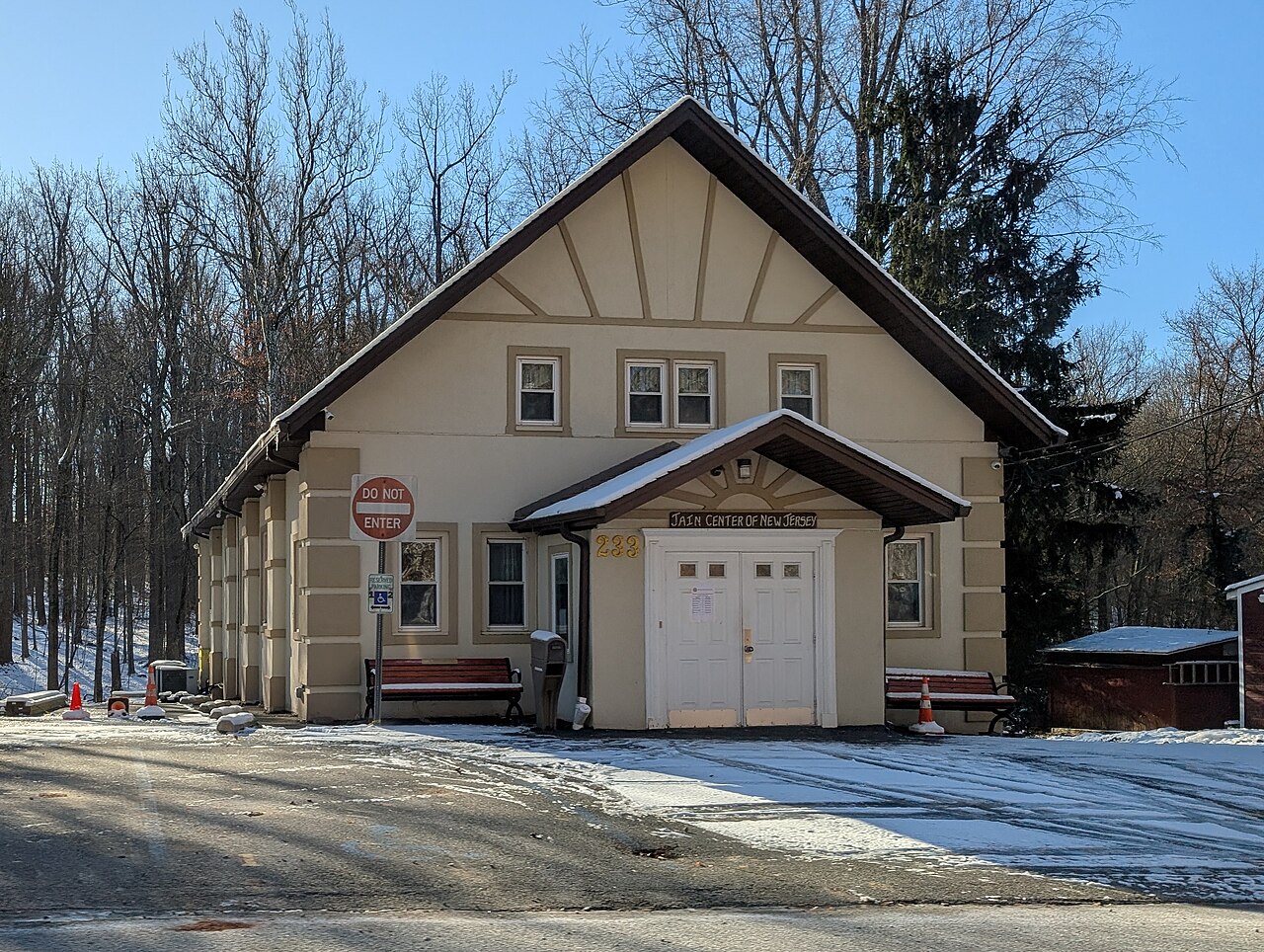
In the nineteen-seventies, Jain professionals and families settled in numbers in North America and Britain, founding centers, and in time temples, where Digambara and Shvetambara worshippers often share one roof in a way India rarely saw. The diaspora built the institutions, pathshalas, and federations that made Jainism a settled presence in the religious life of the West.

North America and Britain
2014

Jain community recognized in US

The table carries the Jain community's formal recognition in the United States to 2014, when the community stood established in American civic and interfaith life with its federations, temples, and university chairs, and Jain representatives took part in the nation's public ceremonies as a recognized religious community. The recognition settled what the nineteen-seventies migration had begun.

Washington, DC