Jainism

The Sthanakavasi stream of the Jainism timeline.

Streams: All of Jainism Digambara Shvetambara Sthanakavasi Terapanth

Reform Currents

1433-1471

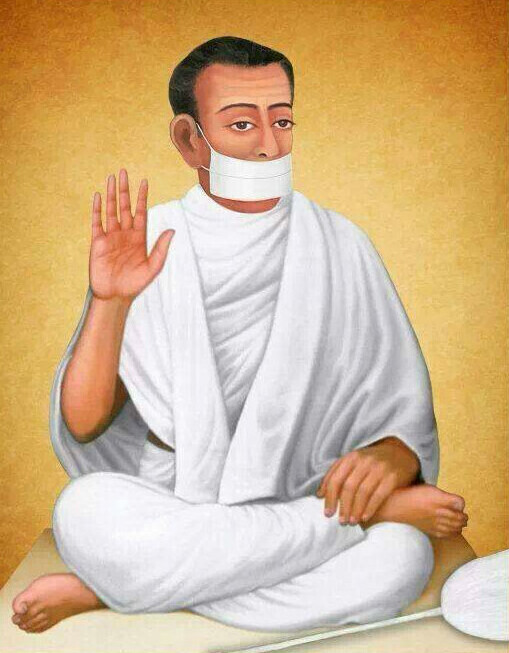
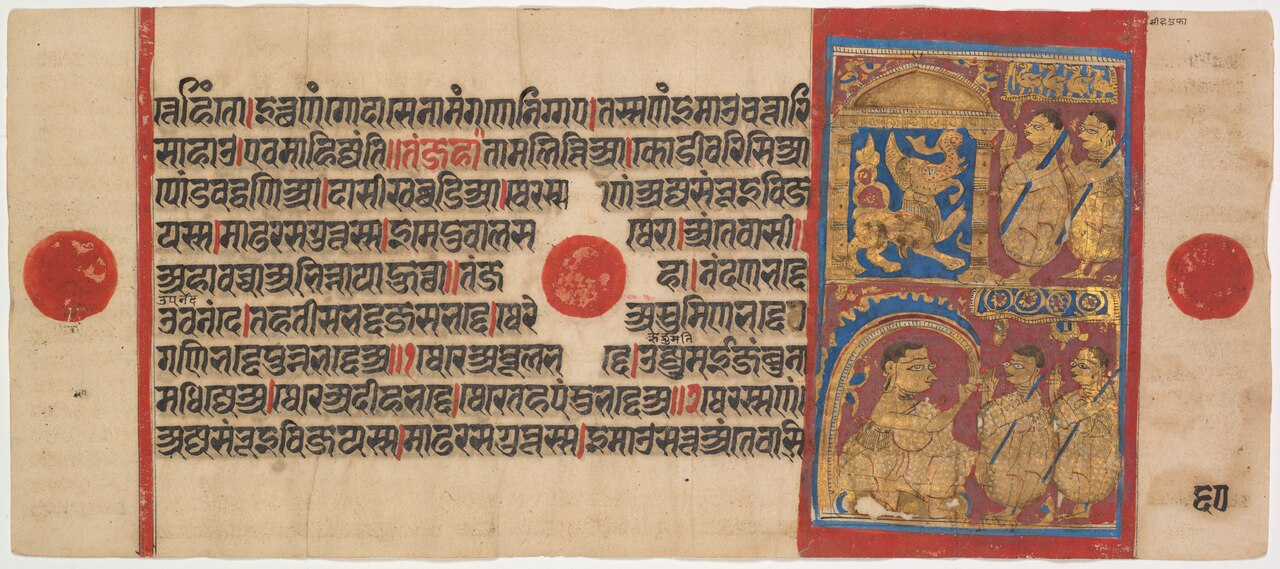
Lonka Shah

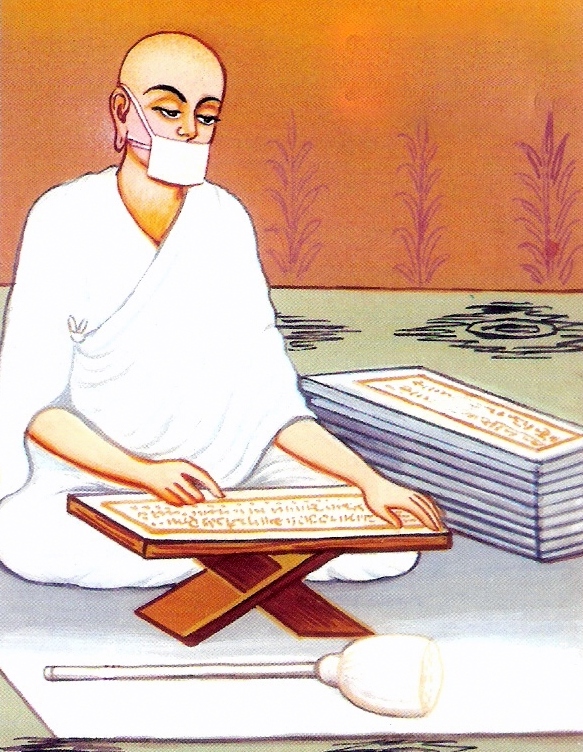
Lonka Shah, an Ahmedabad scribe and calligrapher, copied the Agamas and concluded that image worship had no warrant in them. His reading gathered followers who rejected temple images and the comforts of established monastic life, and his critique, carried forward by later teachers, prepared the Sthanakavasi movement, whose monks and nuns worship in plain halls and cover the mouth to spare the smallest life.
Ahmedabad, Gujarat
c. 1653

The founding of the Sthanakavasi order

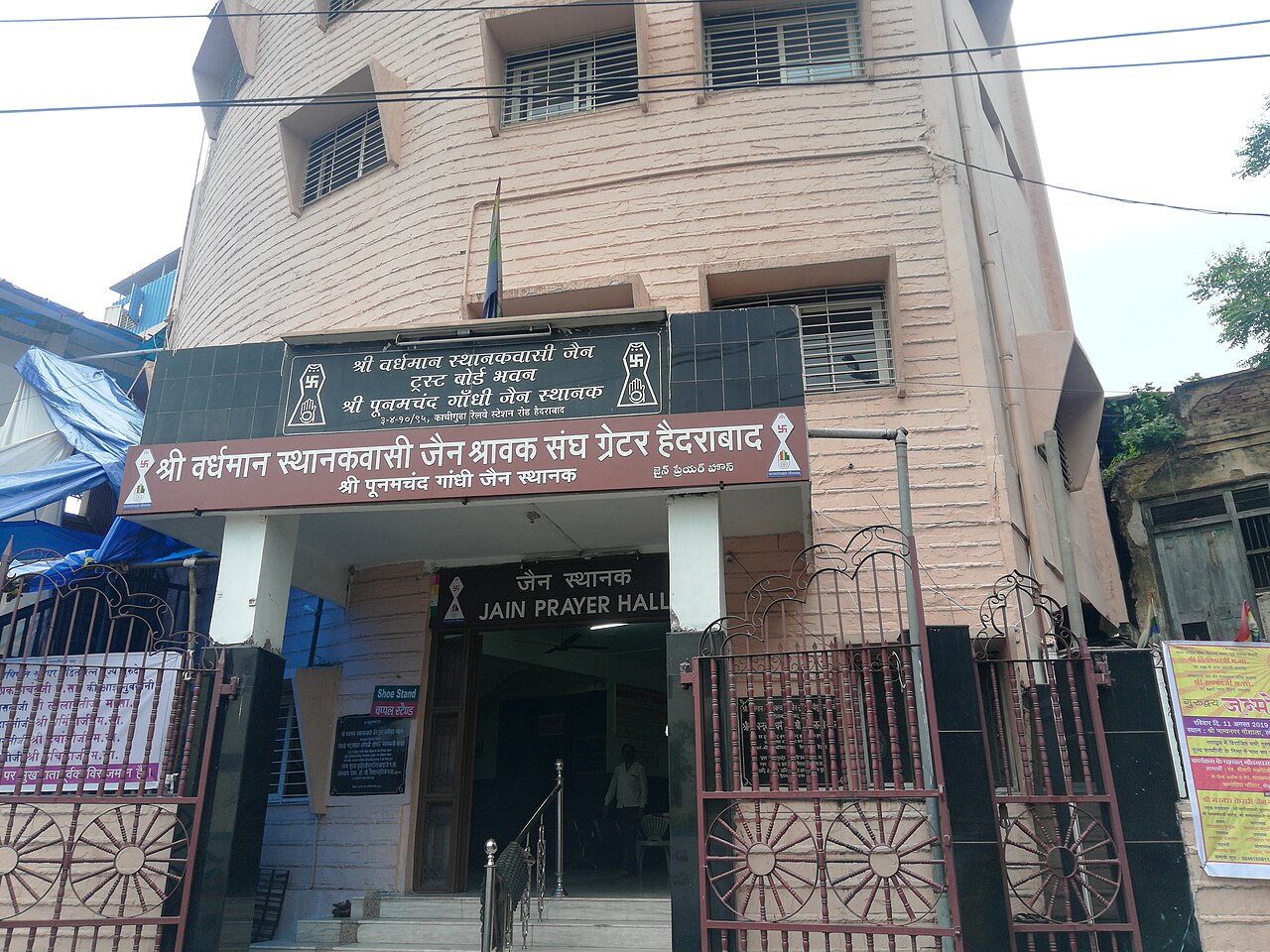
The Sthanakavasi order traces its founding to the merchant Lavaji in the middle of the seventeenth century. Following the line of Lonka Shah's critique, its monks and nuns renounced temple images, worshipped in plain halls called sthanakas, and took to wearing the mouth-cloth permanently. The order became the parent body from which the Terapanth reform later separated.

Gujarat
18th century

Sthanakavasi consolidated

Across the eighteenth century the Sthanakavasi communities that had grown from Lonka Shah's critique settled into a consolidated order with defined lineages of monks and nuns. Their plain halls, refusal of images, and permanent mouth-cloth marked them within the Shvetambara world from which they had come, and their discipline produced the generation from which Acharya Bhikshu's Terapanth reform emerged.

Gujarat and Rajasthan
1760-1803

Acharya Bhikshu; Terapanth

Acharya Bhikshu, formed in the Sthanakavasi line, separated with a small company in 1760 over what he judged a laxity in monastic discipline, and founded the order that took the name Terapanth. Its defining mark endures: every Terapanthi monk and nun owes obedience to a single acharya, and its thirteen principles keep the community's discipline in one hand. Bhikshu led the order until his death in 1803, through years of hardship and hostility.

Rajasthan