

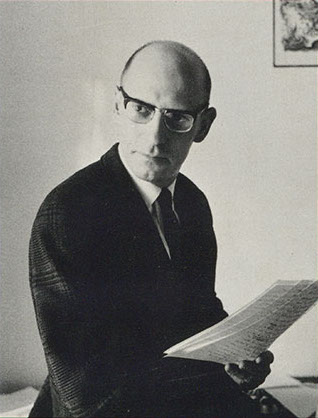
In 1966 Michel Foucault publishes Les mots et les choses, The Order of Things: an archaeology of the human sciences arguing that man, as an object of knowledge, is a recent invention and may be erased, like a face drawn in sand at the edge of the sea. The book makes Foucault famous in a season and sets the structuralist break in motion.
Tagged: Postmodernism
The Event
- Date
- 1966 (exact)
- Era
- The Structuralist Break; Standard periodization of postmodern history
- Location
- Paris; today Paris, France
- Traditions
- Postmodernism
- Streams
- Postmodernism
- Key figures
- Michel Foucault
- Key texts
- The Order of Things
Primary Sources
- Foucault, Michel. Les mots et les choses. Paris: Gallimard, 1966.
Secondary Sources
- Bertens, Hans. The Idea of the Postmodern: A History. London: Routledge, 1995.
- Hassan, Ihab. The Postmodern Turn. Columbus: Ohio State University Press, 1987.
- Hutcheon, Linda. A Poetics of Postmodernism. New York: Routledge, 1988.
Provenance: HIST-1435; confidence 0.95; accessed 2026-10-30.
Related on This Site
 History Event
Deleuze and Guattari's Anti-Oedipus
1972
 History Event
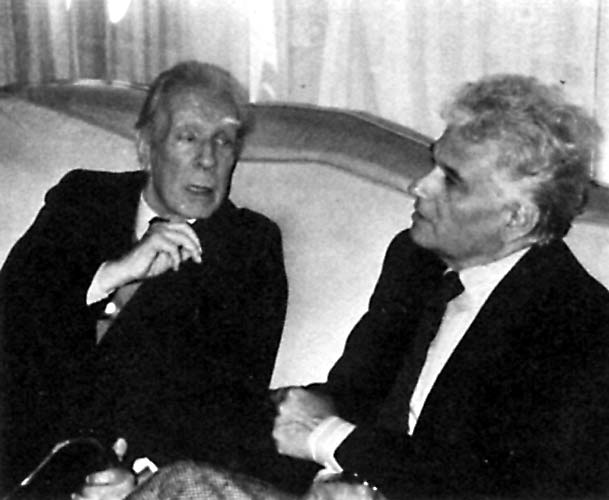
Derrida's Of Grammatology
1967
 History Event
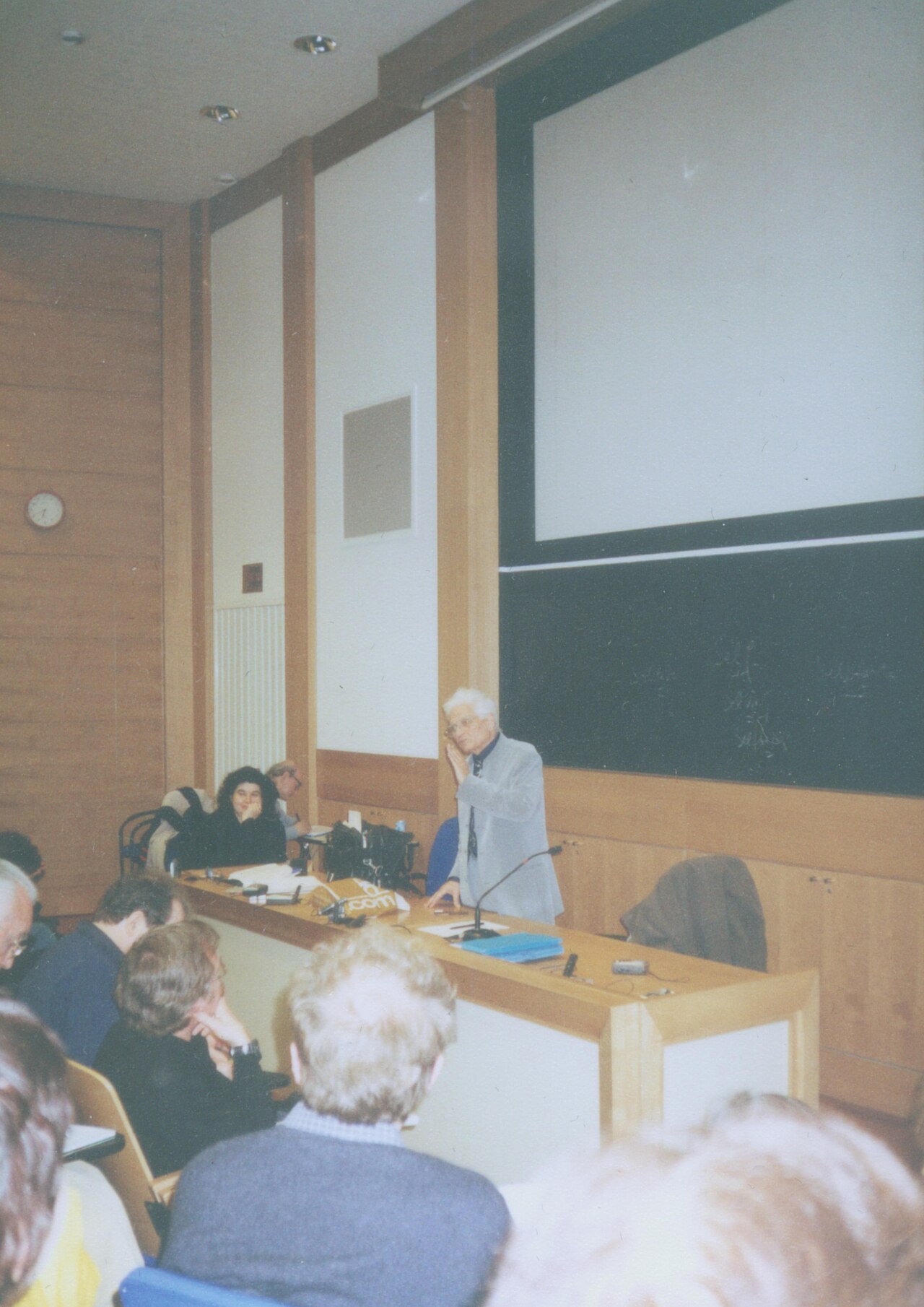
Derrida's Structure, Sign and Play lecture
1966
 History Event
Foucault's Discipline and Punish
1975
 History Event
Hassan's The Dismemberment of Orpheus
1971
 History Event
Jencks's The Language of Post-Modern Architecture
1977
 History Event
Lyotard's The Postmodern Condition
1979
 World View
Postmodernism
Postmodernism doubts every grand story that claims to explain everything; it treats truth as shaped by language, culture, and power rather than simply discovered.