Bahá'í Faith

The Bahá'í Faith timeline in the History of Worldviews.

Streams: All of Bahá'í Faith Bábí Faith The Revelation of Bahá'u'lláh Ministry of 'Abdu'l-Bahá Guardianship and the Universal House of Justice The Universal House of Justice

The Bábí Era

1817

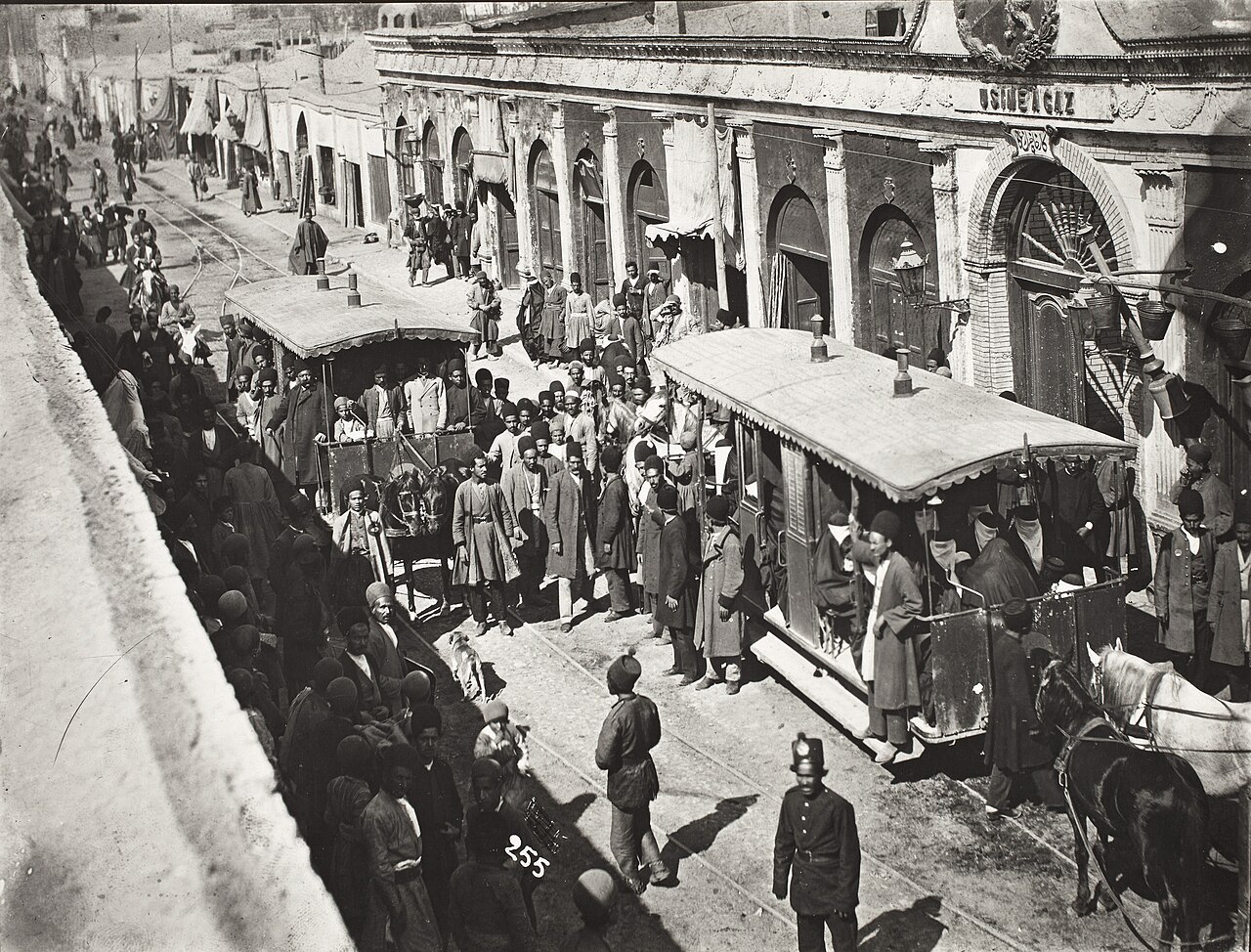
Birth of Bahá'u'lláh

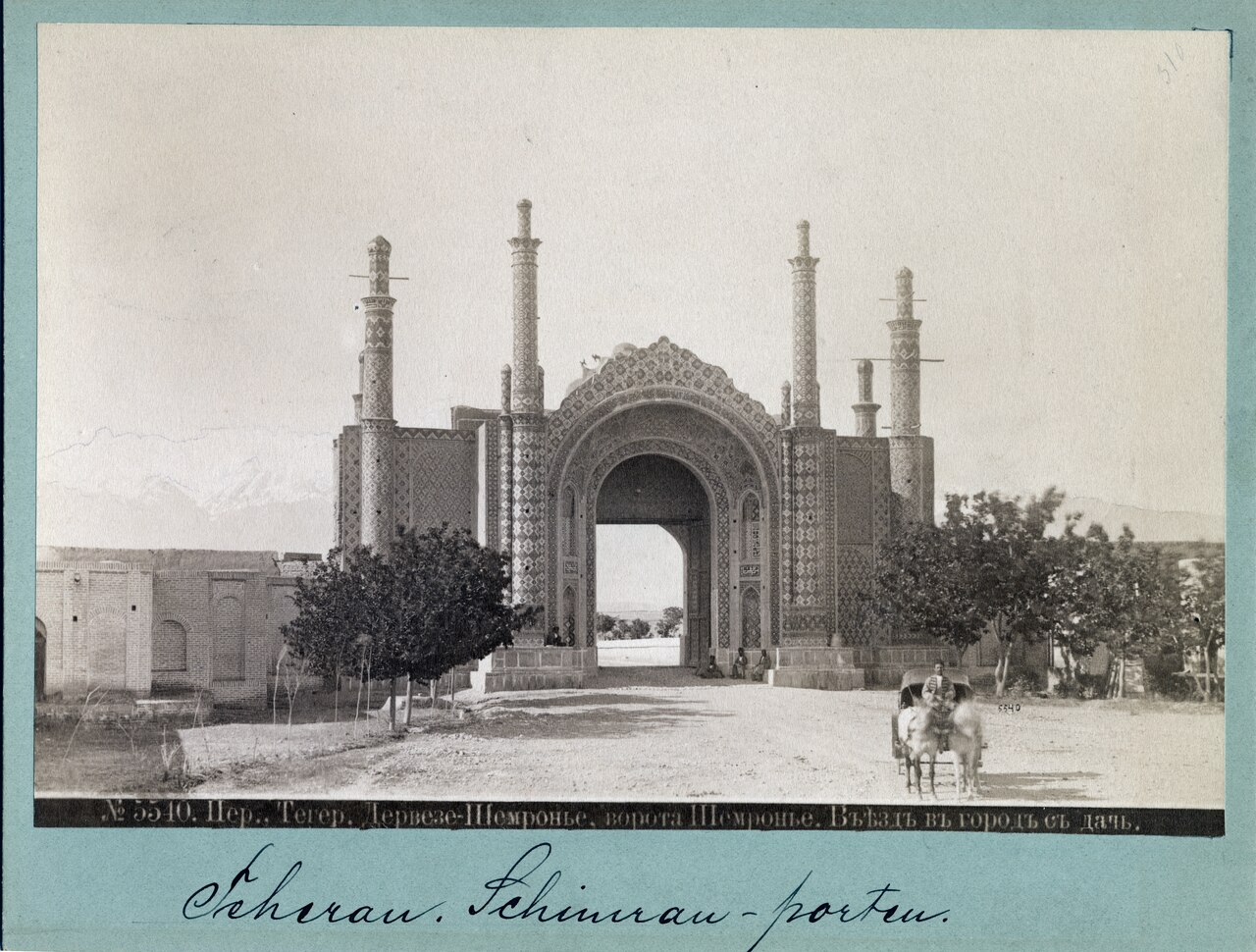
Mírzá Husayn-'Alí, later Bahá'u'lláh, the Glory of God, is born in Tehran on 12 November 1817 to a court family of Núr. A leading disciple of the Báb from 1844, he becomes the figure the Báb's writings foretold, and the Bahá'í Faith counts its revelation from his declaration in 1863.

Tehran
1819

Birth of the Báb

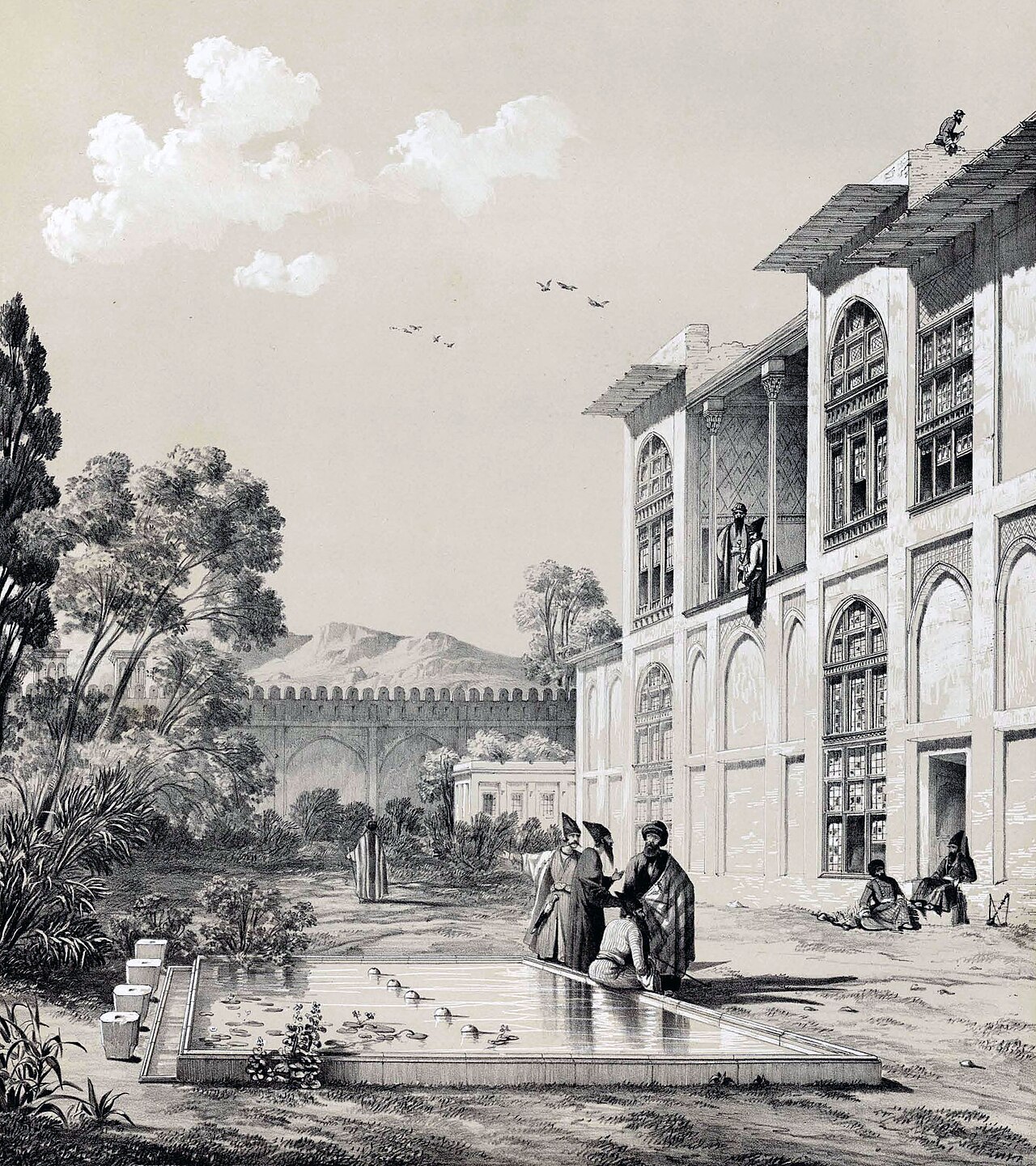
Siyyid 'Alí-Muhammad, later the Báb, the Gate, is born in Shiraz on 20 October 1819 to a merchant family. Raised in the Shaykhi expectation of the promised Qá'im, in 1844 he declares himself the bearer of a new revelation, and the Bábí movement begins.

Shiraz
1844

Declaration of the Báb

On 23 May 1844 in Shiraz, the Báb declares his mission to Mullá Husayn, the first of his eighteen Letters of the Living. The Bábí Faith spreads across Persia on the claim that the promised one has come and that a greater revelation stands behind his own.

Shiraz
1850

Martyrdom of the Báb

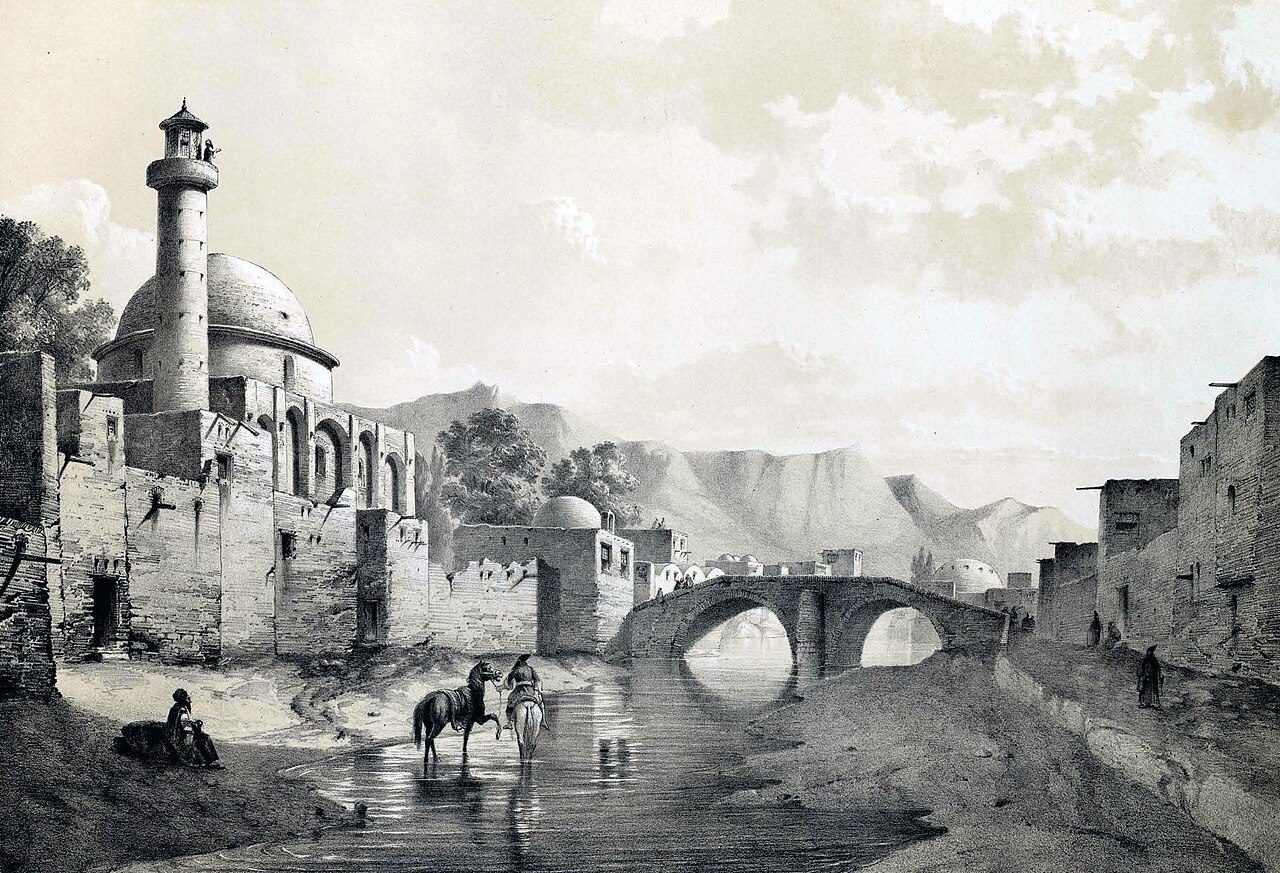
On 9 July 1850 the Báb is executed by firing squad in the barrack square of Tabriz, after years of imprisonment at Mákú and Chihríq. The Bábí community is scattered by persecution, and its remnant gathers around Bahá'u'lláh.

Tabriz
1852

Bahá'u'lláh's imprisonment

After an attempt on the Shah's life by two Bábís in 1852, Bahá'u'lláh is held for four months in the Síyáh-Chál, the Black Pit of Tehran. Bahá'ís understand this imprisonment as the moment of his intimation of revelation, the vision of the Maid of Heaven recorded in his own writings.

Tehran

The Heroic Age

1863

Ridván declaration

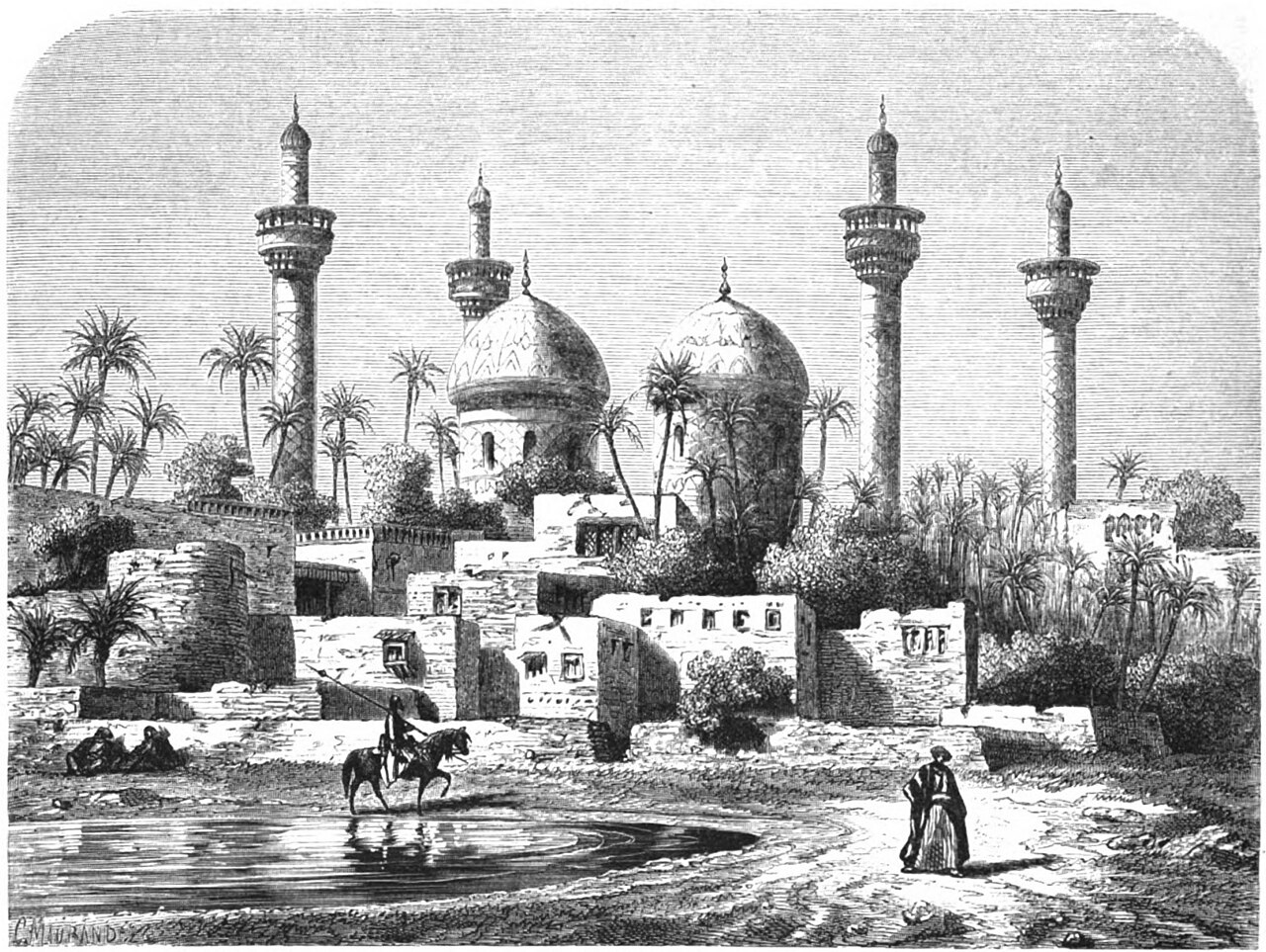
In the garden outside Baghdad that his followers name Ridván, paradise, Bahá'u'lláh declares to his companions, over twelve days in April and May 1863, that he is the one foretold by the Báb. The festival of Ridván is the Bahá'í Faith's holiest celebration, and the declaration opens the faith's own history.

Baghdad
1868

Exile to Akka

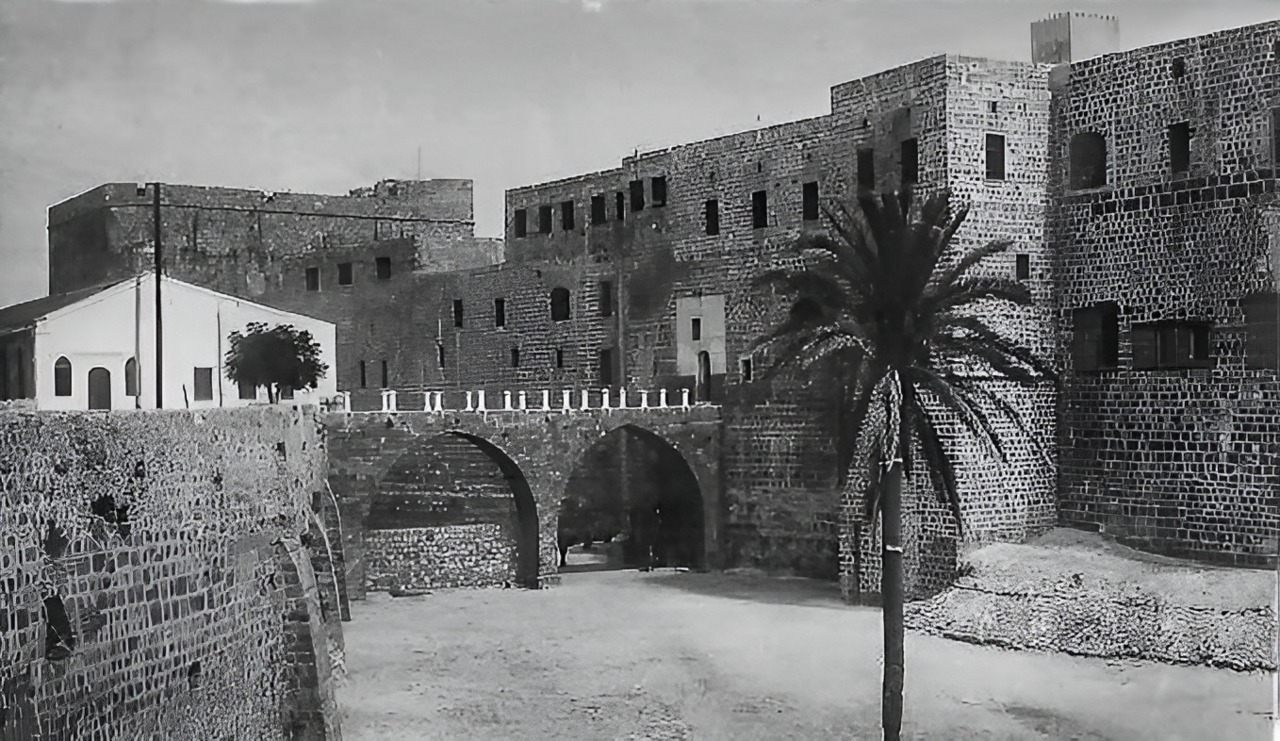
Exiled successively to Baghdad, Constantinople, and Adrianople, Bahá'u'lláh is finally banished by the Ottoman Sultan to the prison city of Akka in Ottoman Palestine, arriving on 31 August 1868. He remains a prisoner and exile in the Akka and Haifa area for the rest of his life, and the region becomes the faith's world centre.

Akka
1873

Kitáb-i-Aqdas

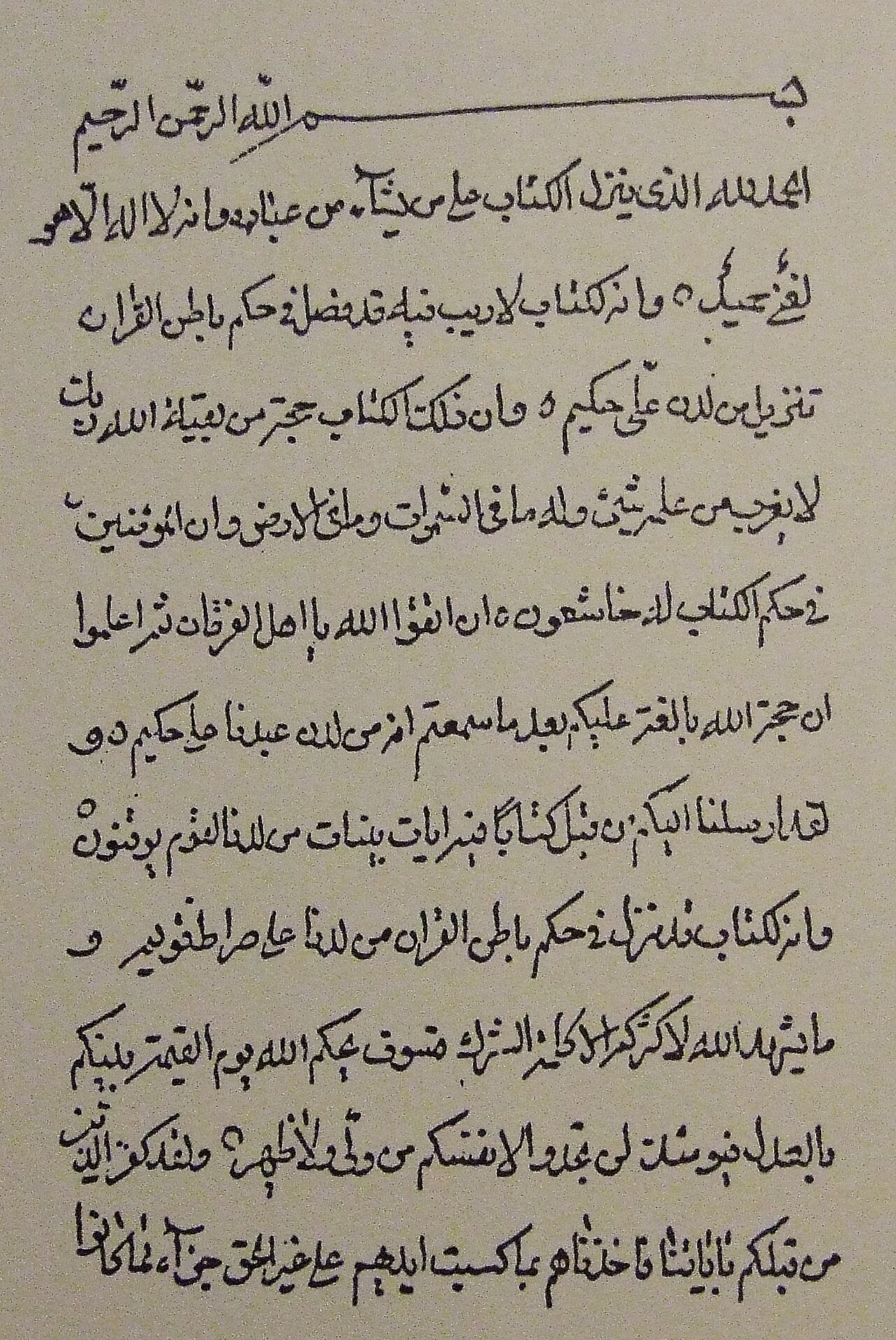
In Akka about 1873 Bahá'u'lláh reveals the Kitáb-i-Aqdas, the Most Holy Book, his book of laws: the charter of Bahá'í personal and communal life, prescribing prayer, fasting, marriage, and the institutions of the Administrative Order, and naming his son 'Abdu'l-Bahá as his successor and interpreter.

Akka

The Ministry of 'Abdu'l-Bahá

1892-1921

'Abdu'l-Bahá

'Abdu'l-Bahá, the Servant of Glory, Bahá'u'lláh's eldest son and appointed successor, heads the faith from 1892 to 1921. Released from confinement by the Young Turk revolution of 1908, he interprets the writings, corresponds with believers across the world, and lays the foundations of the community's expansion.

Haifa and Akka
1892

Death of Bahá'u'lláh

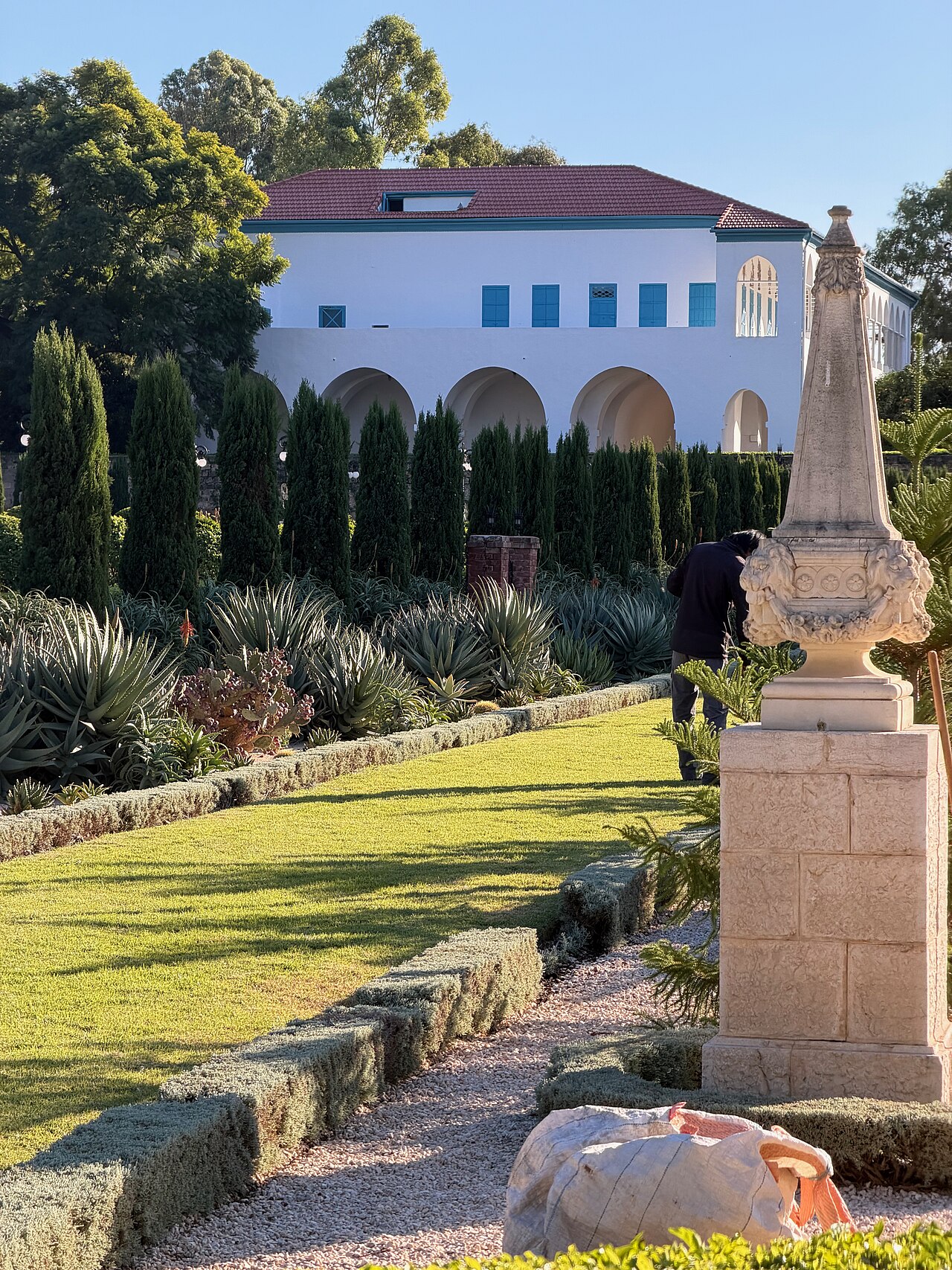
Bahá'u'lláh dies on 29 May 1892 at the Mansion of Bahjí outside Akka, where he had lived under eased confinement, and is buried in the room adjoining the mansion. His shrine at Bahjí is the point toward which Bahá'ís turn in prayer, the faith's holiest place.

Bahjí, near Akka
1892-present

The Covenant-breaker controversies

At each succession, a small number of claimants have disputed the appointed line, and this record states them with the caution the subject requires. After 1892, Bahá'u'lláh's son Mírzá Muhammad 'Alí contested 'Abdu'l-Bahá's headship; after 1957, Charles Mason Remey claimed the Guardianship, and a small Orthodox Bahá'í Faith later formed around his successors. The worldwide Bahá'í community characterizes these claimants as Covenant-breakers and holds no fellowship with them; the claimants' own followers dispute that characterization and maintain their separate accounts. The numbers involved have always been very small beside the worldwide community. The record names the claims, the community's response, and the scholarly literature, and settles none of it.


Haifa and worldwide
1911-1913

'Abdu'l-Bahá's Western travels

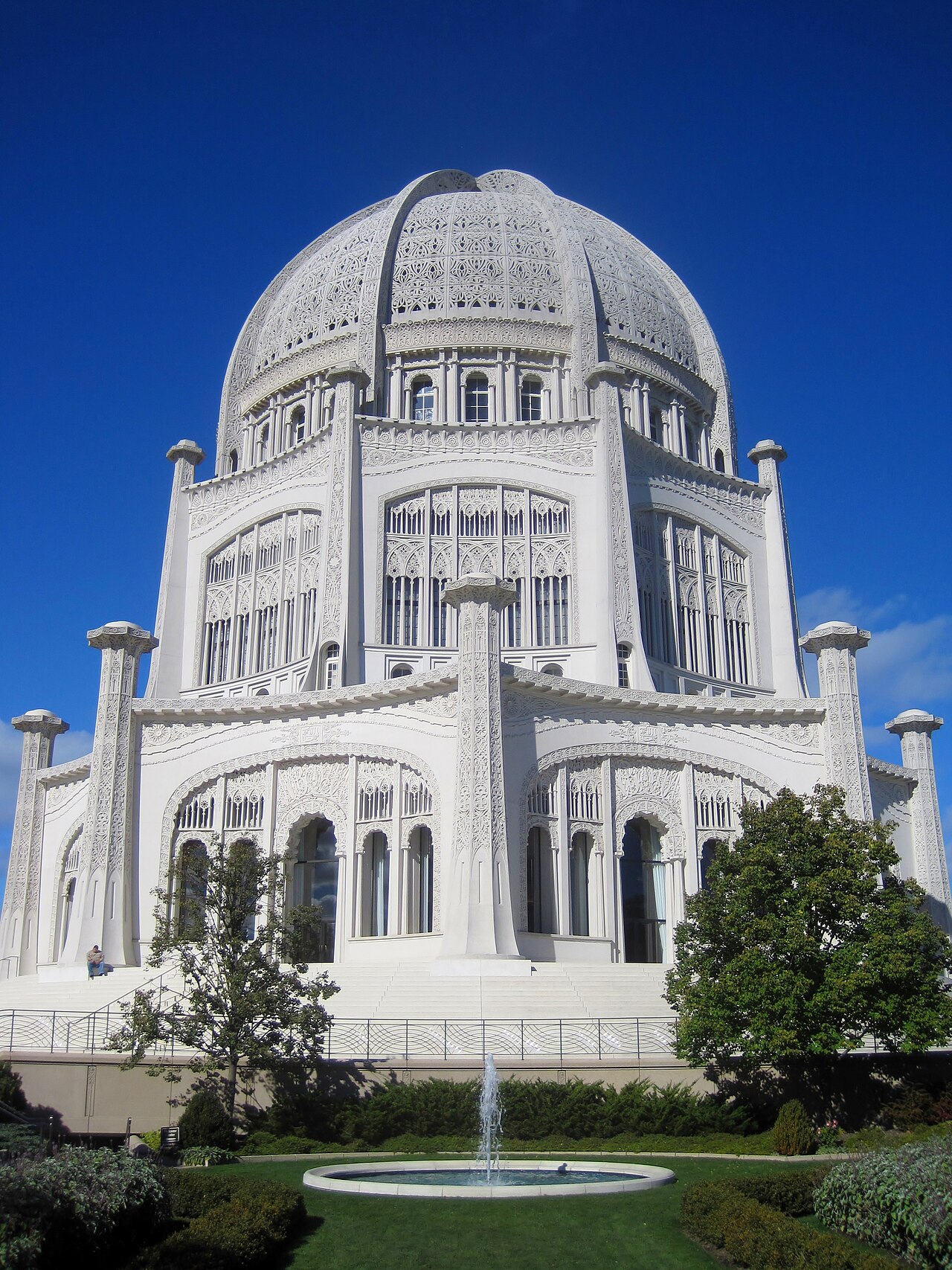
From 1911 to 1913 'Abdu'l-Bahá journeys through Egypt, Europe, and North America, speaking in churches, universities, and public halls on the oneness of humanity, the harmony of science and religion, and the abolition of prejudice. In 1912 he lays the cornerstone of the Bahá'í House of Worship at Wilmette, Illinois.

Europe and North America

The Formative Age

1921-1957

Guardianship of Shoghi Effendi

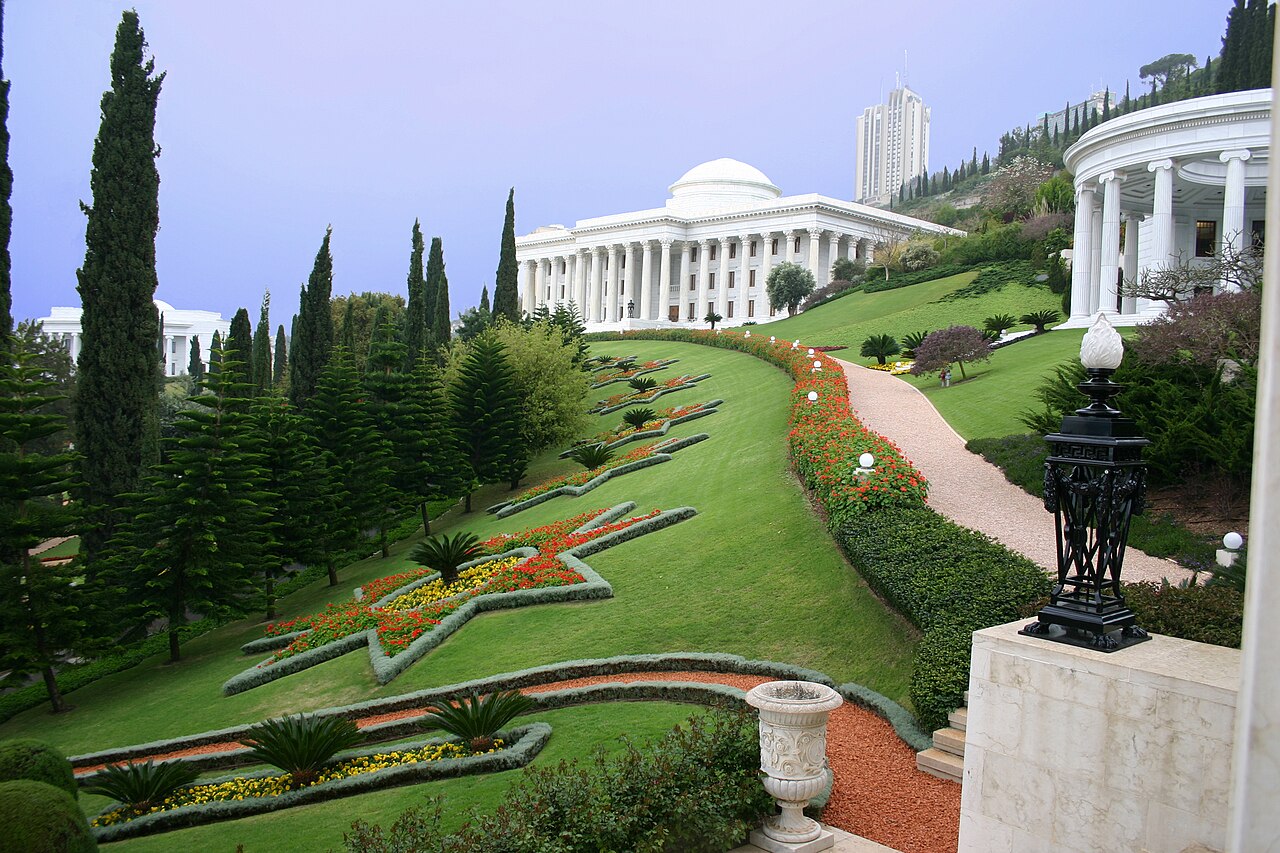
Shoghi Effendi, 'Abdu'l-Bahá's grandson, named Guardian in his grandfather's Will and Testament, leads the faith from 1921 to 1957. He builds the Administrative Order, raises the World Centre buildings on Mount Carmel, directs the community's global teaching plans, and translates its central texts into English.

Haifa
1963

Universal House of Justice elected

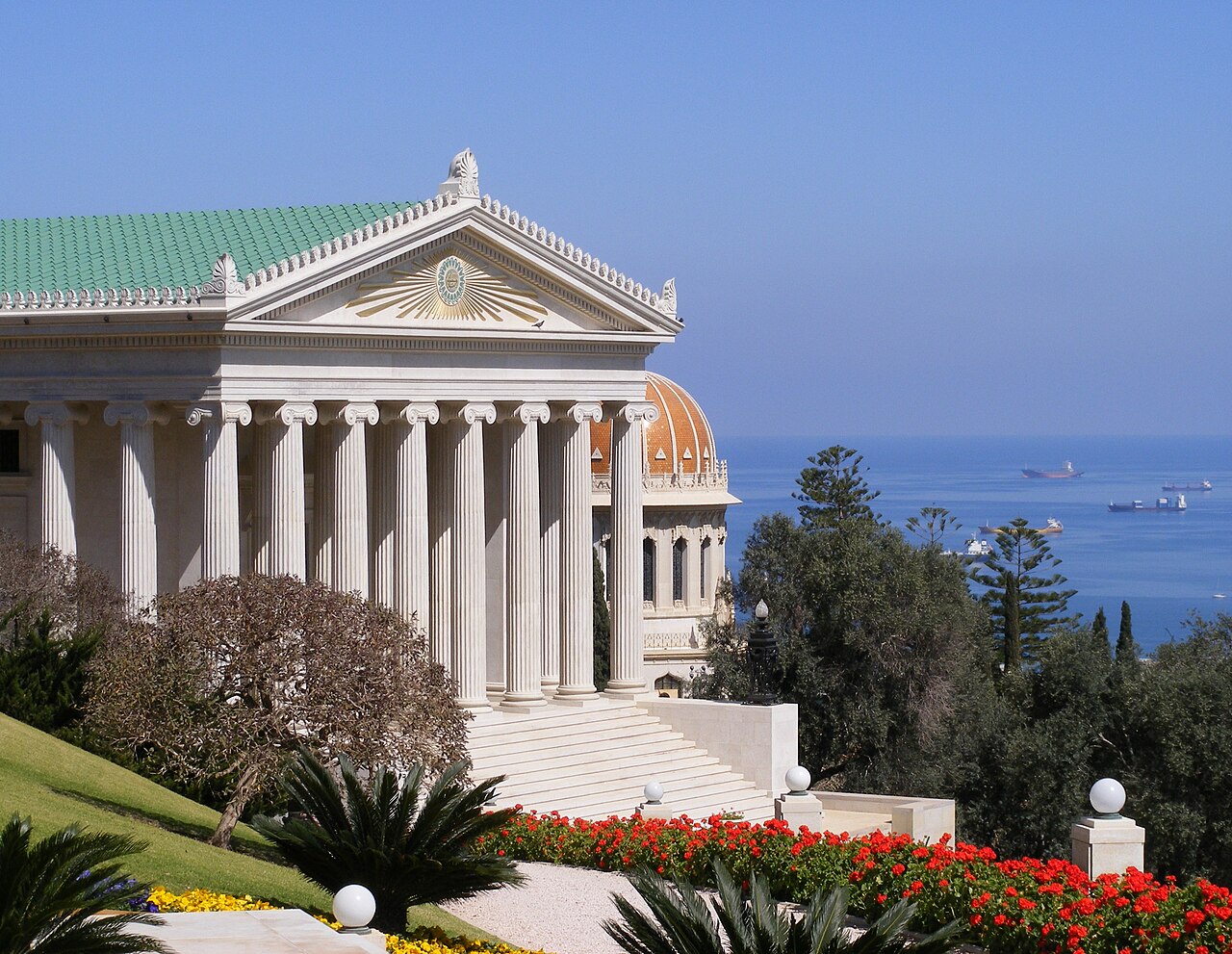
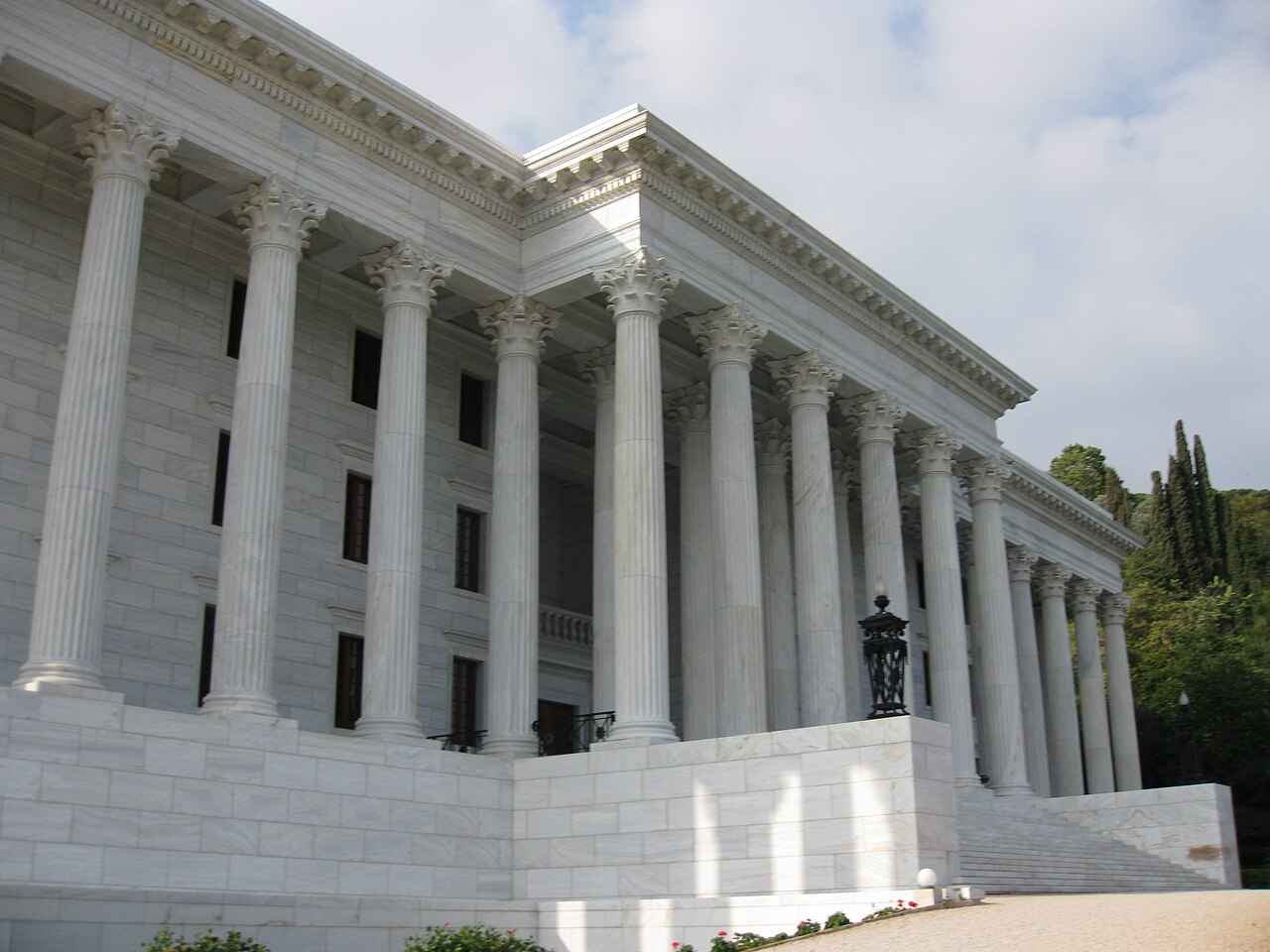
In April 1963, at the close of the Ten Year Crusade, the members of the world's National Spiritual Assemblies elect the Universal House of Justice for the first time, in Haifa. The nine-member body, provided for in Bahá'u'lláh's writings and seated on Mount Carmel from 1983, is the faith's supreme institution.

Haifa
1979-present

Persecution in Iran

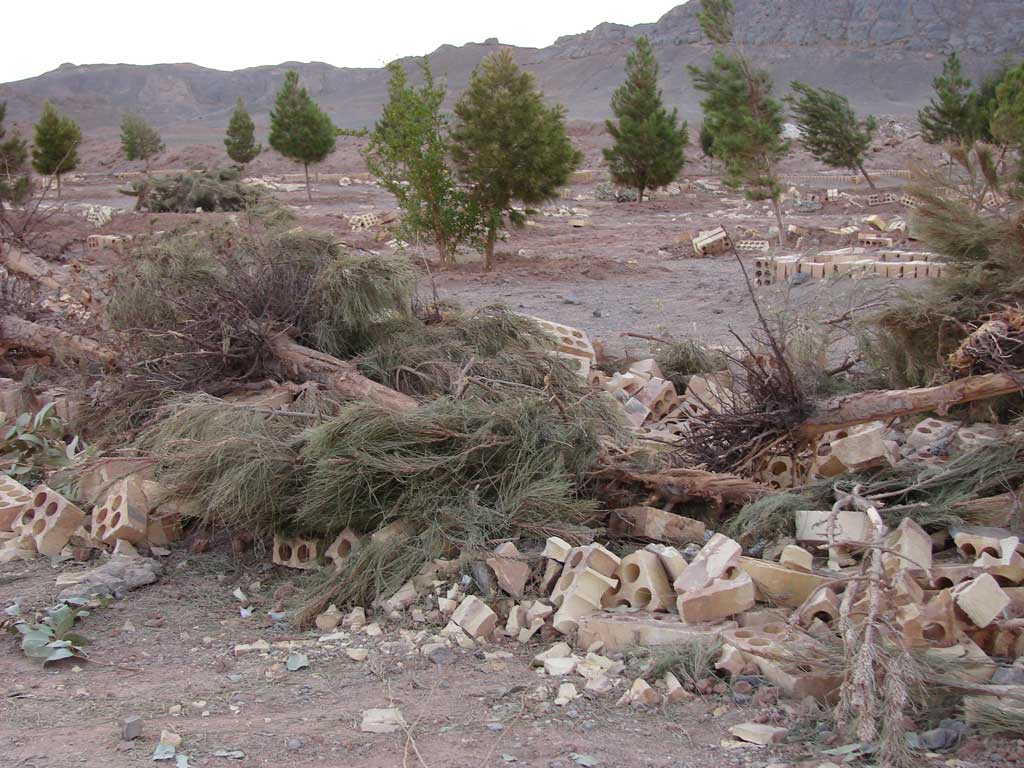
After the Islamic Revolution of 1979, the Bahá'ís of Iran, the country's largest religious minority, face systematic persecution: more than two hundred are executed in the 1980s, properties and cemeteries are confiscated or destroyed, and believers are barred from universities and public employment. The campaign continues, documented year by year by United Nations rapporteurs.

Iran