Bahá'í Faith

The Guardianship and the Universal House of Justice stream of the Bahá'í Faith timeline.

Streams: All of Bahá'í Faith Bábí Faith The Revelation of Bahá'u'lláh Ministry of 'Abdu'l-Bahá Guardianship and the Universal House of Justice The Universal House of Justice

The Ministry of 'Abdu'l-Bahá

1892-present

The Covenant-breaker controversies

At each succession, a small number of claimants have disputed the appointed line, and this record states them with the caution the subject requires. After 1892, Bahá'u'lláh's son Mírzá Muhammad 'Alí contested 'Abdu'l-Bahá's headship; after 1957, Charles Mason Remey claimed the Guardianship, and a small Orthodox Bahá'í Faith later formed around his successors. The worldwide Bahá'í community characterizes these claimants as Covenant-breakers and holds no fellowship with them; the claimants' own followers dispute that characterization and maintain their separate accounts. The numbers involved have always been very small beside the worldwide community. The record names the claims, the community's response, and the scholarly literature, and settles none of it.
Haifa and worldwide

The Formative Age

1921-1957

Guardianship of Shoghi Effendi

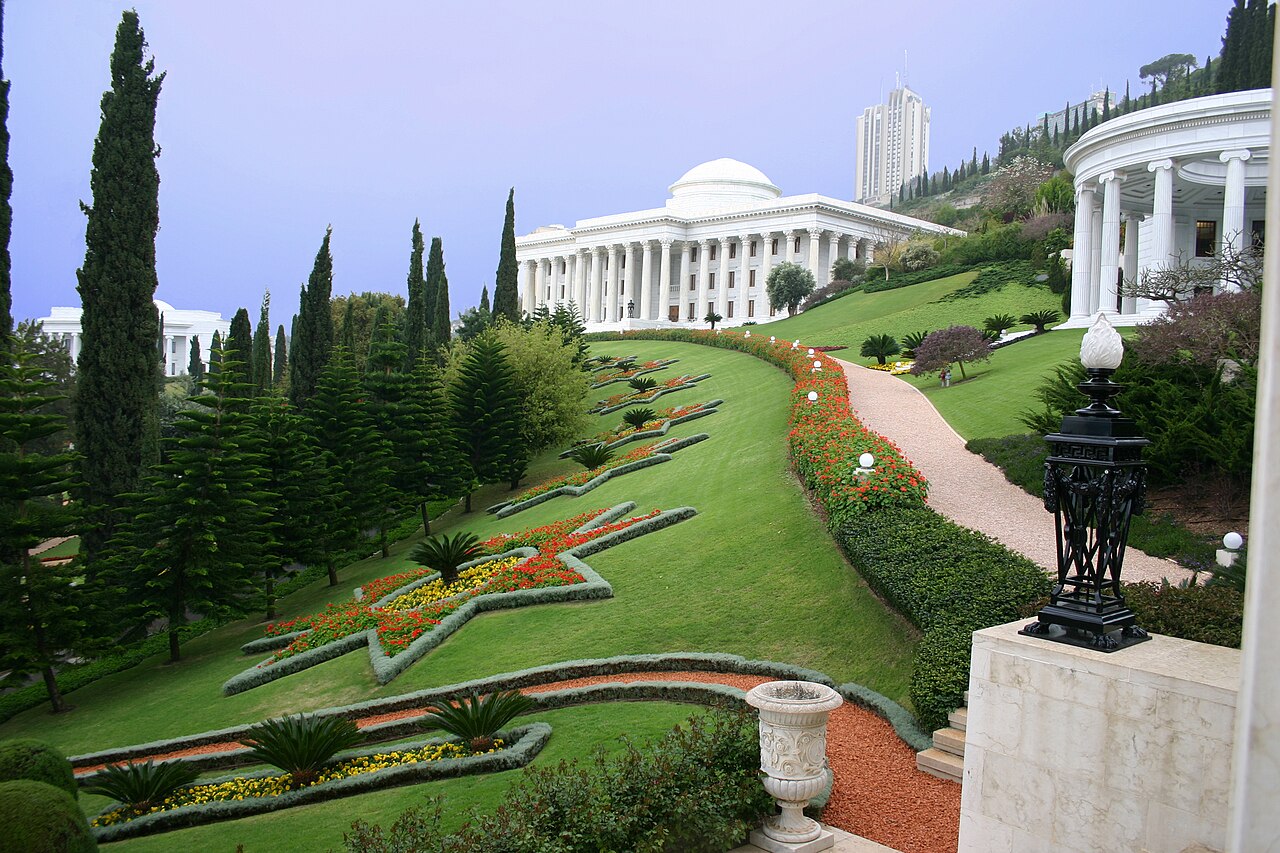
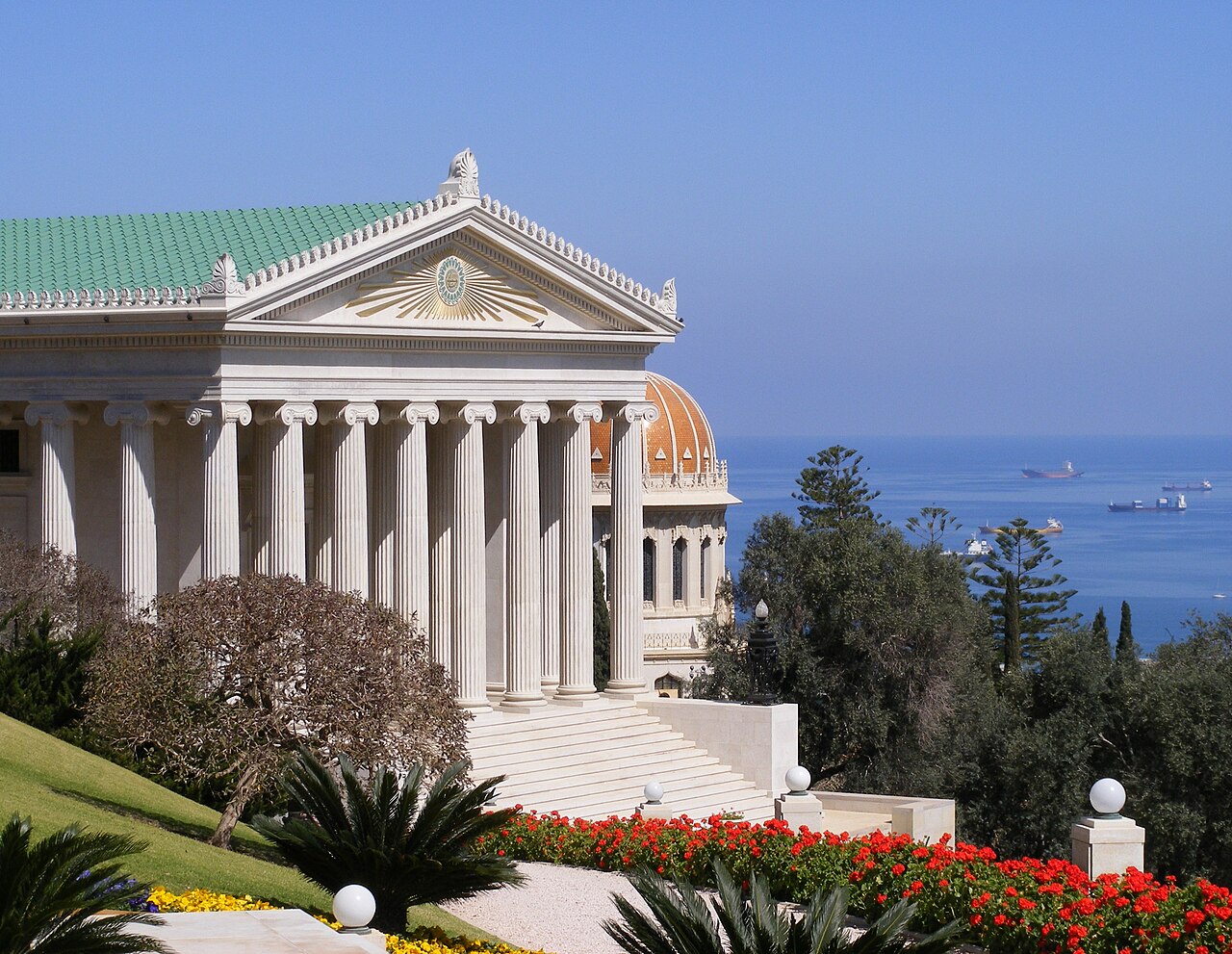
Shoghi Effendi, 'Abdu'l-Bahá's grandson, named Guardian in his grandfather's Will and Testament, leads the faith from 1921 to 1957. He builds the Administrative Order, raises the World Centre buildings on Mount Carmel, directs the community's global teaching plans, and translates its central texts into English.

Haifa
1963

Universal House of Justice elected

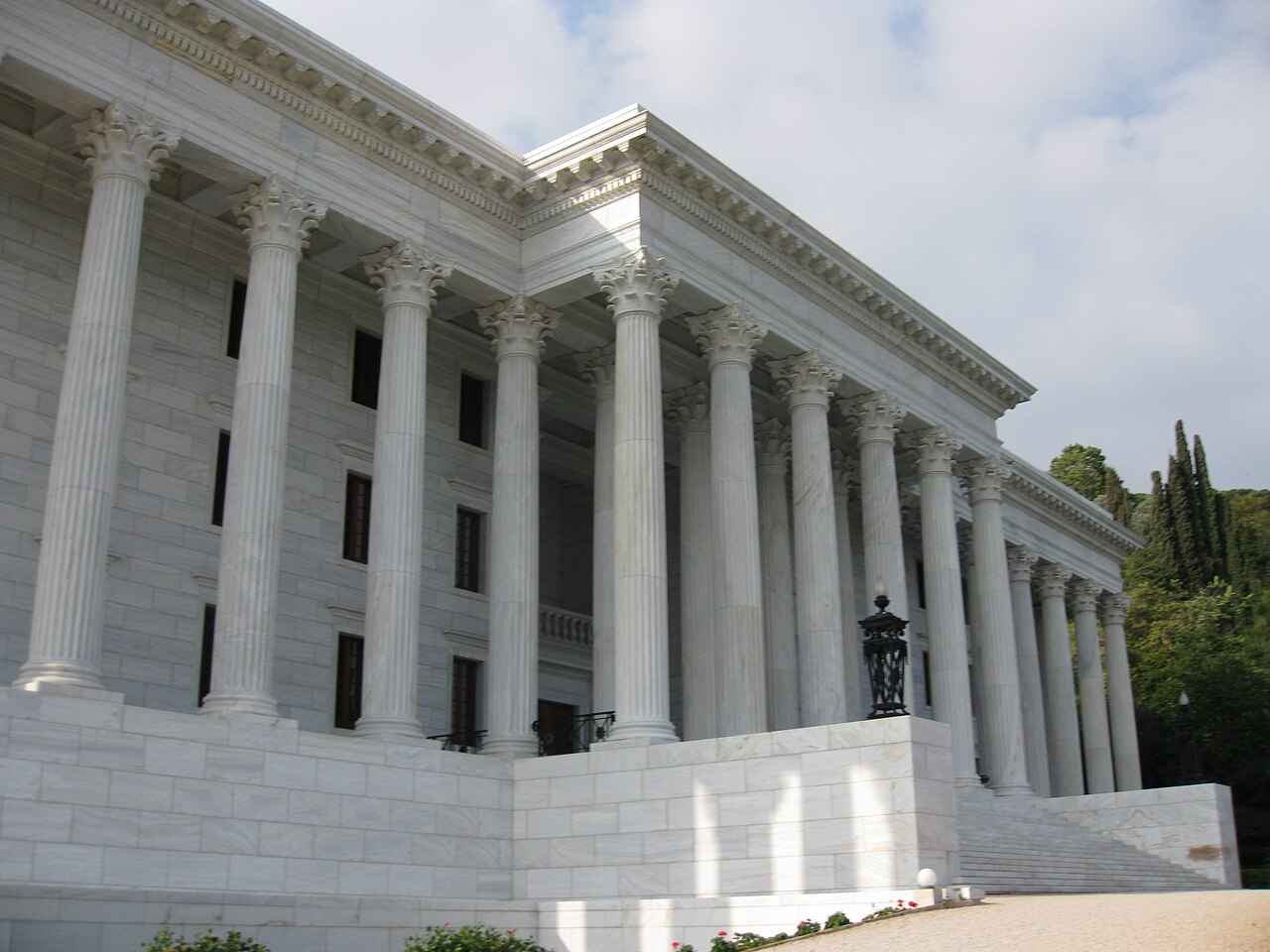
In April 1963, at the close of the Ten Year Crusade, the members of the world's National Spiritual Assemblies elect the Universal House of Justice for the first time, in Haifa. The nine-member body, provided for in Bahá'u'lláh's writings and seated on Mount Carmel from 1983, is the faith's supreme institution.

Haifa
1979-present

Persecution in Iran

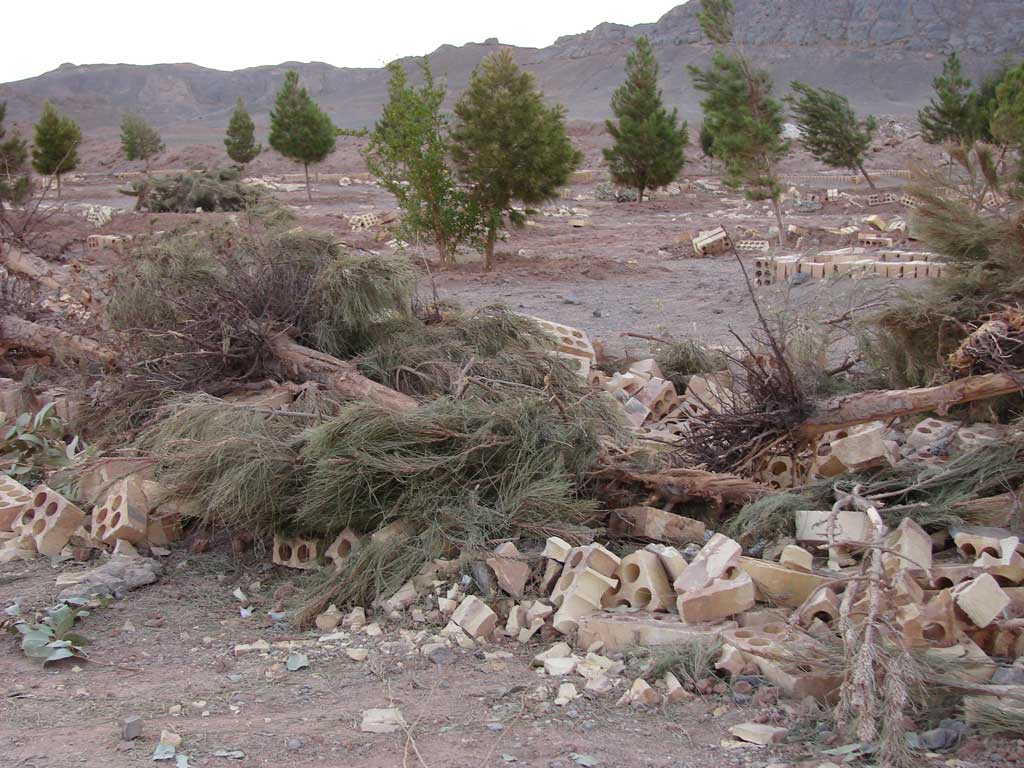
After the Islamic Revolution of 1979, the Bahá'ís of Iran, the country's largest religious minority, face systematic persecution: more than two hundred are executed in the 1980s, properties and cemeteries are confiscated or destroyed, and believers are barred from universities and public employment. The campaign continues, documented year by year by United Nations rapporteurs.

Iran