

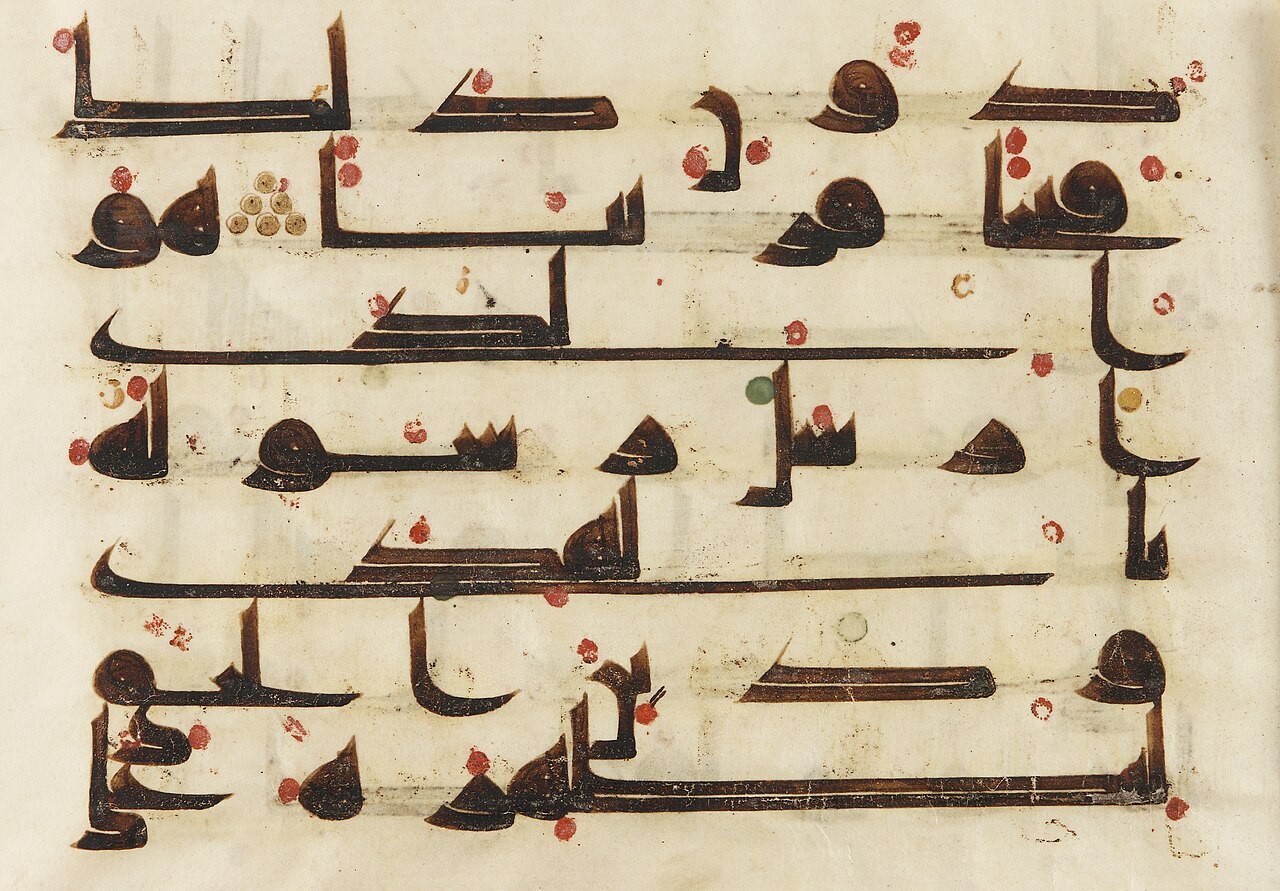
The caliphs al-Ma'mun and his two successors impose the mihna, an inquisition requiring officials and scholars to affirm the createdness of the Qur'an, the Mu'tazila doctrine; Ahmad ibn Hanbal's refusal and flogging make him Sunni Islam's emblem of resistance, and al-Mutawakkil abandons the test.
Tagged: Persecution Hanbali Mu'tazila Muslim Sunni Islam
The Event
- Date
- 833–848 (exact)
- Also called
- The Inquisition
- Era
- Abbasid; Standard periodization of Islamic history
- Location
- Baghdad; today Baghdad, Iraq
- Traditions
- Islam
- Streams
- Mu'tazila, Hanbali, Sunni Islam
- Key figures
- Al-Ma'mun, Ahmad ibn Hanbal, Al-Mutawakkil
How the Tradition Tells It
The mihna fixed a boundary the schools still trace: Ash'ari theology affirms the Qur'an as God's uncreated speech with rational argument, Hanbali traditionalism refuses the speculative framing itself, and the Mu'tazila, who lost the inquisition's patronage, survive as a school chiefly in the commentary tradition and in Zaydi theology.
Primary Sources
- Al-Tabari, History
Secondary Sources
- Kennedy, The Prophet and the Age of the Caliphates (Routledge, 3rd ed. 2016)
- Berkey, The Formation of Islam: Religion and Society in the Near East, 600-1800 (Cambridge, 2003)
Provenance: HIST-0223; confidence 0.95; accessed 2026-10-27.
Related on This Site
- Mimar Sinan Artist
- Abbasid revolution History Event
- Birth of Muhammad History Event
- Death of Ibn Hanbal History Event
- Death of Ibn Qudama History Event
- Death of Ibn Taymiyya History Event
- First revelation History Event
- Ibn Abd al-Wahhab–Saud alliance History Event