Confucianism

The Classical Confucianism stream of the Confucianism timeline.

Streams: All of Confucianism Classical Confucianism Imperial Confucianism Neo-Confucianism New Confucianism

The Classical Age

551-479 BCE

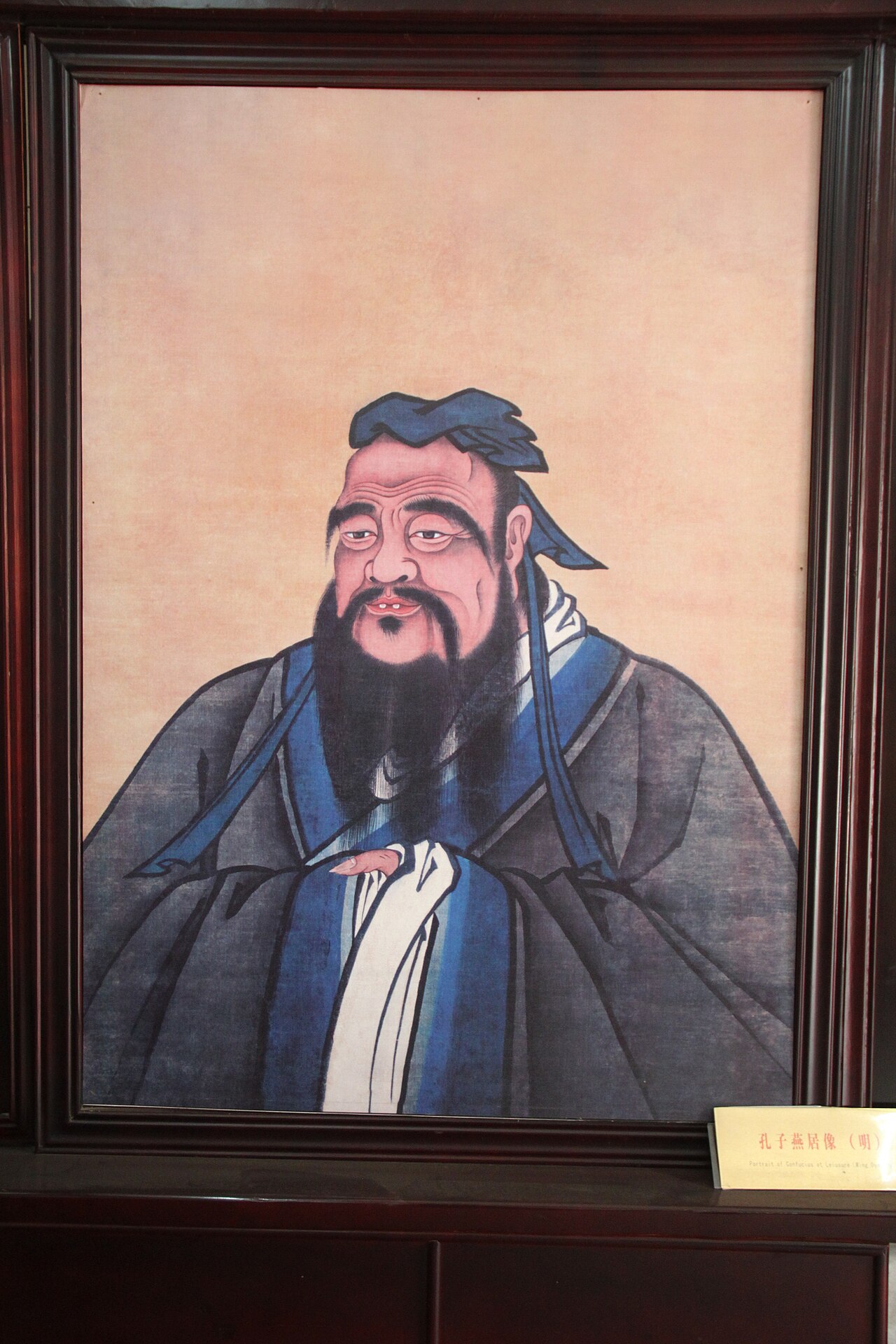
Confucius

Confucius, Kong Qiu of Lu, taught that a disordered age is healed by ritual propriety, filial devotion, and rulers who govern by virtue rather than force. A minor official and then a wandering teacher, he gathered the disciples whose recorded conversations became the Analects. He died without office and without honor in his own state, and his school, the Ru, carried his teaching into every later century of Chinese life.
Qufu, in the state of Lu
372-289 BCE

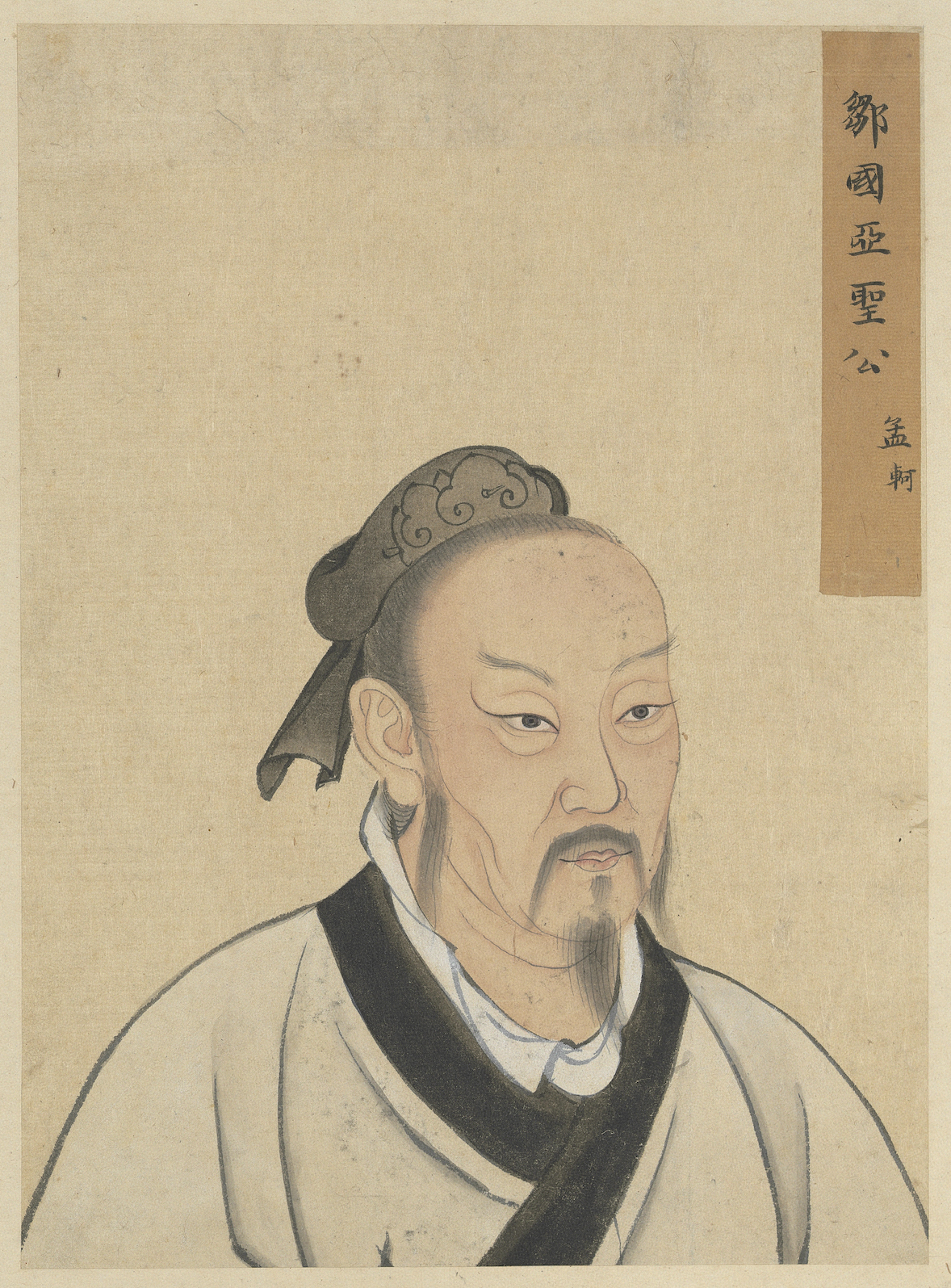
Mencius

Mencius, Meng Ke, defended Confucius's teaching a century after the master's death and gave it its doctrine of the heart: human nature is good, and its four sprouts, compassion, shame, deference, and approval, grow into the virtues as a seed grows. He taught kings that a ruler who starves his people forfeits the Mandate of Heaven, and his book became the second pillar of the classical tradition.

The state of Zou
c. 310-235 BCE

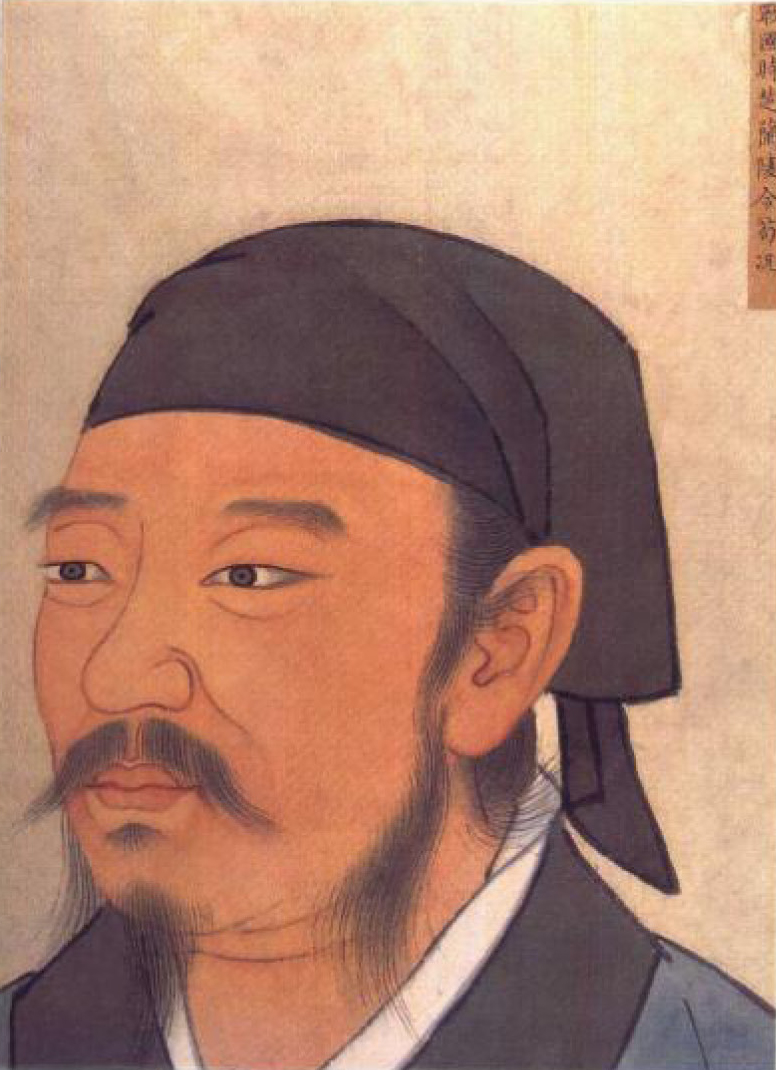
Xunzi

Xunzi, the last great classical master, answered Mencius directly: human nature is bad, and goodness is the product of conscious activity, of ritual training imposed as a carpenter's square corrects warped wood. His essays are the most systematic of the early school, and his students included Han Fei and Li Si, who carried his realism into the Legalist state that unified China against his teaching.

The Jixia academy, Qi
221 BCE

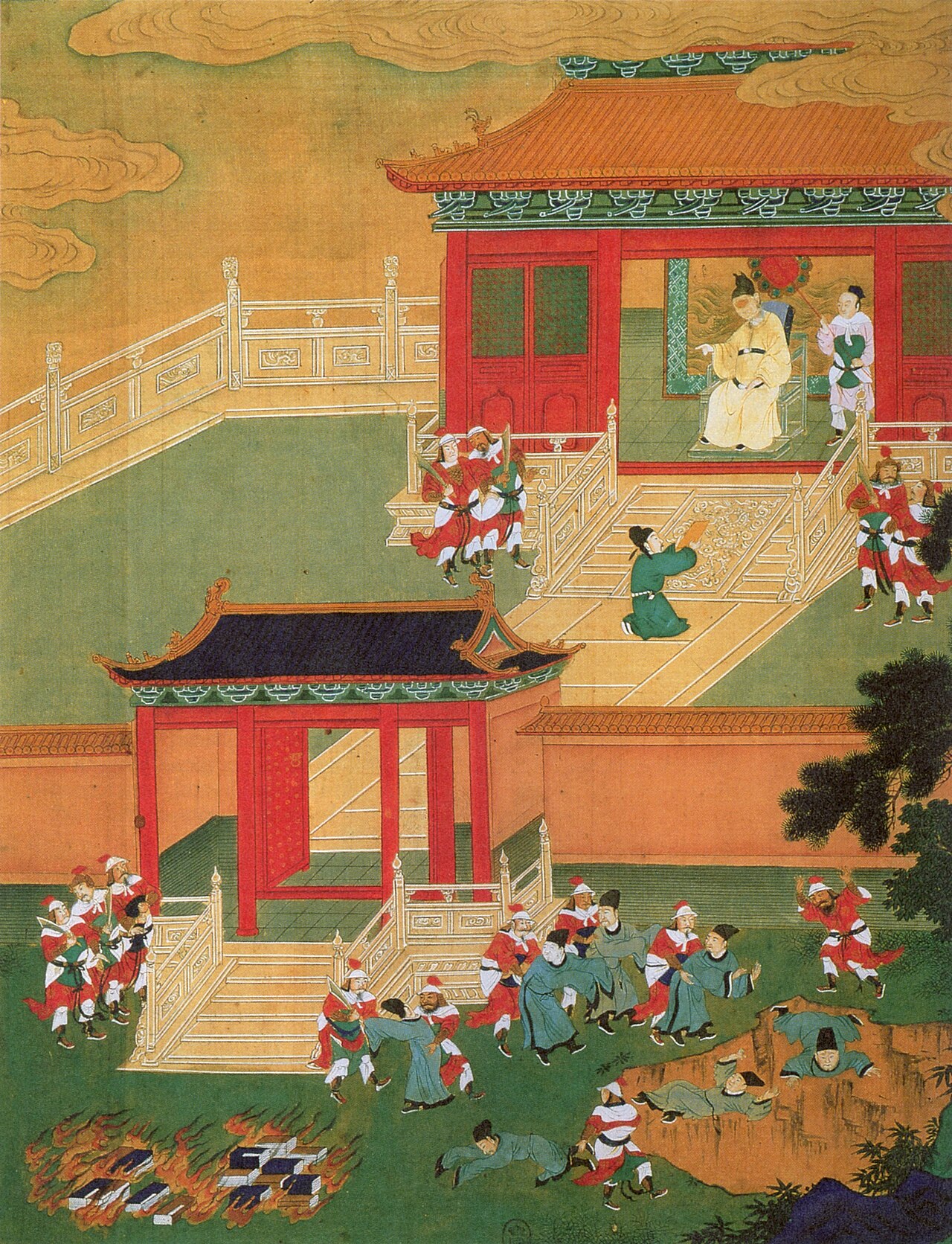
Qin unification; book burning

In 221 BCE the king of Qin conquered the last rival state and took the title First Emperor, and in 213 BCE his chancellor Li Si persuaded him to burn the privately held copies of the classics and the histories of the defeated states, keeping only the imperial library's set. Tradition adds the burying of scholars to the burning of books. The Confucian texts survived in hiding and in memory, and the dynasty that tried to erase them fell within fifteen years.

Xianyang, the Qin capital