

Linguistics & Languages of Theology and the World
Every faith on this site speaks. Scripture, prayer, creed, and doctrine reach us in languages; Hebrew and Greek, Arabic and Sanskrit, Pali and Latin; and the language shapes what is said and what can be said. This section treats language itself as a lens: the languages of the world's scriptures and liturgies, their families and scripts, the technical words of theology, and the great translations by which the texts have travelled.
Showing the Sikh family only. Show everything
Indo-European
Writing Systems
One language may use several scripts, and one script may serve many languages. Each script below records its ISO 15924 code, its Unicode range, and the languages on this site that use it.
 Hebr (125)
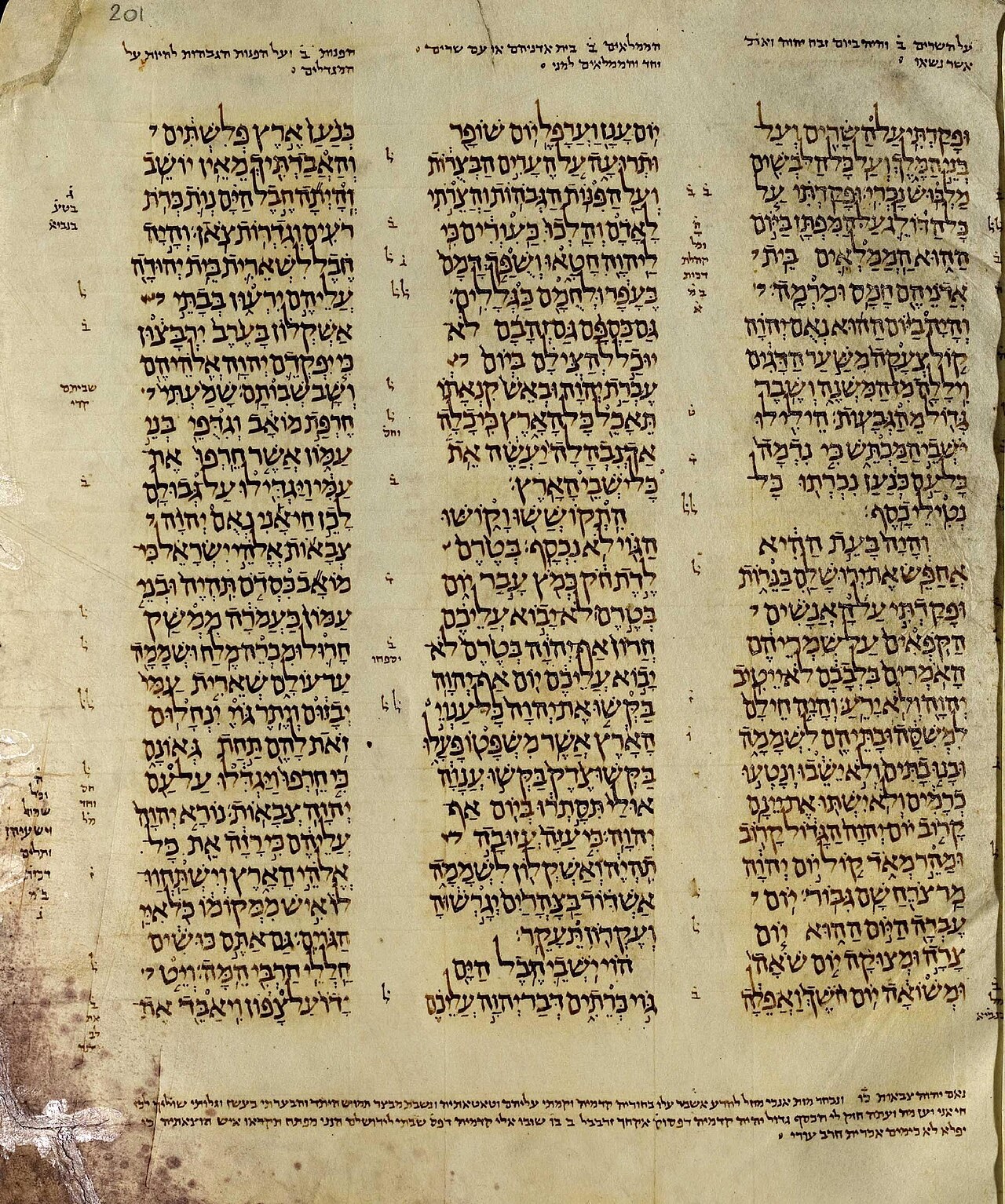
Hebrew Square Script
The square letterforms adopted from Imperial Aramaic, in which the Hebrew Bible, the Talmud, and nearly all later Jewish literature are written.
 Phnx (115)
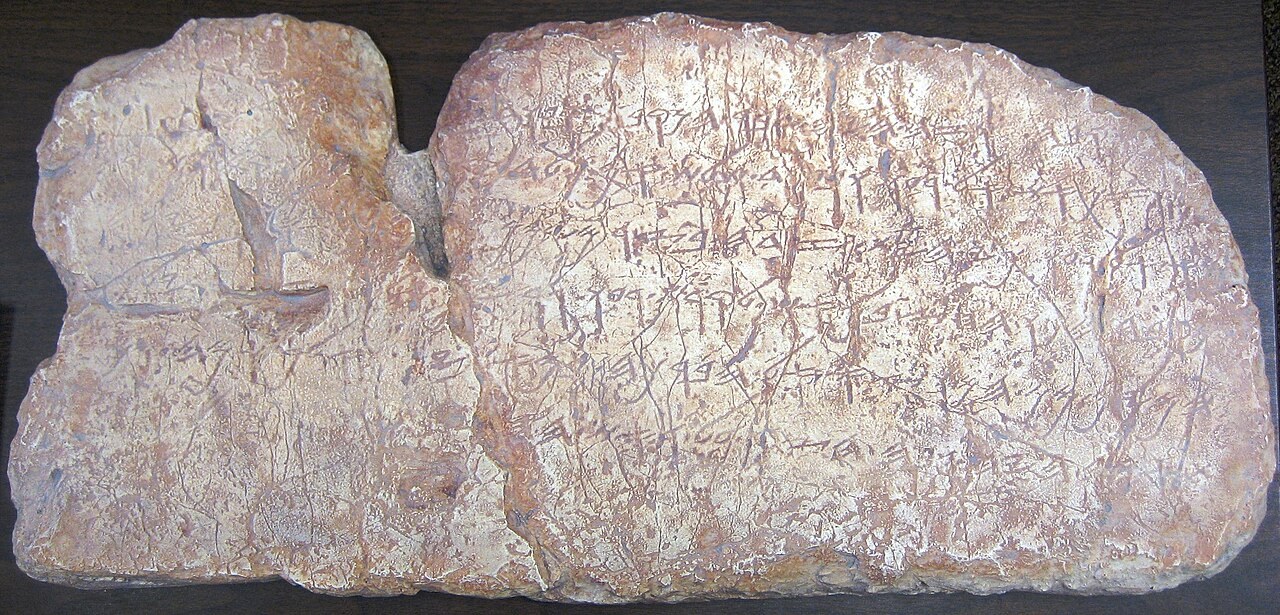
Paleo-Hebrew Script
The early alphabetic script of ancient Israel, derived from Phoenician; it survives in some Dead Sea Scrolls and in the divine name written within square-script manuscripts.
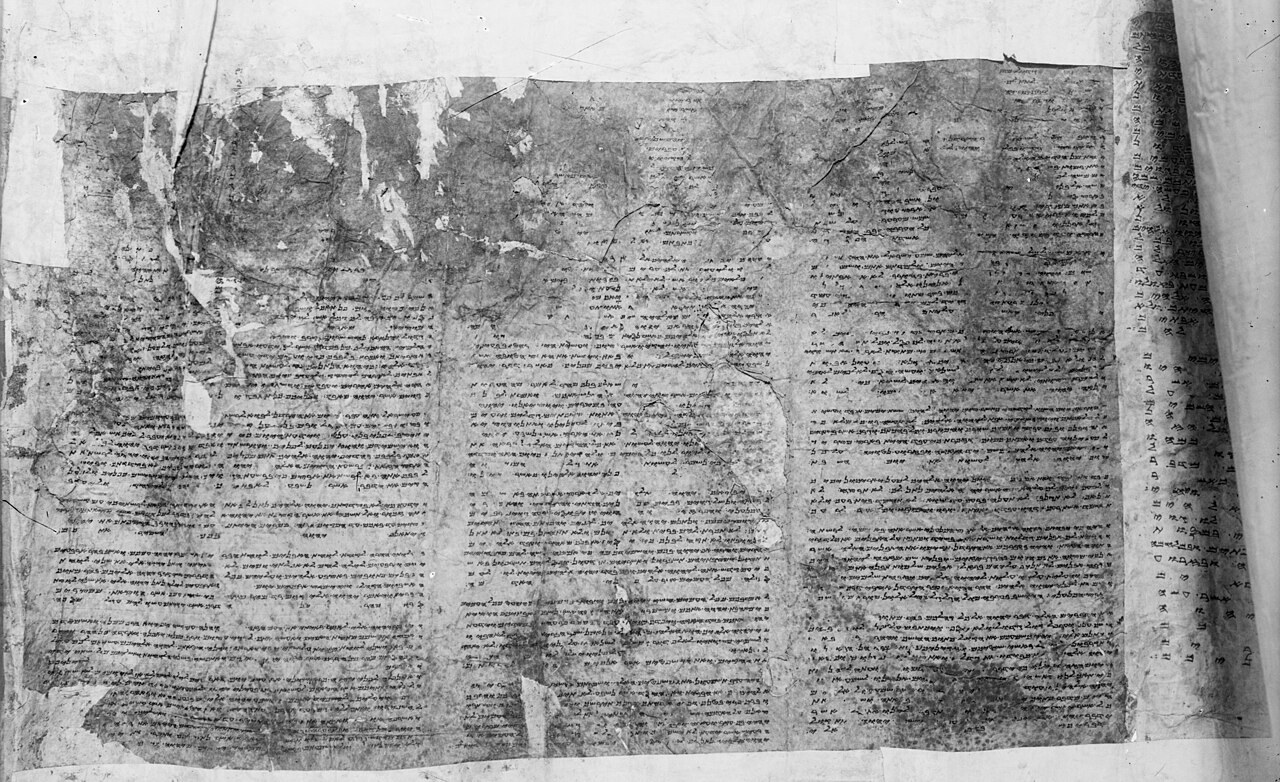 Samr (123)
Samaritan Script
The descendant of Paleo-Hebrew kept by the Samaritan community, used for the Samaritan Pentateuch to this day.
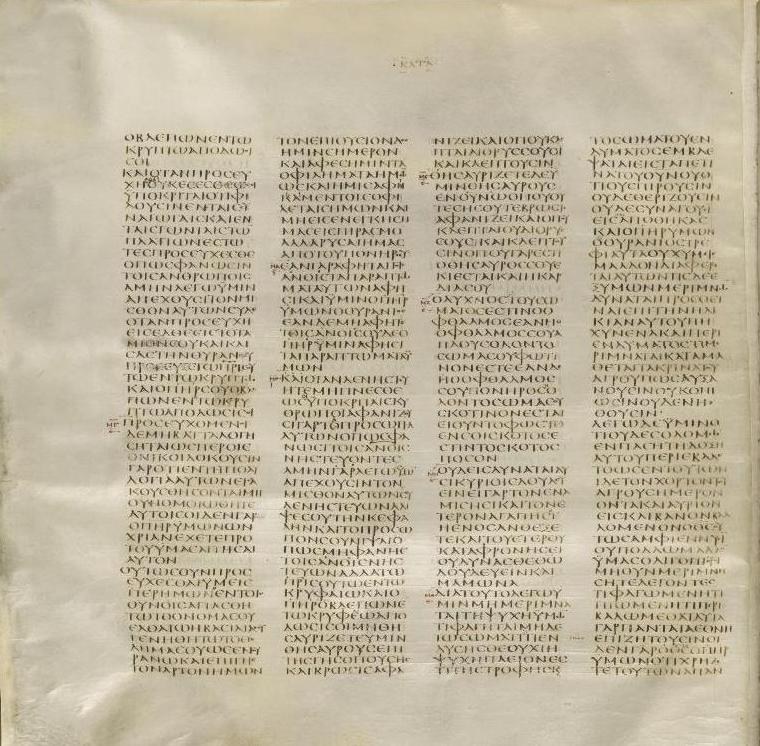 Grek (200)
Greek Alphabet
Written first in majuscule (uncial) hands for the great biblical codices, then in minuscule for medieval manuscripts; the script of the Septuagint, the New Testament, and the Greek fathers.
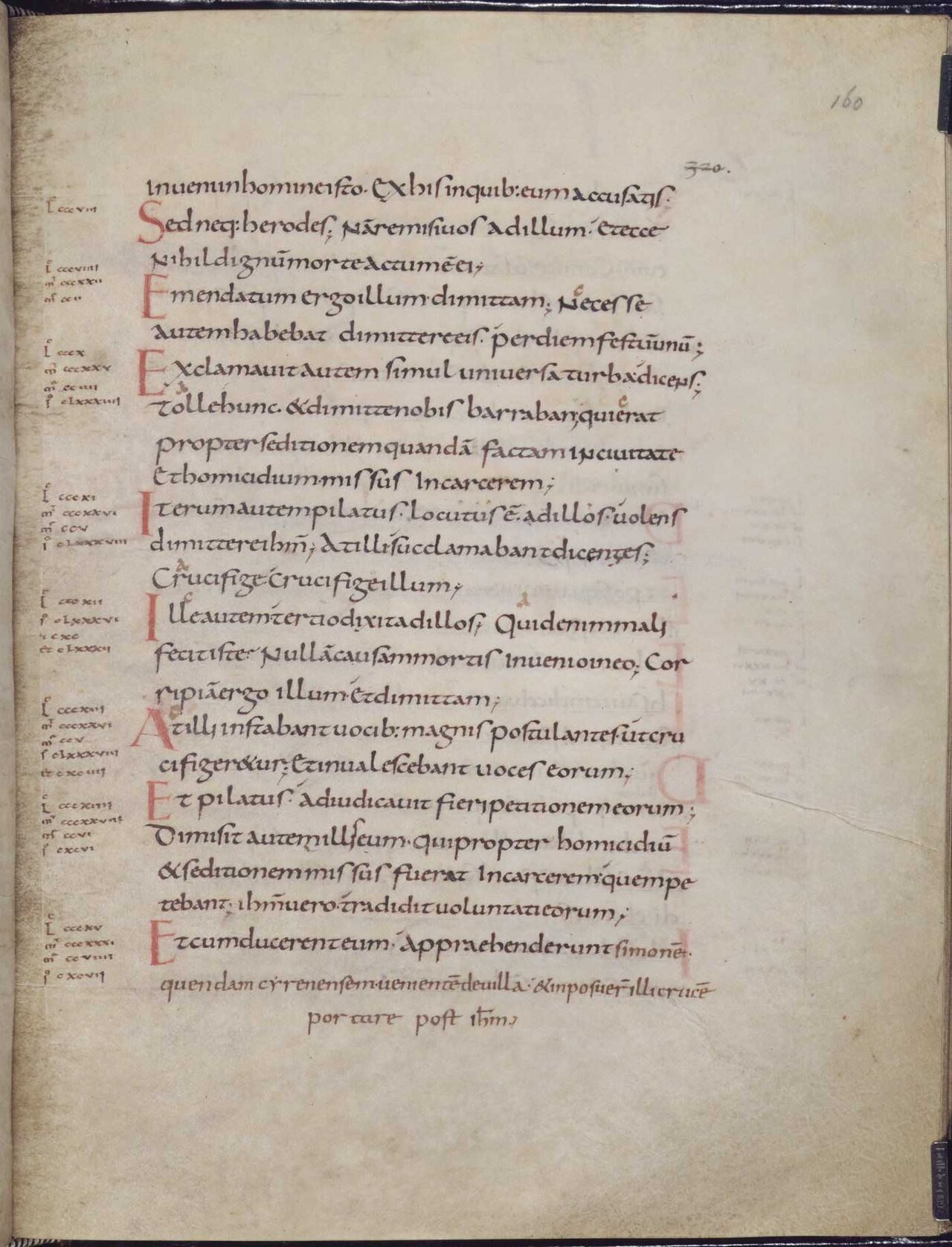 Latn (215)
Latin Alphabet
The script of the Vulgate and of Western theology, carried in insular and Carolingian minuscule hands through the medieval schools and now the most widely used script in the world.
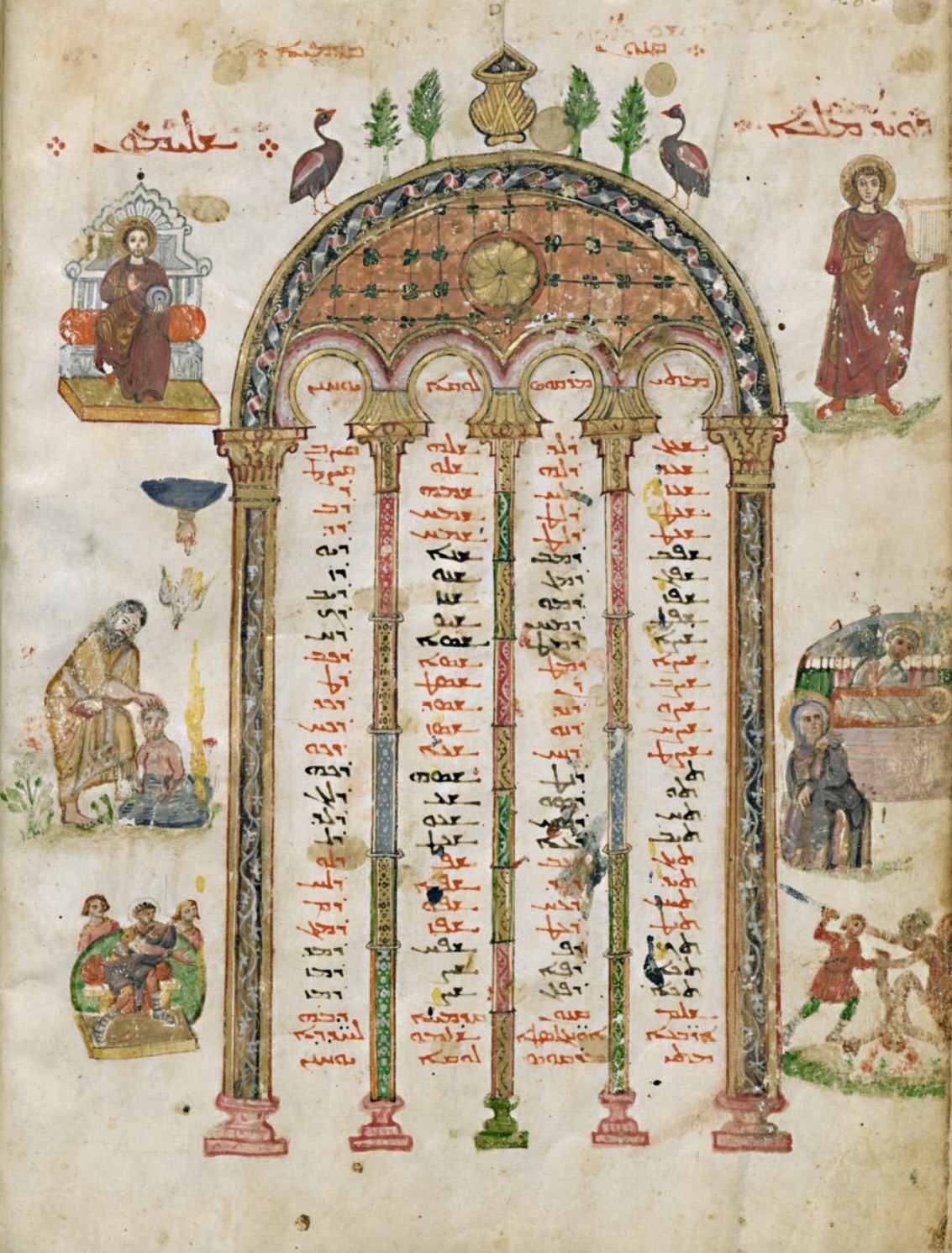 Syrc (135)
Syriac Scripts
Three hands of one alphabet: Estrangelo, the stately book hand of the early Peshitta manuscripts; Serto, the Western cursive; and Madnhaya, the Eastern hand.
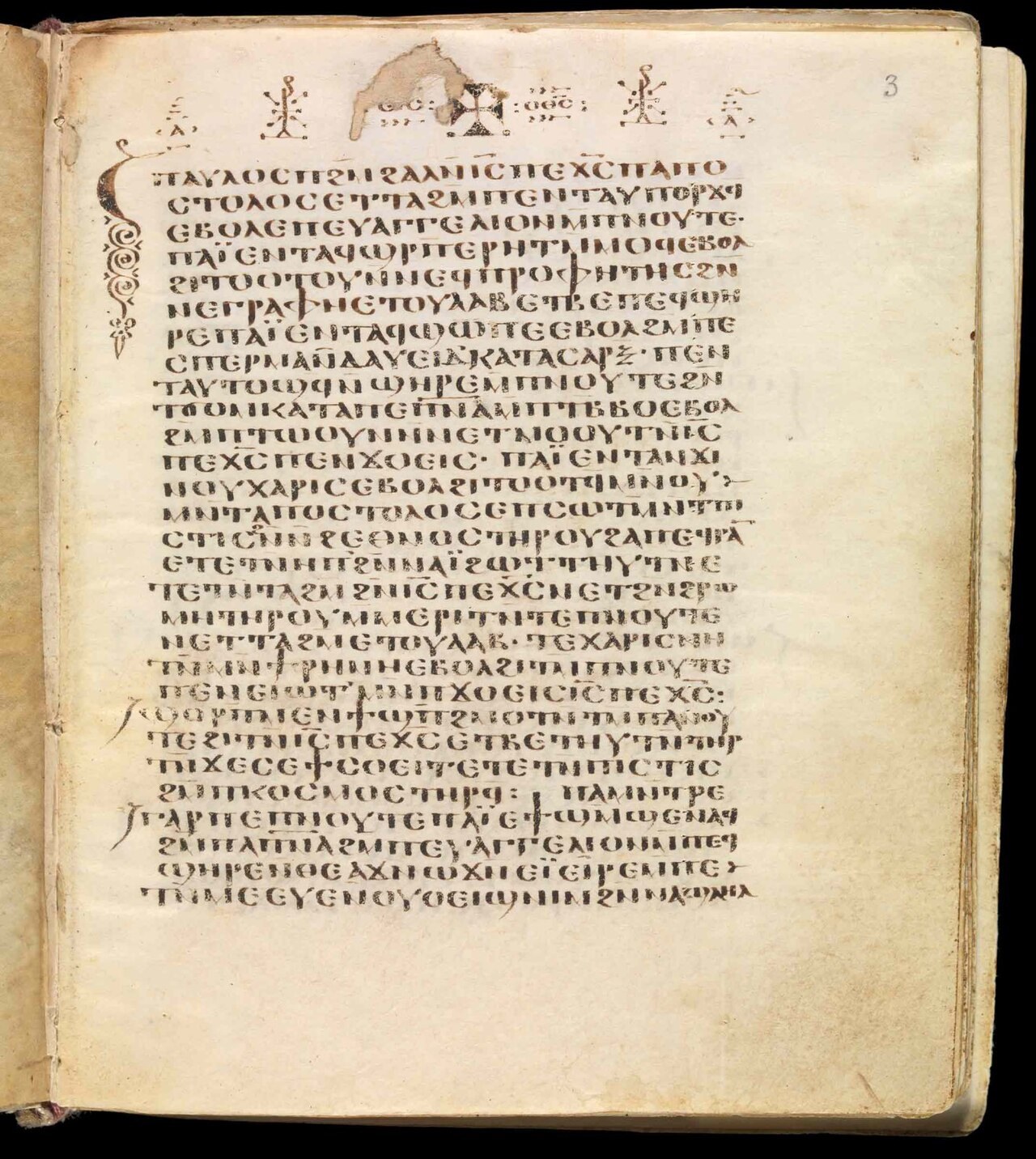 Copt (204)
Coptic Alphabet
Greek letters supplemented by characters from Egyptian demotic, devised to write the Egyptian language for the Coptic church.
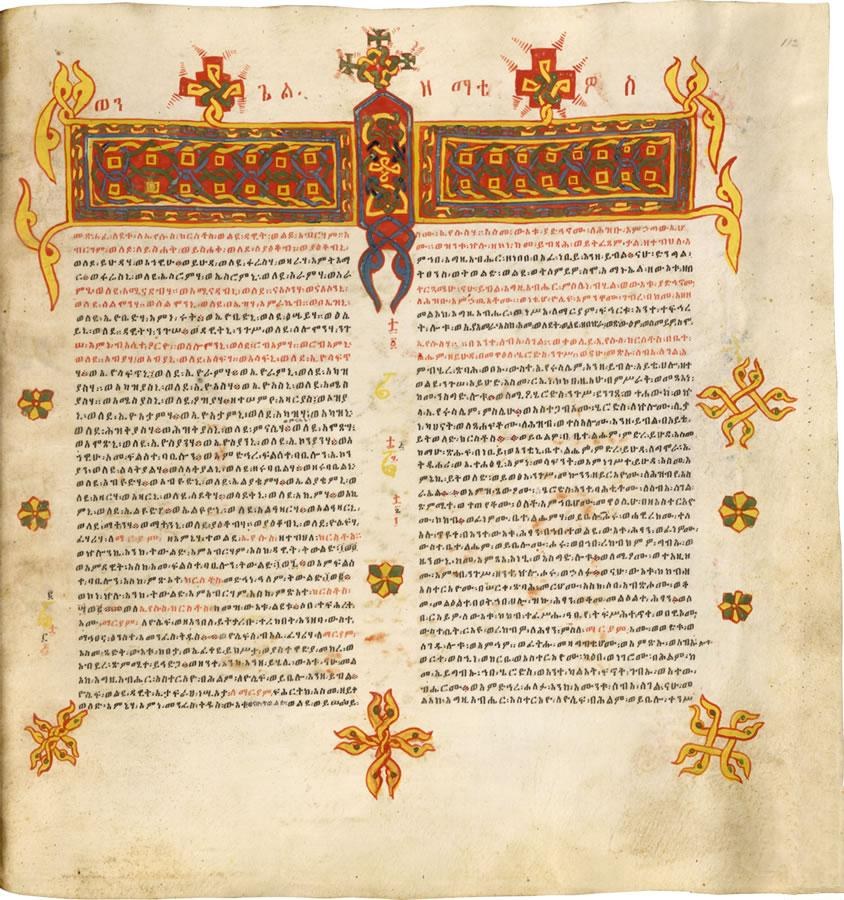 Ethi (430)
Ge'ez Script
An abugida of Ethiopic civilization, created for Ge'ez and still writing Amharic and Tigrinya; the script of the Ethiopian biblical canon and its vast manuscript tradition.
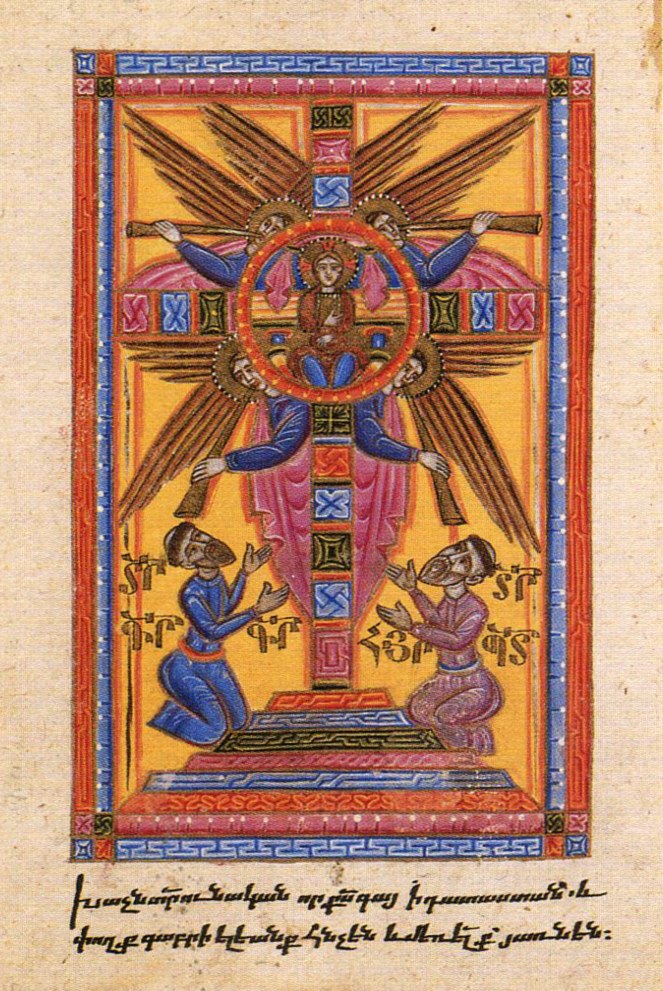 Armn (230)
Armenian Alphabet
Created by Mesrop Mashtots around 405 so that Scripture could be translated into Armenian; its invention marks the beginning of Armenian literature.
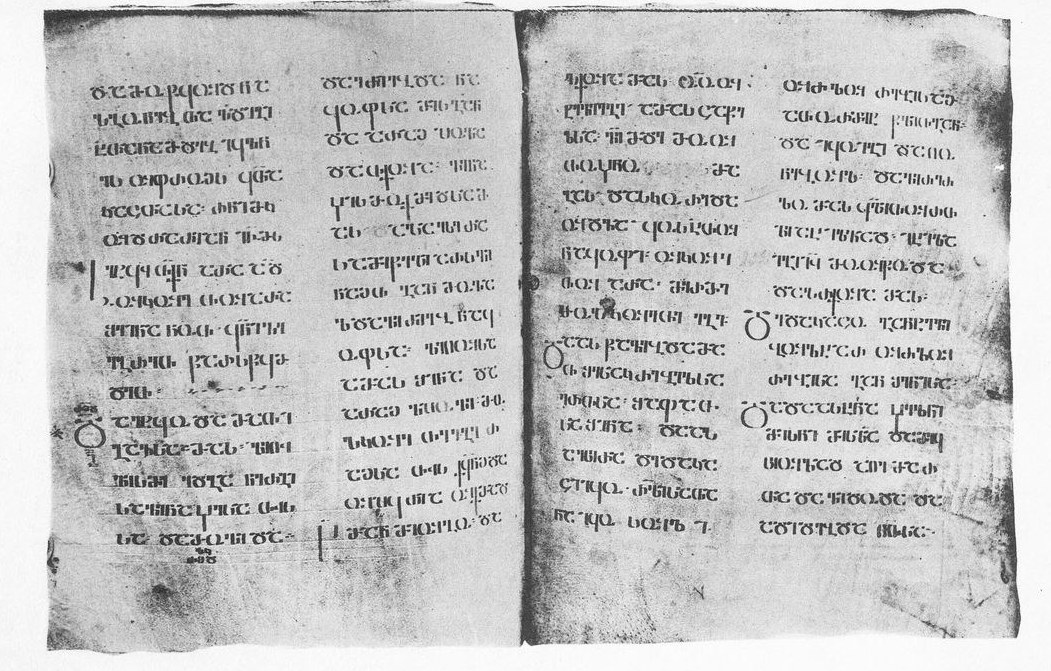 Geor (240)
Georgian Scripts
Three scripts for one language: Asomtavruli capitals, the Nuskhuri minuscule of the manuscripts (together forming the ecclesiastical Khutsuri), and the modern Mkhedruli.
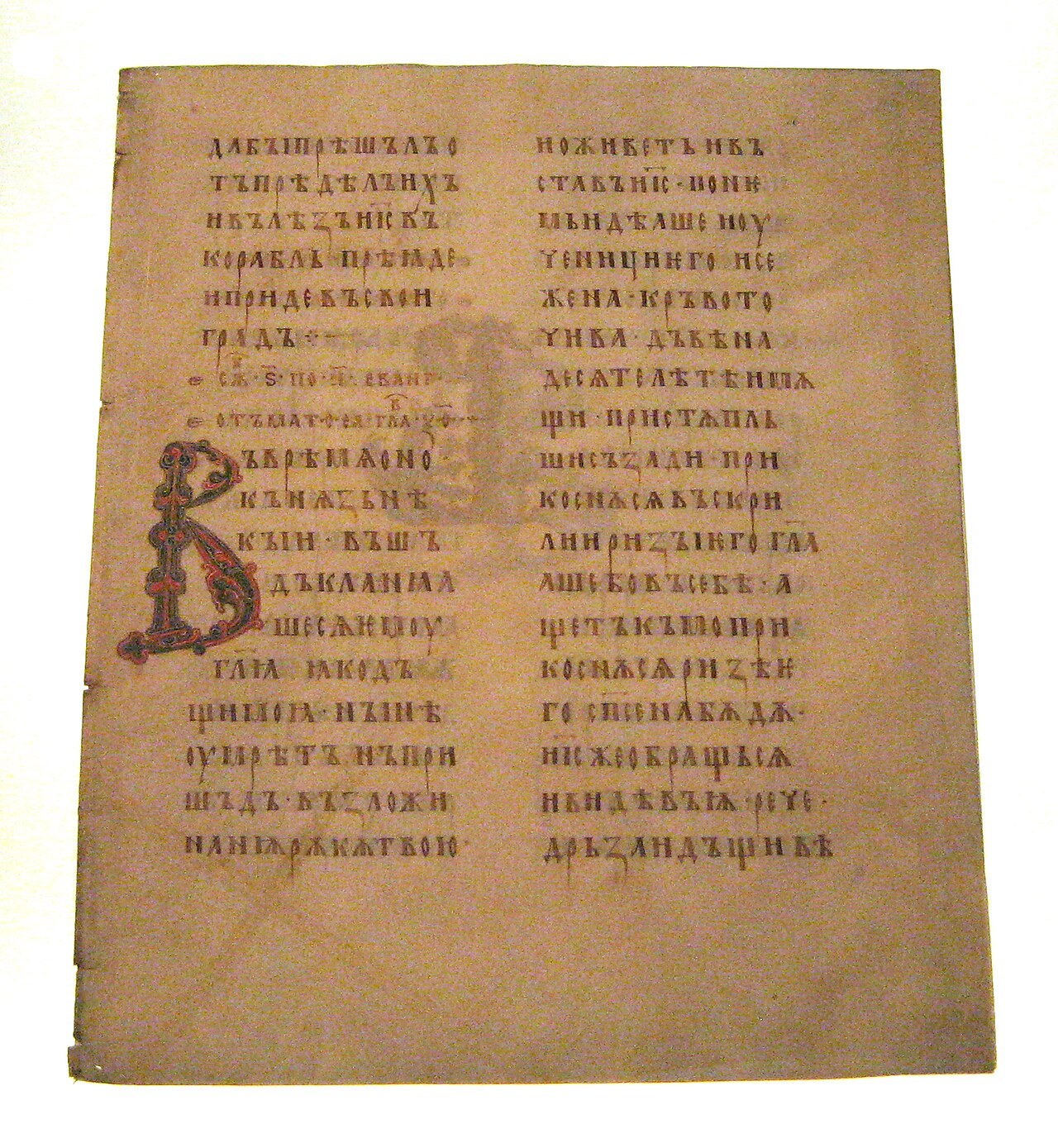 Cyrl (220)
Cyrillic
Named for Cyril, developed by his disciples in the First Bulgarian Empire, and the script of Church Slavonic books and of the Slavic Orthodox world.
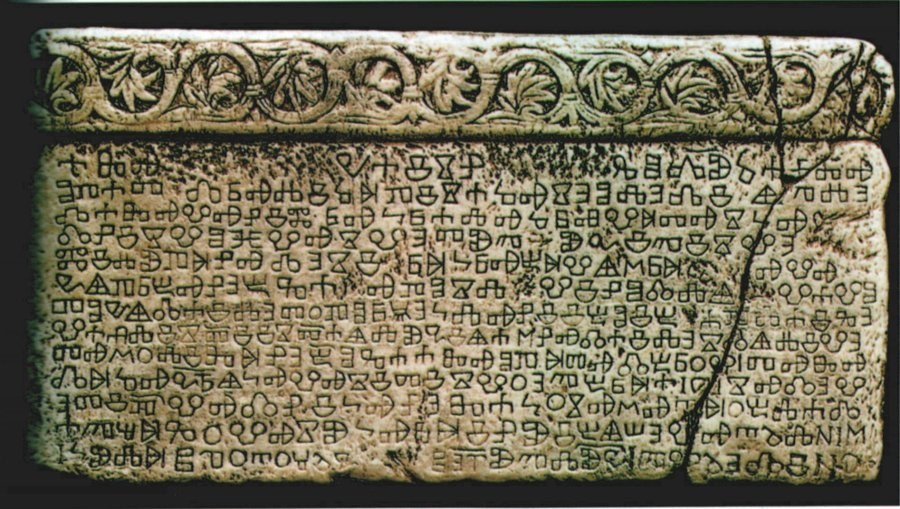 Glag (225)
Glagolitic
The first Slavic alphabet, devised by Cyril and Methodius for their ninth-century mission; it survives in Croatian liturgical use.
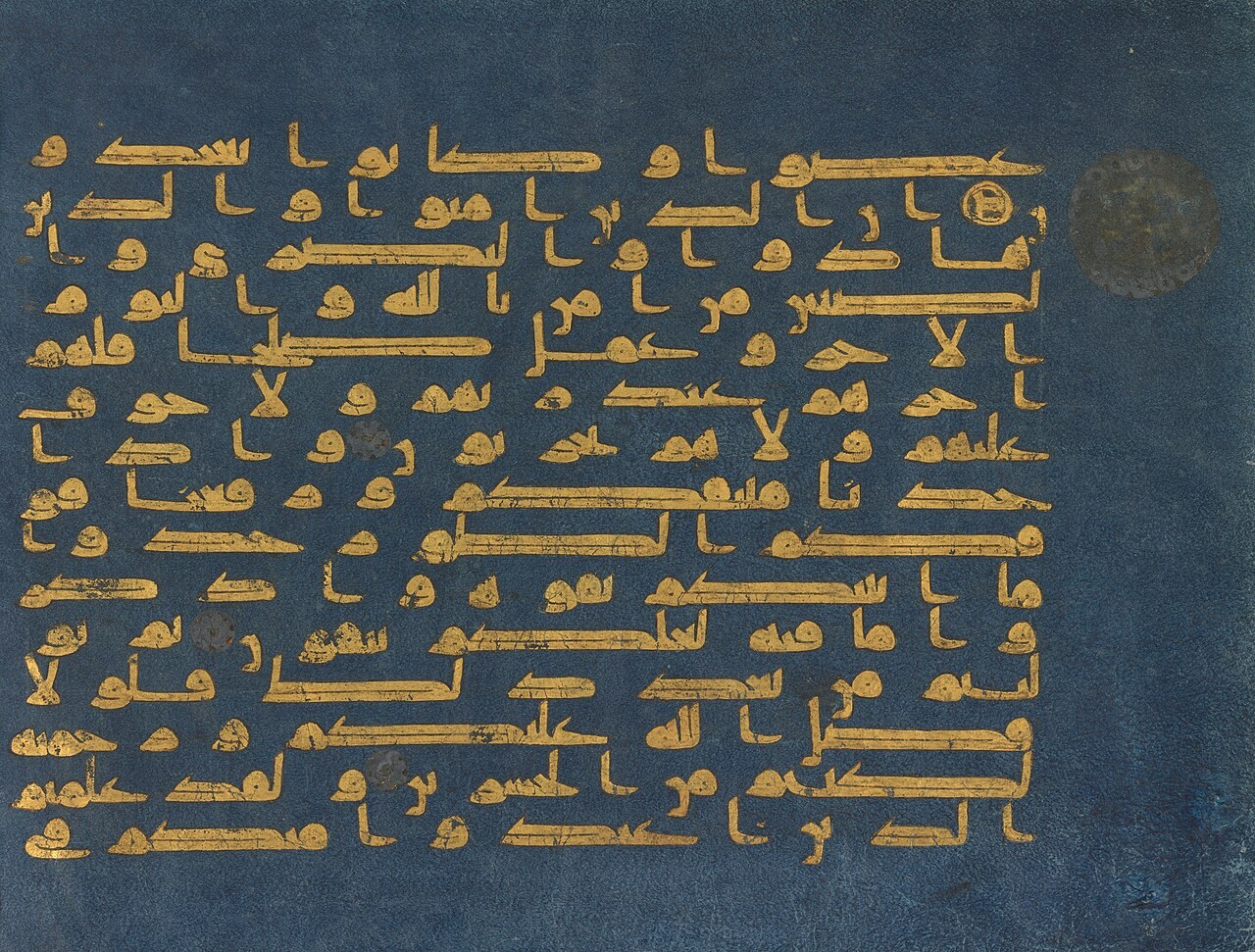 Arab (160)
Arabic Script
The script of the Qur'an, adapted for Persian, Urdu, and many other languages; its calligraphy became a central sacred art of Islam.
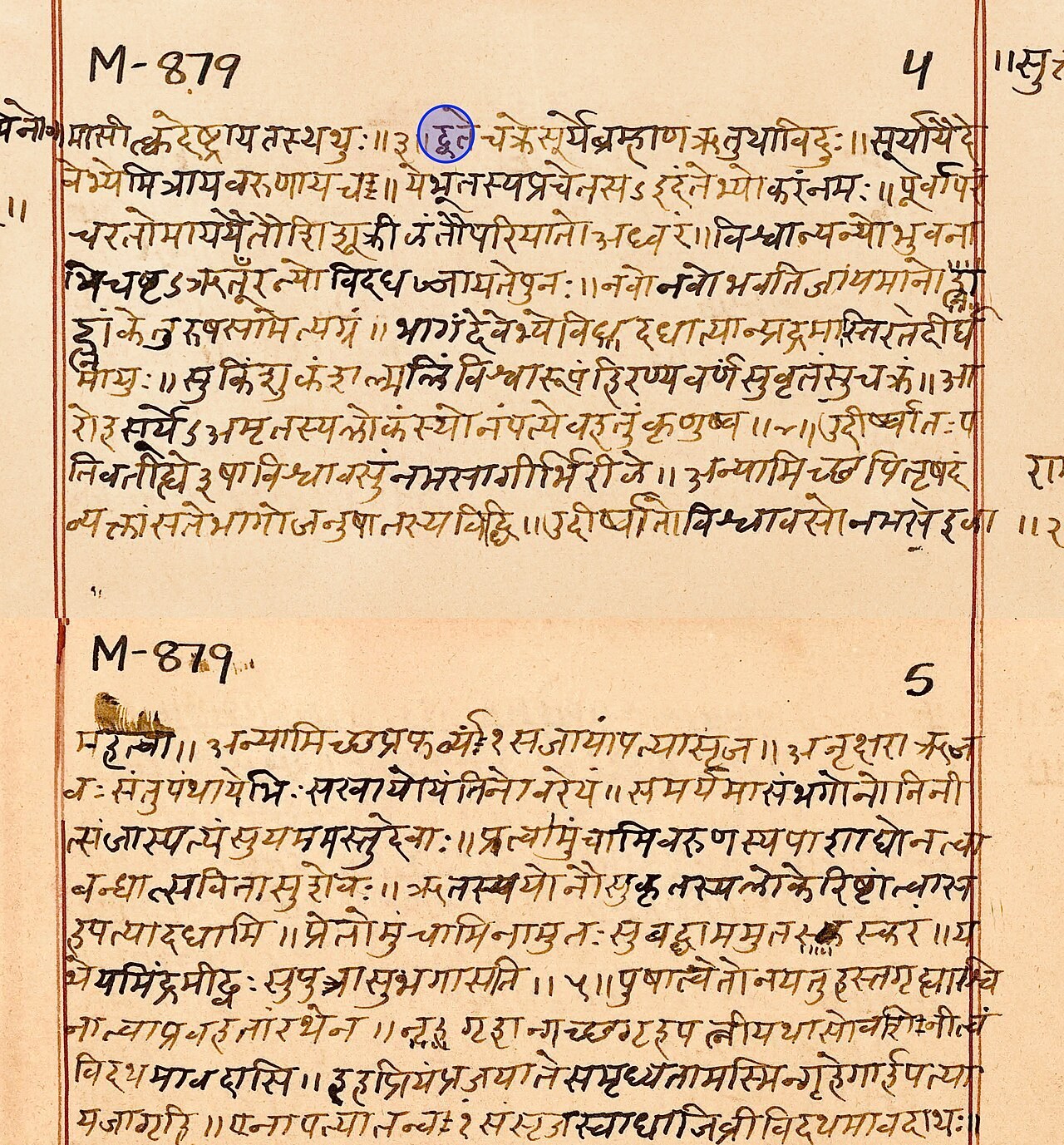 Deva (315)
Devanagari
The principal Brahmic script of Sanskrit, Hindi, and Marathi, in which most modern editions of the Hindu scriptures are printed.
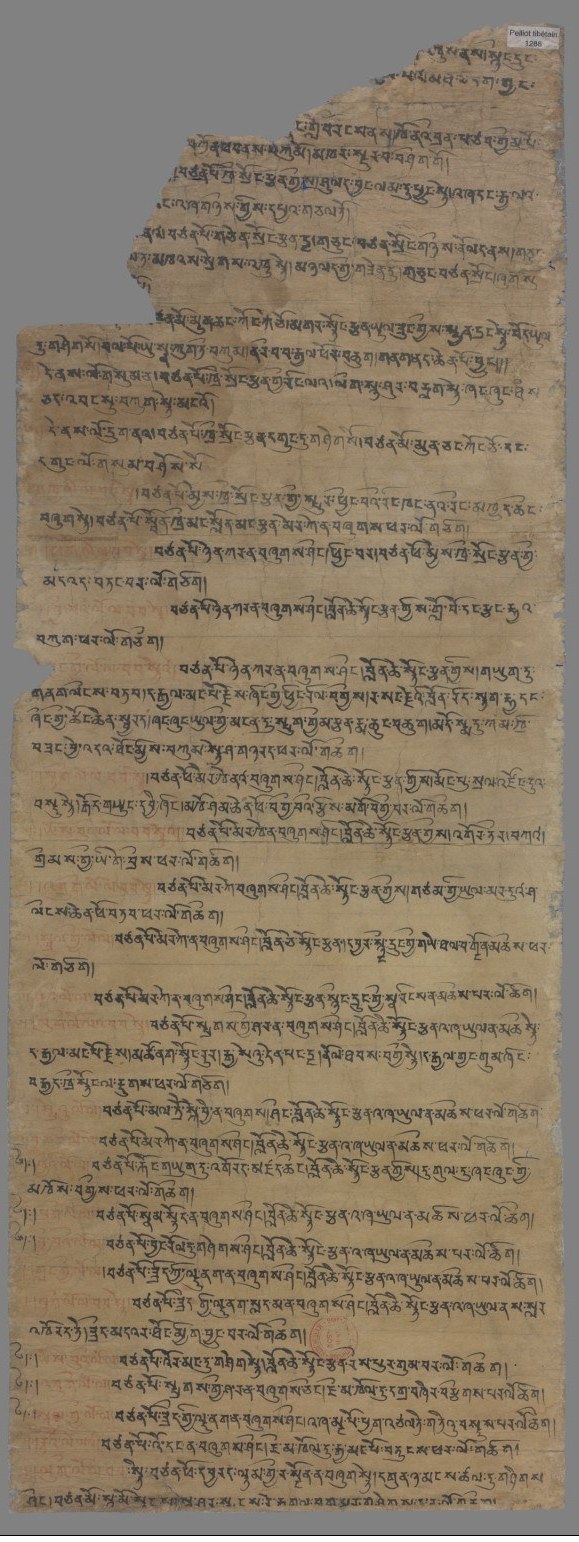 Tibt (330)
Tibetan Script
A Brahmic-derived script created in the seventh century for translating Buddhist texts from Sanskrit; it carries the Kangyur and Tengyur.
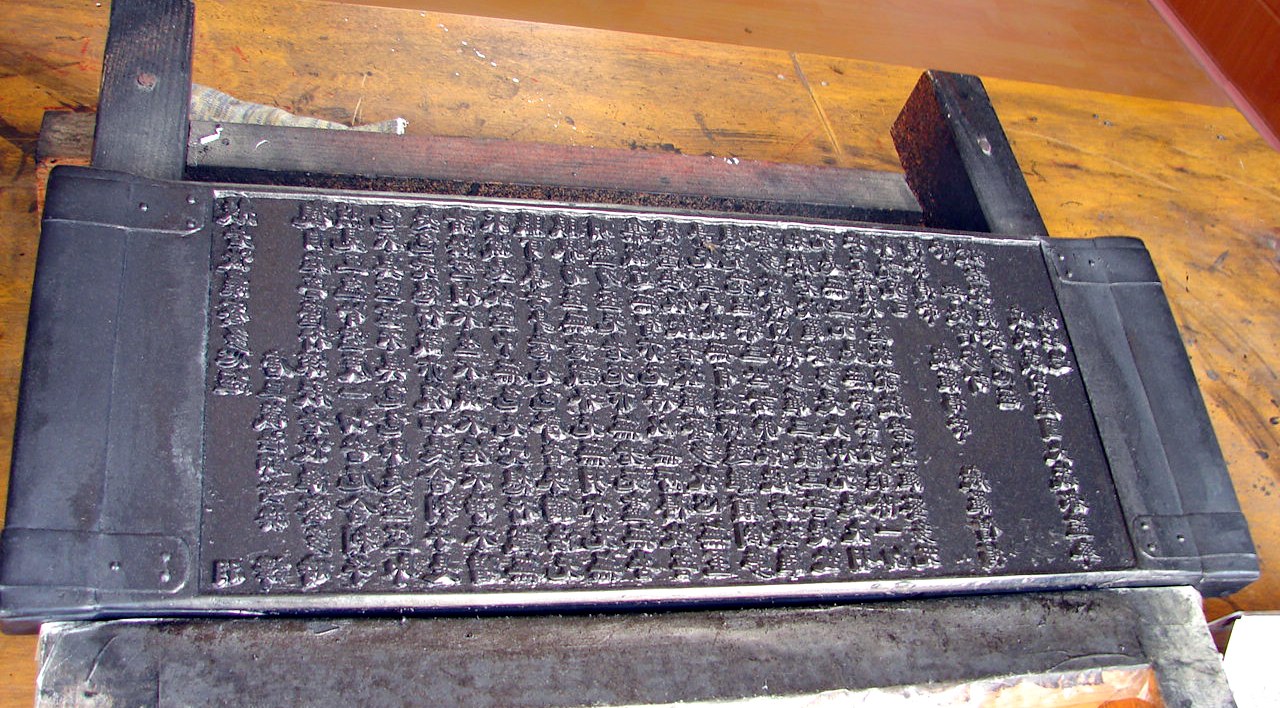 Hani (500)
Chinese Characters
The logographic script in which the Chinese Buddhist canon and the Confucian and Taoist classics are written, shared across mutually unintelligible spoken languages.
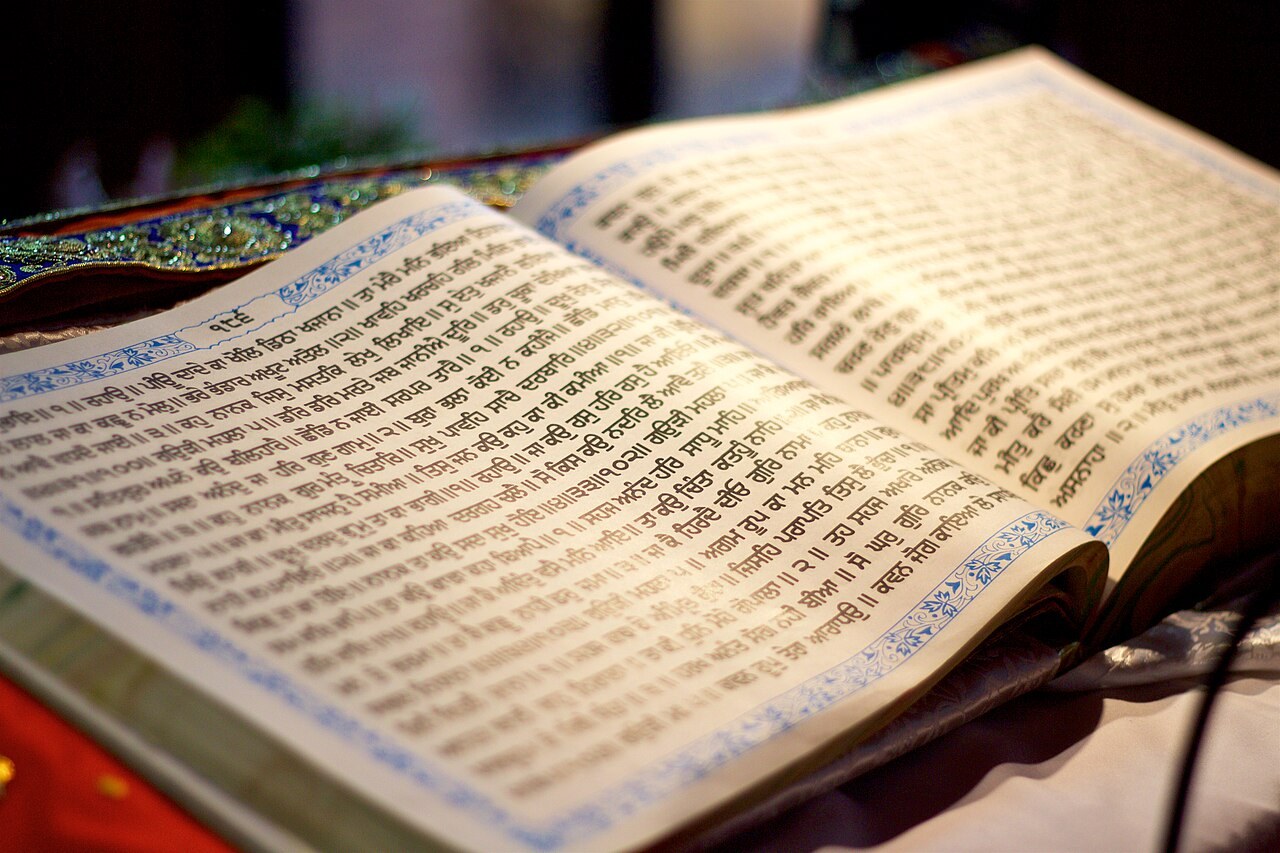 Guru (310)
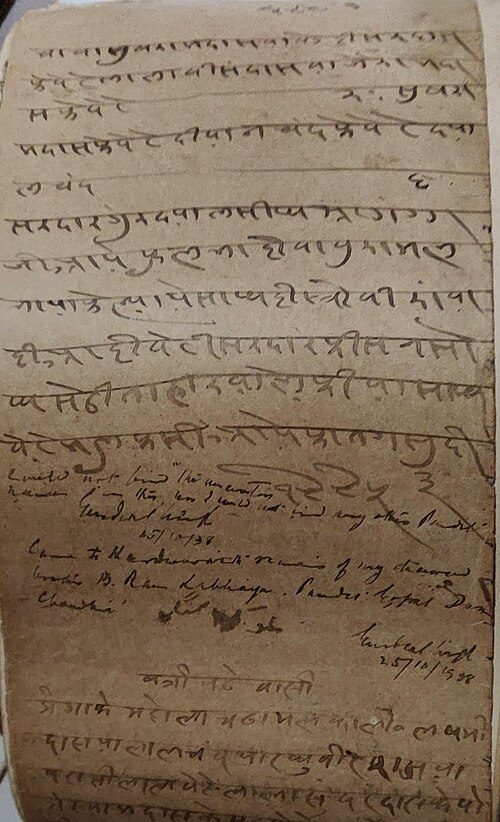
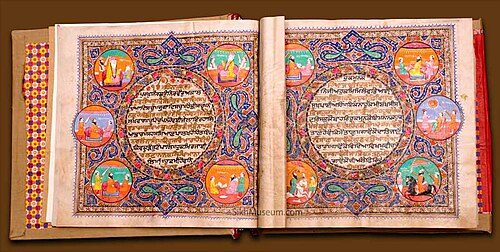
Gurmukhi
The Brahmic script standardized under Guru Angad, in which the Guru Granth Sahib is printed and Sikh scripture is read.
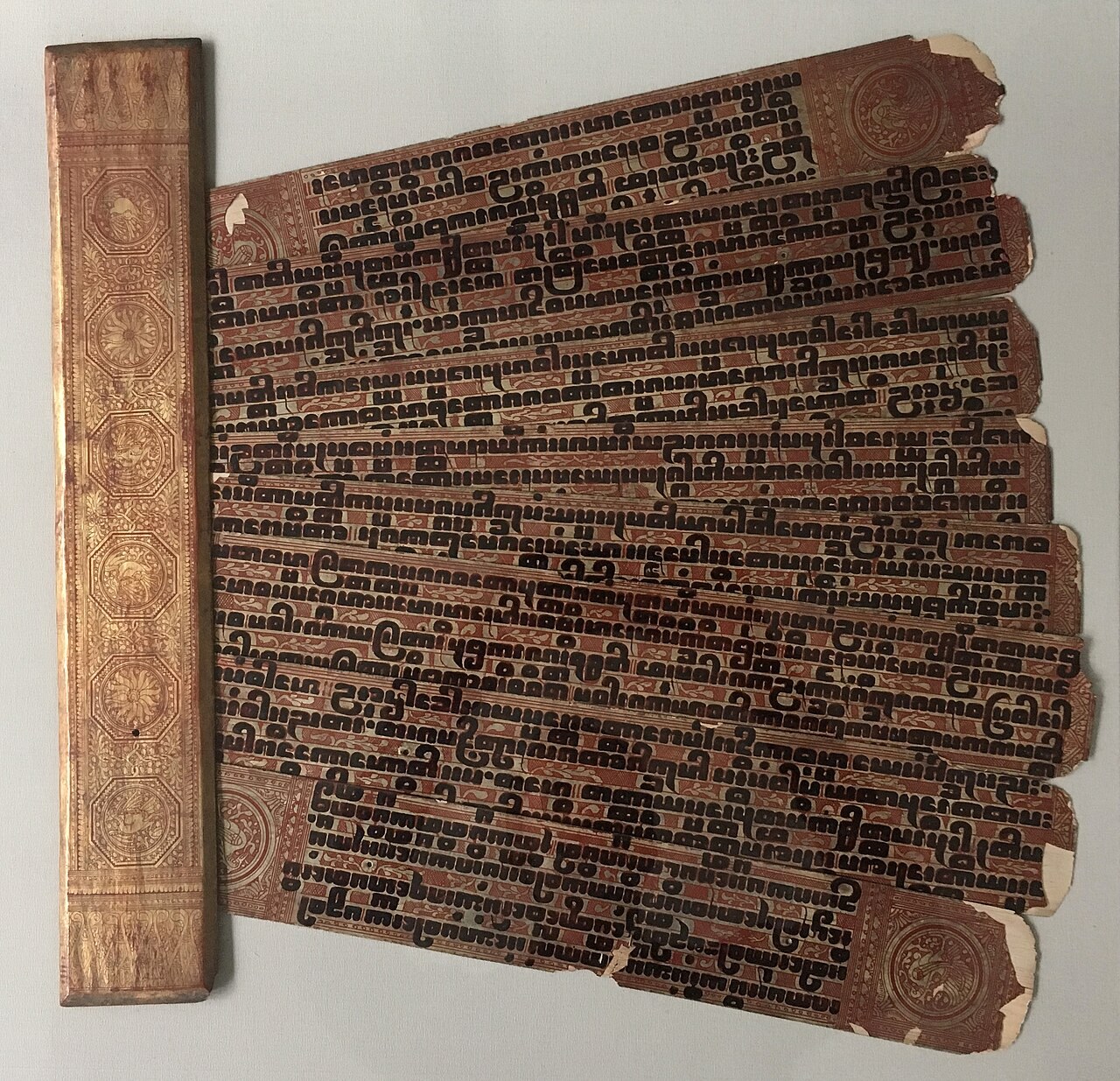 Brah (300) and national Brahmic scripts
Pali Canon Scripts
Pali has no script of its own: the canon is written in Sinhala script in Sri Lanka, Burmese in Myanmar, Thai in Thailand, Khmer in Cambodia, and Devanagari or Latin letters elsewhere.
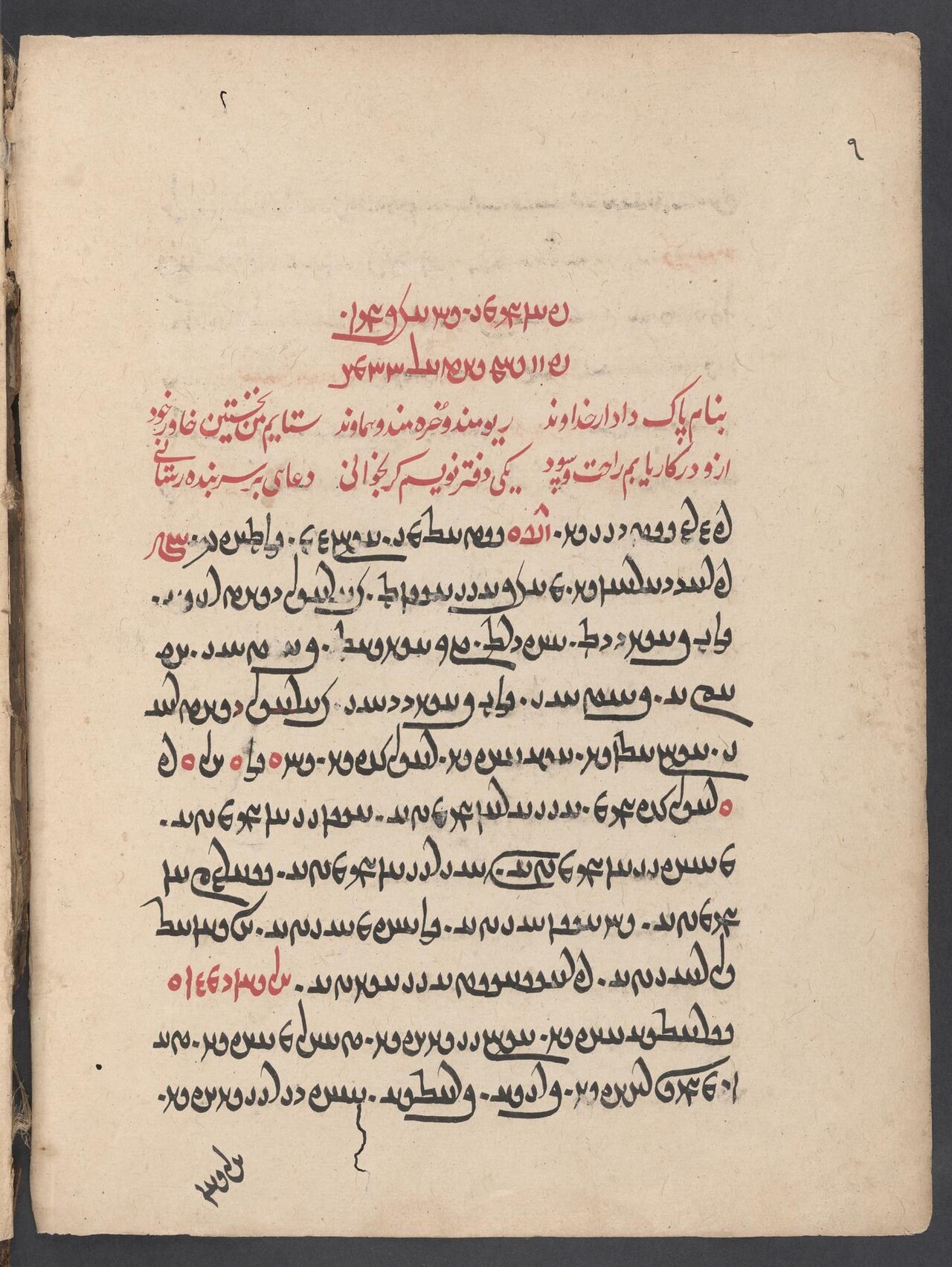 Avst
Avestan Script
The script devised in the Sasanian era to record the Avestan liturgy exactly, written right to left with a full vowel notation.
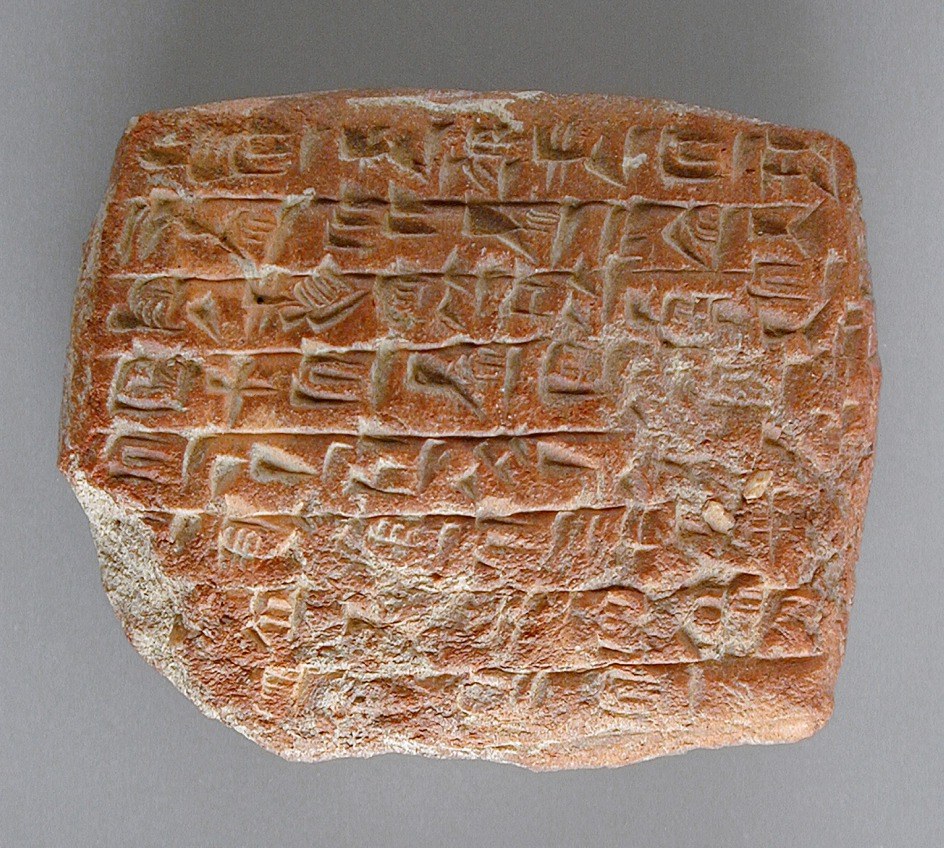 Xsux
Cuneiform
The wedge-shaped writing of ancient Mesopotamia, pressed into clay with a reed stylus and used for Sumerian, Akkadian, and their neighbours over three thousand years.
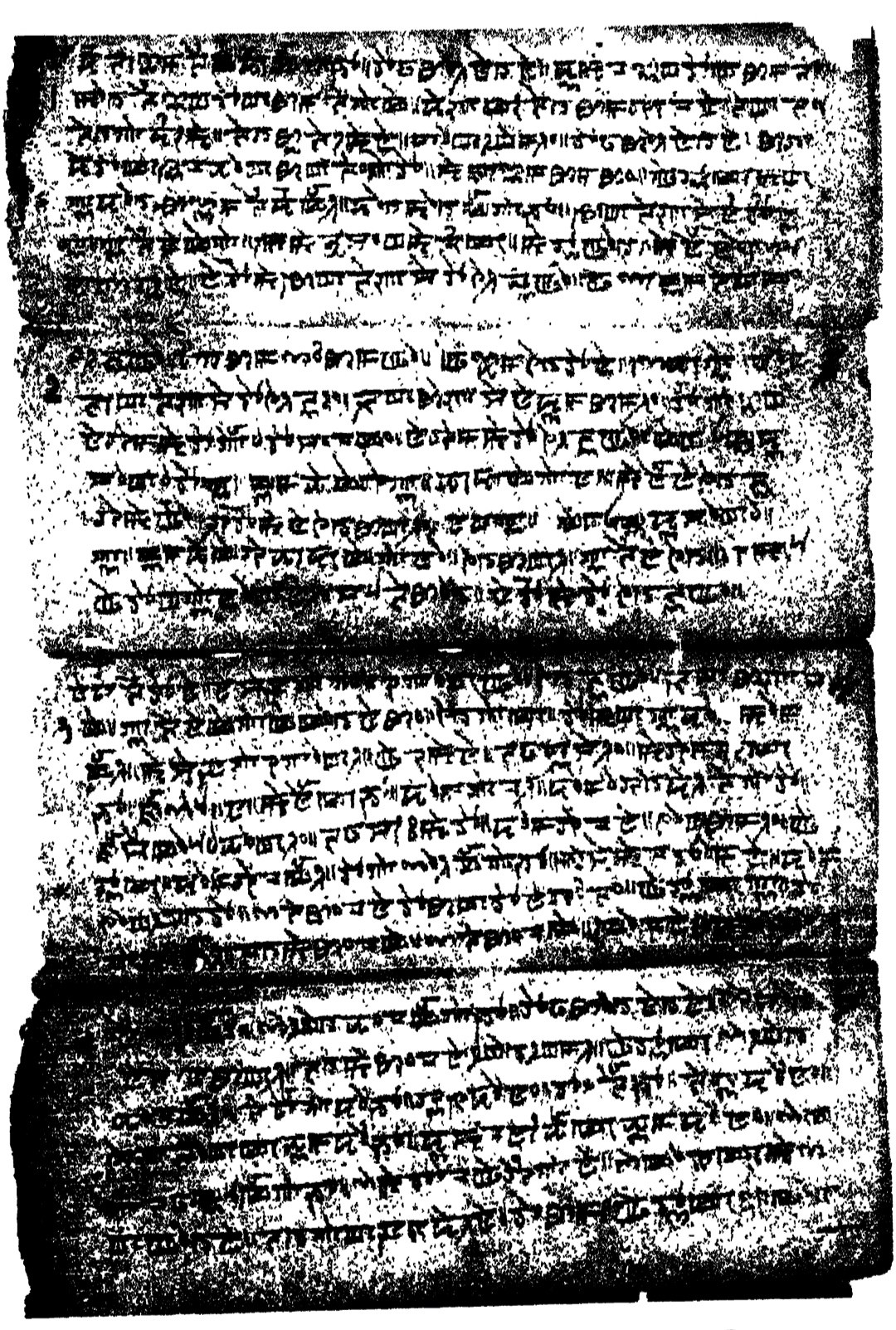 Mtei
Meetei Mayek
The indigenous script of Manipur, whose letter names are parts of the human body, revived in the twentieth century as the script of Meitei.
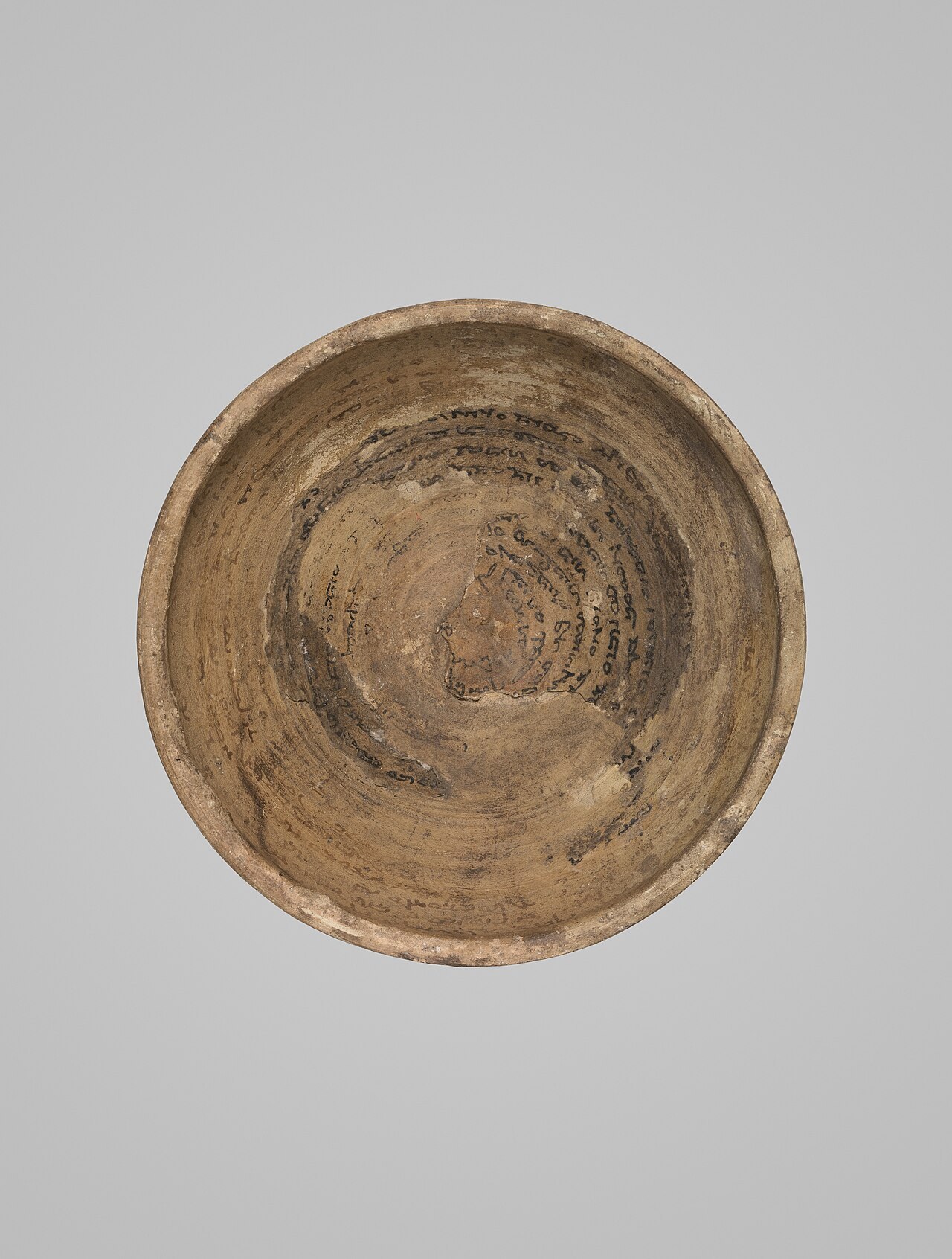 Mand
Mandaic Script
The cursive right-to-left script of the Mandaeans, in which the community's scriptures and ritual texts are written.
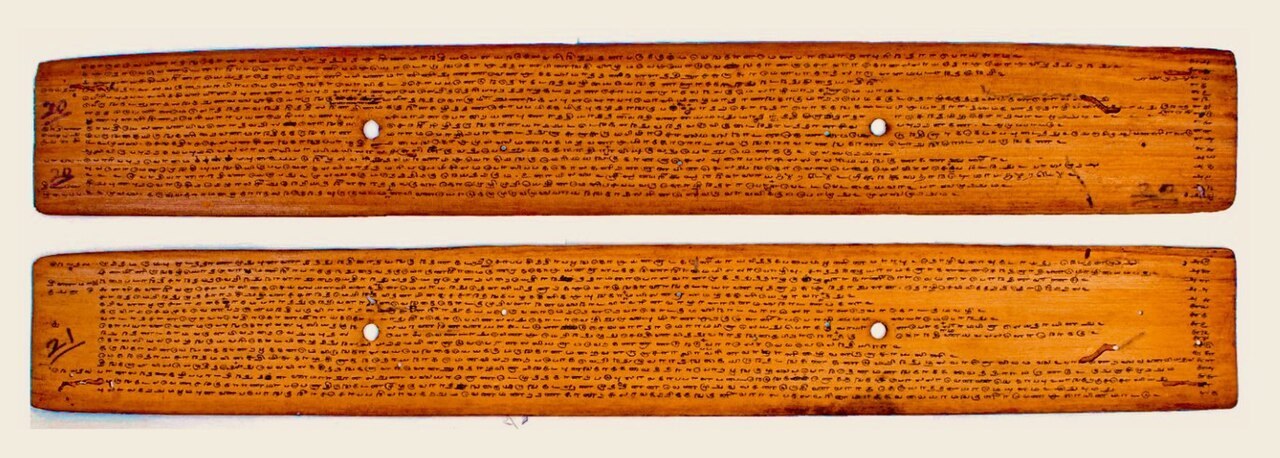 Taml
Tamil Script
The script of Tamil, descended from Brahmi, in use for one of the longest continuous literary traditions in the world.
 Brah
Brahmi
The mother script of South and Southeast Asia, first carved in the edicts of Ashoka; nearly every Indic script descends from it.
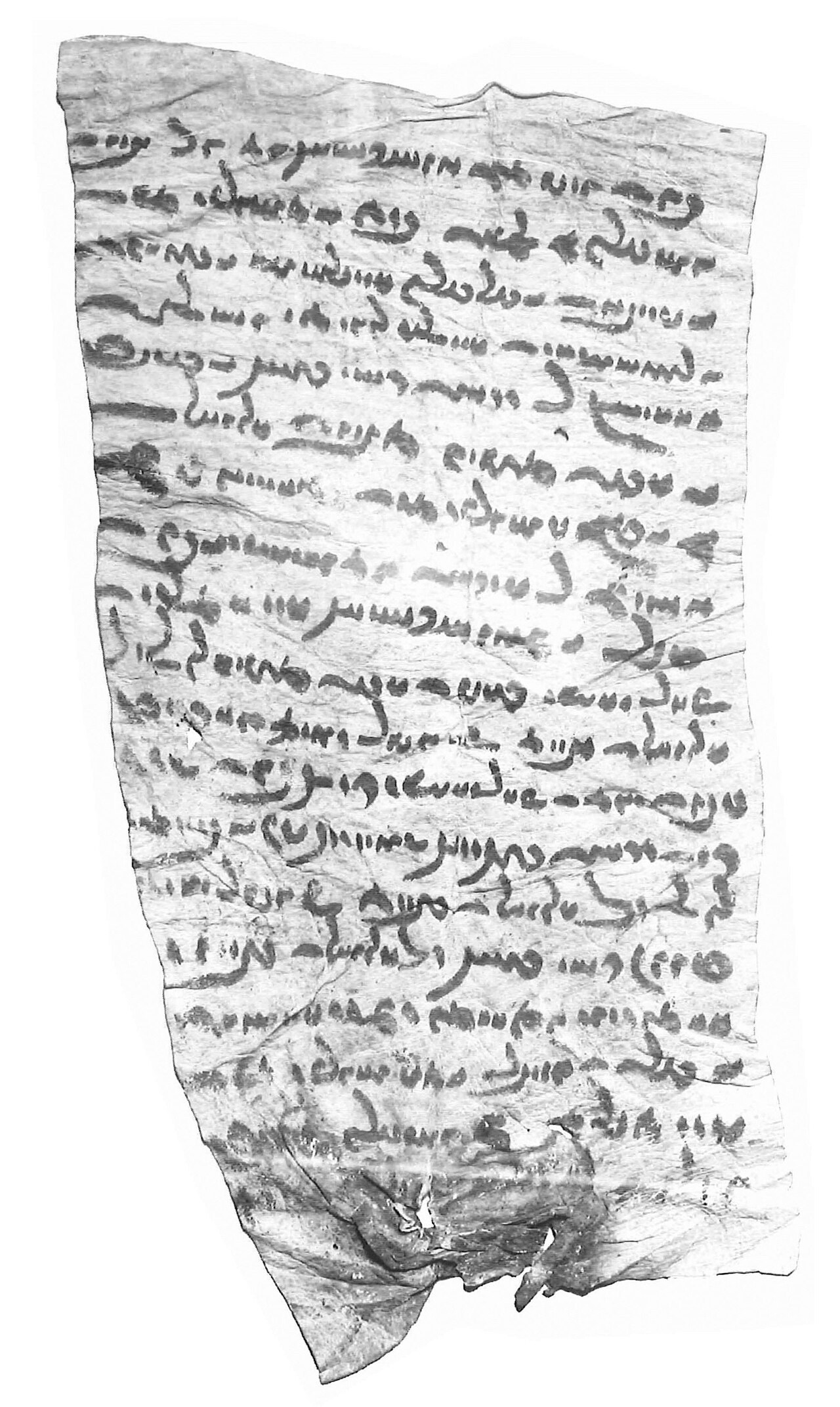 Phlp
Pahlavi Script
The right-to-left script of Middle Persian, used for the Zoroastrian books of the Sasanian era, famous for its Aramaic heterograms read aloud as Persian words.
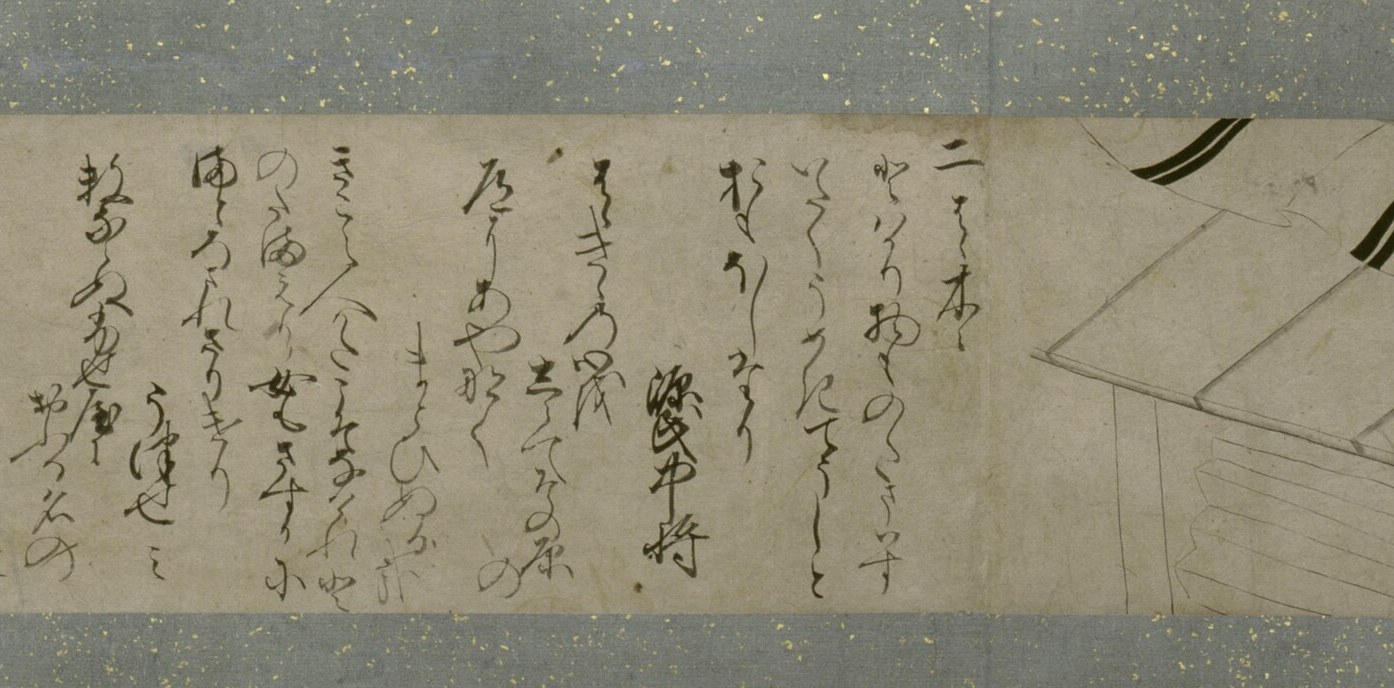 Hrkt
Japanese Kana
The hiragana and katakana syllabaries of Japanese, simplified from Chinese characters and written alongside them in classical and modern texts alike.
Translation Traditions
How the scriptures passed from language to language: the Septuagint, the Targums, the Peshitta, the Vulgate, and the traditions that followed them.
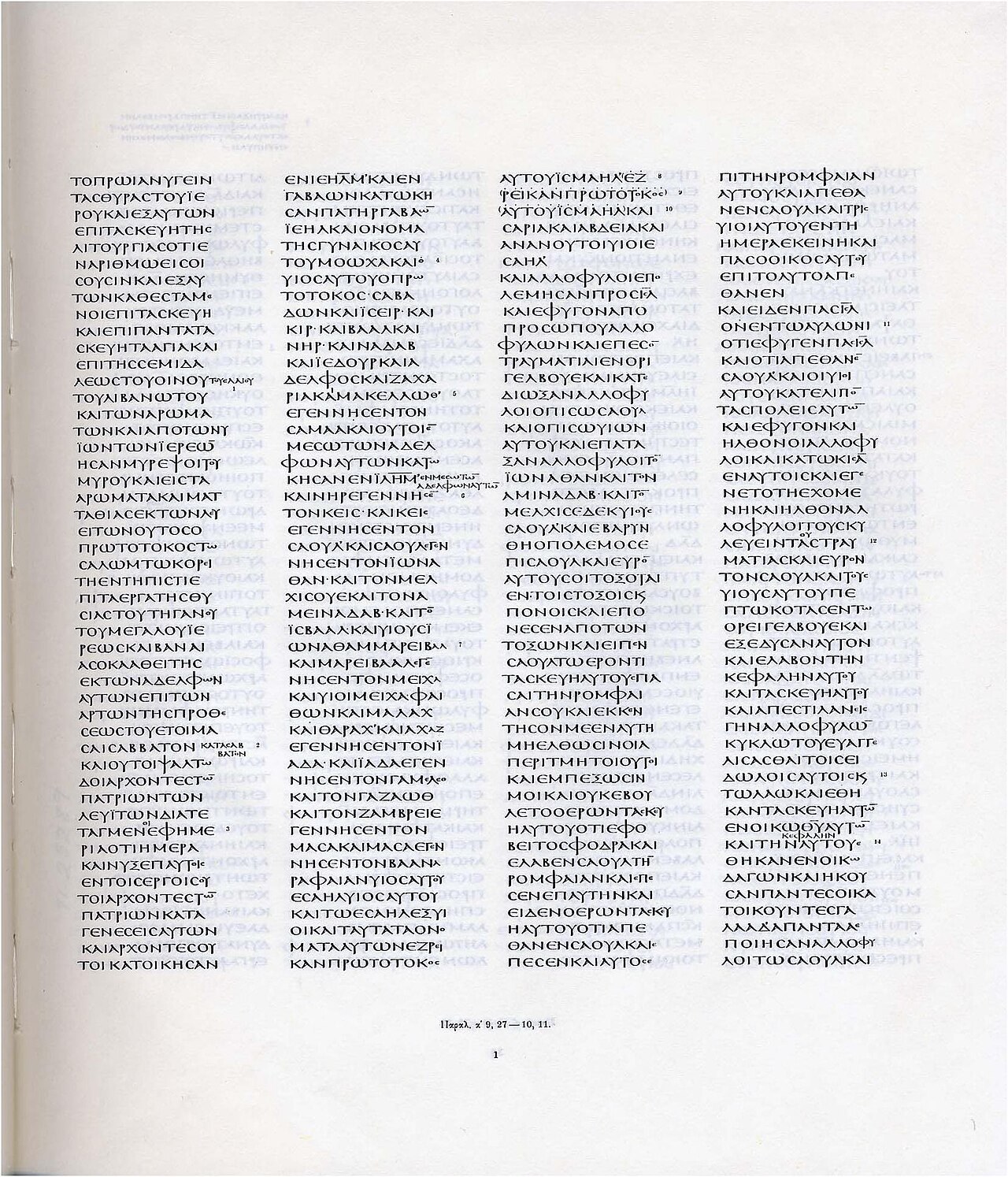 Greek
The Septuagint (LXX)
The Greek translation of the Hebrew Bible made in Alexandria; the Old Testament of the early church and of Orthodoxy.
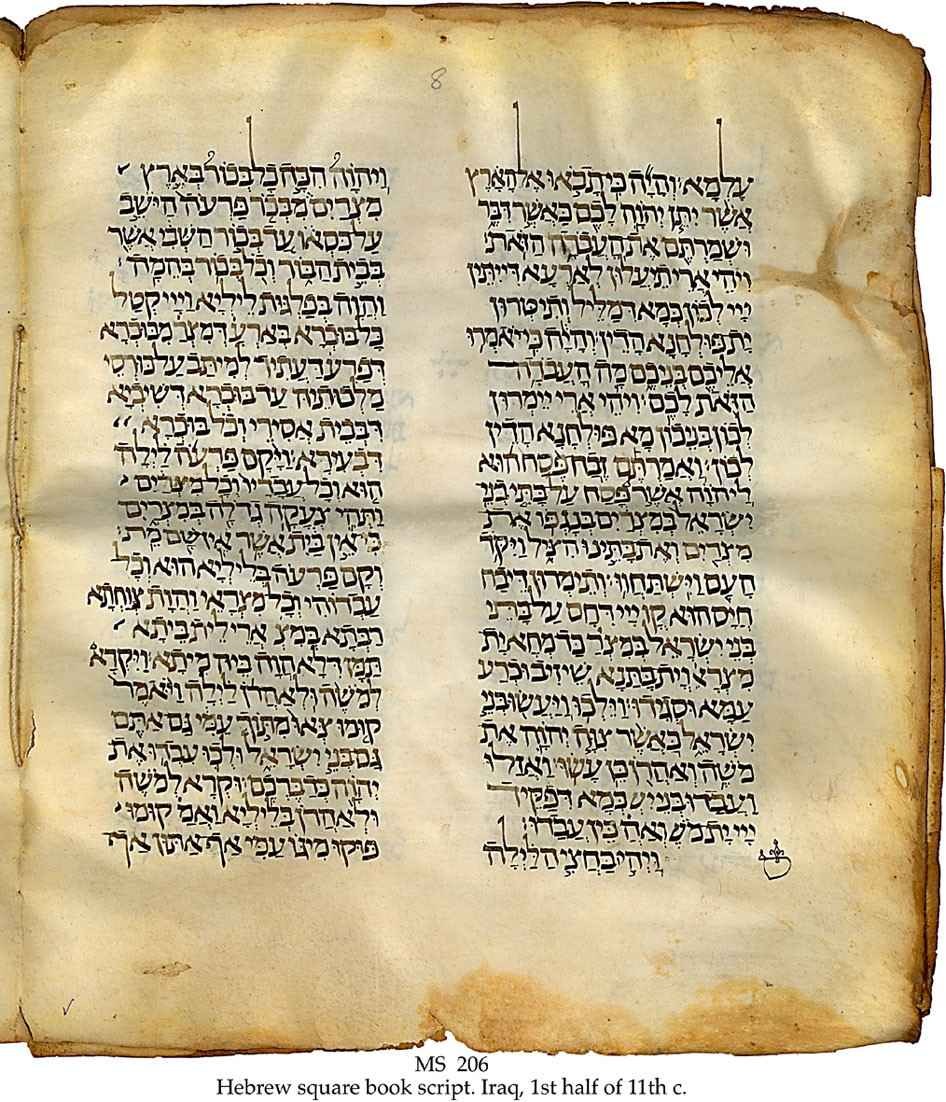 Aramaic
The Targums
The Aramaic paraphrases of the Hebrew Bible that accompanied synagogue reading and preserve ancient interpretation.
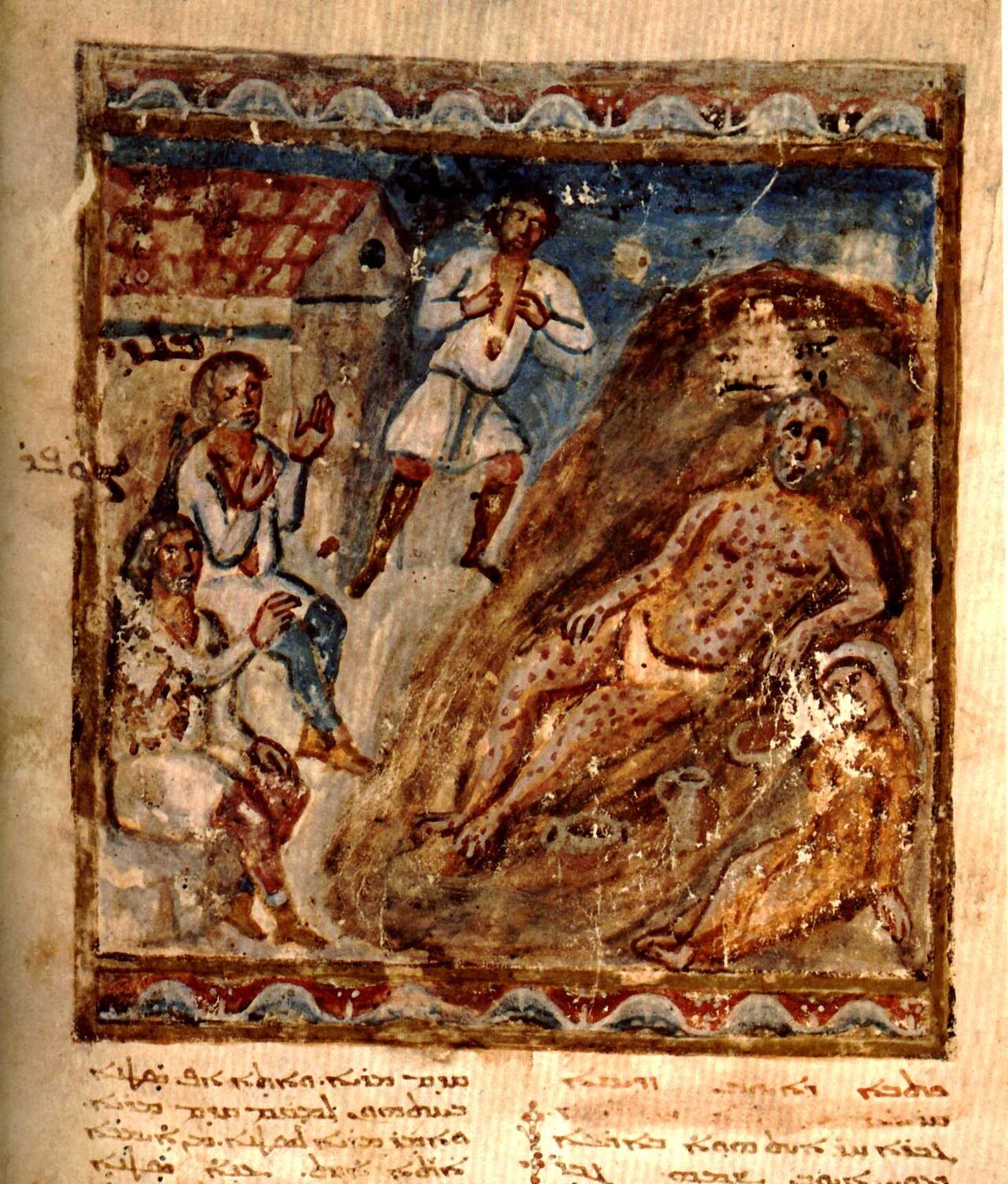 Syriac
The Peshitta
The Syriac standard Bible, the first complete Bible translation of the Christian era, still read across the Syriac churches.
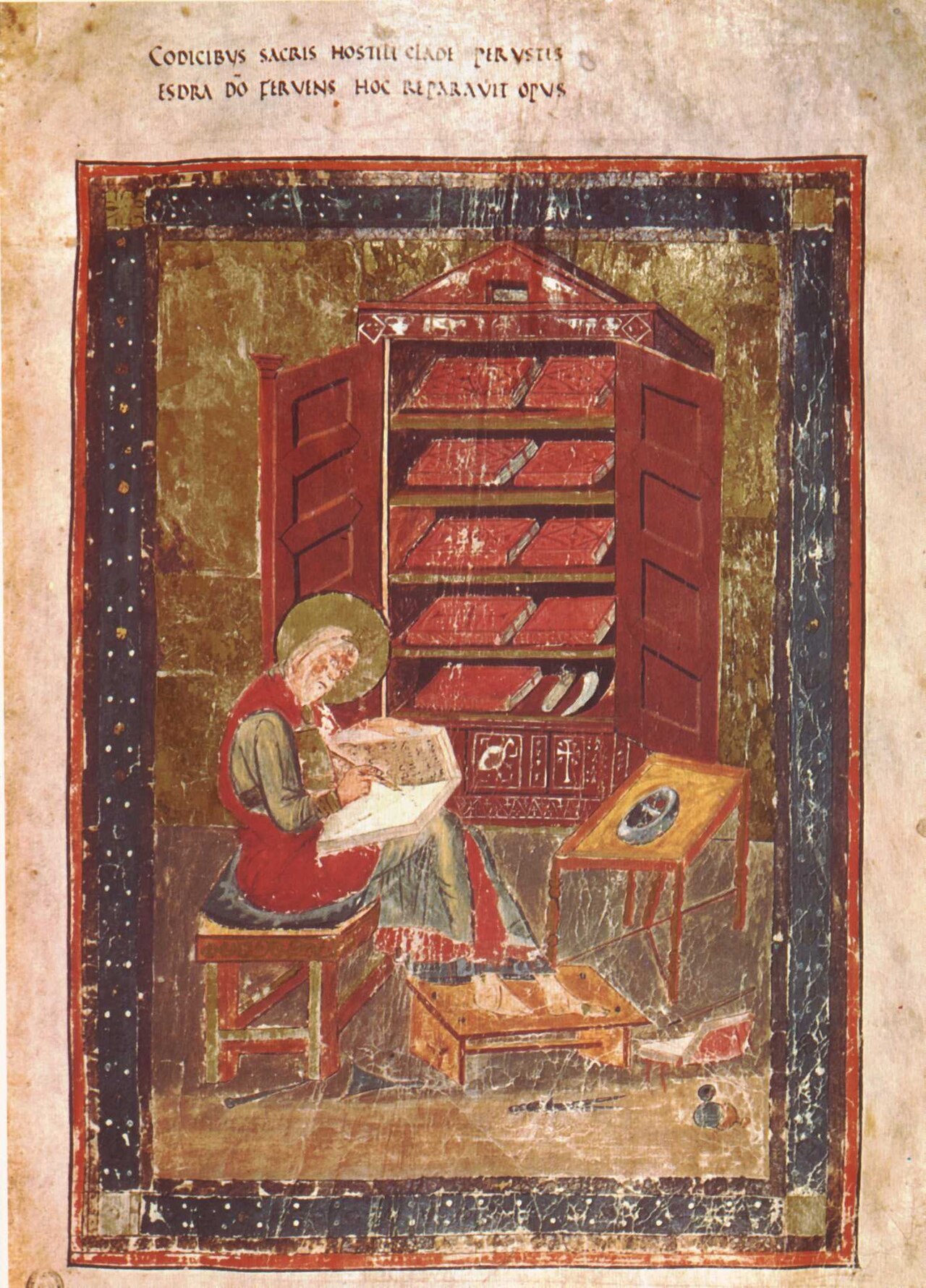 Latin
The Vulgate
Jerome's Latin Bible, the text of Western theology for a millennium and the Catholic Church's declared rule of faith at Trent.
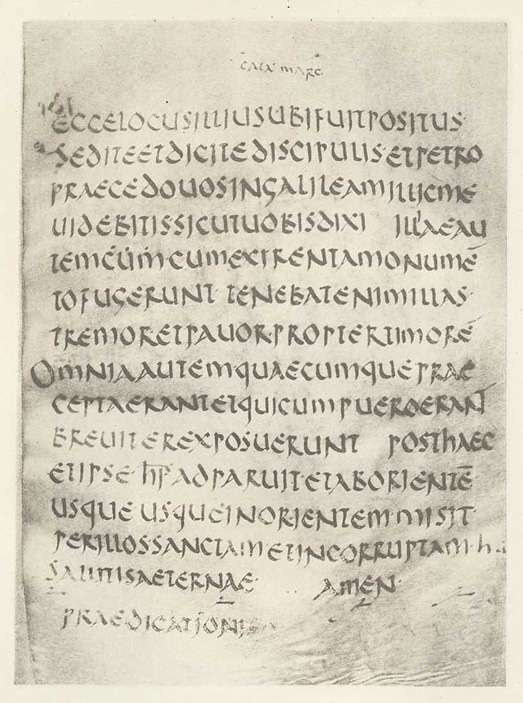 Latin
Vetus Latina (Old Latin)
The Old Latin versions that preceded the Vulgate: the first Latin Bibles, and early witnesses to the Greek text.
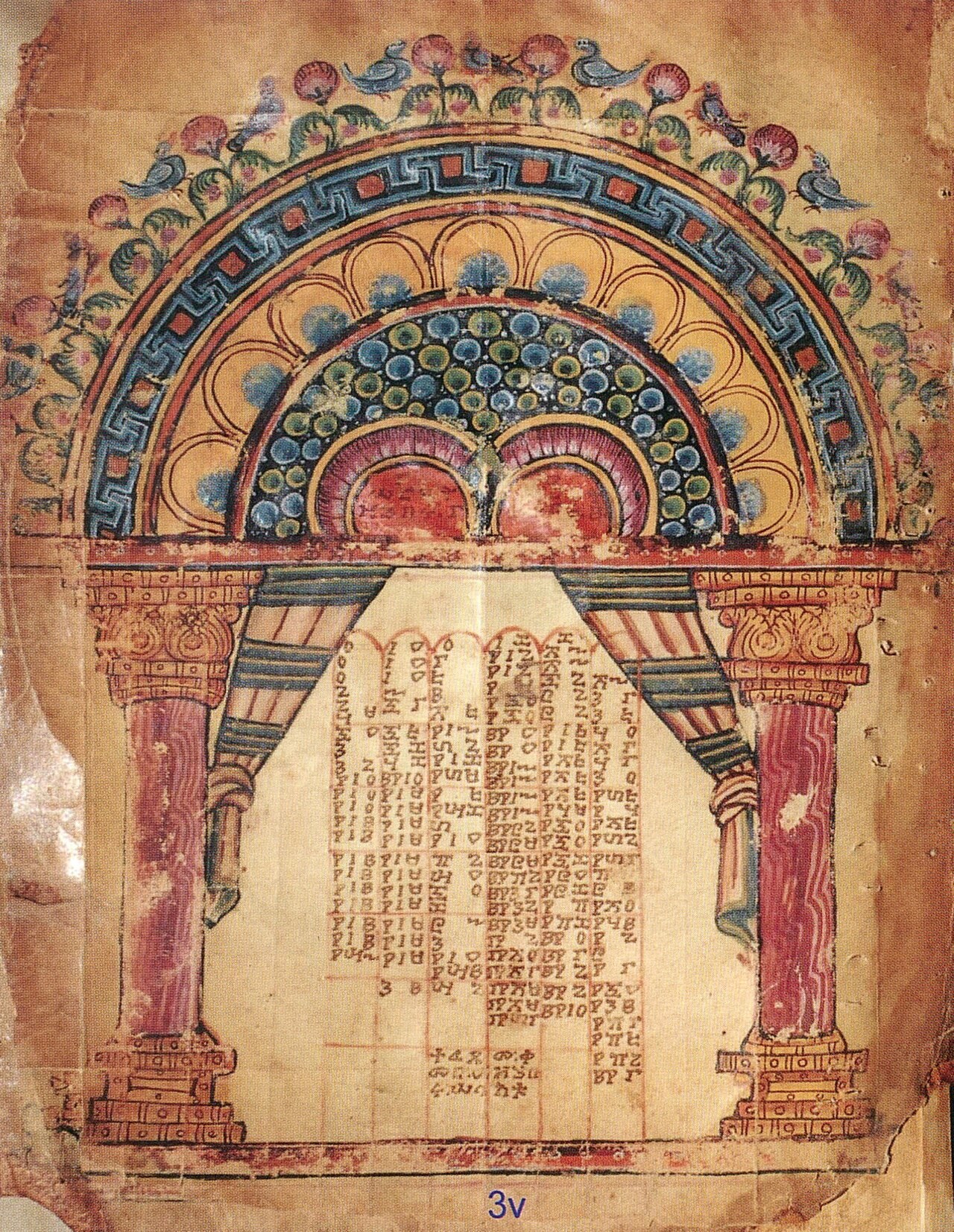 Coptic, Ge'ez, Armenian, Georgian, Church Slavonic
The Ancient Church Translations: Coptic, Ethiopic, Armenian, Georgian, Slavonic
The early versions of the daughter churches, which preserved texts lost elsewhere and made the Bible a literature in five more tongues.
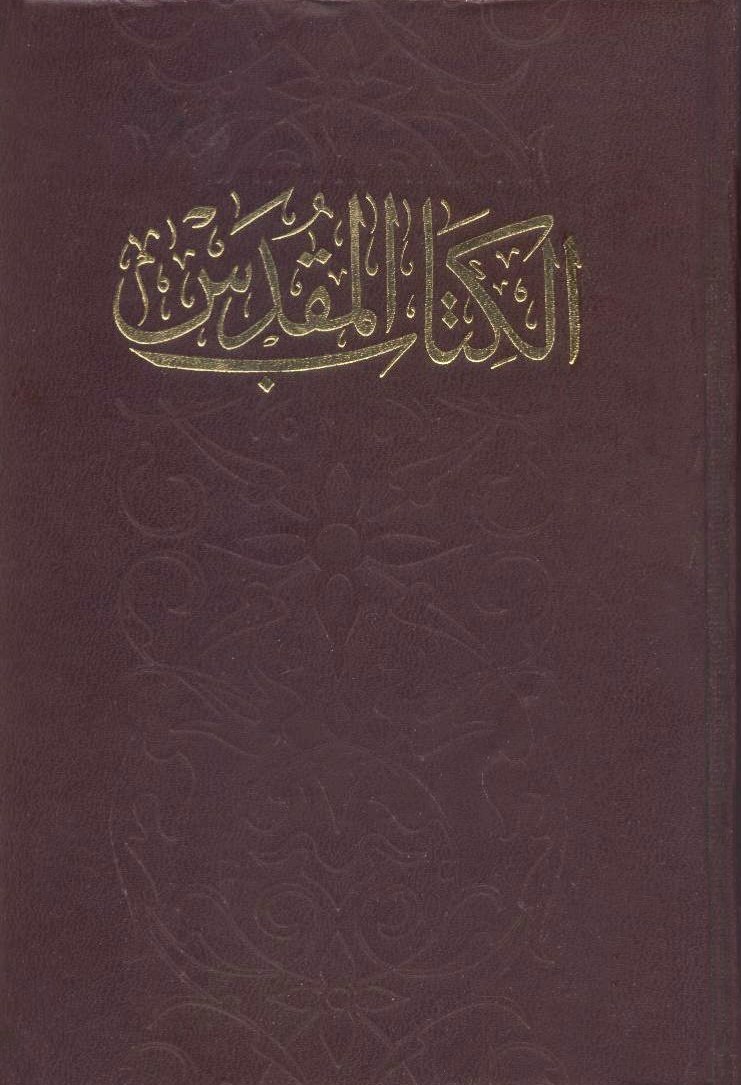 Arabic
 Bible Translations
A thousand years of Arabic versions, differing by community and confession, down to the Van Dyck Bible of 1865.
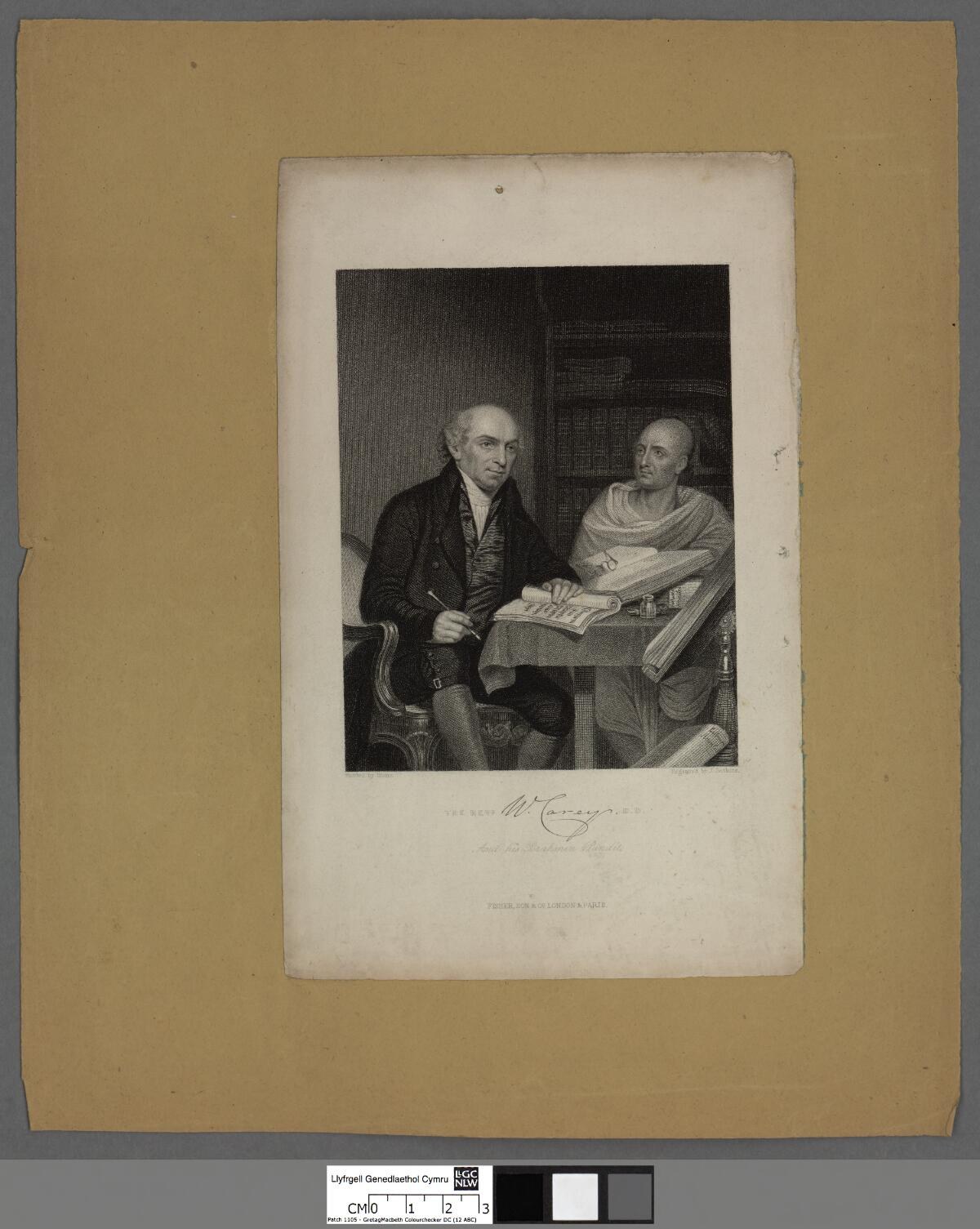 The languages of the world
Modern Missionary and Vernacular Translation
The worldwide vernacular translation movement and the translation theory it produced, with its contested history.
The Glossary
The technical words of theology; ousia and gratia, hesed and tawhid, dharma and atman; each with its language, its literal sense, and its theological meaning. 41 terms in the glossary.