
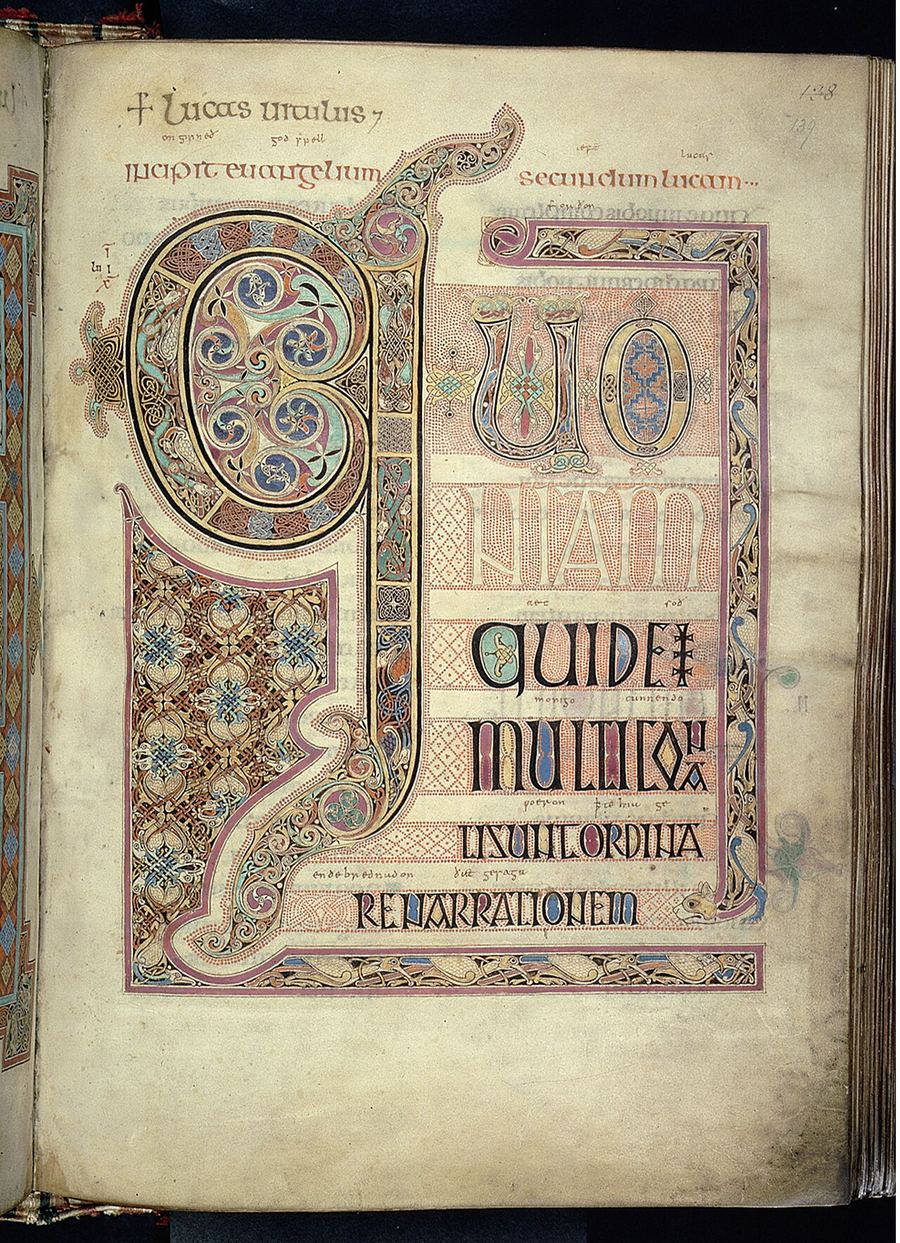
The Ancient Church Translations: Coptic, Ethiopic, Armenian, Georgian, Slavonic
The early versions of the daughter churches, which preserved texts lost elsewhere and made the Bible a literature in five more tongues.
The faith travelled in translation from the start. Egypt rendered the scriptures into Coptic; Ethiopia into Ge'ez, adding books no other church kept; Armenia and Georgia built Christian literatures on their new alphabets; and Cyril and Methodius carried the liturgy and the Bible into Slavonic, fixing the pattern of vernacular worship in the Christian East.
Each tradition preserved texts the others lost, and each made the Bible a national literature. Their manuscripts remain primary evidence for the text of Scripture and for the history of the churches.
References
- Matenadaran manuscript institute Free / open access
Other Translation Traditions
- The Septuagint (LXX) — The Greek translation of the Hebrew Bible made in Alexandria — the Old Testament of the early church and of Orthodoxy.
- The Targums — The Aramaic paraphrases of the Hebrew Bible that accompanied synagogue reading and preserve ancient interpretation.
- The Peshitta — The Syriac standard Bible, the first complete Bible translation of the Christian era, still read across the Syriac churches.
- The Vulgate — Jerome's Latin Bible, the text of Western theology for a millennium and the Catholic Church's declared rule of faith at Trent.
- Vetus Latina (Old Latin) — The Old Latin versions that preceded the Vulgate: the first Latin Bibles, and early witnesses to the Greek text.
- Arabic Bible Translations — A thousand years of Arabic versions, differing by community and confession, down to the Van Dyck Bible of 1865.
- Modern Missionary and Vernacular Translation — The worldwide vernacular translation movement and the translation theory it produced, with its contested history.