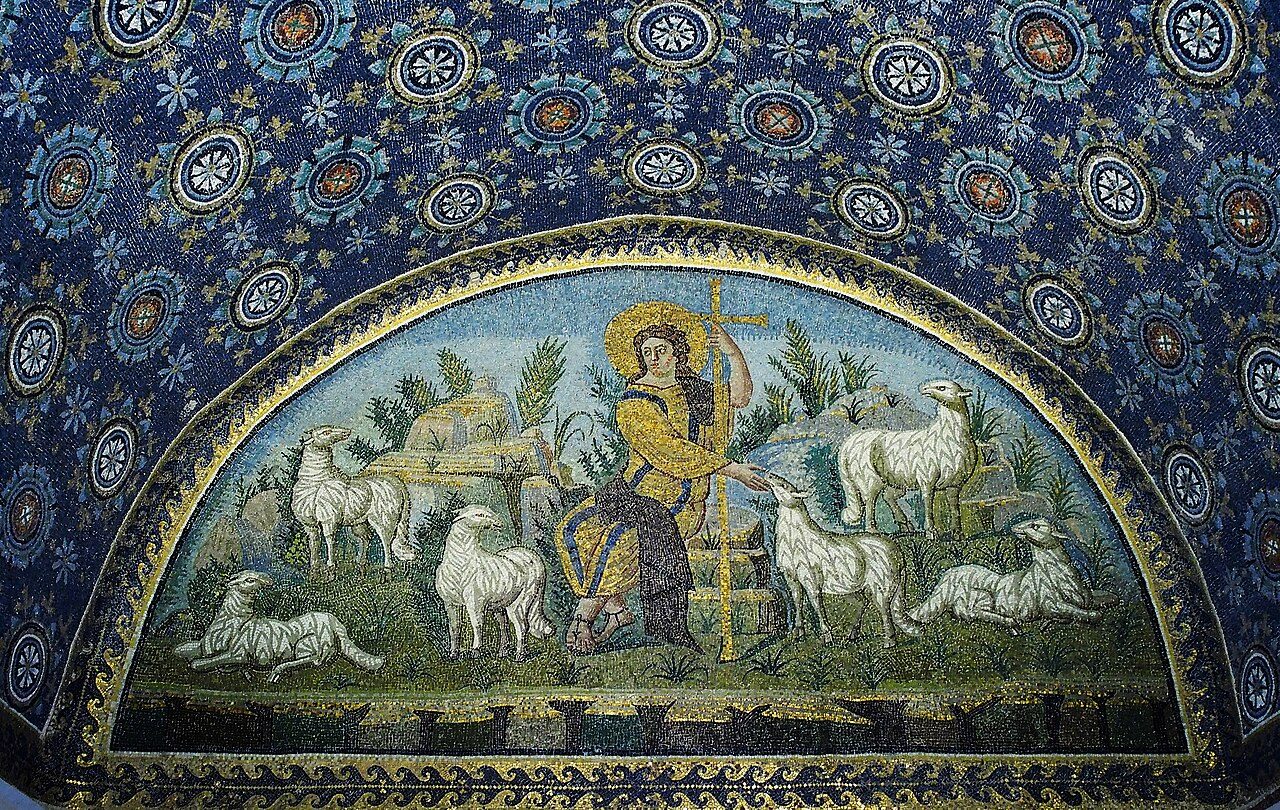
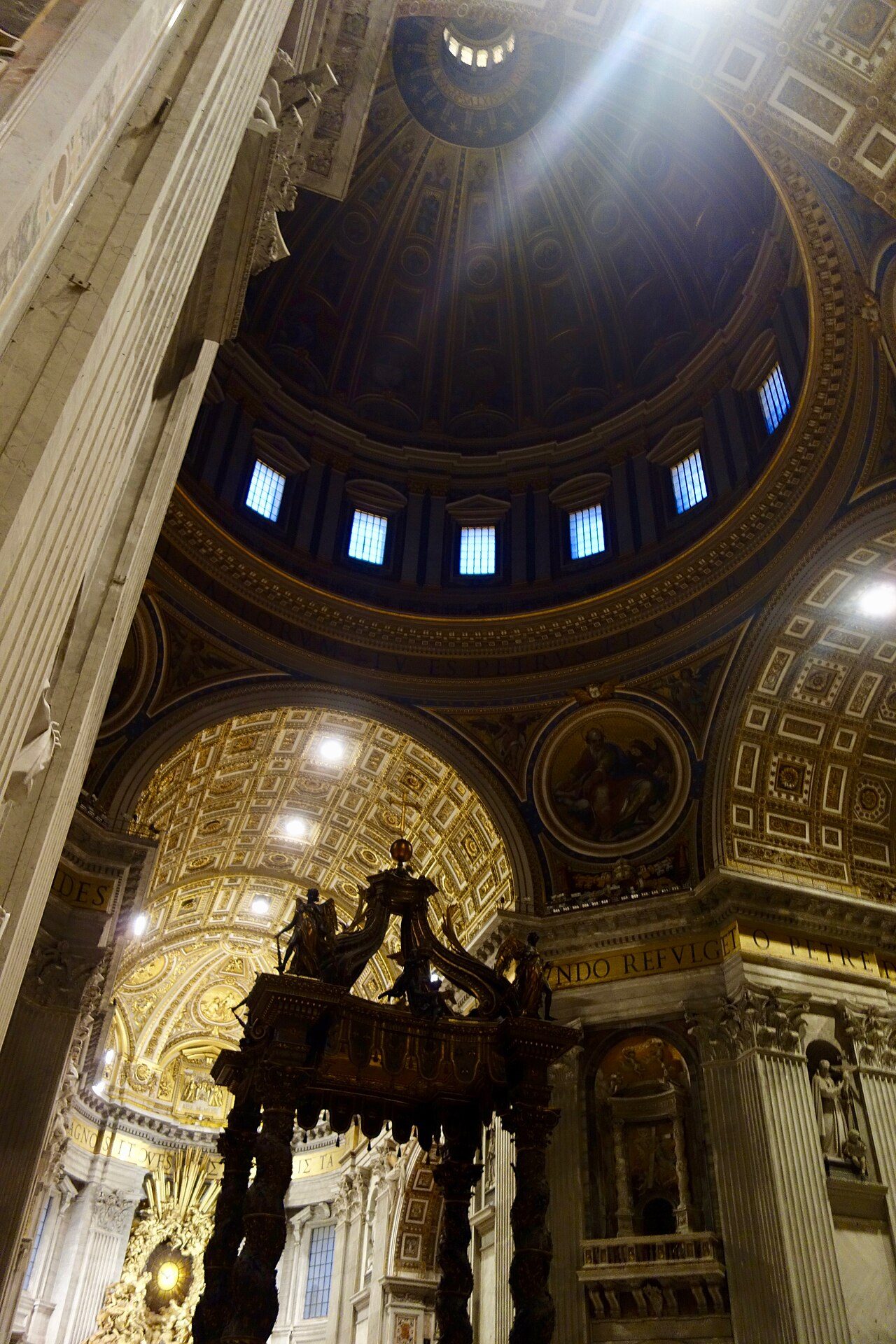
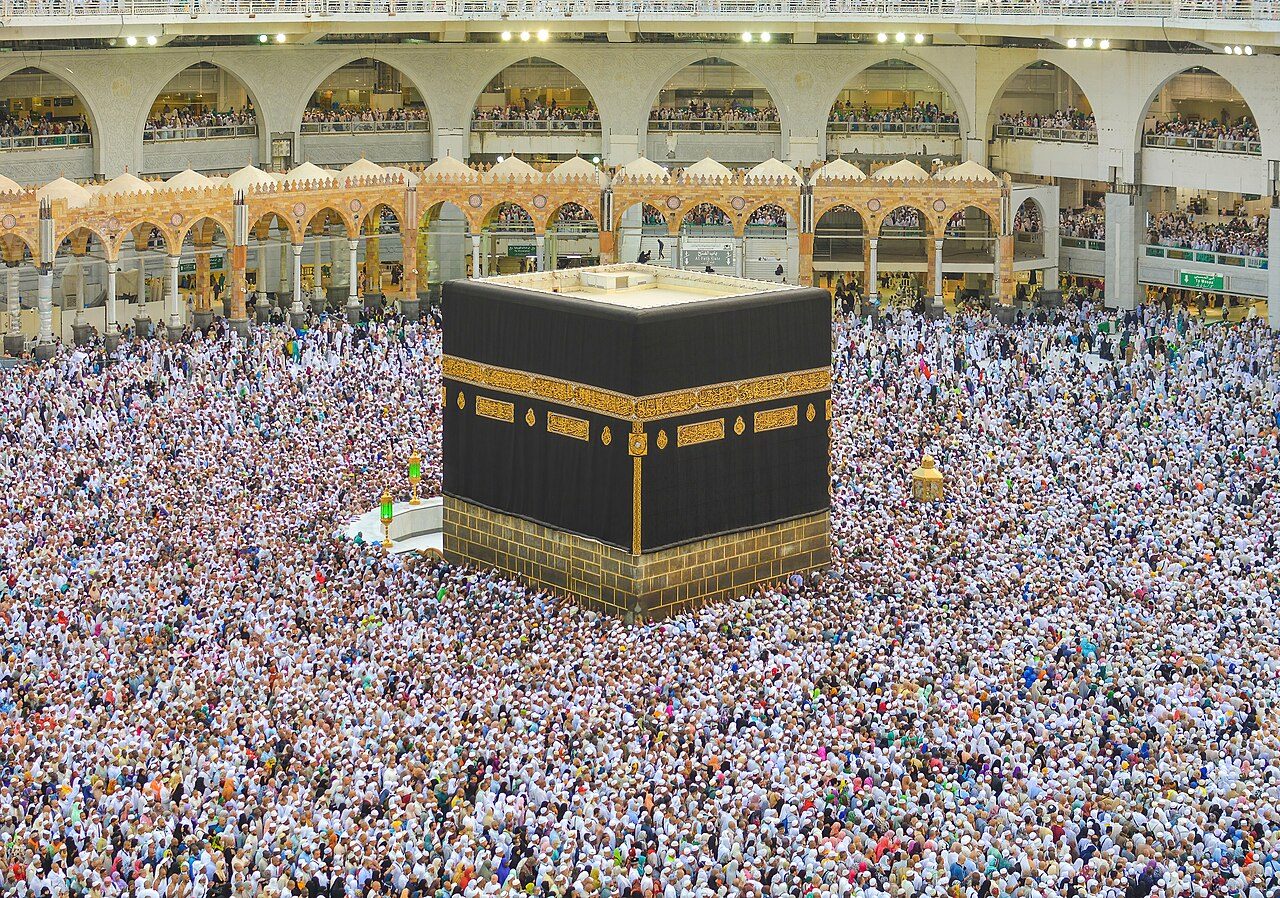
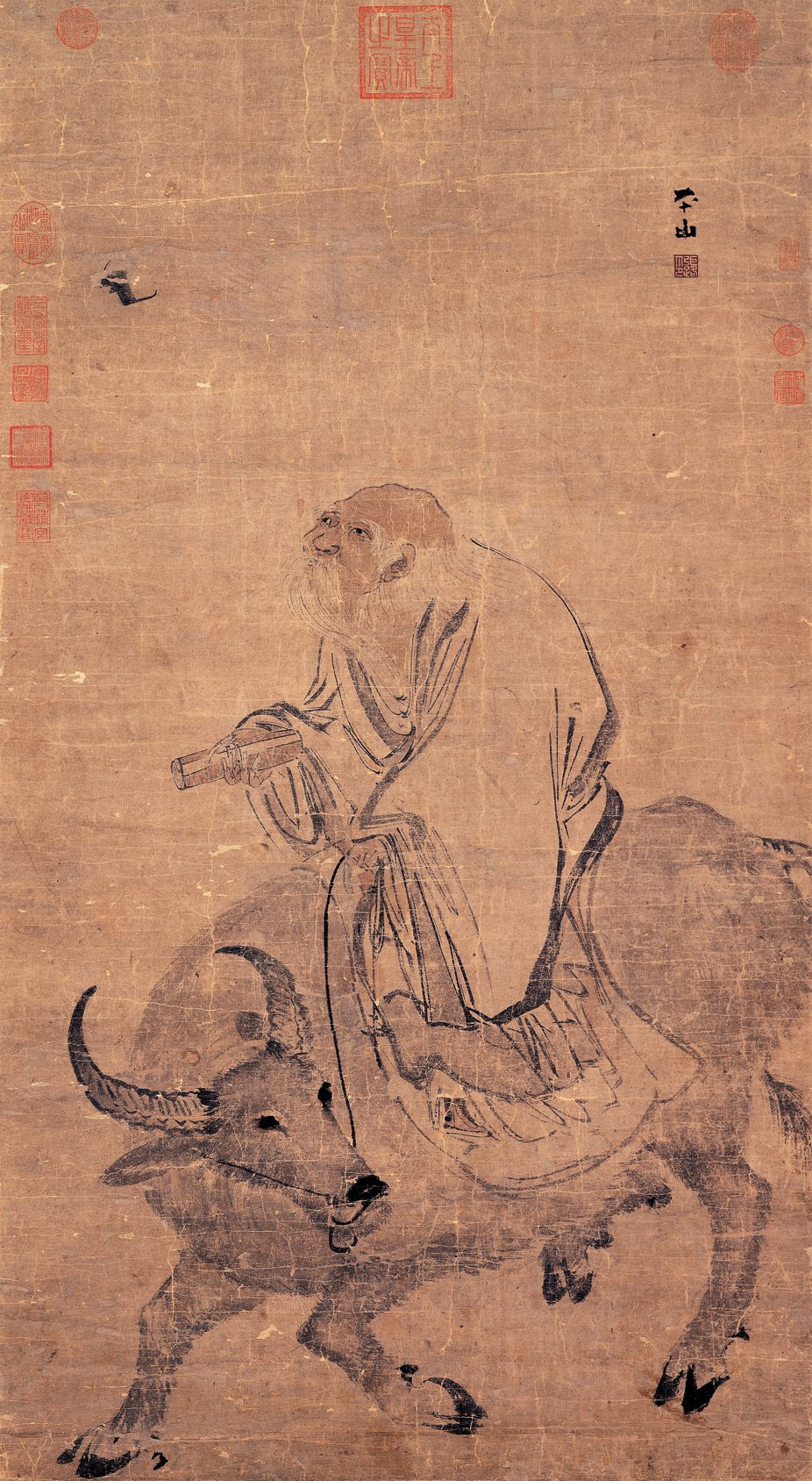
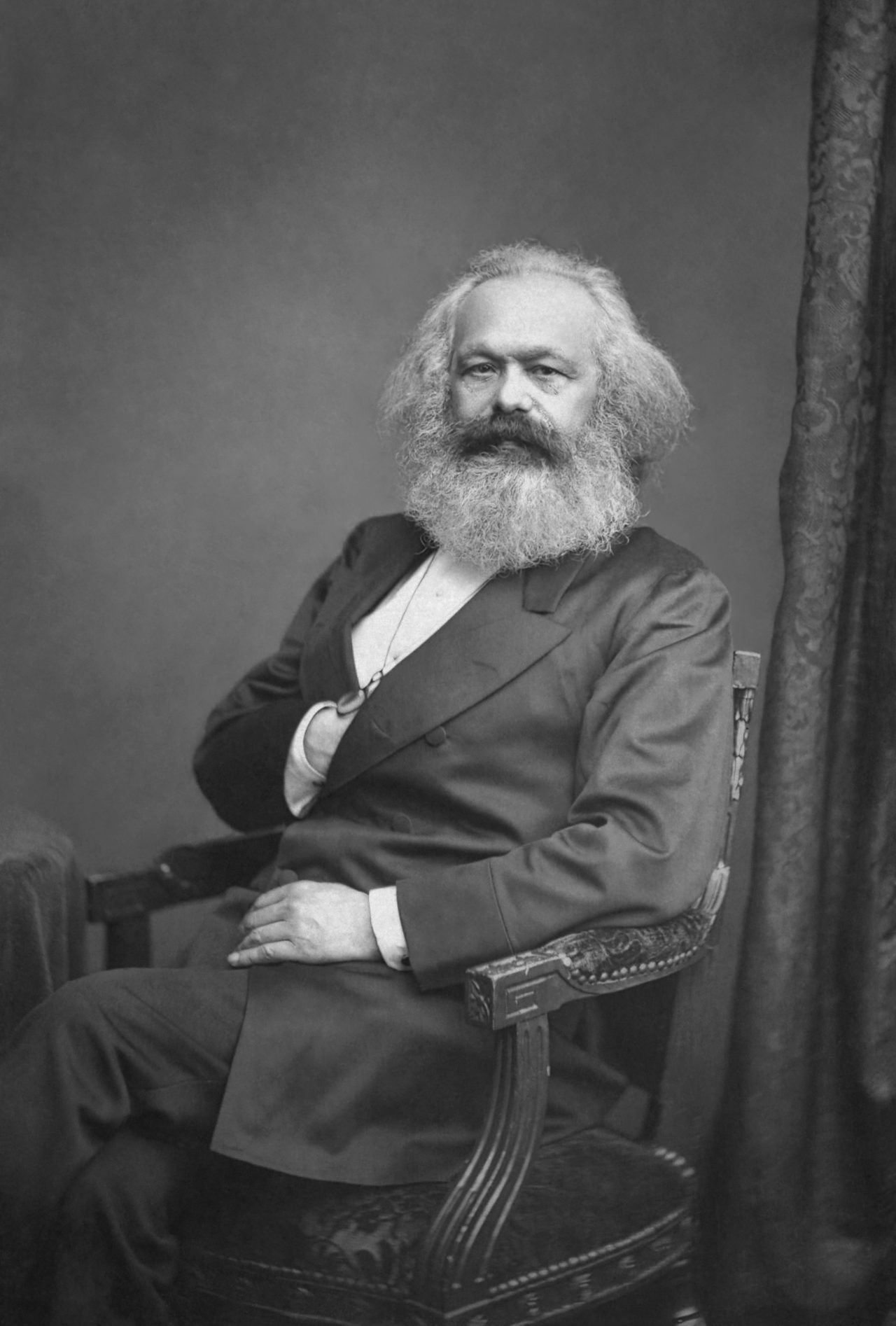
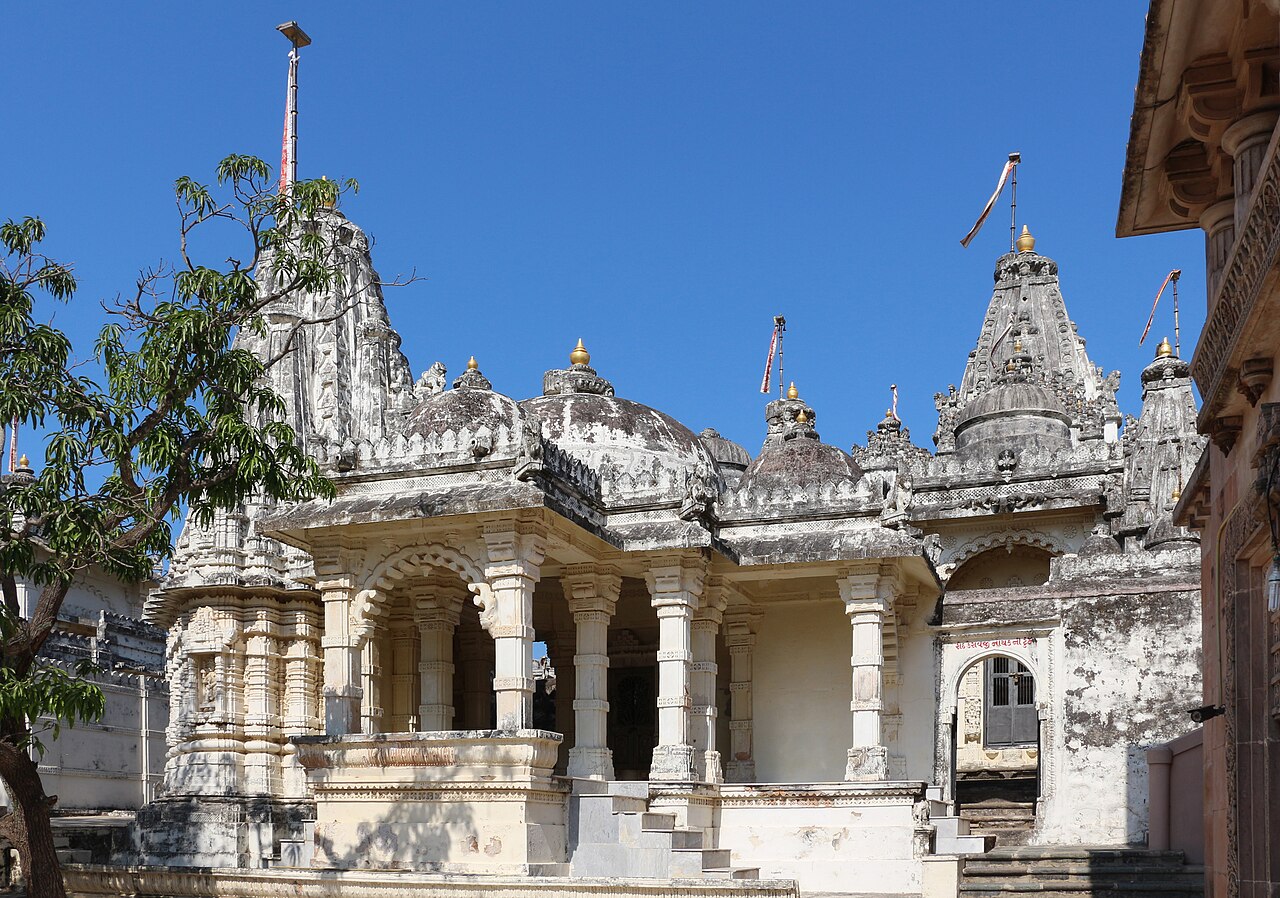
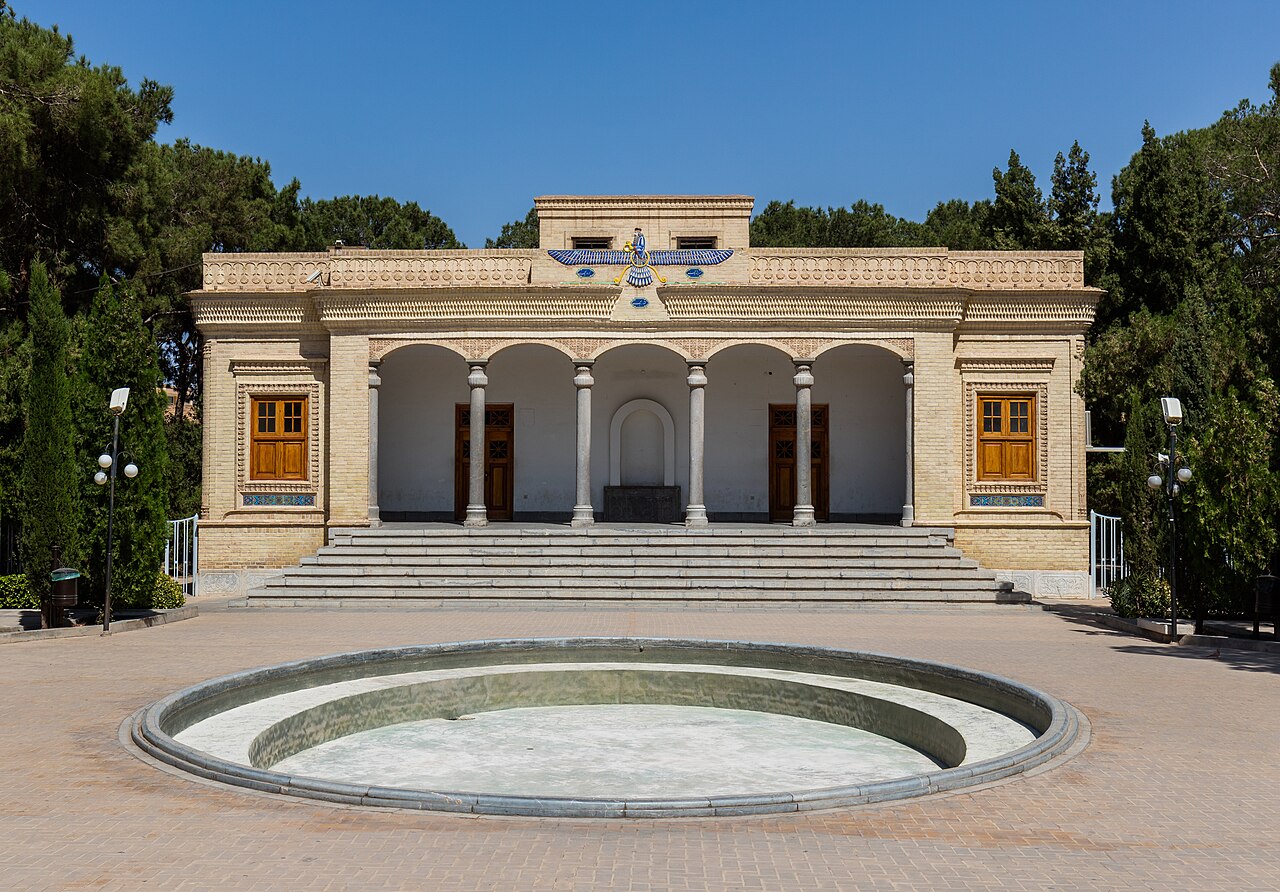
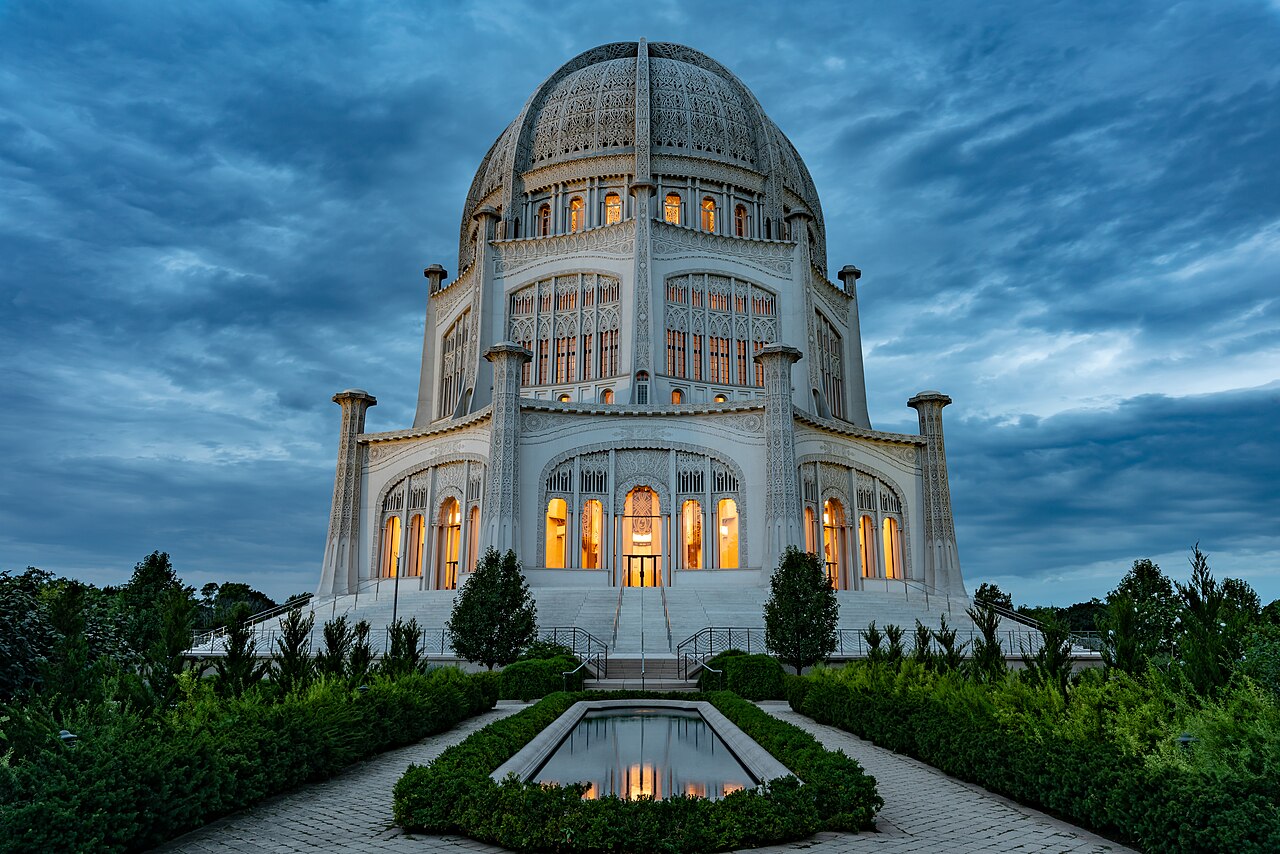
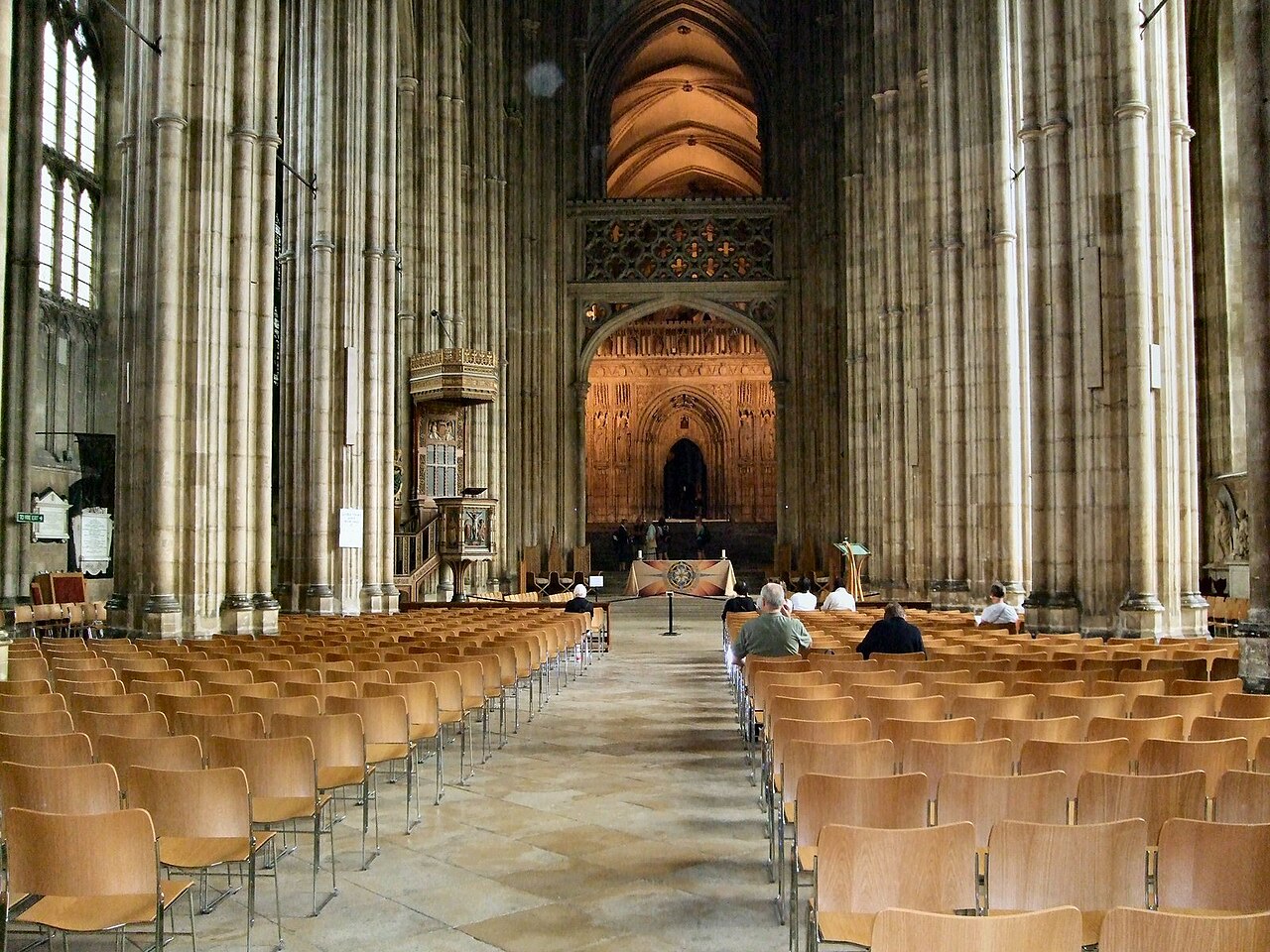
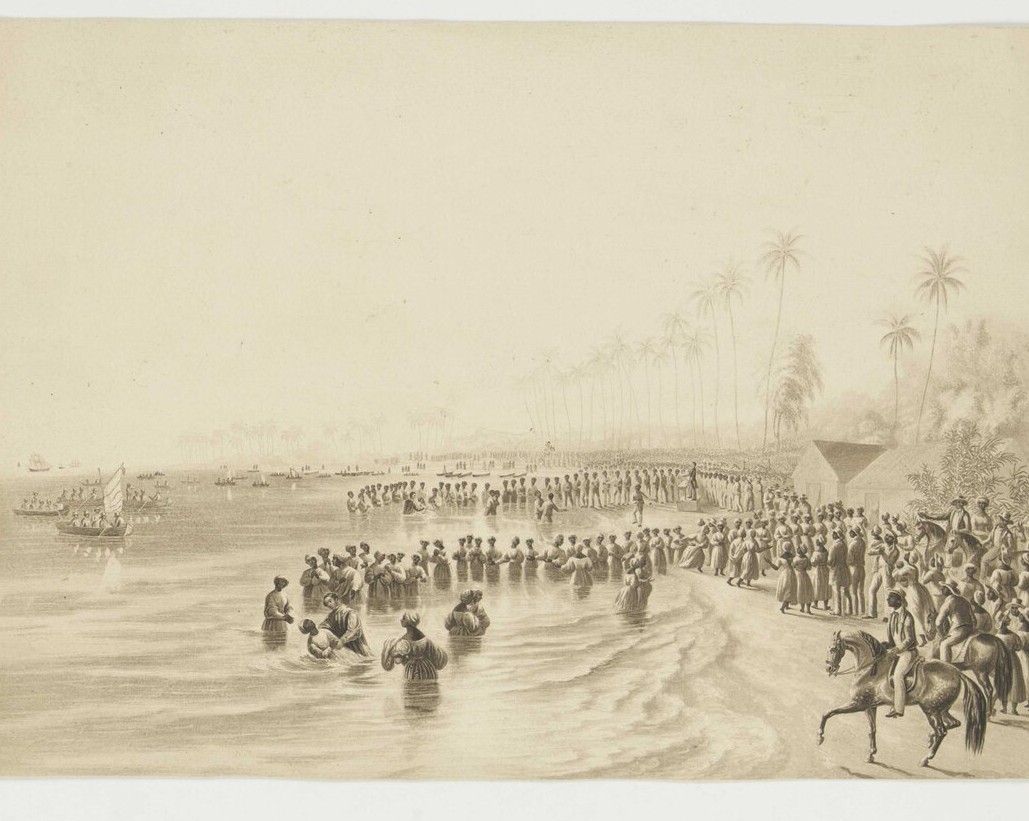
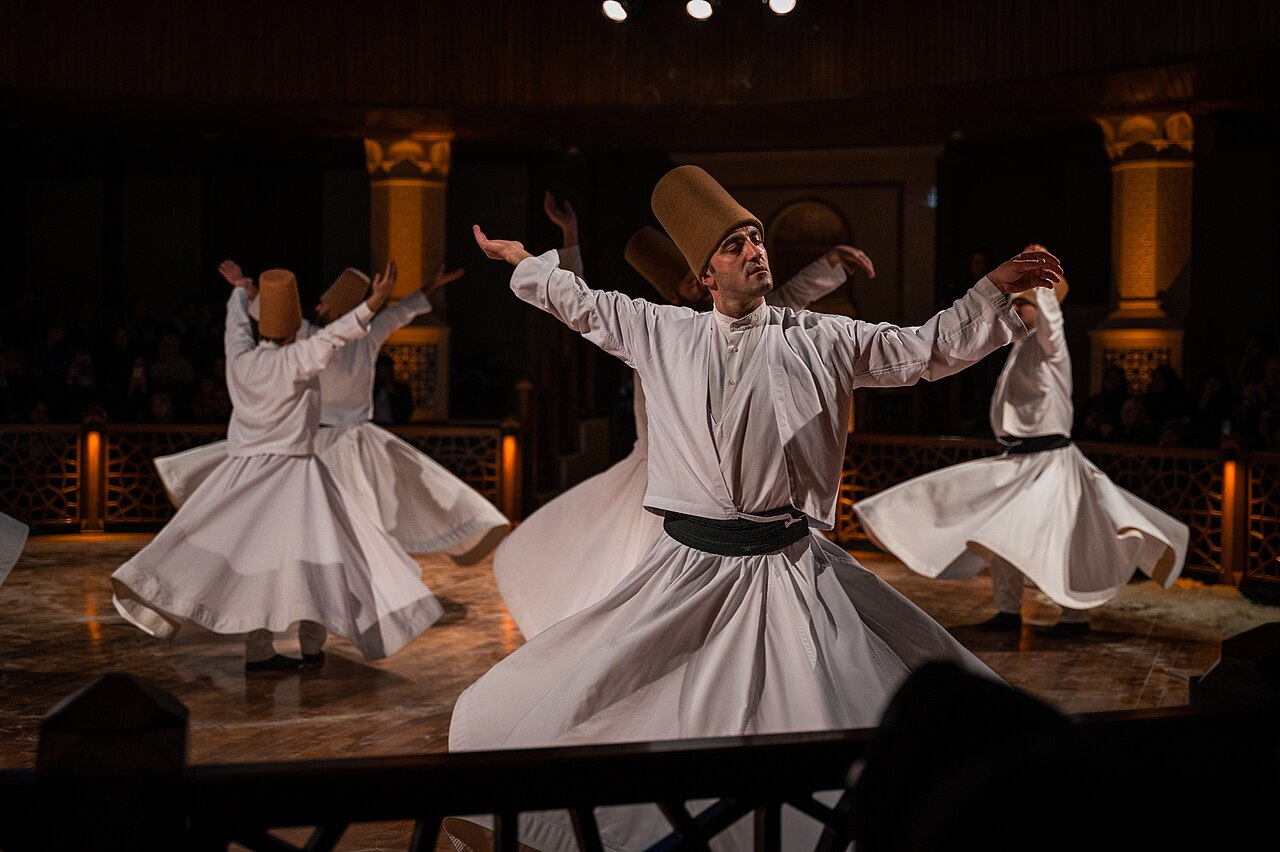
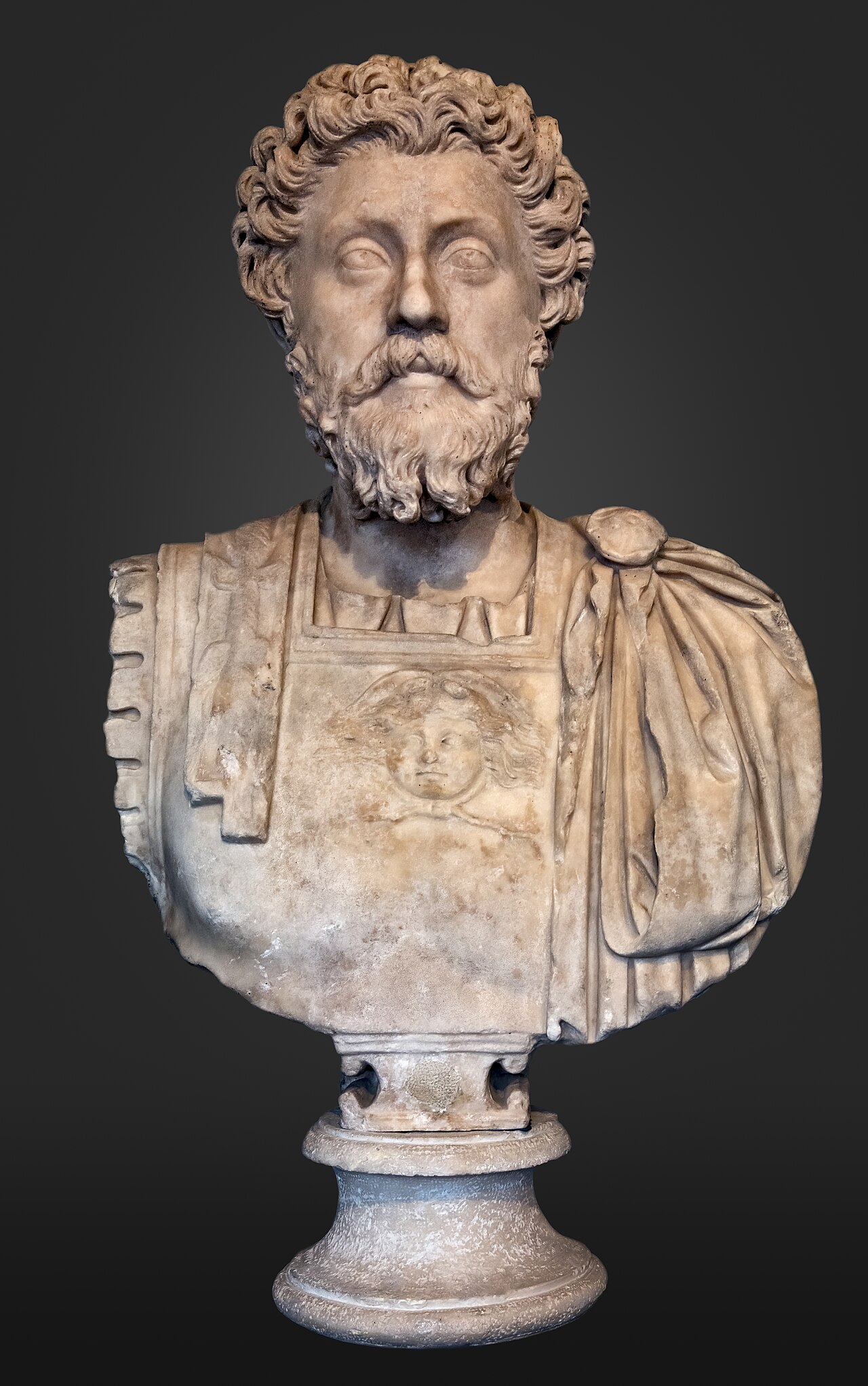
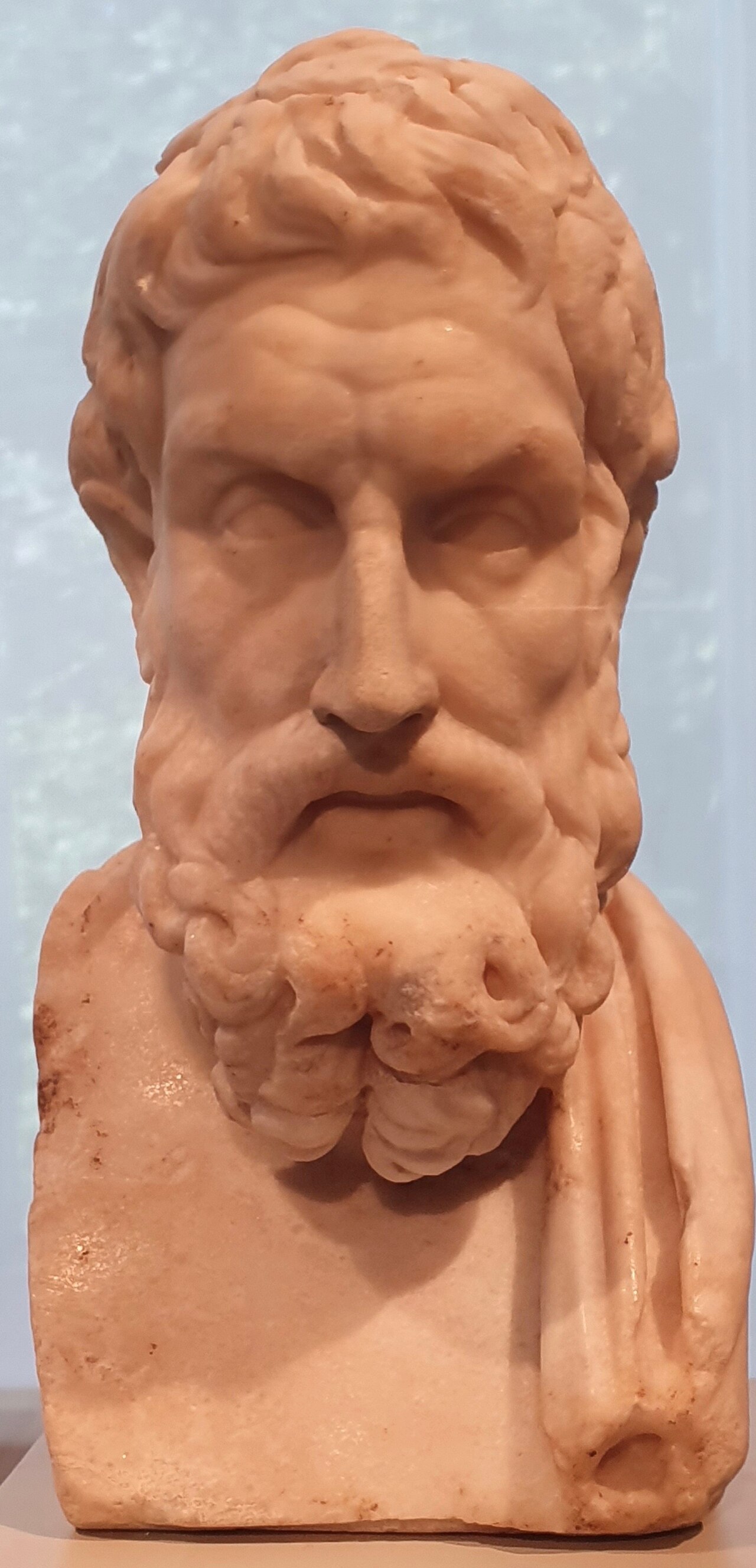
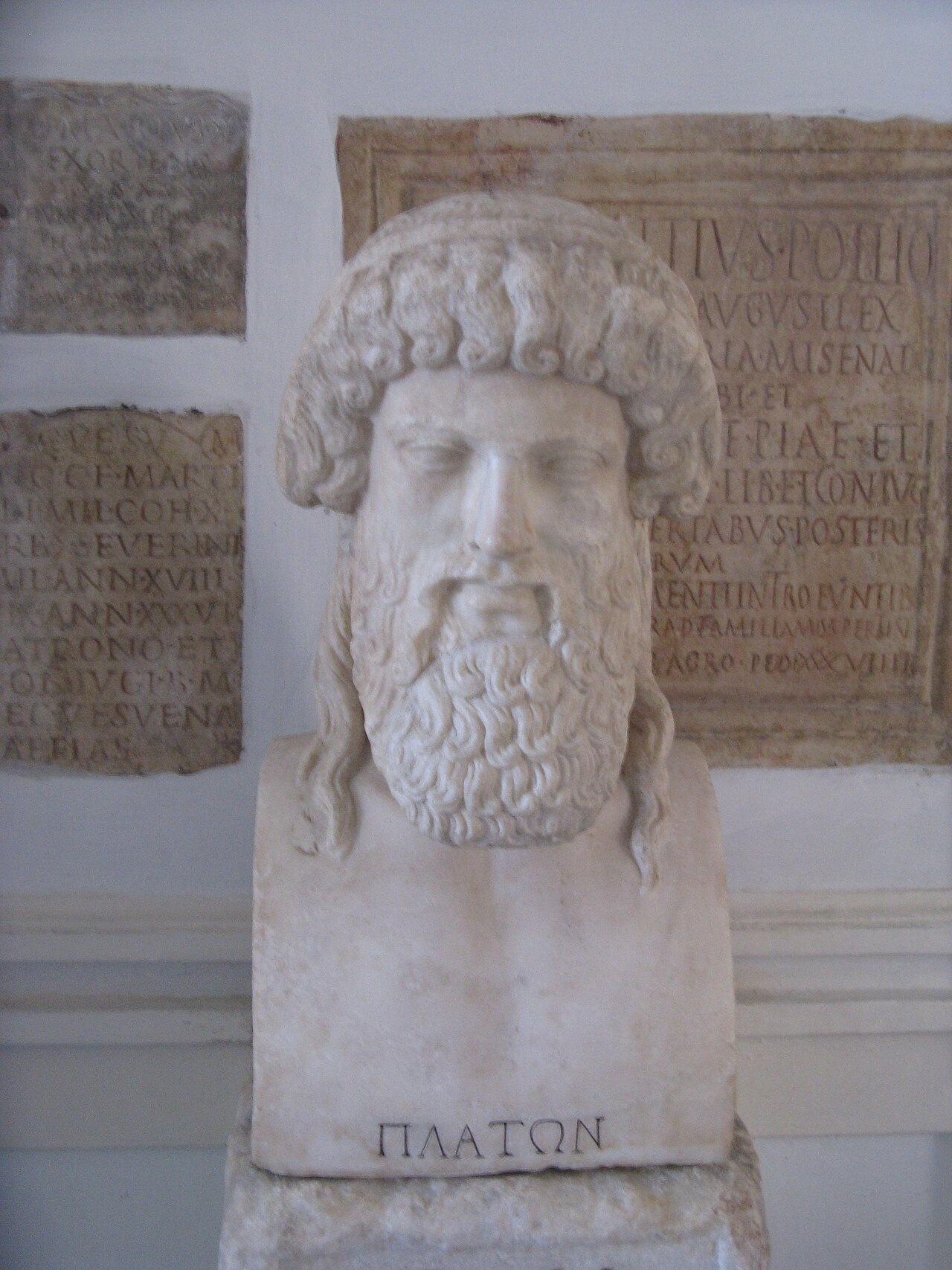
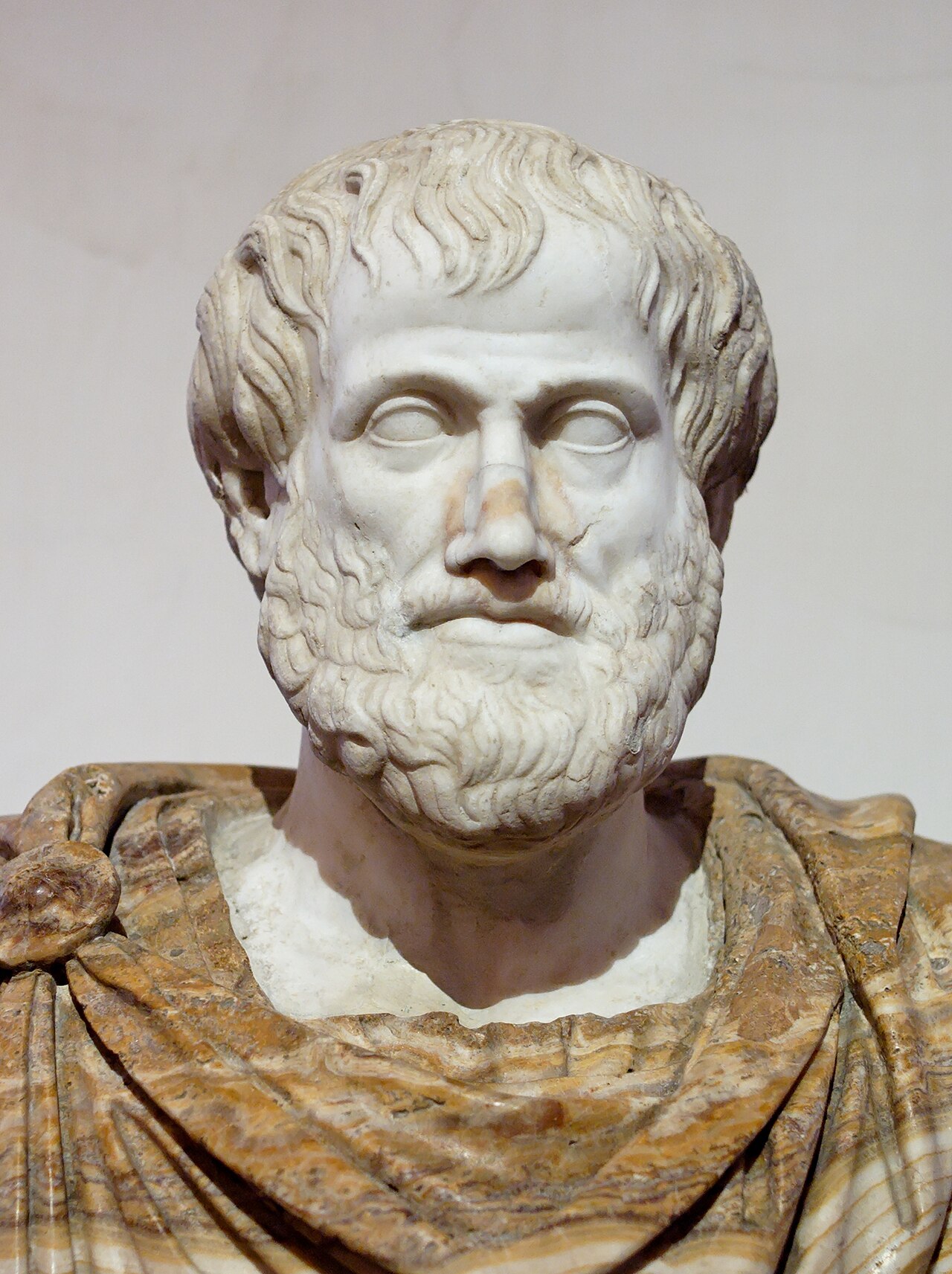
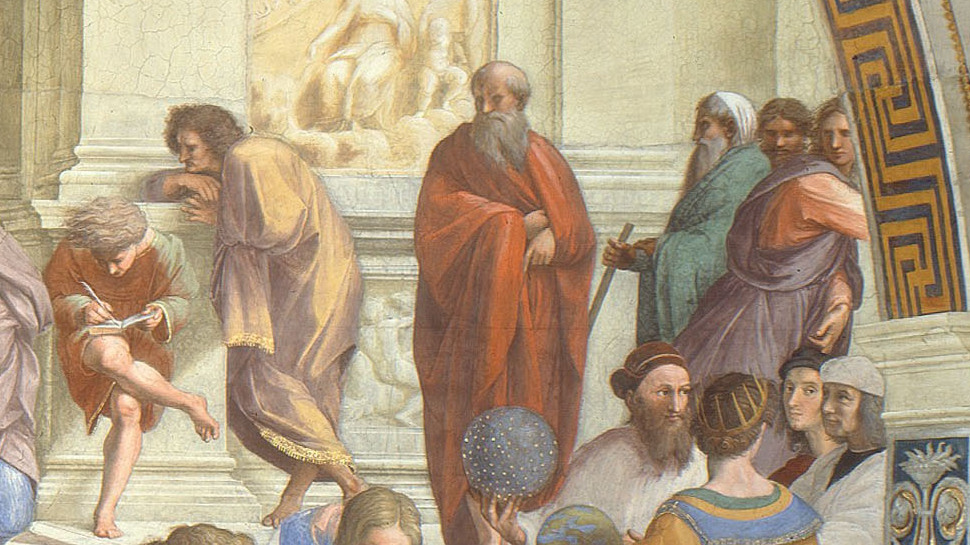
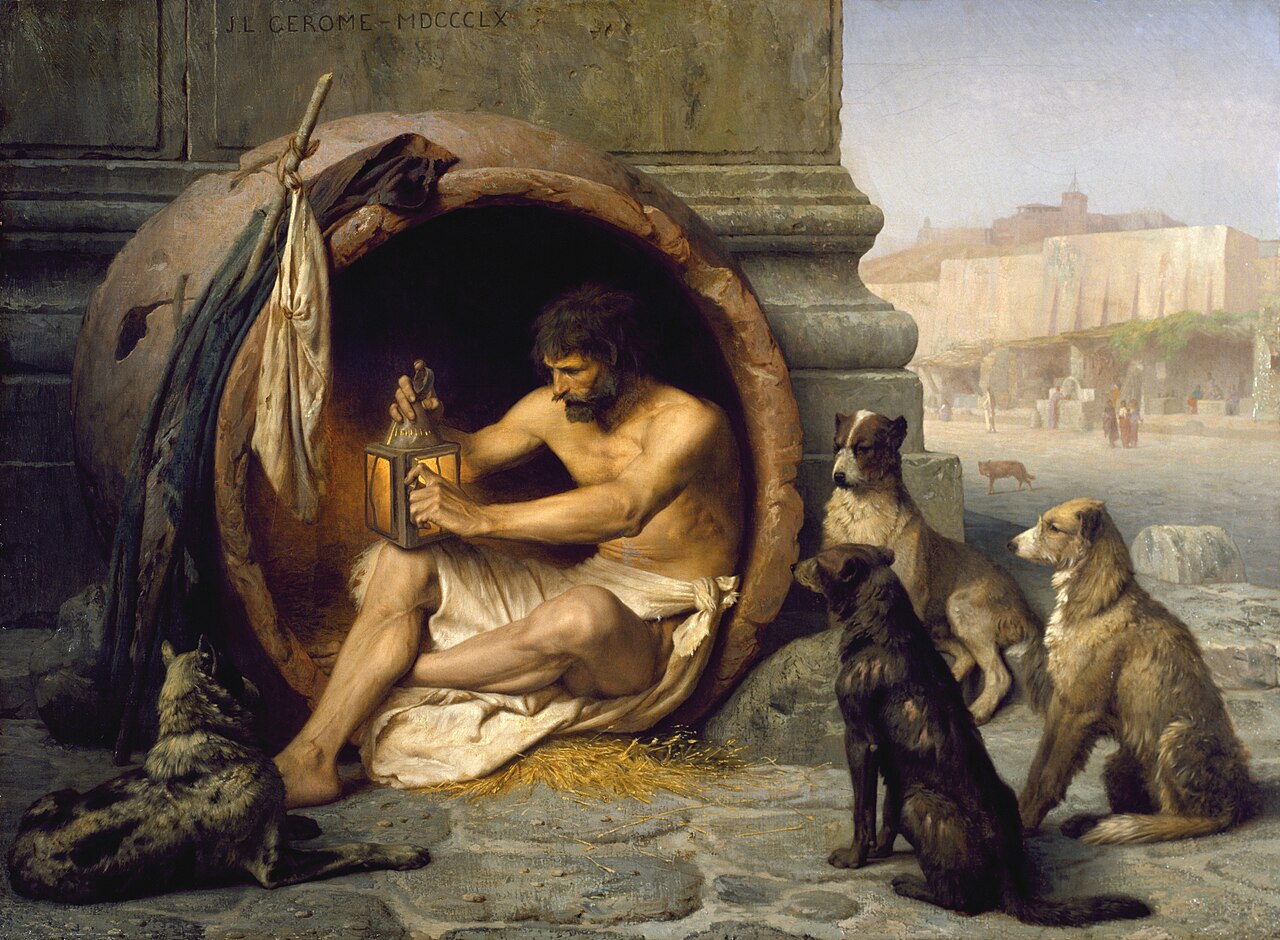
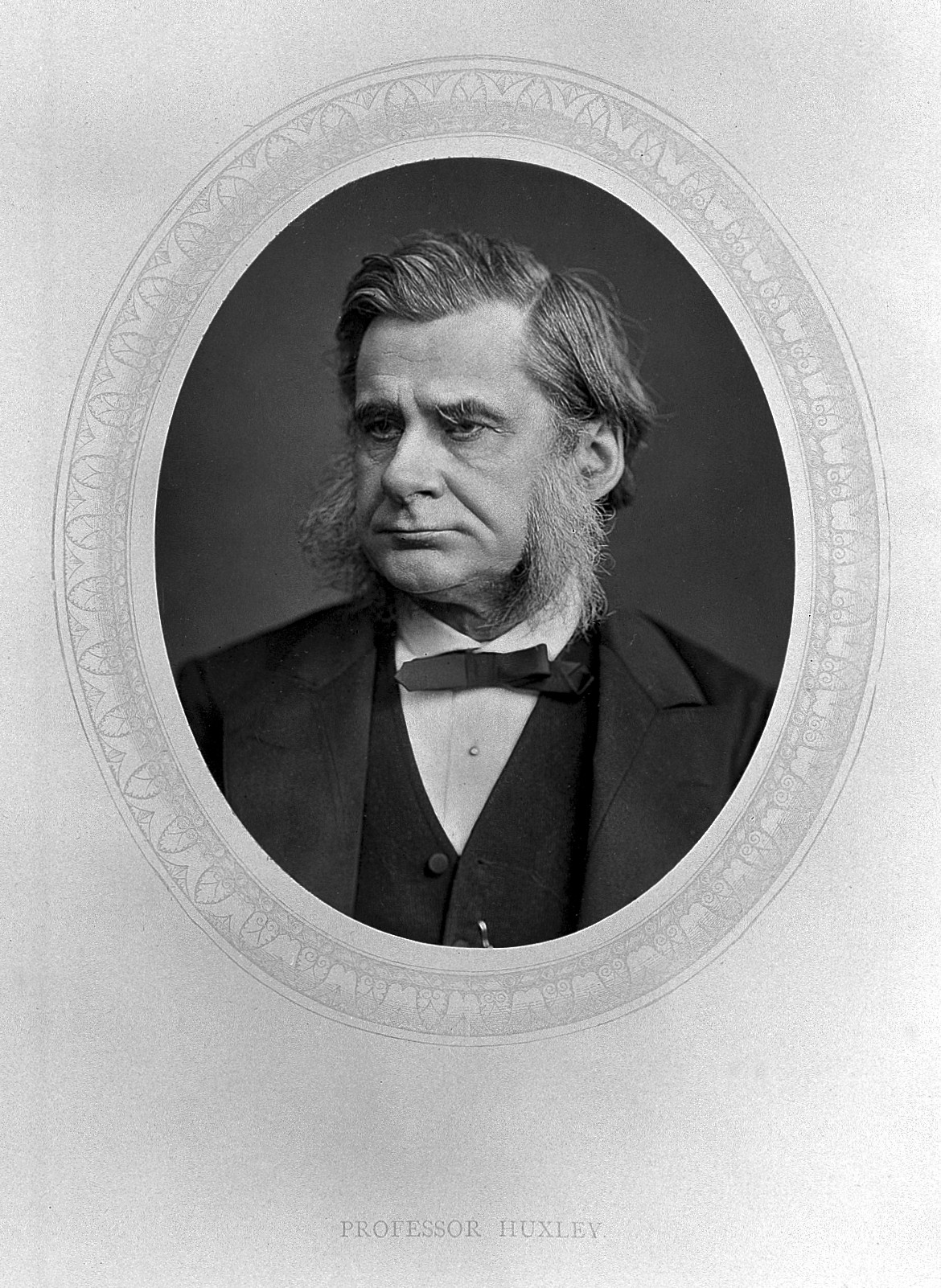
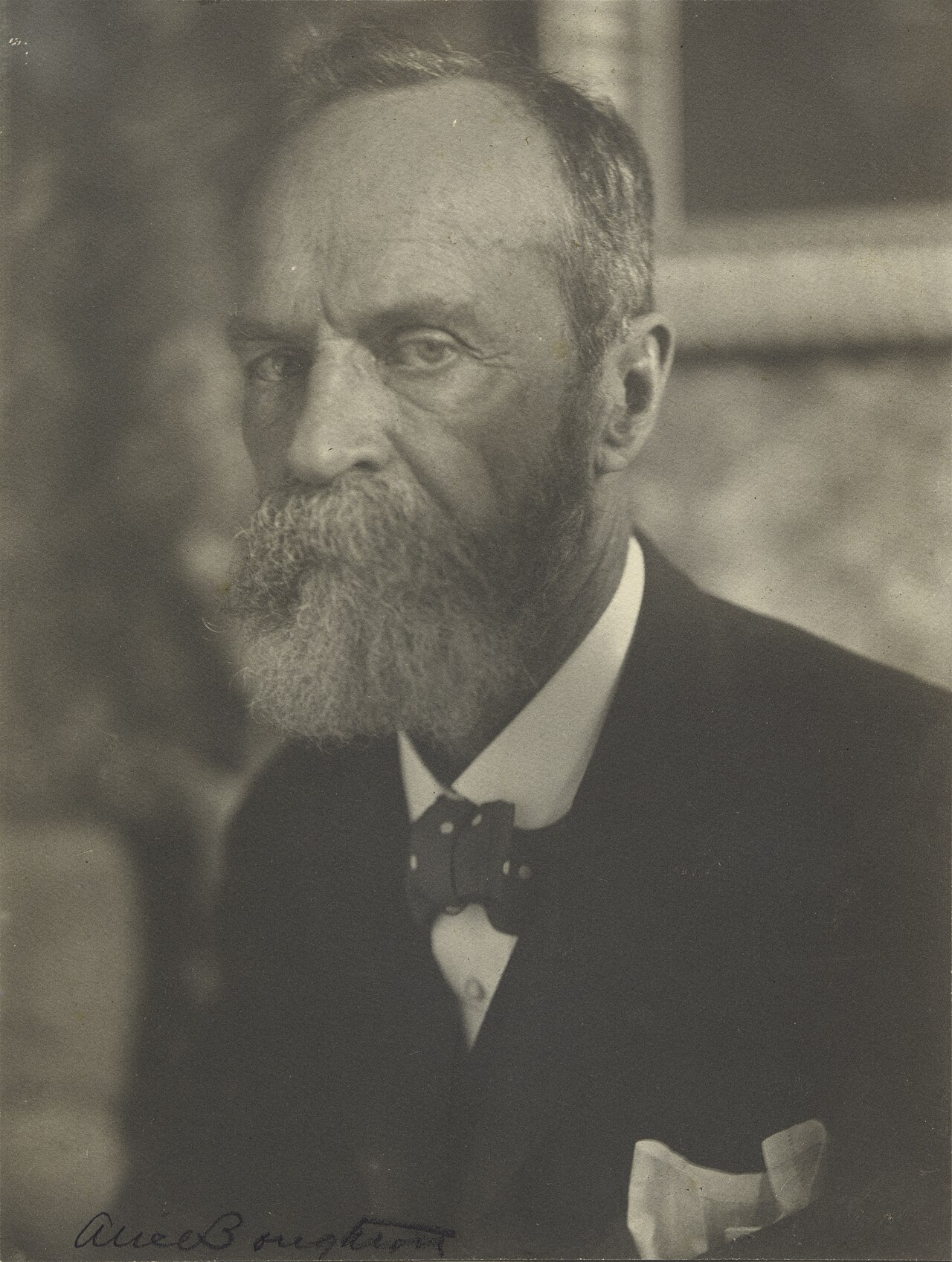
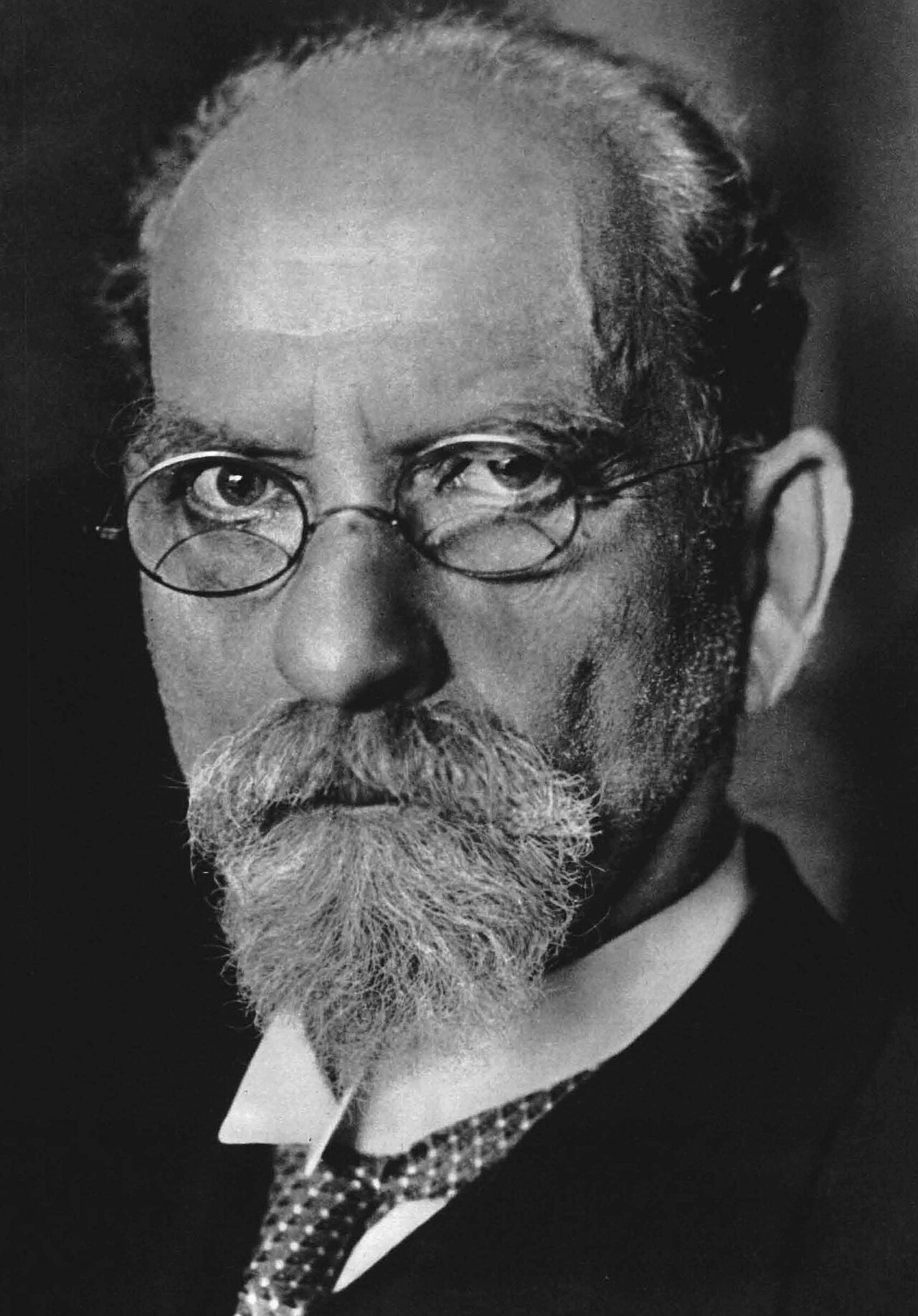
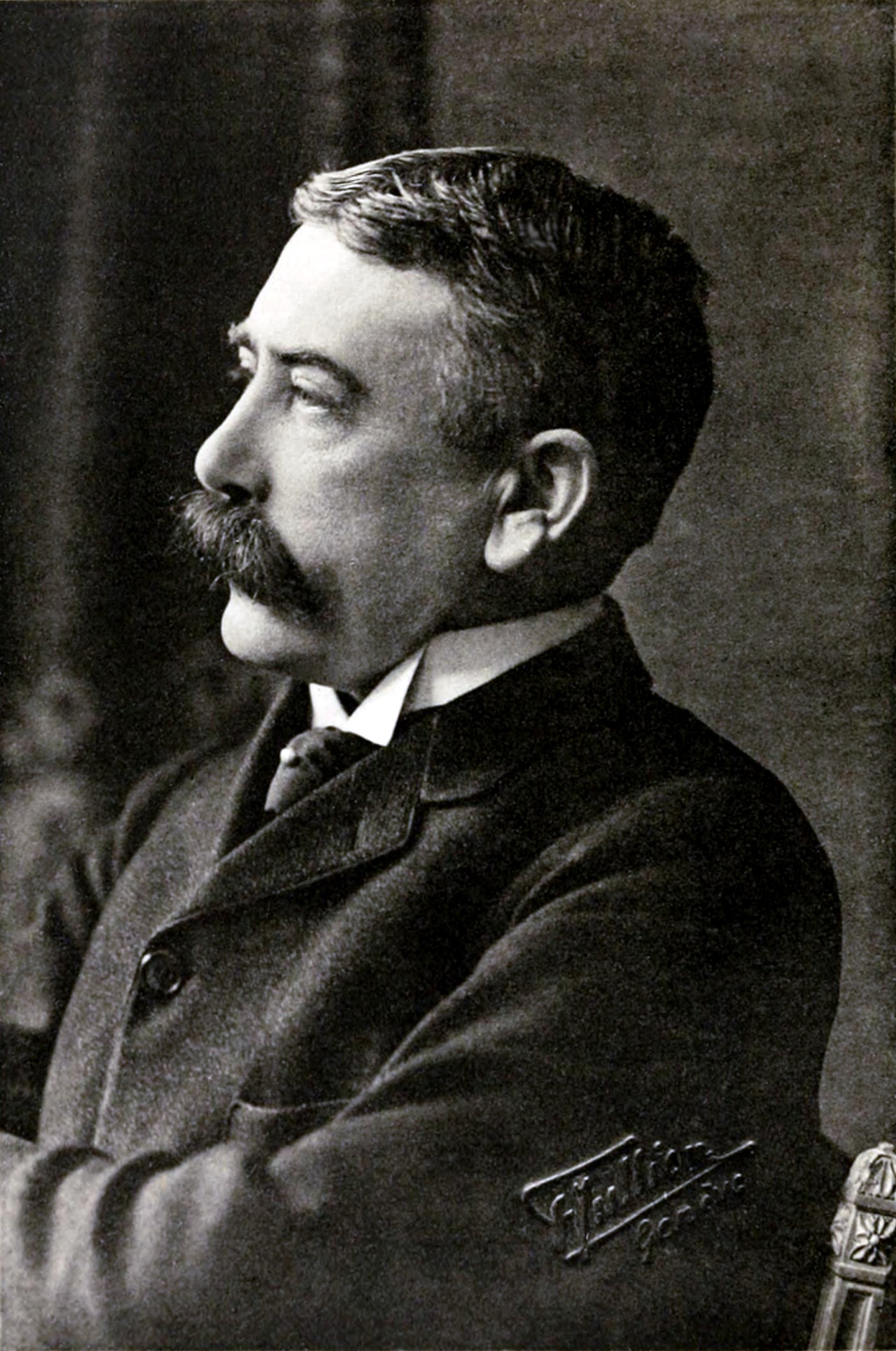
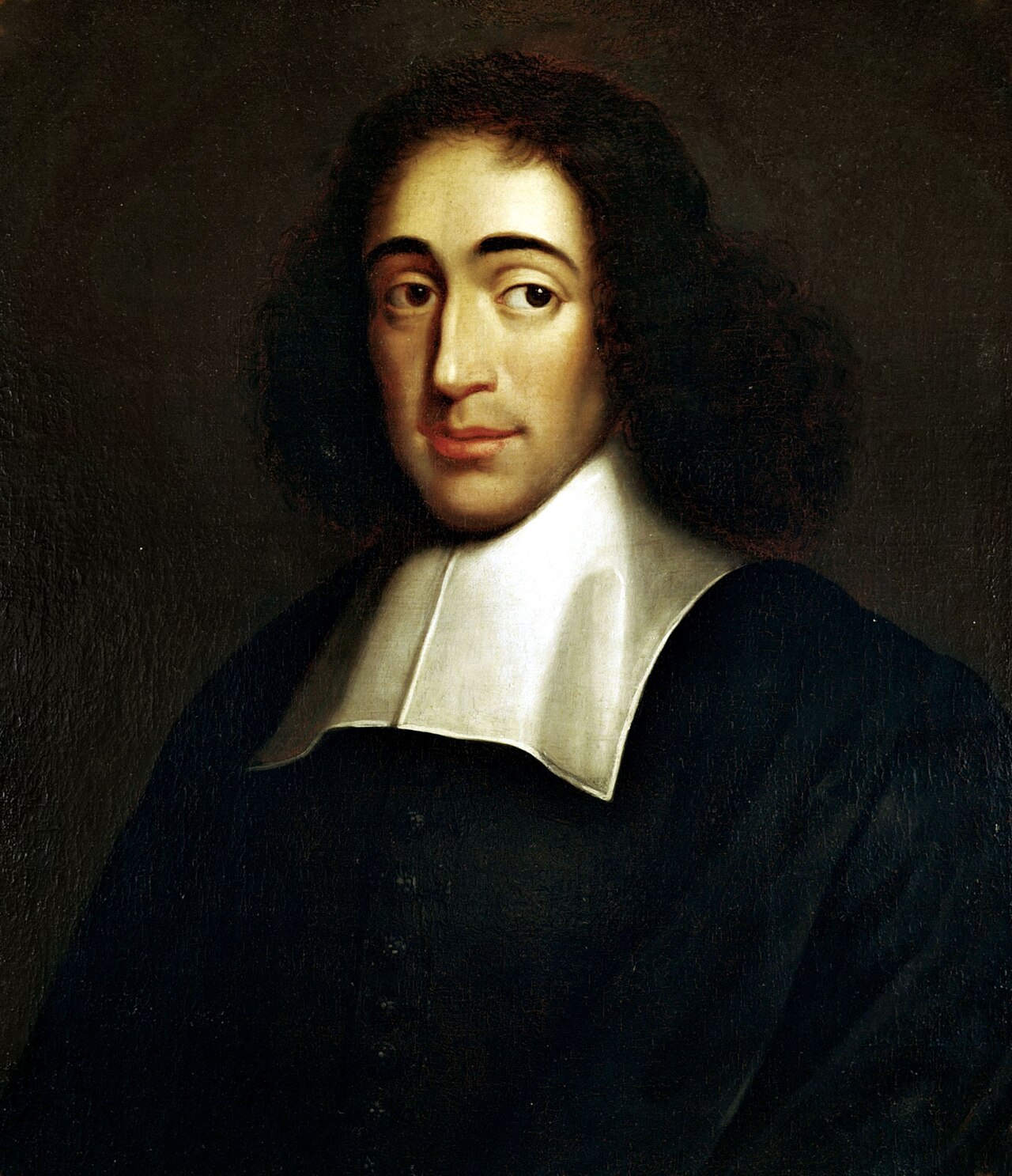
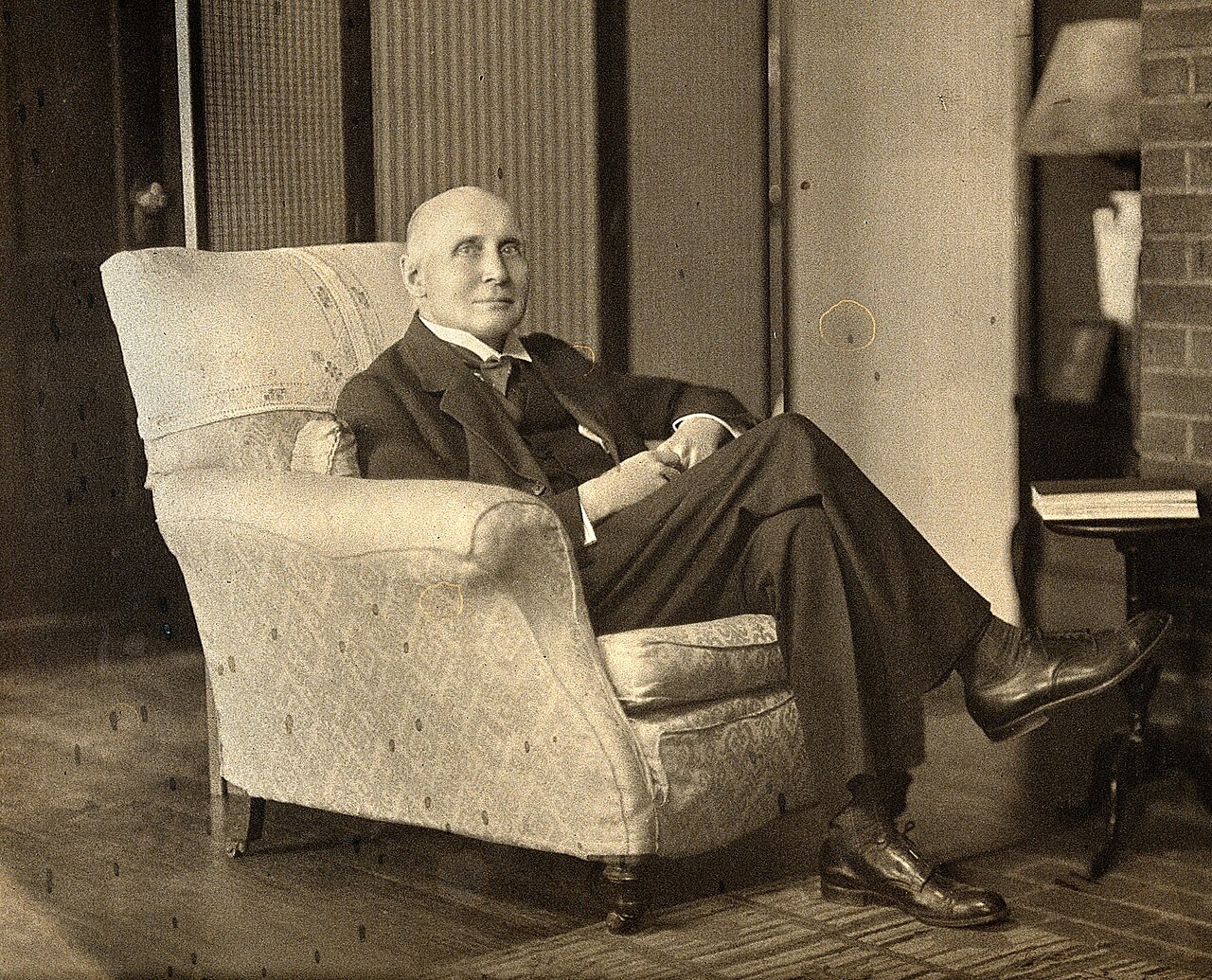
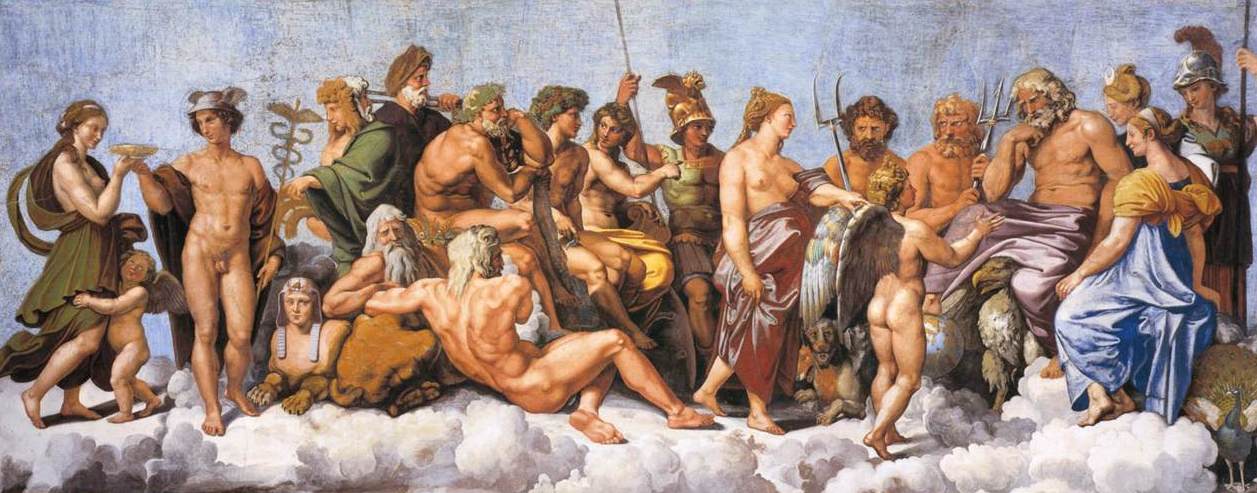
World Views What Is a World View? (Definition) World View Evaluation I World View Evaluation II The Christian World View "Core" Components Basic World View Classification The Christian World View "Elements" (Content) Search Stance Both stances Theism Non-Theism Tradition All traditions Agnosticism (1) Ahmadiyya (1) Anabaptist (1) Anglican (1) Animism (1) Apatheism (1) Aristotelianism (1) Bahá'í (1) Baptist (1) Buddhist (2) Cao Dai (1) Catholic (1) Christian (4) Confucianism (1) Cynicism (1) Daoism (1) Deism (1) Druze (1) Eastern Orthodox (1) Effective Altruism and Longtermism (1) Epicureanism (1) Existentialism (1) Hindu (1) Jain (1) Jewish (2) Lutheran (1) Mandaeism (1) Marxism (1) Methodist and Wesleyan (1) Muslim (1) Naturalism (1) New Age (1) Nihilism (1) Oriental Orthodox (1) Panentheism (1) Pantheism (2) Pentecostal and Charismatic (1) Phenomenology (1) Platonism (1) Polytheism (1) Postmodernism (1) Pragmatism (1) Rastafari (1) Reformed and Presbyterian (1) Restorationist (4) Scientific Materialism (1) Scientism (1) Secular Humanism (1) Shinto (1) Sikh (1) Skepticism (1) Spiritual But Not Religious (1) Stoicism (1) Structuralism and Post-Structuralism (1) Sufi Orders (1) Tenrikyo (1) Transhumanism (1) Utilitarianism (1) Wicca and Modern Paganism (1) Yazidism (1) Zoroastrianism (1) 70 entries The World Views World View The Christian World View Historic Christianity confesses one God who created all things, who entered history in Jesus Christ, and who restores humanity through Christ's death and resurrection. World View World View The Catholic World View Catholic Christianity confesses one triune God and receives his revelation through Scripture and Tradition, guarded by the Church Christ founded and its apostolic teaching office. World View World View Judaism Judaism is the covenant faith of the people of Israel: one God chose them, gave them his Torah, and calls them to holiness and justice in this world. World View World View Islam Islam is submission to the one God, Allah, who spoke finally through his prophet Muhammad; the Qur'an guides believers toward judgment, mercy, and paradise. World View World View Hinduism Hinduism gathers many traditions around one conviction: the soul is bound to rebirth by karma, and liberation comes when it realizes its oneness with the divine. World View World View Buddhism Buddhism teaches that suffering comes from craving and ignorance; by following the Buddha's Eightfold Path, a person can awaken and be freed from rebirth. World View World View Taoism Taoism teaches that a nameless Way, the Tao, orders all things; wisdom is to stop forcing and live in harmony with its flow. World View World View Sikhism Sikhism confesses one God, revealed through Guru Nanak and the ten Gurus; honest work, shared wealth, and remembrance of God lead to liberation. World View World View Eastern Pantheistic Monism Eastern pantheistic monism is a family of teachings holding that all reality is one divine whole; the separate self is an illusion, and awakening to oneness is salvation. World View World View Animism and Primal Religion Animism and primal religions hold that the world is alive with spirits; of ancestors, animals, and places; and that ritual keeps human life in harmony with them. World View World View Deism Deism holds that reason and nature reveal one Creator who made the world and its laws, then left it to run without miracles or special revelation. World View World View Naturalism Naturalism holds that nature is all there is: the universe of matter, energy, and natural law needs no god, soul, or purpose beyond itself. World View World View Secular Humanism Secular humanism builds life on reason, science, and human compassion without religion, aiming at dignity, freedom, and flourishing for every person in this world. World View World View Existentialism Existentialism holds that life has no built-in meaning: each person, radically free, must create a self and accept responsibility for that creation. World View World View Nihilism Nihilism is the conviction that life has no inherent meaning, purpose, or objective moral truth; the heavens are empty and every value is groundless. World View World View Marxism Marxism explains history as the struggle of classes over material production, and aims at a classless society in which exploitation and alienation are ended. World View World View New Age Spirituality New Age spirituality is an eclectic search for the divine within: through healing, meditation, and ancient wisdom, each person awakens to their own sacred power. World View World View Postmodernism Postmodernism doubts every grand story that claims to explain everything; it treats truth as shaped by language, culture, and power rather than simply discovered. World View World View Confucianism Confucianism teaches that a humane society grows from cultivated character: virtue learned through ritual propriety, study, and devotion to family, under Heaven's moral order. World View World View Shinto Shinto is Japan's indigenous way of revering the kami; the sacred powers in shrines, mountains, rivers, and ancestors; and of living in gratitude and purity before them. World View World View Jainism Jainism teaches that every living thing carries an eternal soul weighed down by karma, and that liberation comes by strict non-violence, truthfulness, and renunciation, without any creator god. World View World View Zoroastrianism Zoroastrianism, the teaching of the prophet Zarathustra, sets one wise and good God, Ahura Mazda, against the destructive spirit, and calls every person to choose good thoughts, good words, and good deeds. World View World View Bahá'í The Bahá'í Faith teaches that God is one, religion is one unfolding revelation, and humanity is one family now coming of age; its task is to build a just and peaceful world civilization. World View World View Eastern Orthodoxy Eastern Orthodoxy is the church of the Greek-speaking East, holding the faith of the seven ecumenical councils, worshipping in the Divine Liturgy, and seeking theosis; the transformation of the human person by God's uncreated grace. World View World View Oriental Orthodoxy Oriental Orthodoxy is the communion of the Coptic, Syriac, Armenian, Ethiopian, Eritrean, and Malankara churches, confessing Christ in one united nature of God the Word incarnate, and keeping some of Christianity's oldest liturgies and monasteries. World View World View Protestantism Protestantism is the family of churches born in the sixteenth-century Reformation, holding Scripture as the final authority and justification by grace through faith, and branching into Lutheran, Reformed, Anglican, Baptist, Methodist, Pentecostal, and many other traditions. World View World View Lutheranism Lutheranism is the Reformation tradition of Martin Luther, centered on justification by grace through faith, the distinction of law and gospel, and Christ truly present in word and sacrament. World View World View Reformed Christianity Reformed Christianity is the tradition of Zwingli, Calvin, and the Westminster and Heidelberg confessions, ordered by God's sovereignty, covenant, and the regulated worship and disciplined life of the church. World View World View Anglicanism Anglicanism is the tradition of the Church of England and the worldwide Anglican Communion, holding catholic order and reformed doctrine together through the Book of Common Prayer, the episcopate, and the appeal to Scripture, tradition, and reason. World View World View Baptist Baptists are congregational churches of believers' baptism by immersion, holding the Bible as sole rule, the local church as autonomous under Christ, and religious liberty for all as a birthright of the gospel. World View World View Methodism Methodism is the revival tradition of John and Charles Wesley, joining justification by faith to the disciplined pursuit of holiness, organized in small accountable groups and carried by hymn, class meeting, and itinerant preaching. World View World View Pentecostalism Pentecostalism is the movement of the Spirit's restoration, expecting baptism in the Holy Spirit, speaking in tongues, healing, and prophecy as the normal life of the church, and now the largest and fastest-growing family in world Christianity. World View World View Anabaptism Anabaptism is the radical Reformation tradition of believers' baptism, discipleship, nonviolence, and the separated church; the heritage of Mennonites, Amish, Hutterites, and Brethren, bought at the price of martyrdom. World View World View Adventism Adventism is the family born in expectation of Christ's soon return, centered on the Seventh-day Adventist Church, which keeps the seventh-day Sabbath, proclaims the three angels' messages, and awaits the investigative judgment's close and the Advent. World View World View Latter-day Saints The Church of Jesus Christ of Latter-day Saints teaches that Christ's original church was restored through the prophet Joseph Smith, with the Book of Mormon as another testament of Christ, living prophets, temples, and eternal families. World View World View Jehovah's Witnesses Jehovah's Witnesses are a worldwide preaching community expecting God's Kingdom under Christ to end this system at Armageddon, worshipping Jehovah alone, refusing blood transfusions, military service, and political involvement. World View World View Christian Science Christian Science, founded by Mary Baker Eddy, teaches that God is divine Mind and that matter, sickness, and death are errors of mortal mind, overcome by understanding the spiritual reality Christ Jesus demonstrated. World View World View Unitarian Universalism Unitarian Universalism is the liberal religious association formed from America's Unitarian and Universalist churches, covenanting congregations without a creed around shared principles, free conscience, and the search for truth in many sources. World View World View Quakerism Quakerism, the Religious Society of Friends, began with George Fox's conviction that Christ has come to teach his people himself: worship in waiting silence, the Inner Light in every person, and testimonies of peace, equality, simplicity, and truth. World View World View Ahmadiyya The Ahmadiyya Muslim Community, founded by Mirza Ghulam Ahmad in 1889, holds him to be the promised Mahdi and Messiah, preaches loyalty, education, and 'love for all, hatred for none,' and endures exclusion and persecution across the Muslim world. World View World View Sufism Sufism is Islam's contemplative and mystical path: the purification of the heart through remembrance of God, discipleship under a master, and love, until the self's claims give way to God's presence. World View World View Stoicism Stoicism is the school of Zeno, Seneca, Epictetus, and Marcus Aurelius: live according to nature and reason, hold externals as indifferent, and meet fortune with a mind trained to want what happens. World View World View Epicureanism Epicureanism is the philosophy of the Garden: the gods do not trouble us, death is nothing to us, pleasure rightly understood is the absence of pain and disturbance, and friendship is the surest security. World View World View Platonism Platonism is the philosophy of Plato: beyond the changing world of sense stand the eternal Forms, the soul is immortal and akin to them, and philosophy is the soul's practiced turn from shadows toward the Good. World View World View Aristotelianism Aristotelianism is the philosophy of Aristotle: form in matter, causes fourfold, virtue as habit, and the flourishing life as reason's activity; the school that taught the Islamic, Jewish, and Christian worlds how to think. World View World View Skepticism Skepticism is the Pyrrhonian discipline of suspending judgment: for every argument an equal argument stands opposed, and the skeptic, ceasing to dogmatize, finds the tranquility that eluded the believers. World View World View Cynicism Cynicism is the philosophy enacted, not argued: Diogenes in his barrel, defacing the currency of convention, needing nothing, owning nothing, and calling himself a citizen of the world. World View World View Transhumanism Transhumanism holds that human beings should use technology to overcome aging, disease, and the limits of the given body and mind, and it treats death not as a destiny to accept but as a problem to solve. World View World View Scientism Scientism is the position that the methods of the natural sciences are the only reliable road to knowledge, and that questions science cannot settle; about meaning, value, and God; are not real questions at all. World View World View Agnosticism Agnosticism is the refusal to claim knowledge where knowledge is not had: coined by T. H. Huxley in 1869, it holds that the existence of God and the ultimate nature of things are unknown, and perhaps unknowable. World View World View Apatheism Apatheism is indifference to the God question: not belief, not disbelief, and not uncertainty, but the settled view that whether God exists makes no practical difference worth organizing a life around. World View World View Spiritual But Not Religious Spiritual But Not Religious is the self-description of those who keep the sacred and leave the institution: personal practice, borrowed wisdom, and experience over doctrine, without membership, creed, or clergy. World View World View Utilitarianism Utilitarianism is the moral philosophy of consequences: an act is right as it tends to produce the greatest happiness for the greatest number, and every being's suffering counts exactly as much as any other's. World View World View Pragmatism Pragmatism is America's philosophy: an idea is true as it works, meaning is found in consequences, and beliefs are instruments for navigating experience rather than mirrors of an ready-made world. World View World View Phenomenology Phenomenology is the disciplined description of experience as it is lived: founded by Edmund Husserl's call 'to the things themselves,' it brackets every theory to watch consciousness meet its world. World View World View Structuralism and Post-Structuralism Structuralism reads culture as systems of differences; language, myth, kinship; whose hidden structures think through us; post-structuralism then loosens the structures, finding play, power, and deferral where the system promised order. World View World View Pantheism Pantheism identifies God with the universe itself: Deus sive Natura, God or Nature, in Spinoza's equation; one infinite substance, of which everything that exists is a mode, and nothing stands outside it. World View World View Panentheism Panentheism holds that the world is in God, but God is more than the world: coined by Karl Krause in 1828, it became the metaphysics of process theology and the middle way between a distant creator and a dissolved one. World View World View Polytheism, Henotheism, and Monolatry Polytheism worships many gods, each with a domain and a character; henotheism exalts one god above the rest without denying the rest, and monolatry worships one alone while granting that others exist. World View World View Secular Buddhism Secular Buddhism keeps the Buddha's practice and ethics while setting aside rebirth, karma as cosmic law, and supernatural beings: a dharma for this life, tested in experience, associated above all with Stephen Batchelor. World View World View Secular Judaism Secular Judaism keeps the Jewish people, its calendar, texts, languages, and ethics, while letting go of the commanding God: from the Bund and Yiddish culture to Humanistic Judaism's congregations and the kibbutz's rewritten festivals. World View World View Effective Altruism and Longtermism Effective altruism applies evidence and calculation to doing good: give where a dollar does the most, choose causes by scale, neglectedness, and tractability; and, in its longtermist form, weigh the vast future as the largest cause of all. World View World View Scientific Materialism Scientific materialism holds that matter in motion is all there is: mind is what brains do, the supernatural is a gap that keeps closing, and every phenomenon awaits, in principle, its physical explanation. World View World View Rastafari Rastafari is the Jamaican-born faith that proclaims God incarnate in Emperor Haile Selassie I of Ethiopia, reads the Bible as the Black man's history and hope, and looks to Africa; Zion; as the promised home. World View World View Cao Dai Cao Dai is Vietnam's syncretic faith, founded in 1926, which worships the one supreme God; symbolized by the Divine Eye; and honors Jesus, the Buddha, Laozi, Confucius, and a heaven of saints together in one temple. World View World View Tenrikyo Tenrikyo is the Japanese faith founded in 1838 through Nakayama Miki, the Shrine of God the Parent, whose teaching; that human beings are lent their bodies by God and owe a life of joyous service; radiates from the Jiba at Tenri. World View World View Wicca and Modern Neopaganism Wicca and modern Neopaganism are the revived religions of the old gods: witchcraft as a nature faith of Goddess and God, celebrated in seasonal festivals and magic, and rebuilt in the twentieth century from folklore, ritual, and longing. World View World View Yazidism Yazidism is the ancient monotheistic faith of the Yazidi people of northern Iraq: one God, Xwedê, who entrusted the world to seven angels headed by Melek Taus, the Peacock Angel; chief of angels, not a fallen one. World View World View Mandaeism Mandaeism is the last surviving Gnostic religion: the faith of the Mandaeans of Iraq and Iran, who revere John the Baptist as their great prophet and seek the soul's return to the World of Light through baptism in living water. World View World View Druze The Druze faith (Muwahhidun, the Unitarians) is a closed, monotheistic tradition born in eleventh-century Cairo, which keeps its doctrine within an initiated minority and asks of the world chiefly to be let alone in its mountains. World View