

Science, Technology & Worldviews
Science and technology are never received raw. Every tradition on this site has met them with a worldview; a settled account of what the world is, what a person is, and what knowledge is for; and has answered them out of it: embracing, regulating, resisting, reinterpreting. This section tells that story era by era, keeps a register of the traditions' recorded stances toward particular technologies with their reasons attached, profiles each tradition's posture, and gathers the live flashpoints where the answers now carry deadlines. Its baseline is the complexity thesis: particular people, institutions, and disputes; never the war of two abstractions.
Showing the Buddhist family only. Show everything
The Eras
Fourteen eras, told in the order the evidence gives: particular people, institutions, and disputes; never two armies. Each era names its domains, its worldview stakes, and the places elsewhere on this site where its story continues.
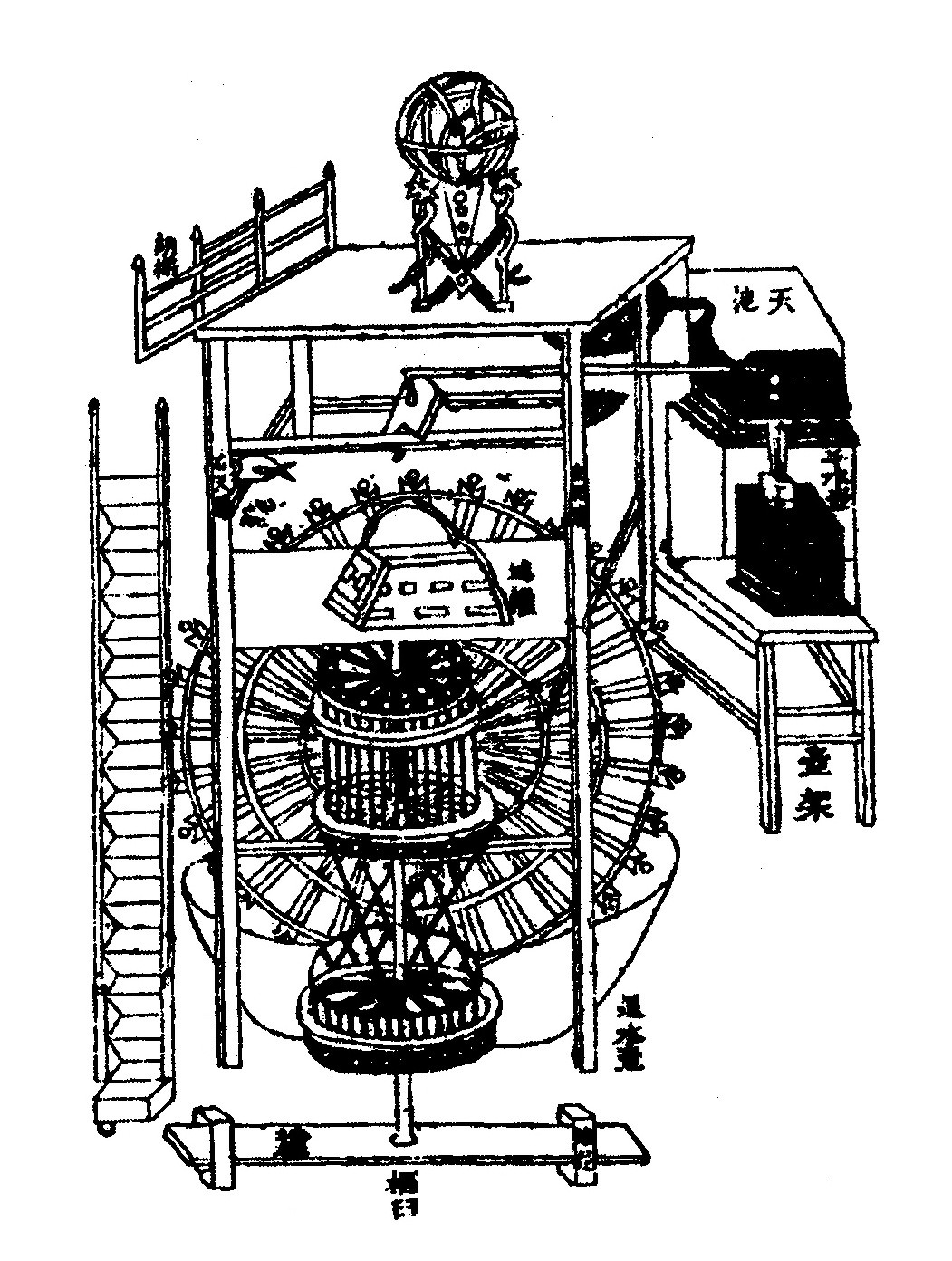 c. 200 BCE – 1900 CE
Chinese Imperial
Imperial China sustained the world’s longest-running state science: an astronomical bureau serving the Mandate of Heaven, a correlative medicine of qi and the five phases, and engineering on a continental scale.
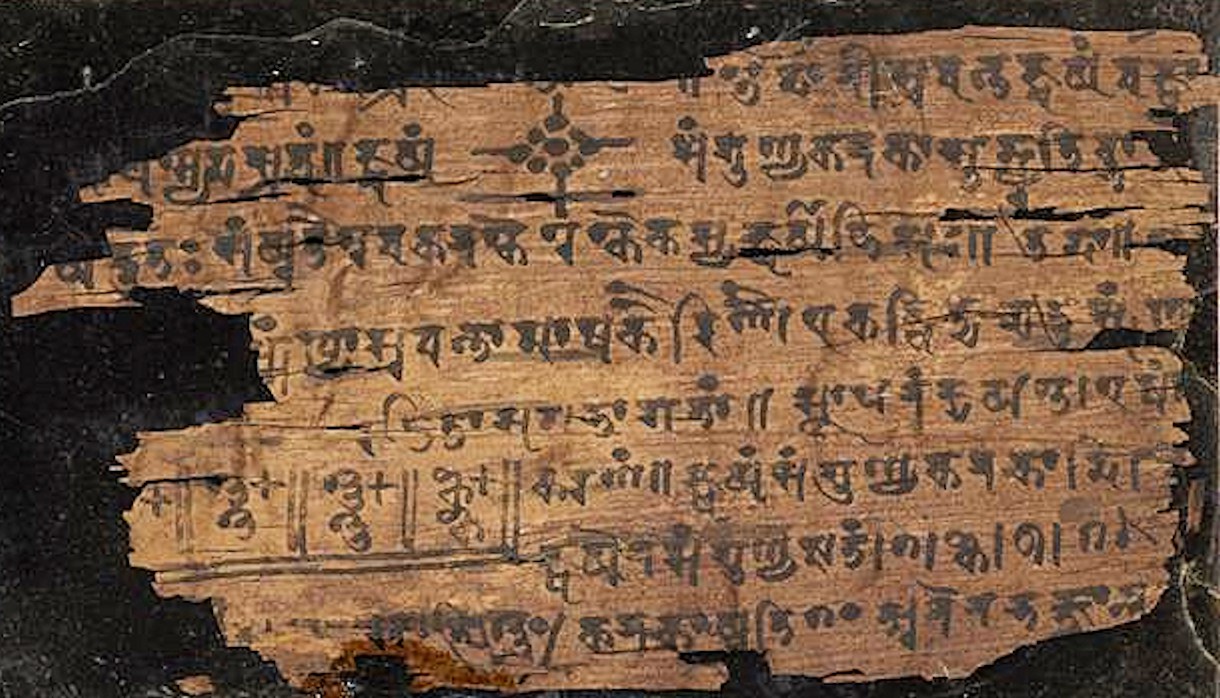 c. 500 BCE – 1600 CE
Indian Classical
In India, mathematics, astronomy, and medicine developed inside temple and court cultures: zero and the decimal system, Āryabhaṭa’s rotating earth, the Kerala school’s infinite series, and Āyurveda’s medicine of balance.
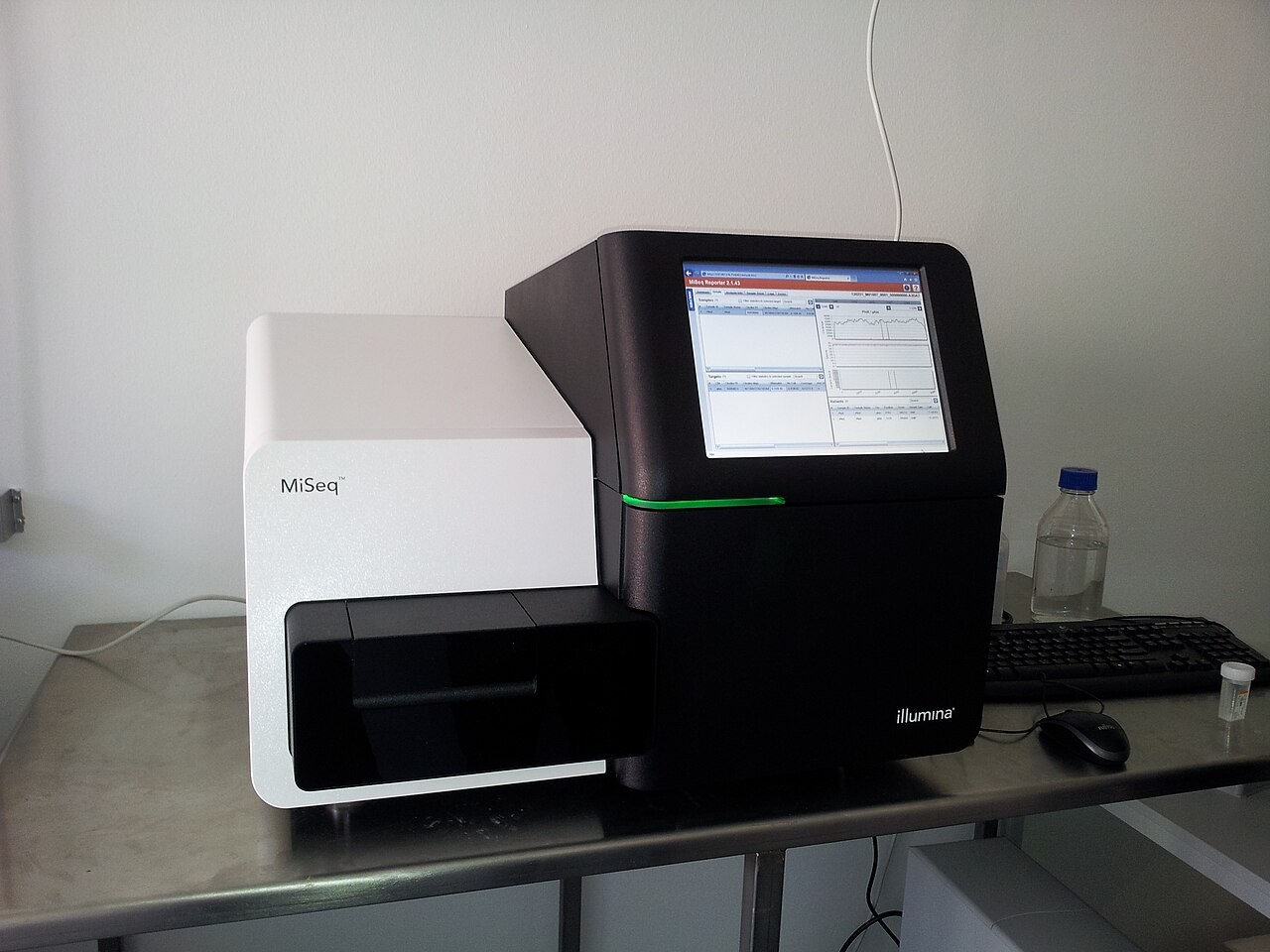 2000 – present
Contemporary
CRISPR, consumer genomics, machine intelligence, and a warming climate: the live questions now arrive as engineering deadlines, and the traditions answer them divided within themselves as much as between one another.
Flashpoints
The live questions, where the traditions' answers now carry engineering deadlines.
 Flashpoint
Artificial intelligence and human dignity
Learning systems that counsel, accompany, and target: the live question is not machine consciousness but what may never be delegated; and every tradition on this site answers that accountability stays with persons.
 Flashpoint
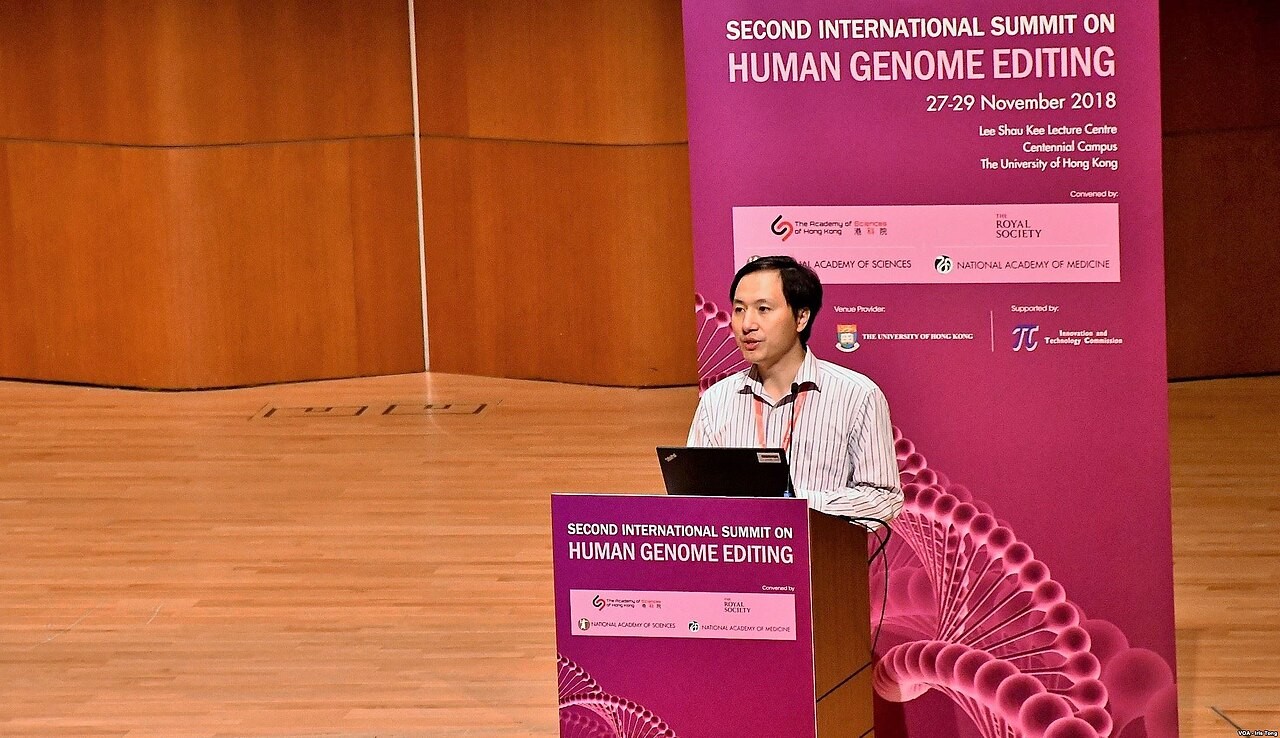
Gene editing and the germline
Easy technique, unconsenting subject, speculative benefit: the 2018 edited babies drew one condemnation in many vocabularies, and the line between somatic therapy and germline design is now the field’s governing border.
 Flashpoint
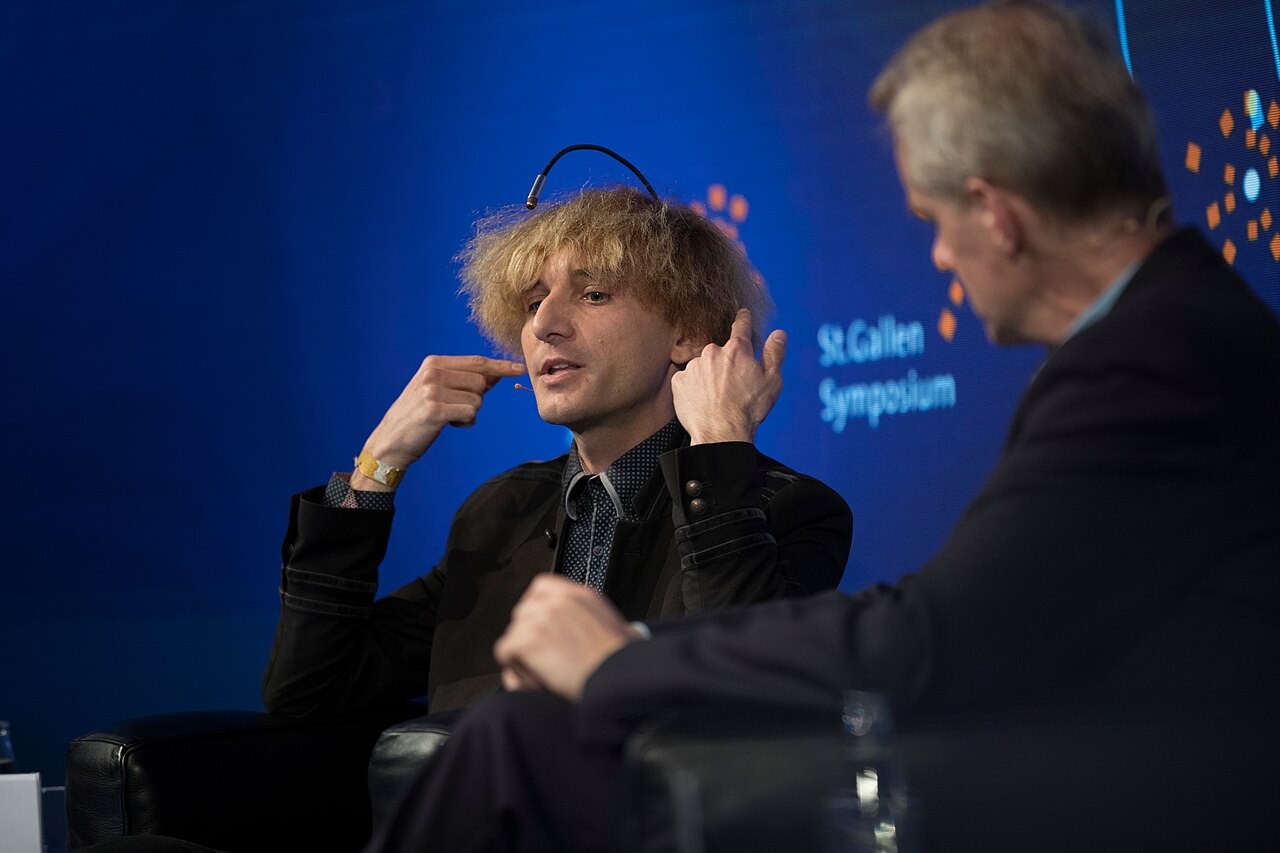
Transhumanism and the body
Mortality as an engineering backlog: lifespan, cognition, and the body as a draft to be revised; and the counter-question, asked in every dialect on this site, whether a self indefinitely revisable remains a self.
 Flashpoint
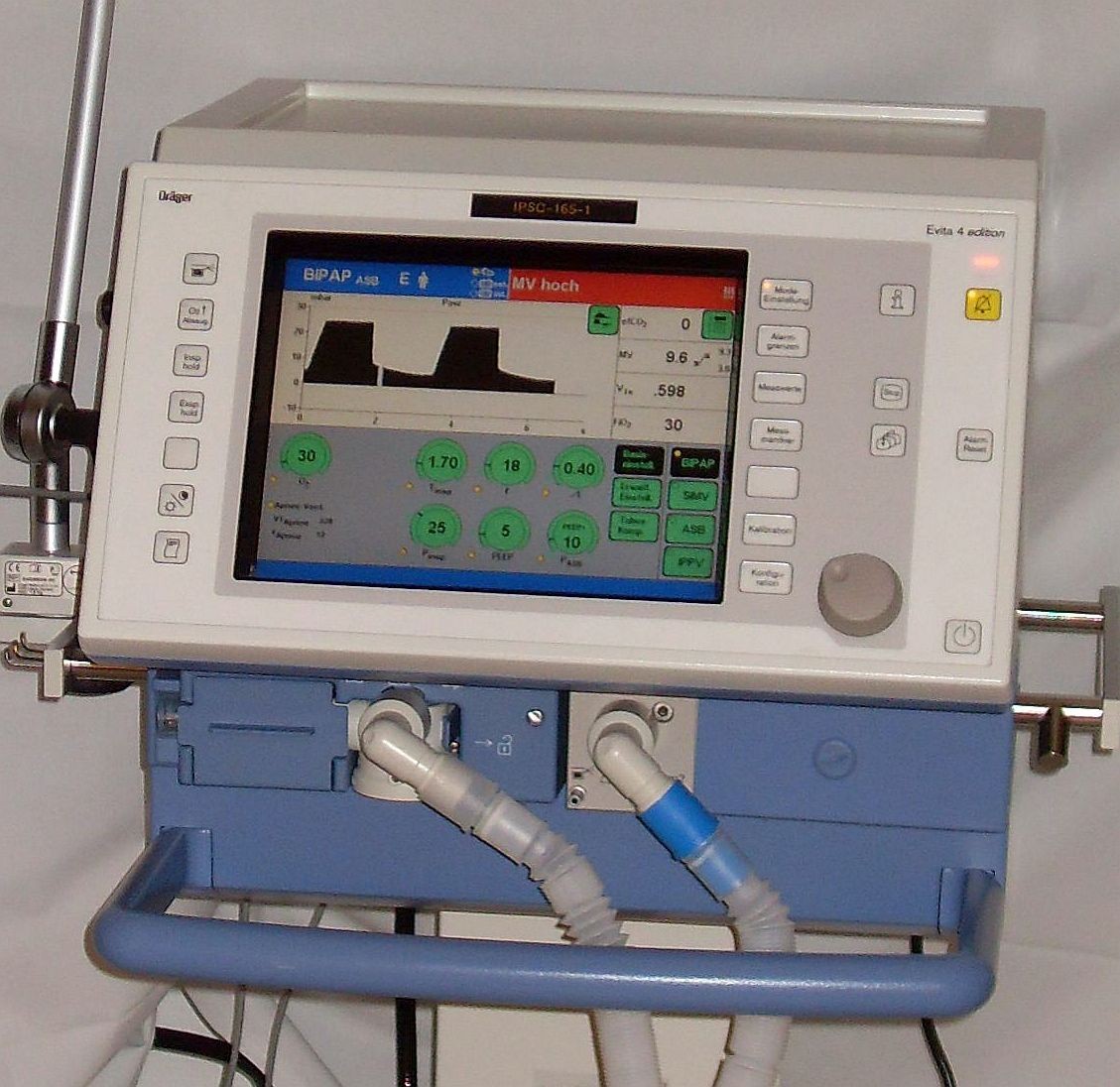
The limits of medicine
The ventilator meets the ars moriendi: a working consensus against vitalism, hospice as a shared institution with Christian roots, and the assisted-dying argument proceeding jurisdiction by jurisdiction through every tradition’s courts of conscience.
The Technology Register
5 technologies, each with the traditions' recorded stances and their reasons. Open the register · Compare traditions on one technology
Tradition Profiles
Relationship Models
How science and religion are said to relate; from Conflict to Techno-asceticism. Read the models. The baseline of this section is the Complexity model: no timeless essences, only cases.