

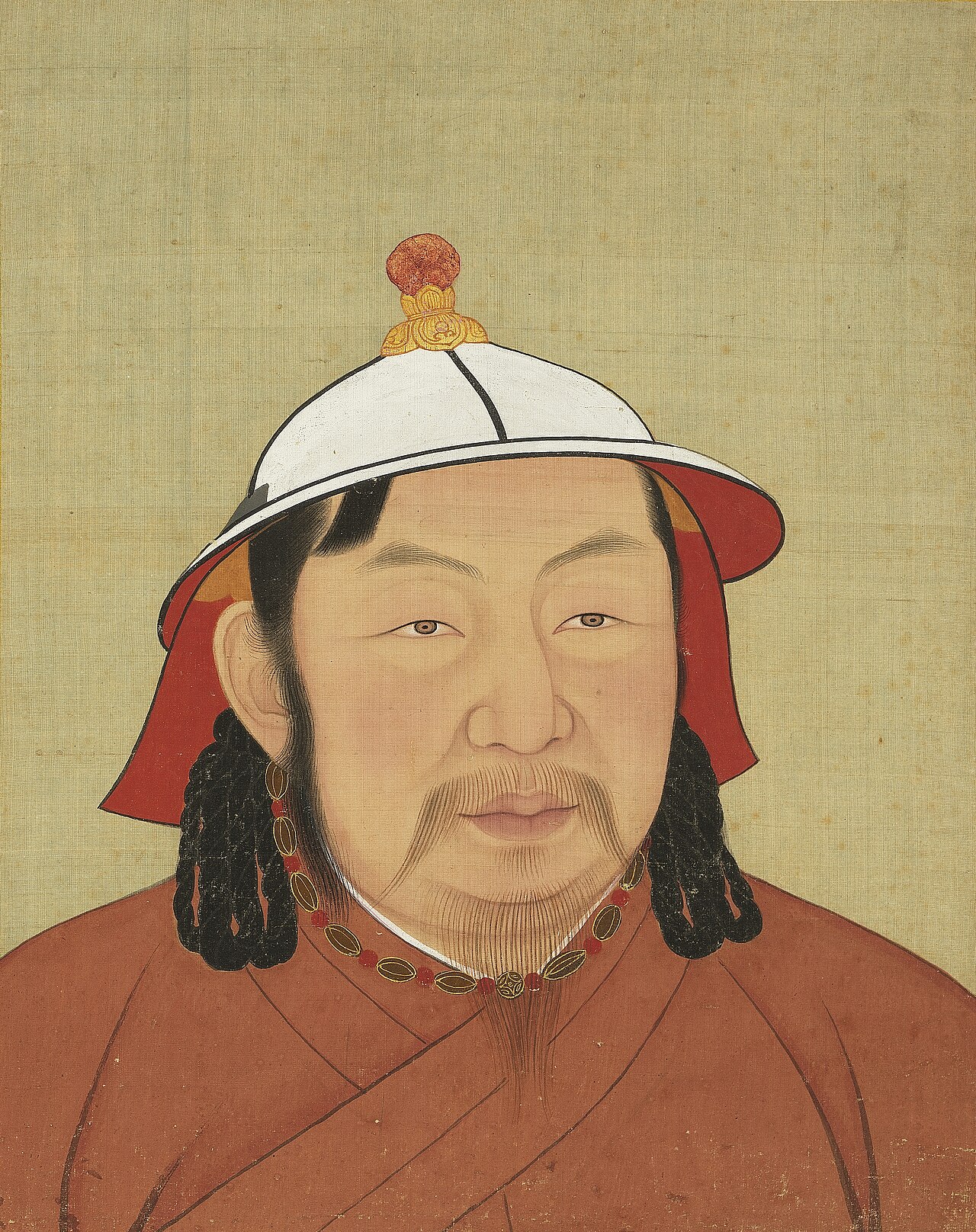
The Mongol Yuan dynasty, restoring the civil examinations in 1313, decreed that candidates be tested on the Four Books in Zhu Xi's commentaries. The decree fixed one man's reading of the classics as the empire's standard for the next six hundred years, and it made Neo-Confucian orthodoxy the official teaching of China through the Ming and Qing.
Tagged: Confucianism Imperial Confucianism Neo-Confucianism
The Event
- Date
- 1313 (exact)
- Era
- The Song-Ming Renewal; Standard periodization of Confucian history
- Location
- The Yuan capital, Khanbaliq; today Beijing, China
- Traditions
- Confucianism
- Streams
- Neo-Confucianism, Imperial Confucianism
- Key figures
- Emperor Renzong of Yuan
- Key texts
- Four Books
Connections
- Four Books canonized; follows_from
Primary Sources
- The History of Yuan (Yuanshi).
Secondary Sources
- Elman, Benjamin A. A Cultural History of Civil Examinations in Late Imperial China. University of California Press, 2000.
- Gardner, Daniel K. The Four Books: The Basic Teachings of the Later Confucian Tradition. Hackett, 2007.
Provenance: HIST-0710; confidence 0.95; accessed 2026-10-27.
Related on This Site
- Dong Zhongshu History Event
- Four Books canonized History Event
- Han imperial academy established History Event
- Imperial examinations abolished History Event
- Ming dynasty History Event
- Qing dynasty History Event
- Song dynasty History Event
- Zhu Xi History Event