

Religious Art & Worldviews · Artists
Anonymous Tamil caster lineages whose lost-wax bronzes — above all the dancing Shiva — are the summit of Indian sculpture.
Tagged: Sculpture Medieval Liturgical Iconic Lost-Wax Casting Hindu Shaivism
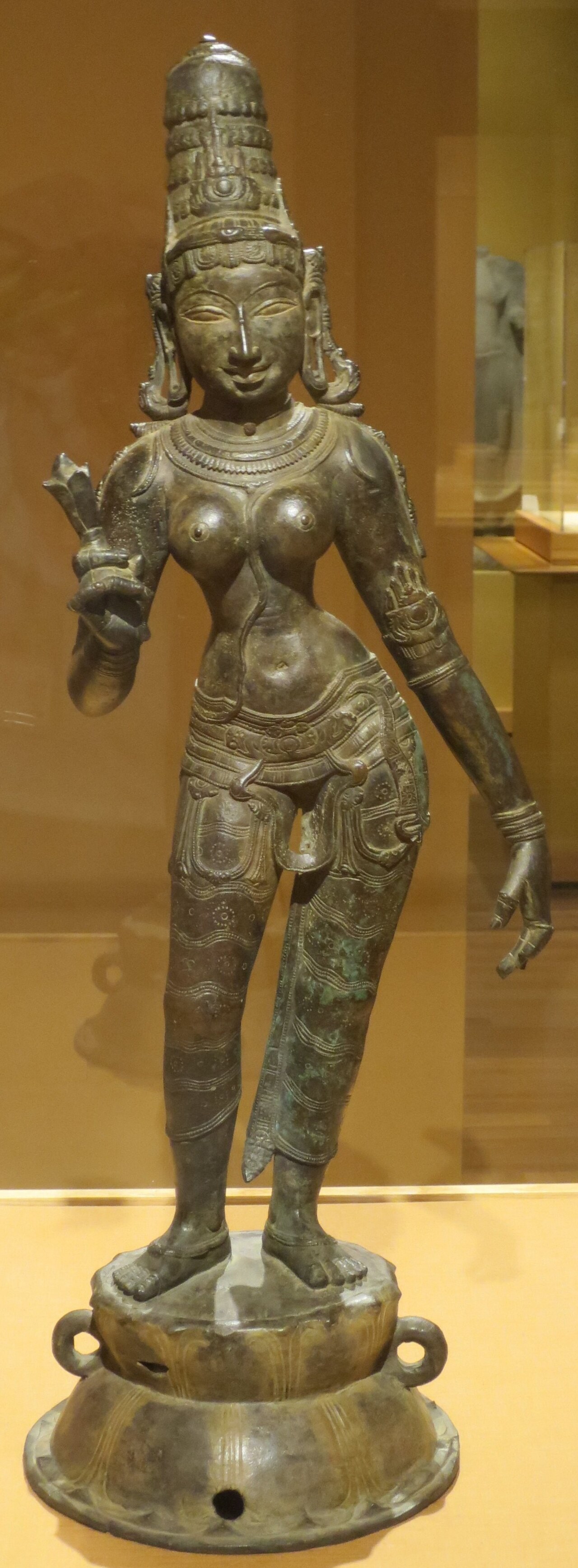
No Chola master's name survives; the workshops were hereditary, court- and temple-funded, and bound to iconometric manuals that fixed each deity's proportions. Their cire perdue casting produced portable processional images of a fineness Europe would not match for centuries.
The pictured Parvati stands for their output: a goddess made to be carried, bathed, dressed, and danced through festival streets, as her bronze sisters still are in Tamil temples.
Works in This Section
References
Related Across the Site
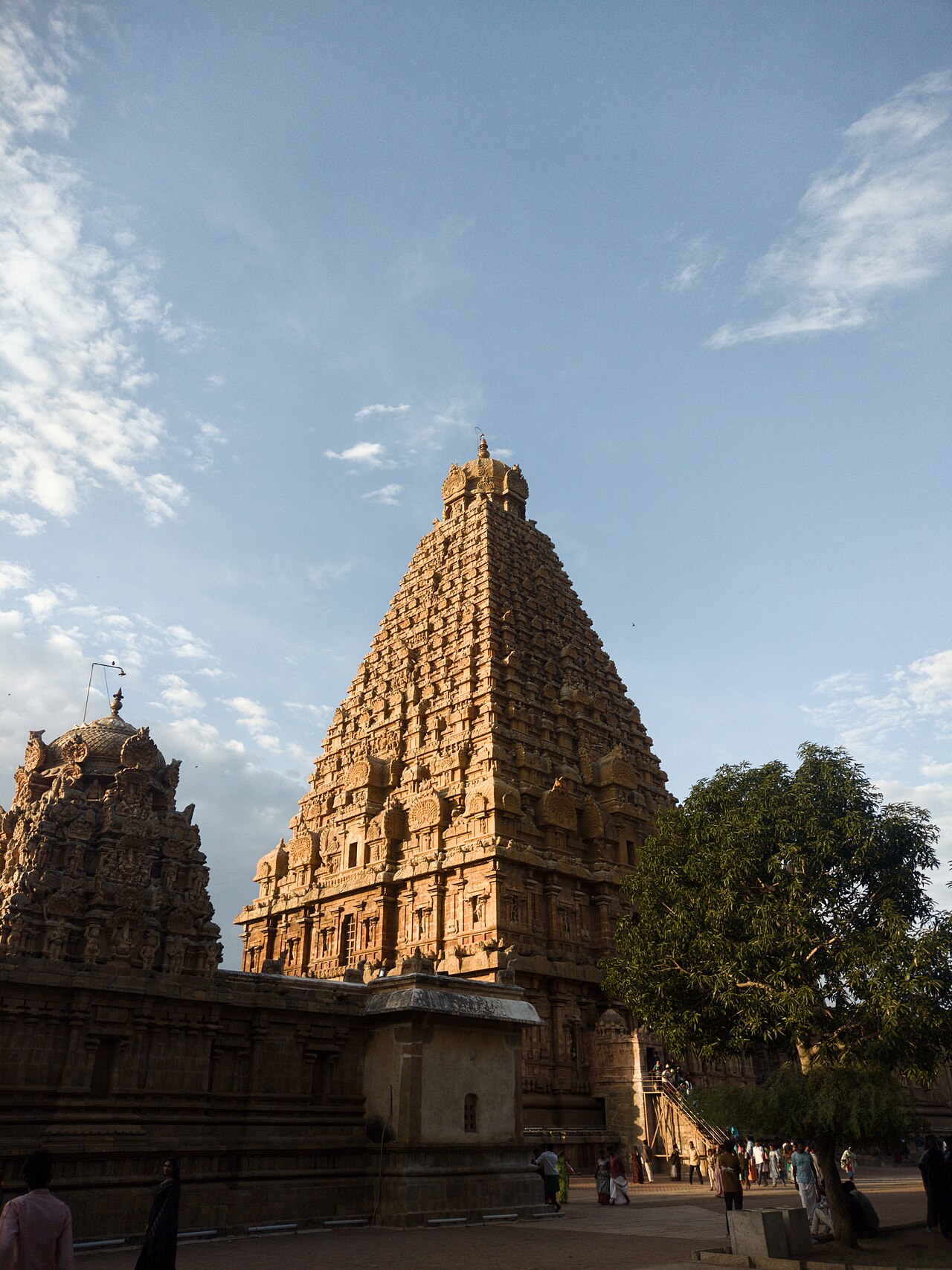
- Brihadeeswara Temple Art Entry — Rajaraja Chola's temple at Thanjavur (completed 1010): a granite mountain of sculpture raised over one of India's great lingas, and the Chola bronze tradition's home ground.
- Hagia Sophia Art Entry — Justinian's great church in Constantinople (532–537), whose dome seemed to contemporaries to hang from heaven — and whose mosaics record, in one building, icon, iconoclasm, conquest, museum, and mosque.
- Rublev's Trinity Art Entry — Andrei Rublev's icon of the three angels at Abraham's table (c. 1411), painted for the Trinity Lavra of St. Sergius — the supreme achievement of Orthodox icon painting and its theology made visible.
- The Ganesh Chaturthi Murti Art Entry — A clay Ganesh, modeled and painted by neighborhood artisans, worshipped in streets and homes for up to eleven days, then carried in procession and immersed: the murti as a guest who is honored and bid farewell.
- The Sarajevo Haggadah Art Entry — A Passover Haggadah illuminated in Barcelona around 1350 — thirty-four miniatures of the biblical story in a Jewish book — treasured, hidden from Nazis and from war, and kept in Sarajevo as the city's emblem of itself.
- The Shiva Linga Art Entry — A polished stone shaft rising from its base, bathed daily in water, milk, and flowers: the aniconic murti of Shiva, worshipped not as a symbol of an absent god but as the god's own form.
- The Torah Ark and Its Ornaments Art Entry — The ark that houses the scroll, and the silver that dresses it — crown, shield, pointer, and finials: ceremonial art at the center of synagogue worship, governed by the principle of beautifying the commandment.
- Wu Daozi Artist — The Tang muralist whose temple walls made crowds gasp — the sage of painting in Chinese tradition, whose work survives in copies and in legend.