

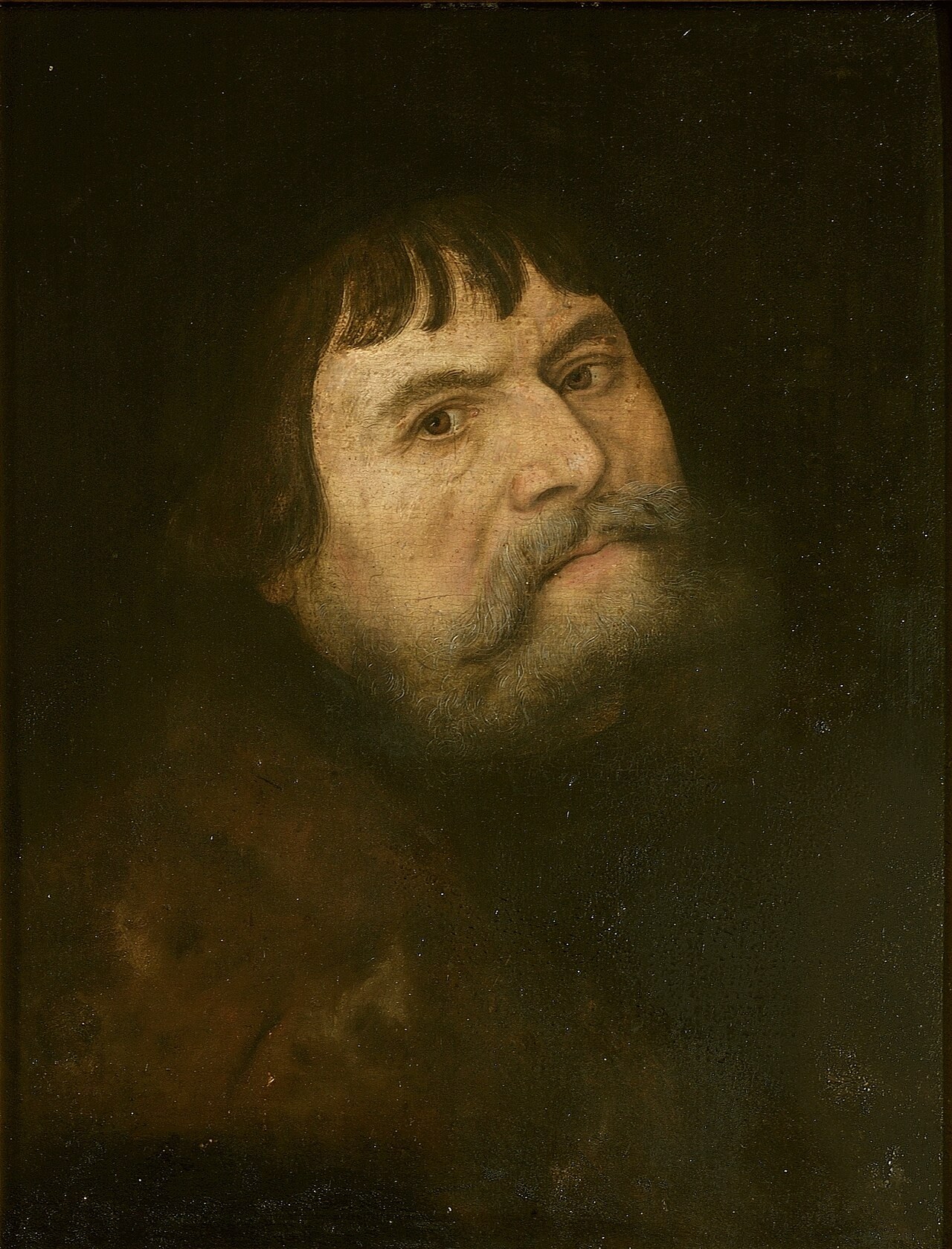
Religious Art & Worldviews · Artists
Luther's friend and the Reformation's image-maker, whose workshop put the evangelical message into altarpieces, portraits, and prints.
Tagged: Painting Pedagogical Iconic Reformation Reformation Art Lutheran
Cranach ran the most productive workshop in Saxony from Wittenberg, painted Luther and the reformers until their faces were famous, and designed the woodcuts that carried the Reformation into print.
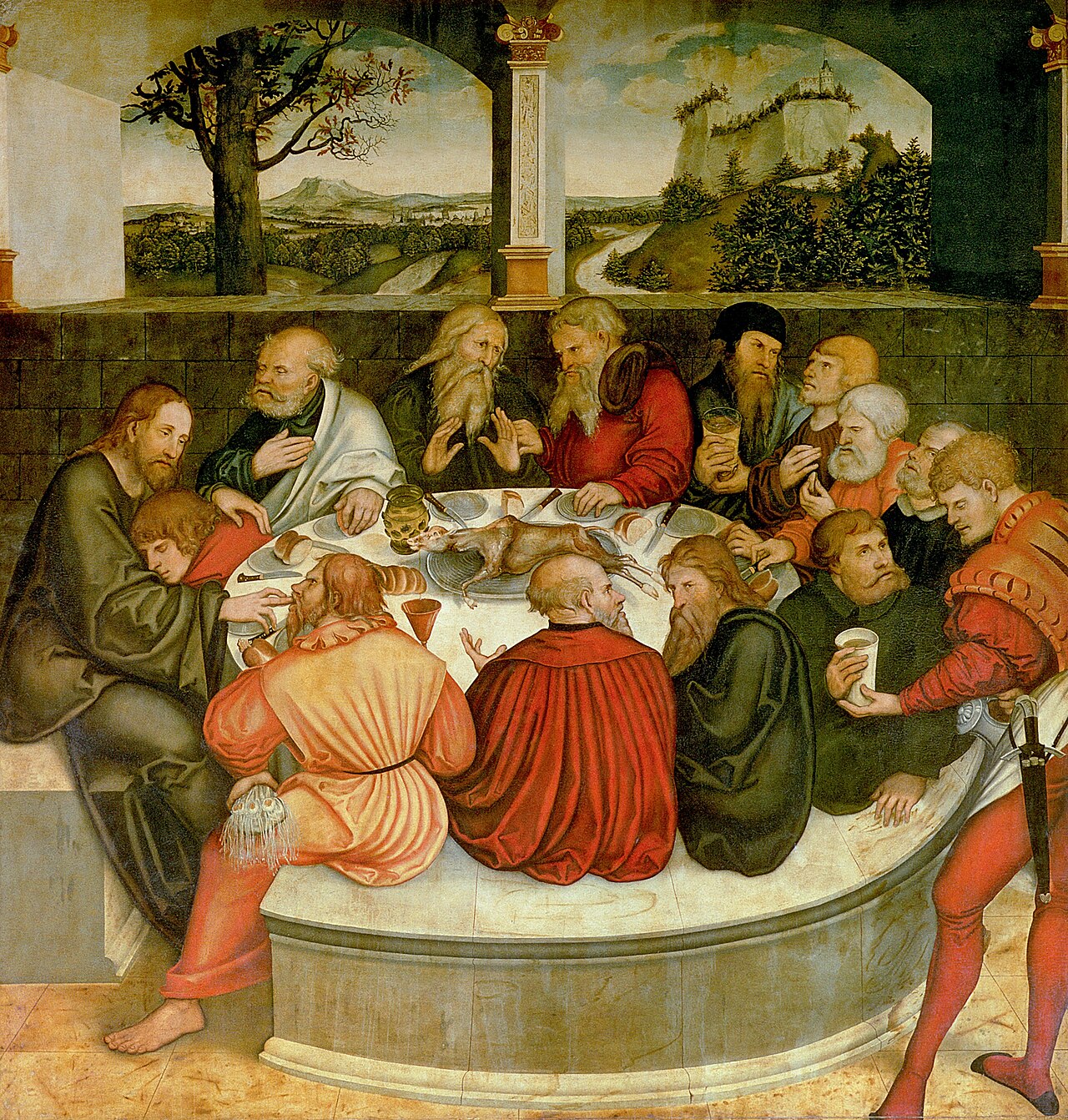
His Wittenberg Altarpiece, an entry in this section, preaches in panels: Baptism, the Supper, Confession, and the sermon, each staged with the reformers themselves in the scene.
Works in This Section
References
Related Across the Site
- Rublev's Trinity Art Entry — Andrei Rublev's icon of the three angels at Abraham's table (c. 1411), painted for the Trinity Lavra of St. Sergius — the supreme achievement of Orthodox icon painting and its theology made visible.
- The Beeldenstorm and Reformed Iconoclasm Art Entry — In the summer of 1566 a wave of image-breaking swept the churches of the Low Countries, and the Reformed territories of Europe methodically emptied their churches: the most sustained Christian iconoclasm since Byzantium.
- The Dura-Europos Synagogue Frescoes Art Entry — The walls of a synagogue on Rome's Euphrates frontier, painted around 244 CE with the whole biblical story in human figures — the standing disproof that ancient Judaism made no religious pictures.
- The Good Shepherd of the Catacombs Art Entry — A young shepherd carrying a lamb across his shoulders, painted and carved across the Roman catacombs: the earliest Christian image of Christ, chosen as a symbol before it was a portrait.
- The Mughal Court Miniature Art Entry — The figural painting of the Mughal emperors' atelier — hunts, audiences, lovers, and saints in jewel-like detail — standing as the descriptive practice beside Islam's normative aniconism.
- The Wittenberg Altarpiece Art Entry — Lucas Cranach the Elder's altarpiece for Wittenberg's town church (1547): the Last Supper with Luther among the apostles — proof that the Reformation's quarrel with images was a family quarrel, not a unanimous verdict.
- Hakuin Ekaku Artist — The Rinzai Zen reviver who painted Daruma with a sumo wrestler's glare and wrote the koan of the sound of one hand.
- Augsburg Confession Prayer or Creed — The primary Lutheran confession of faith, presented to Emperor Charles V at Augsburg in 1530.