

Church Directory · Non-Christian
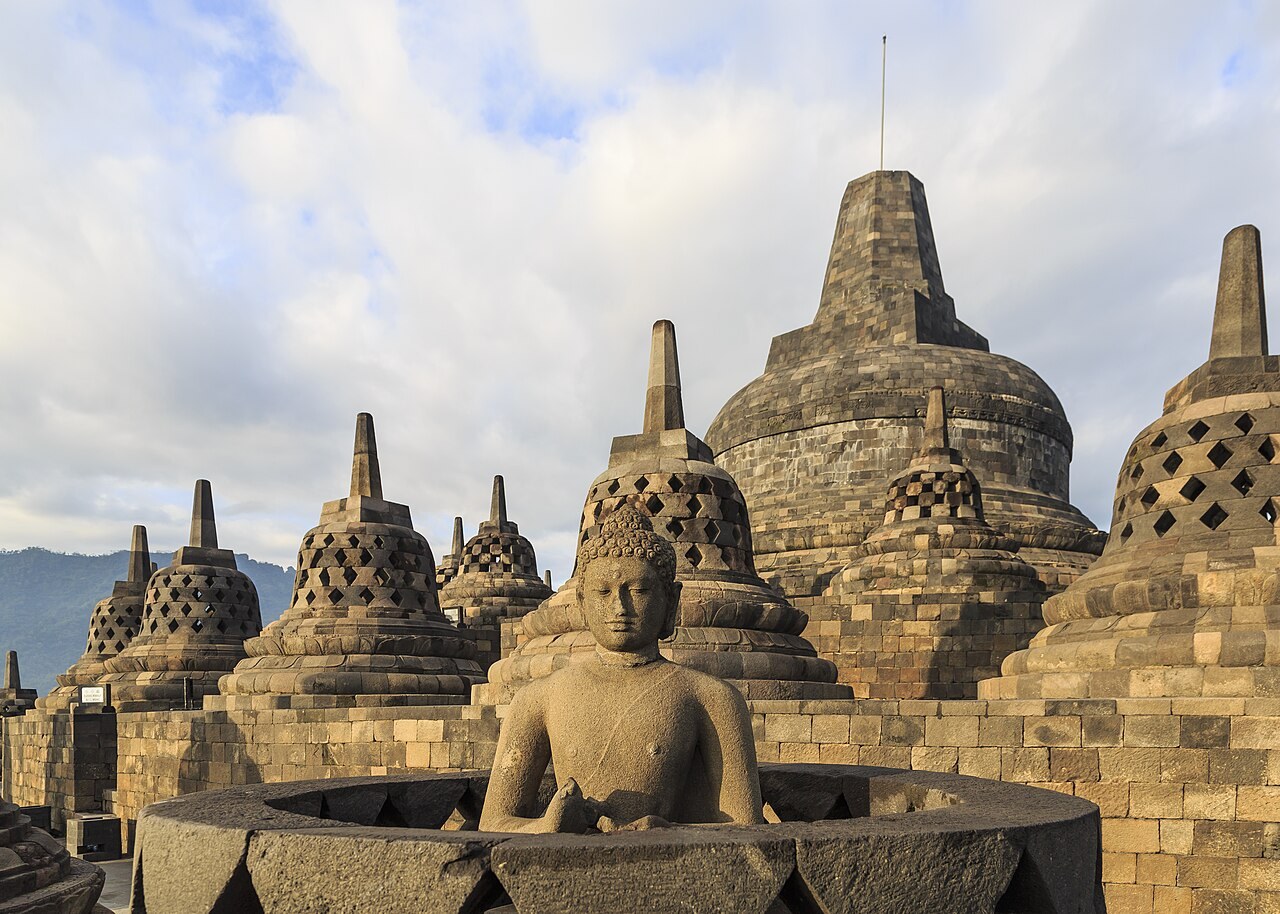
Buddhism follows the awakening of Siddhartha Gautama, the Buddha, and is lived in monasteries, temples, and lay practice across Asia and the world.
Organizations in This Tradition
 Organization
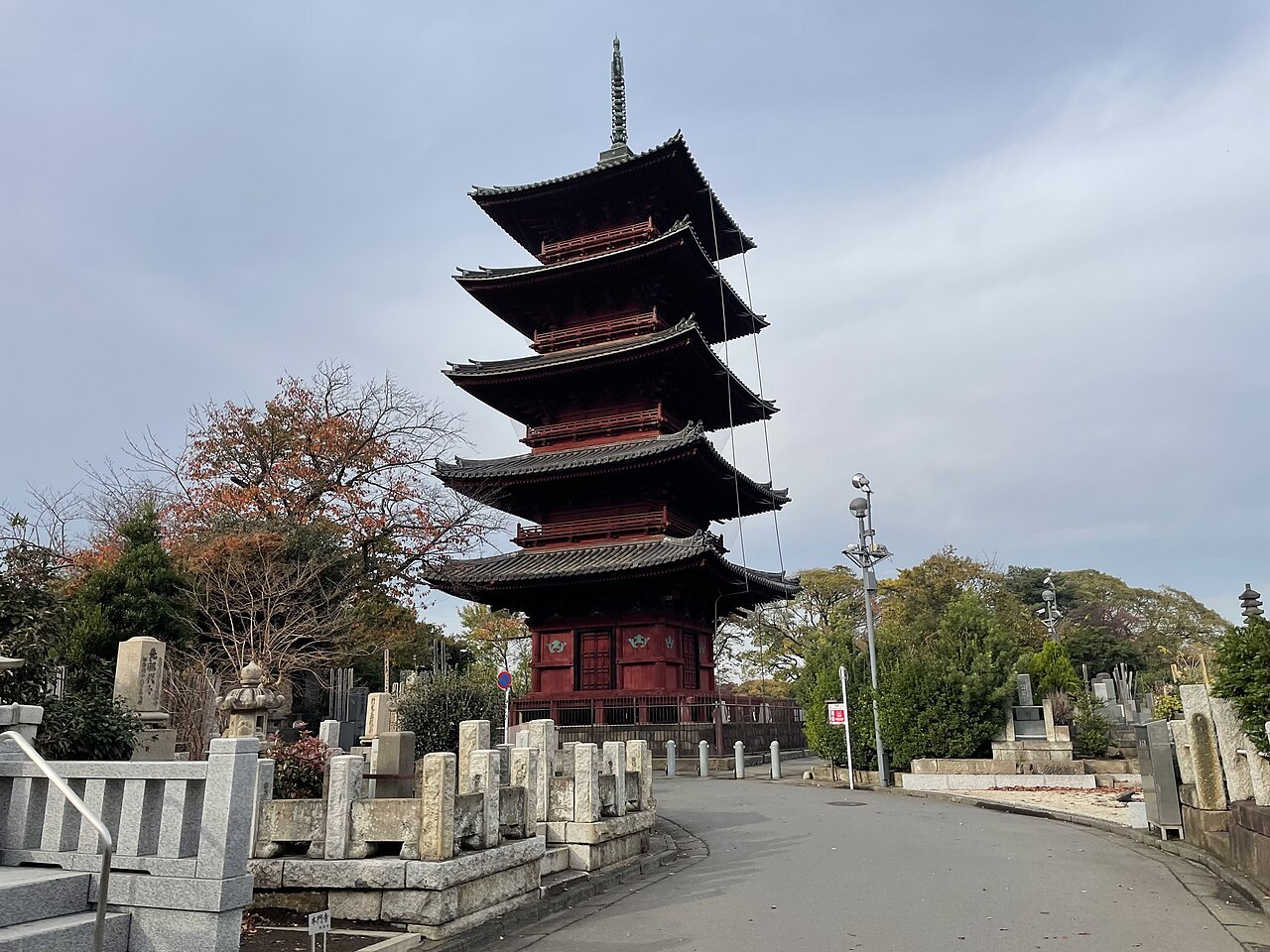
Nichiren Buddhism
the Japanese school devoted to the Lotus Sutra and the chanting of its title.
 Organization
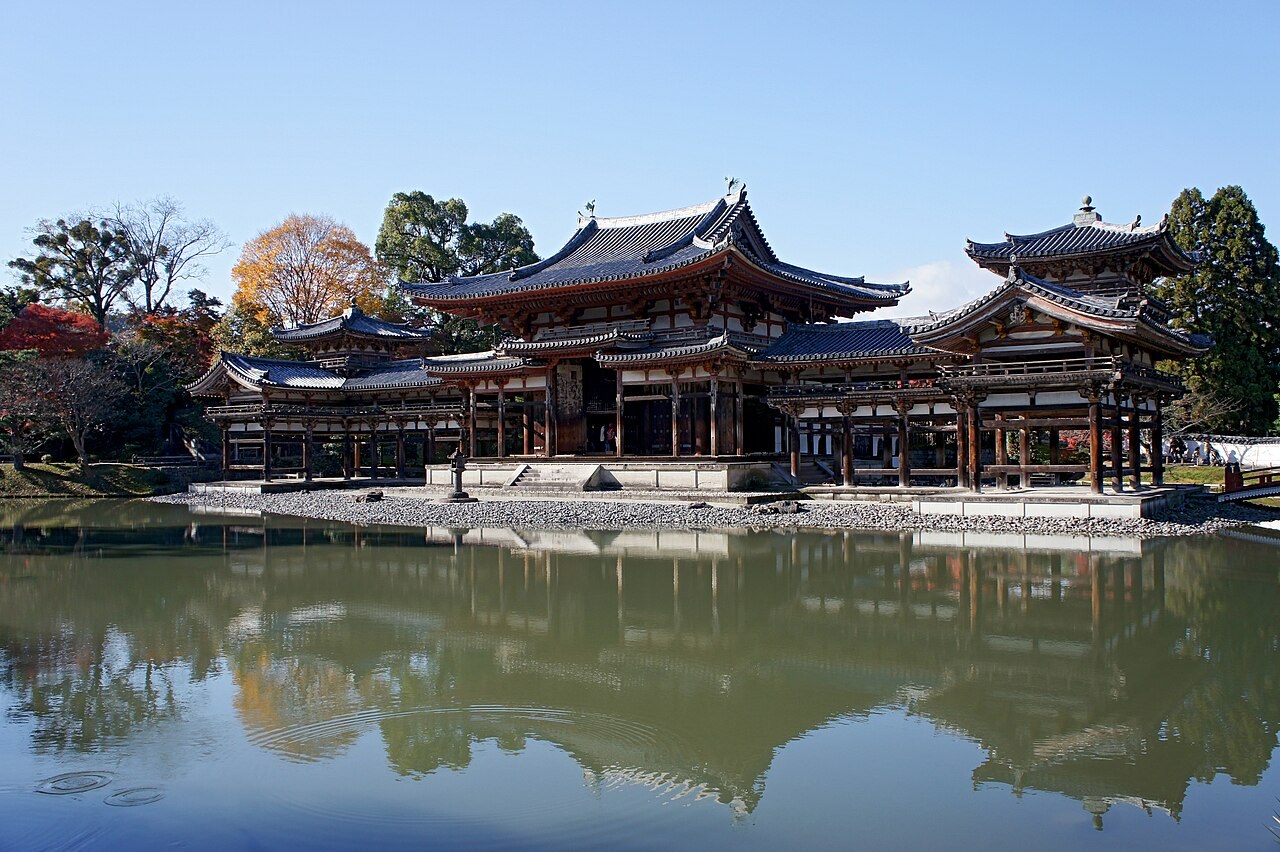
Pure Land
the Mahayana school of devotion to Amitabha Buddha, the largest form of Buddhism in East Asia.
 Organization
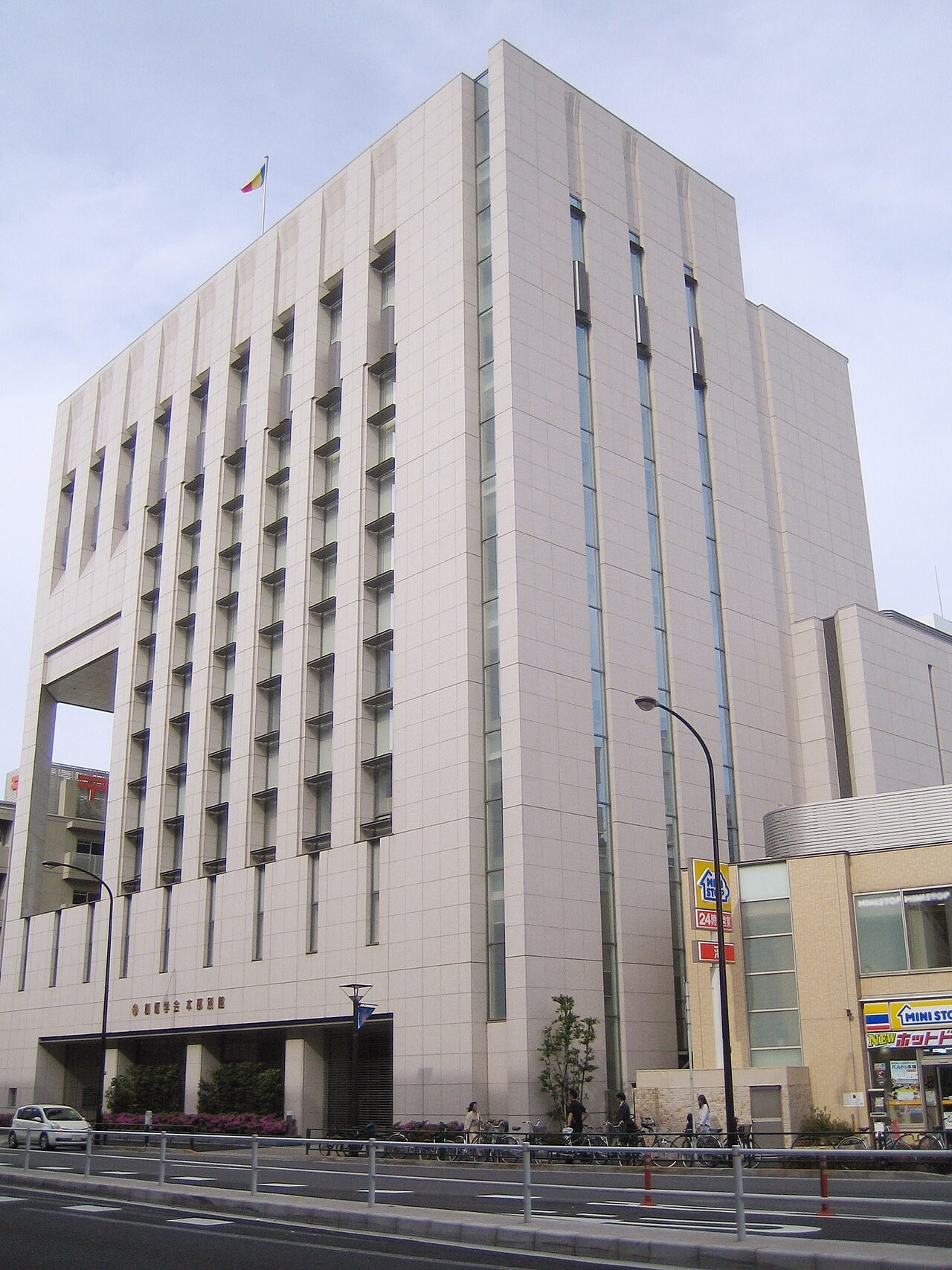
Soka Gakkai
a lay Buddhist movement of the Nichiren tradition, based in Japan with members worldwide.
 Organization
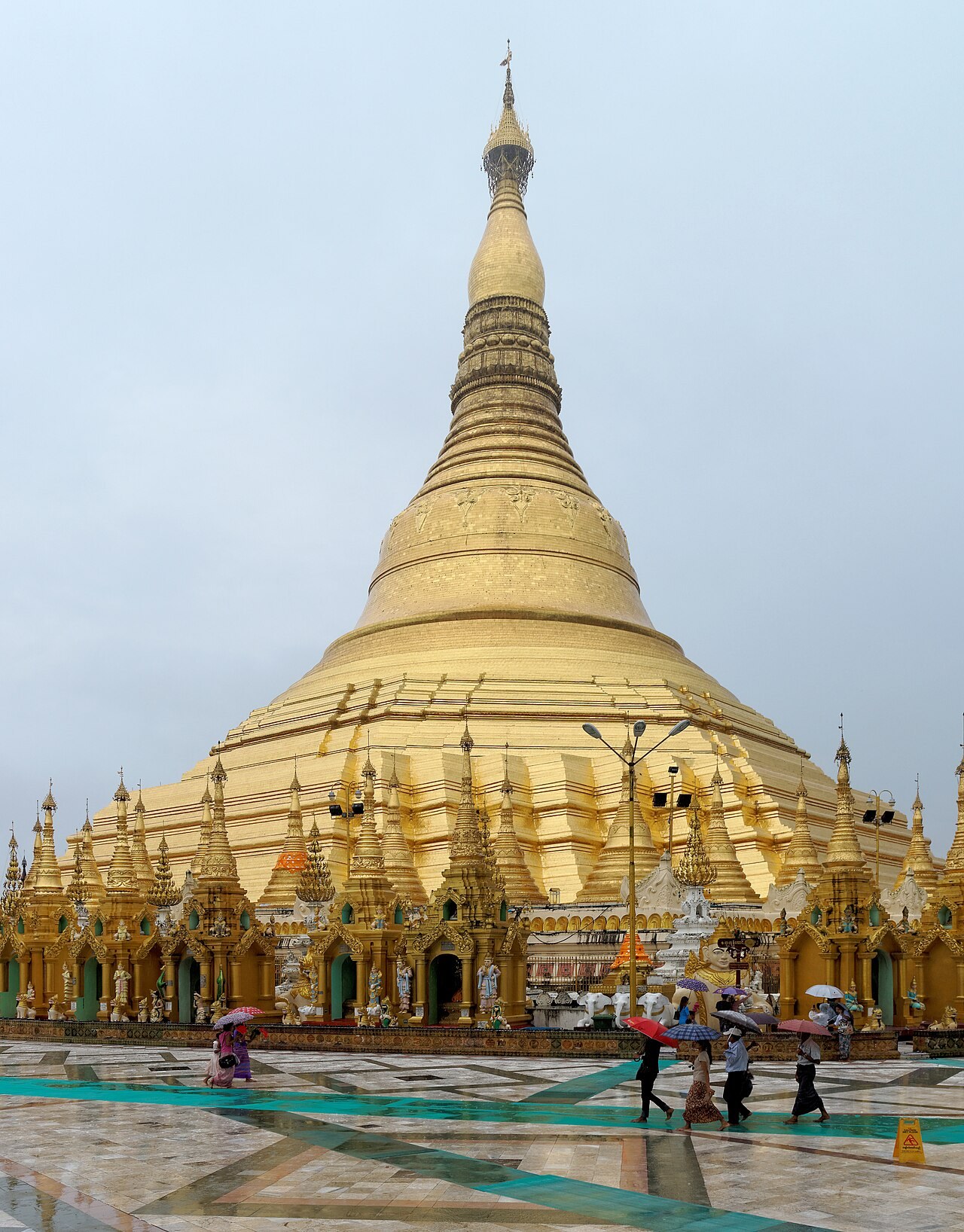
Theravada
the oldest surviving school, dominant in Sri Lanka and Southeast Asia, keeping the Pali Canon.
 Organization
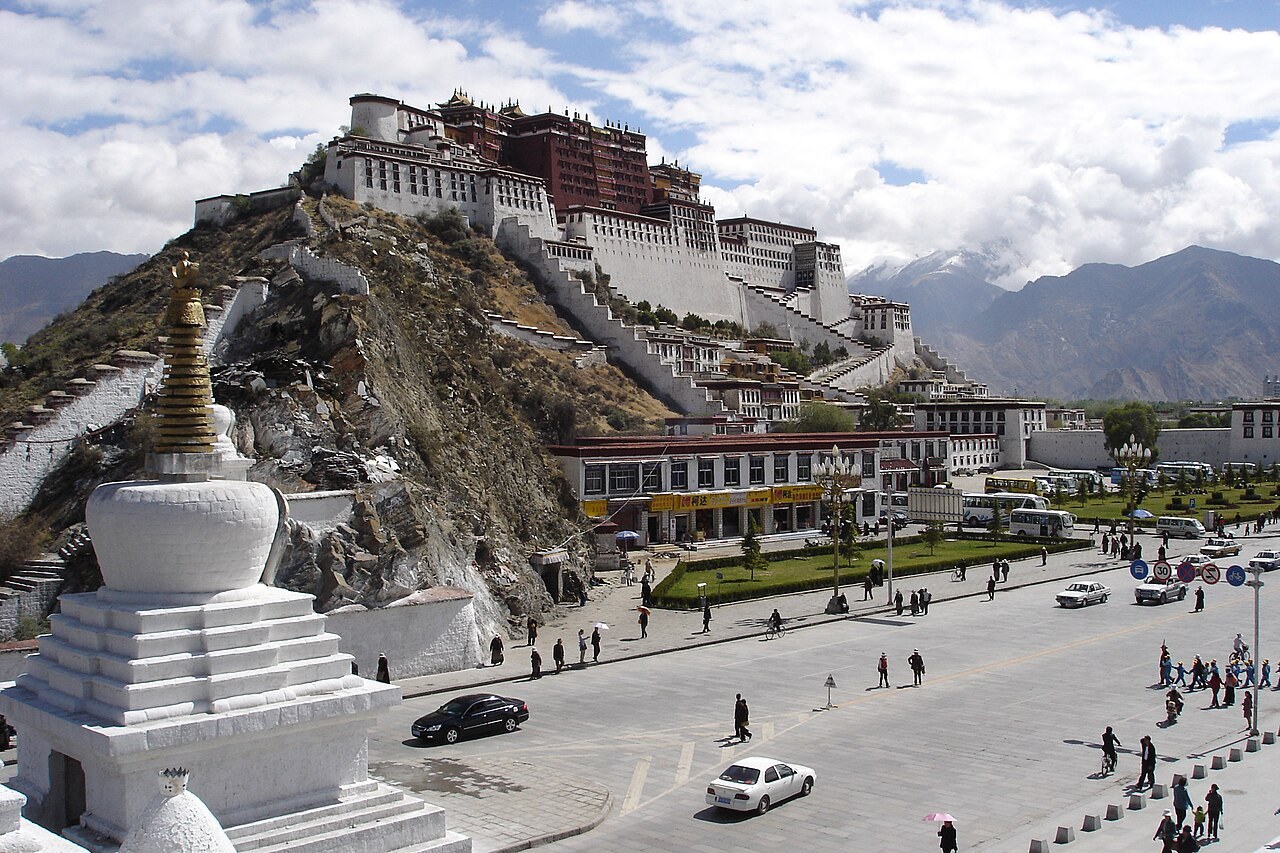
Tibetan Buddhism
the Vajrayana Buddhism of Tibet and the Himalayas, in its Gelug, Kagyu, Nyingma, and Sakya schools.
 Organization
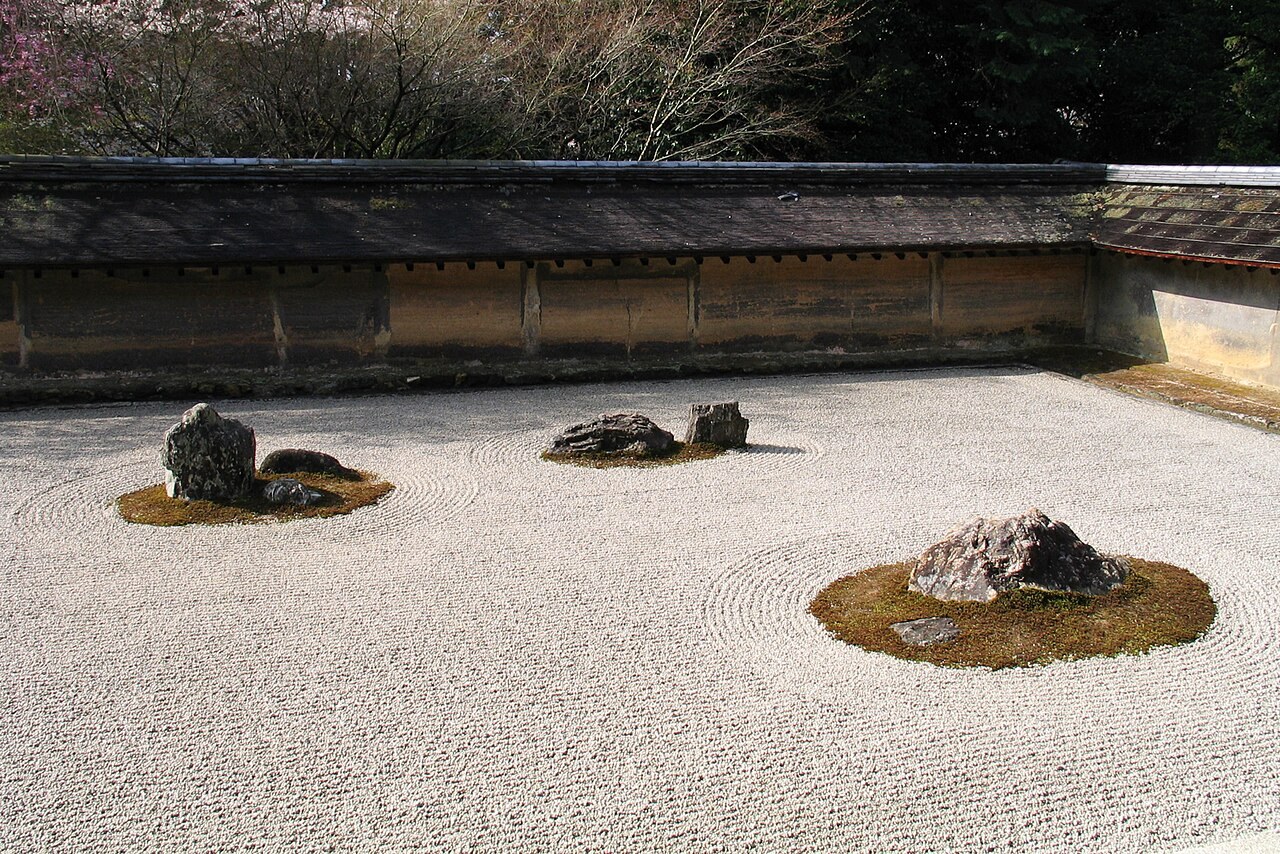
Zen
the Mahayana school of meditation seated in China, Japan, Korea, and Vietnam.
Religious Art & Images
 Art Entry
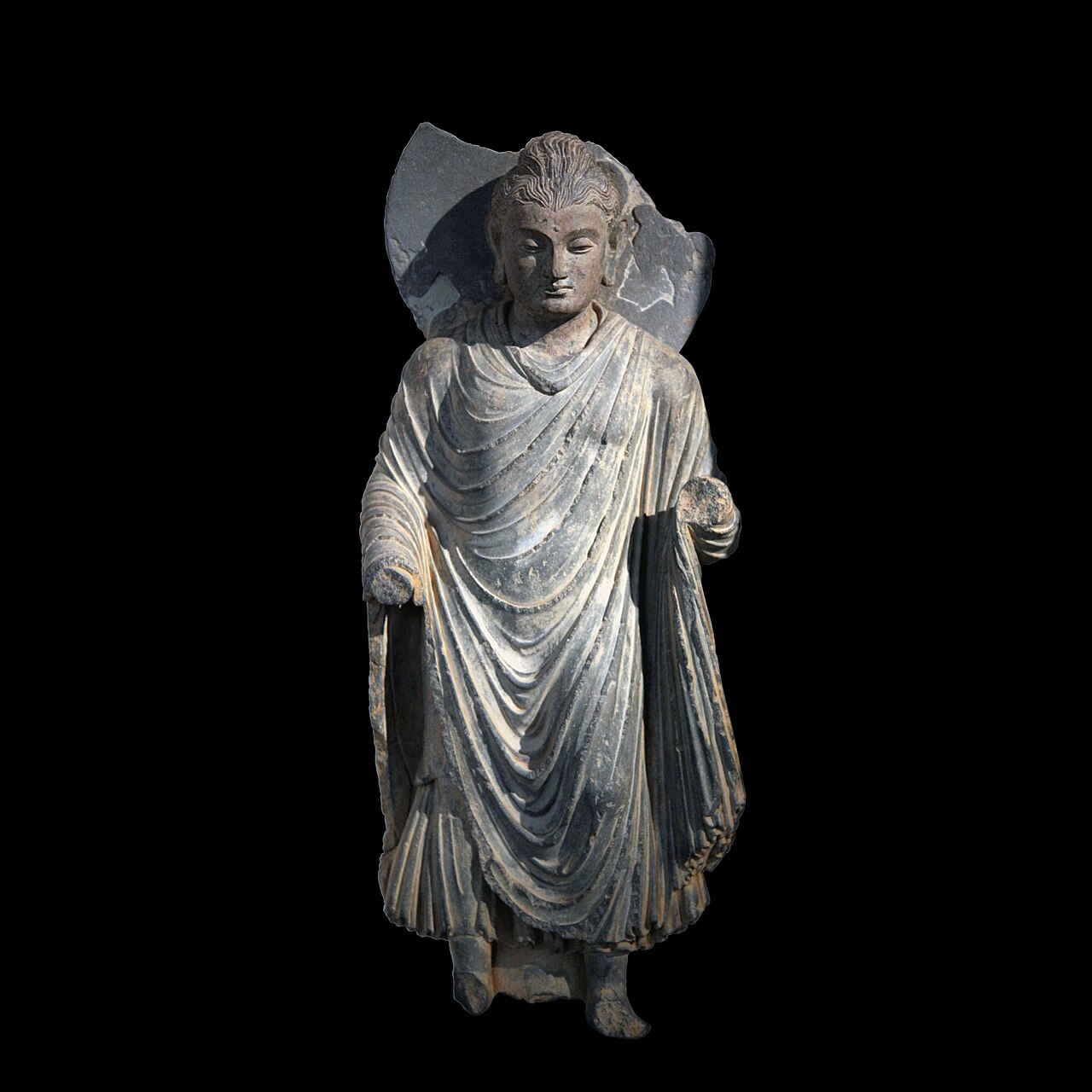
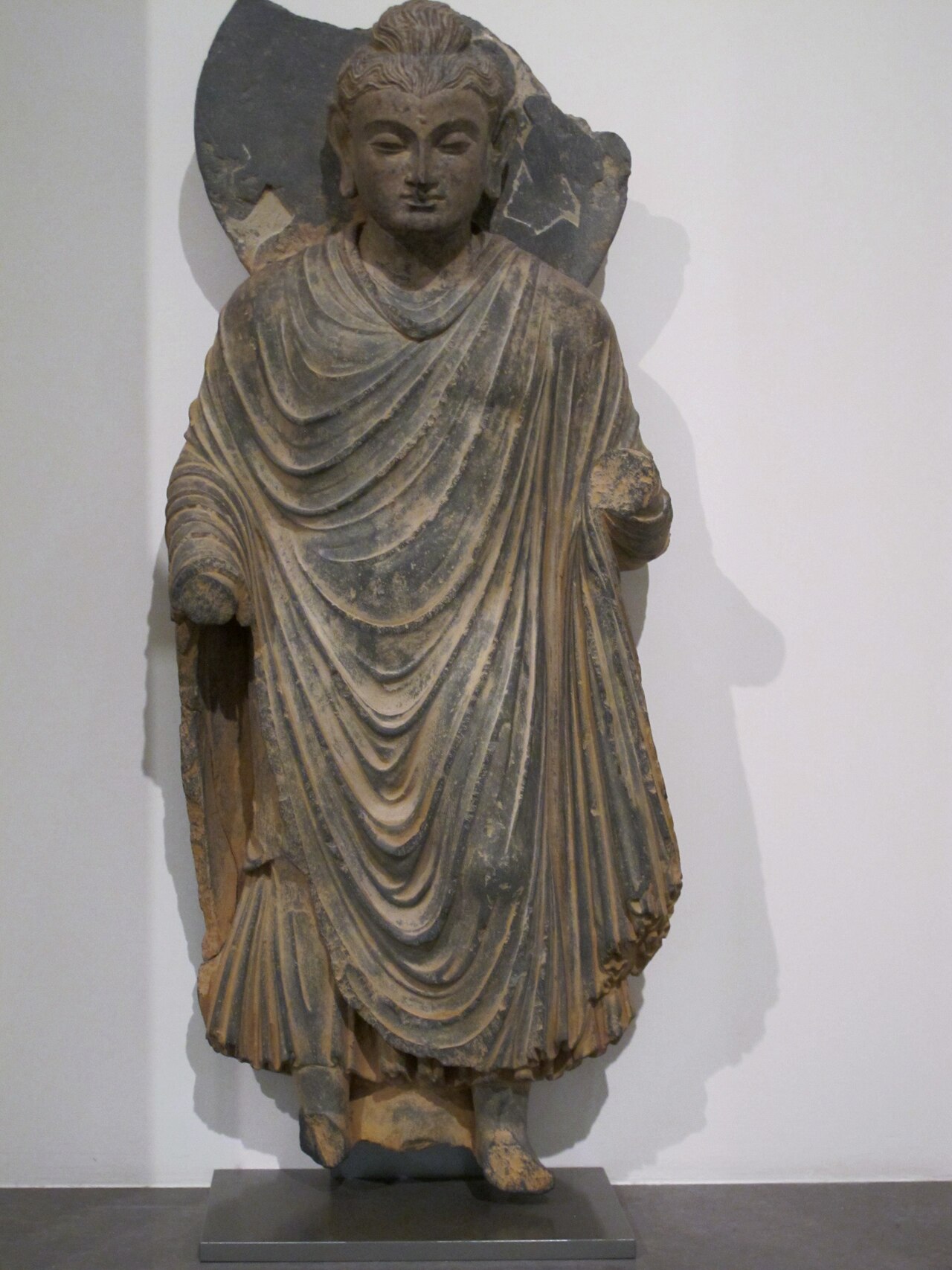
A Gandhara Buddha
The Buddha in human form from the workshops of Gandhara (1st–3rd century CE): Apollo's face, a Roman toga's folds, and the lakshanas of the Buddha — the image that changed Buddhist art forever.
 Art Tradition
Buddhism
Symbols before images, the Buddha image after Gandhara and Mathura, and a scholarly debate that is not settled.
 Art Entry
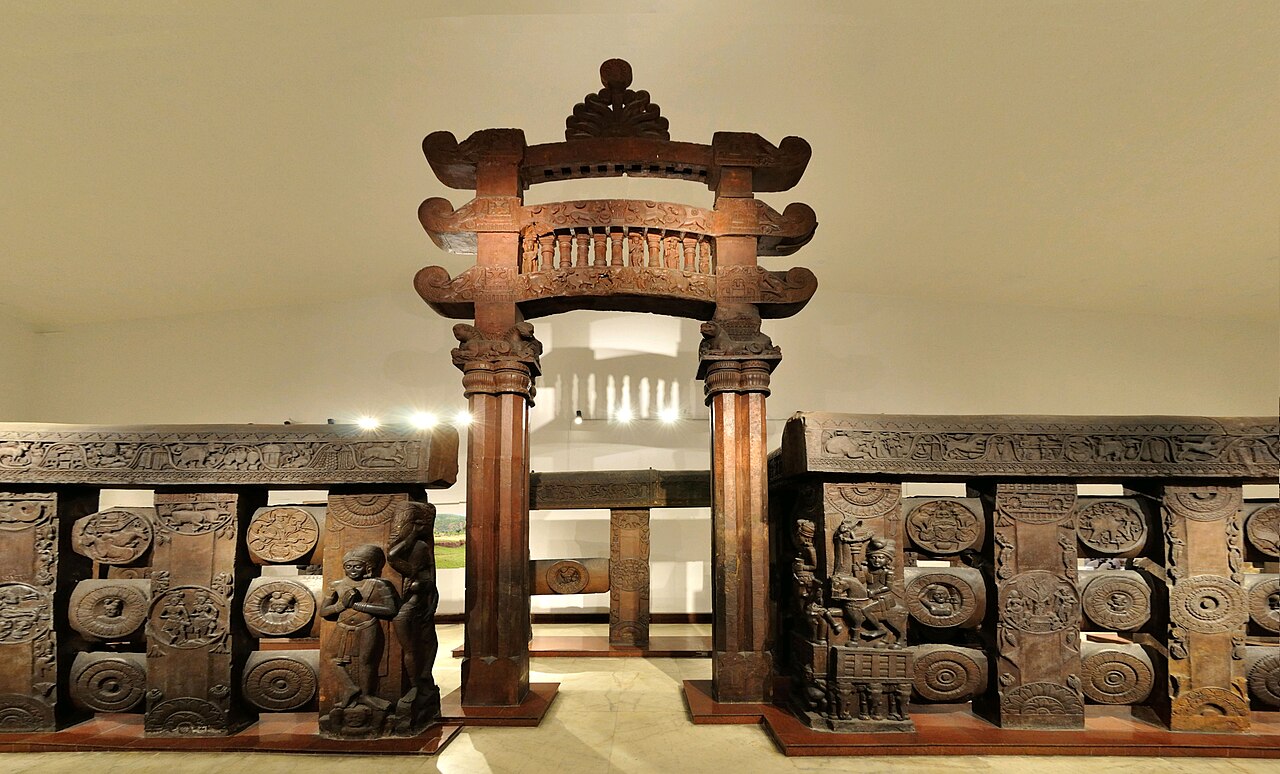
The Bharhut Railing
The carved sandstone railing of the Bharhut stupa (c. 150–100 BCE), its medallions crowded with jataka tales and labeled in Brahmi — and the Buddha, in scene after scene, present only by symbol.
 Art Entry
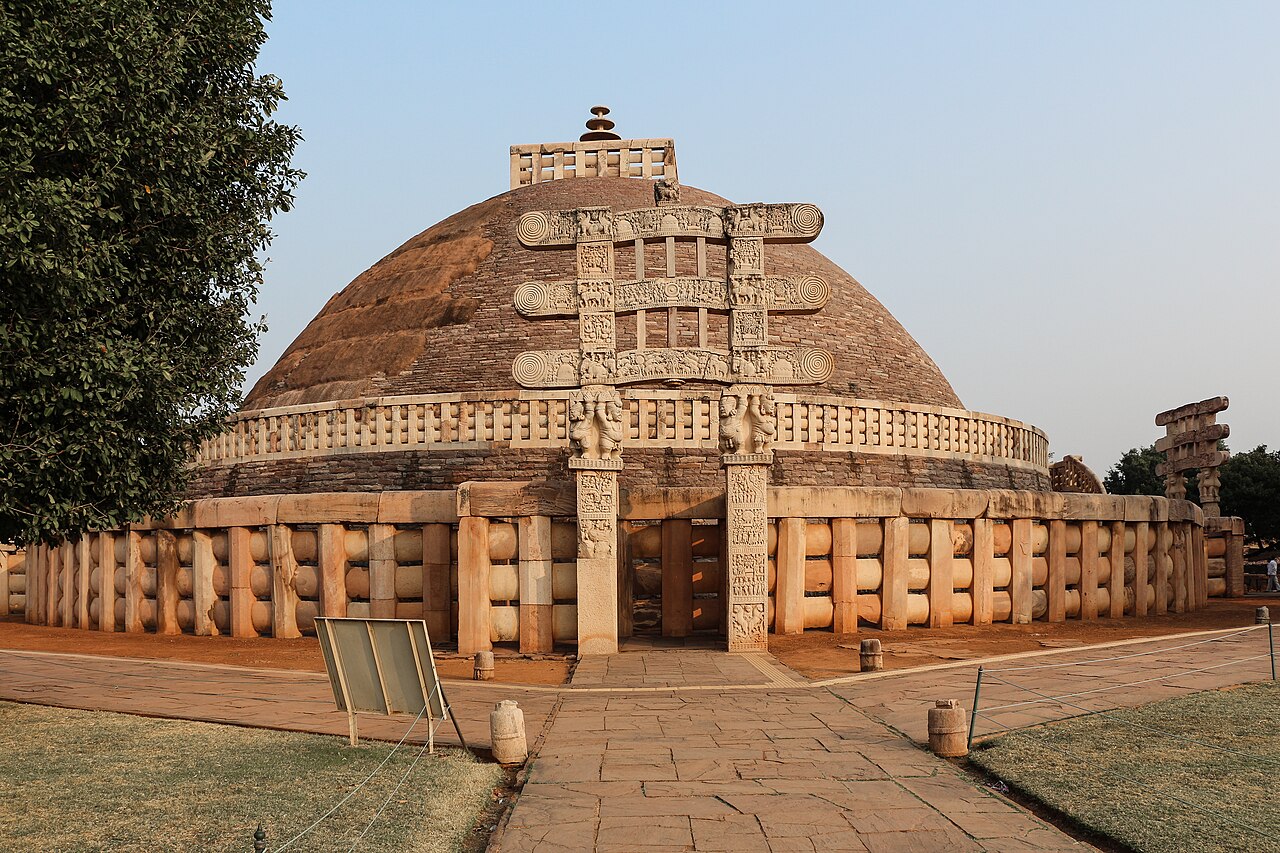
The Great Stupa at Sanchi
The oldest stone stupa in India, begun under Ashoka and crowned with four carved gateways: the reliquary mound as Buddhism's first monumental art, and its first aniconic center.
 Art Entry
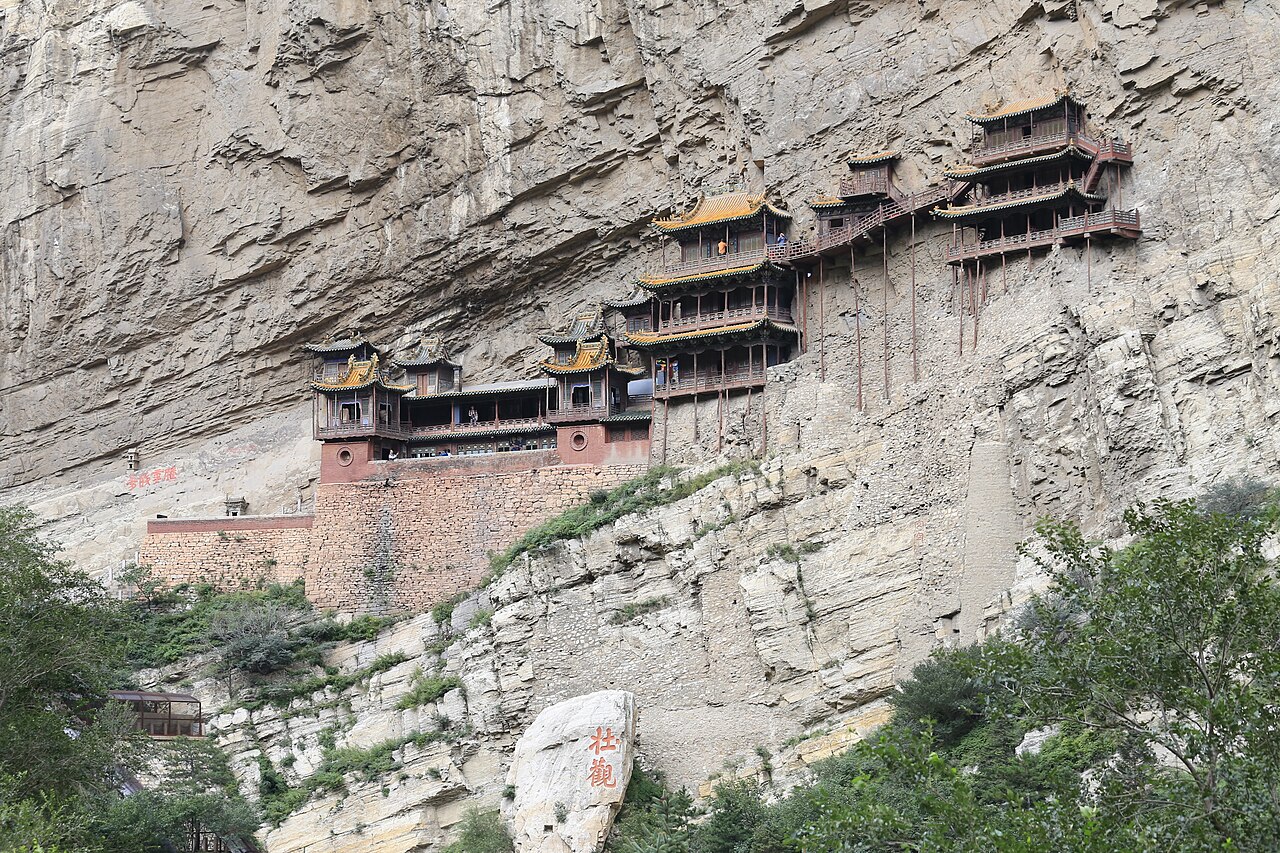
The Hanging Temple
A monastery of forty halls pinned to a cliff face on Mount Heng, holding altars to Confucius, Laozi, and the Buddha under one roof — the Three Teachings in a single building.
 Art Entry
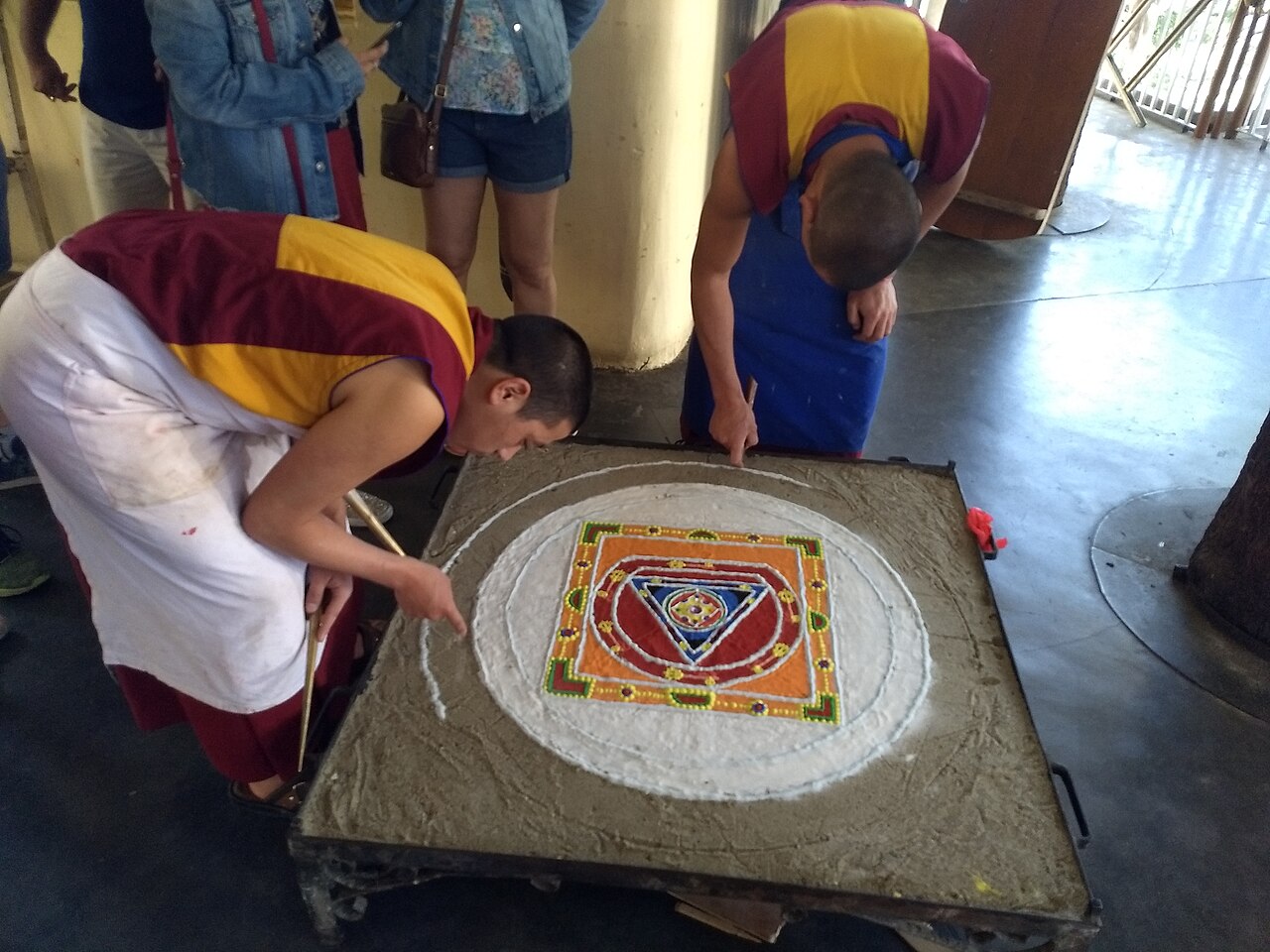
The Sand Mandala
Monks lay down a palace of the deities grain by grain in colored sand, contemplate it for days — and then sweep it away and pour it into running water.
 Art Entry
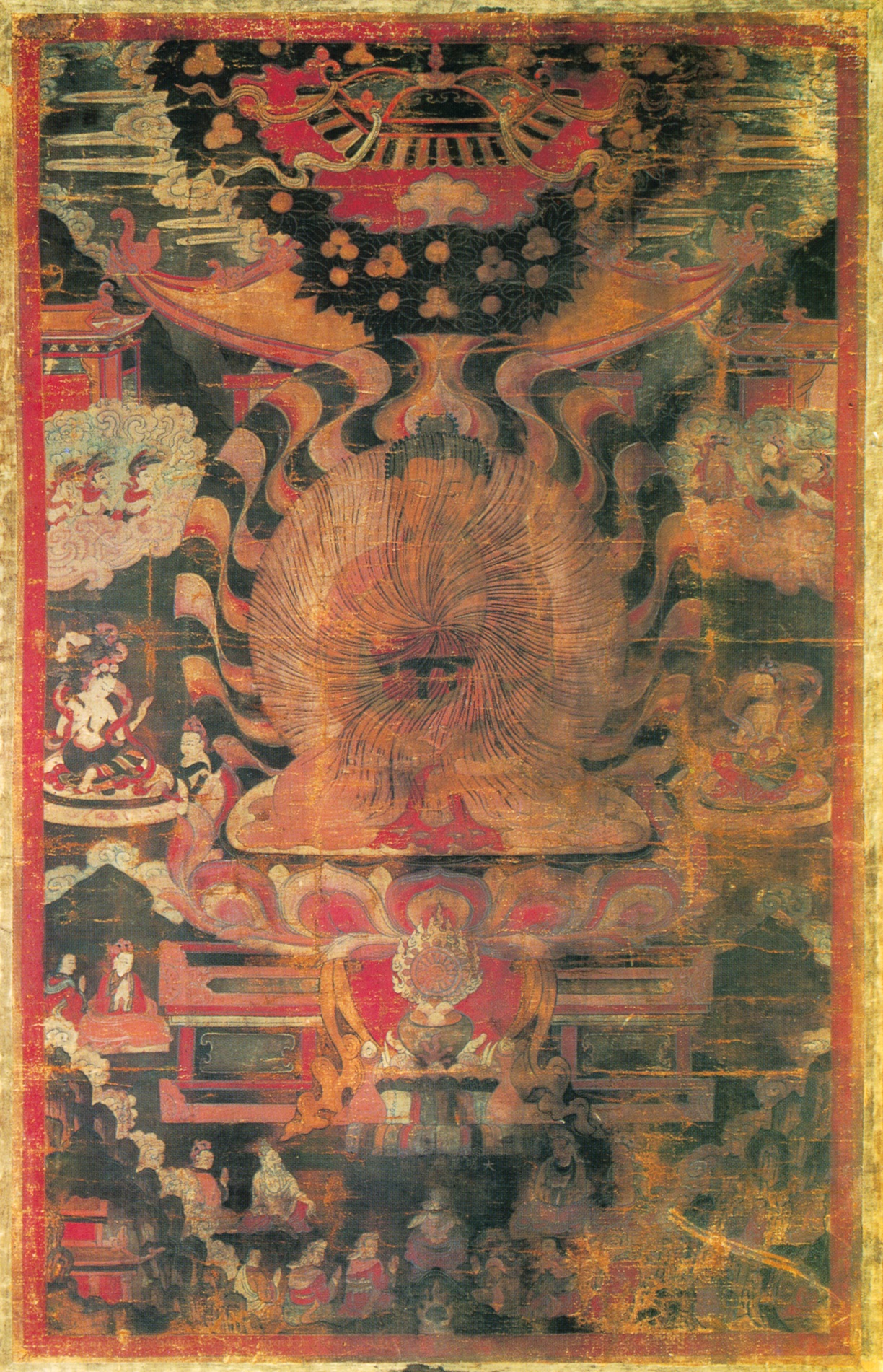
The Tibetan Thangka
A portable scroll painting of a Buddha or deity in exact iconometric proportion — a meditation support, a teaching diagram, and a presence, rolled for the road and unrolled for the rite.
Everything classified under Buddhist · All of the Church Directory