

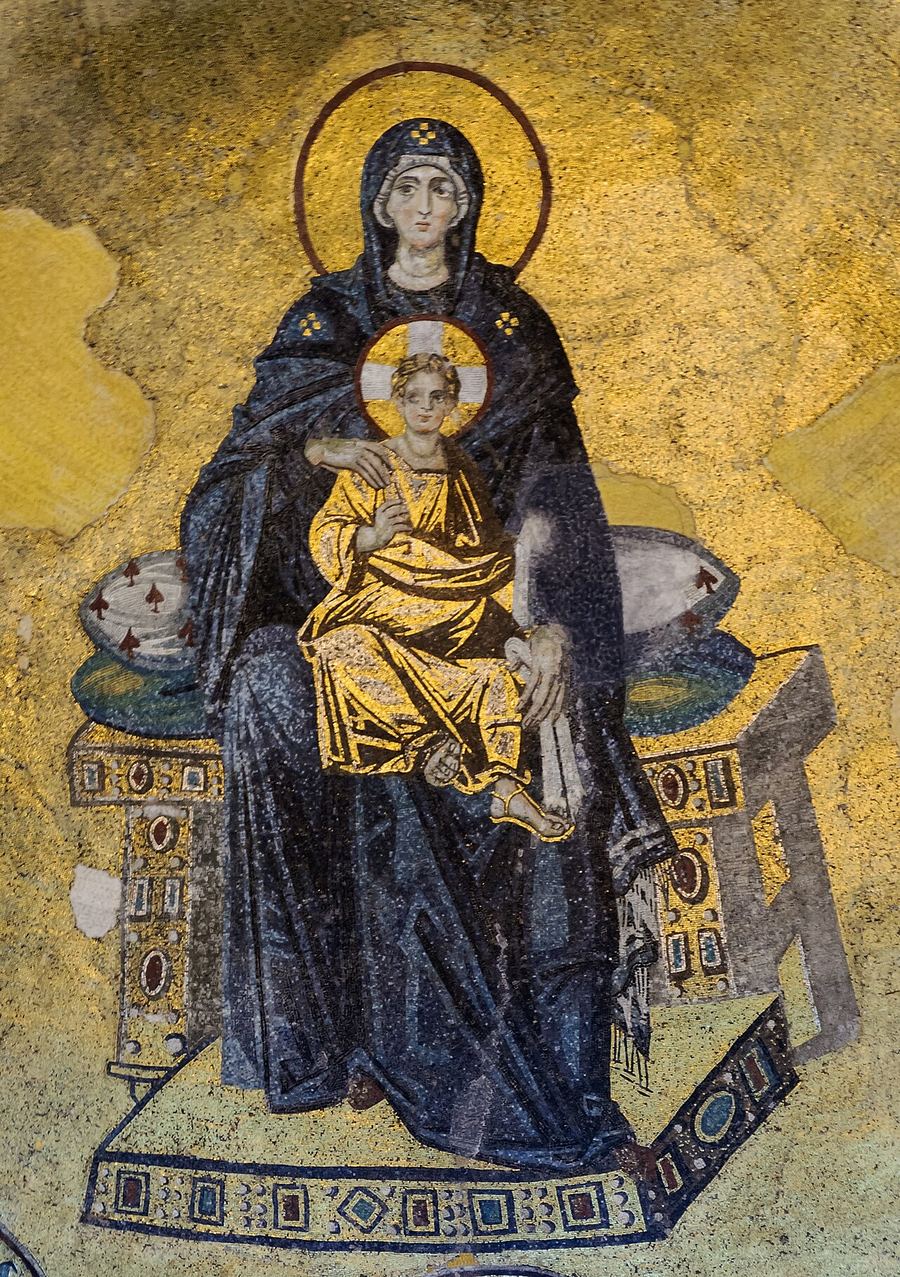
No central magisterium and an apophatic reserve: Orthodoxy reads the world through the logoi of things, made ecology a matter of sin and repentance under Patriarch Bartholomew, and treats both scientism and concordism as category errors.
Orthodox Christianity approaches science through the theology of the logoi — the inner principles of things, given by the Logos — and through a strong doctrine of the world as gift. It has no central magisterium to issue binding positions, and its characteristic mode is conciliarity plus a suspicion of any system, scientific or theological, that claims to have finished. The Ecumenical Patriarchate under Bartholomew I (from 1991) made ecology a doctrinal matter, calling environmental destruction a sin and convening symposia of scientists and theologians on the world’s great waters.
On evolution, Orthodox responses range from theistic evolution held without anxiety to a vocal creationist minority influenced by some monastic writers and by imported American literature; the mainstream theological faculties teach the standard science while reserving anthropology’s theological core. The tradition’s apophatic discipline — God is known by unknowing — makes it structurally resistant to both scientism and concordism: Scripture is not a rival cosmology, and cosmology is not a rival scripture.
Recorded Stances in the Register
Evolution by natural selection Contested within the tradition
Orthodox responses range from theistic evolution taught without alarm in the theological faculties to creationist currents fed by some monastic and imported literature; the mainstream holds the biology while guarding the doctrine that humanity bears God’s image, which it does not treat as a biological claim.
References
- Elizabeth Theokritoff, Living in God’s Creation: Orthodox Perspectives on Ecology (2009)
- John Chryssavgis (ed.), On Earth as in Heaven (2012)