

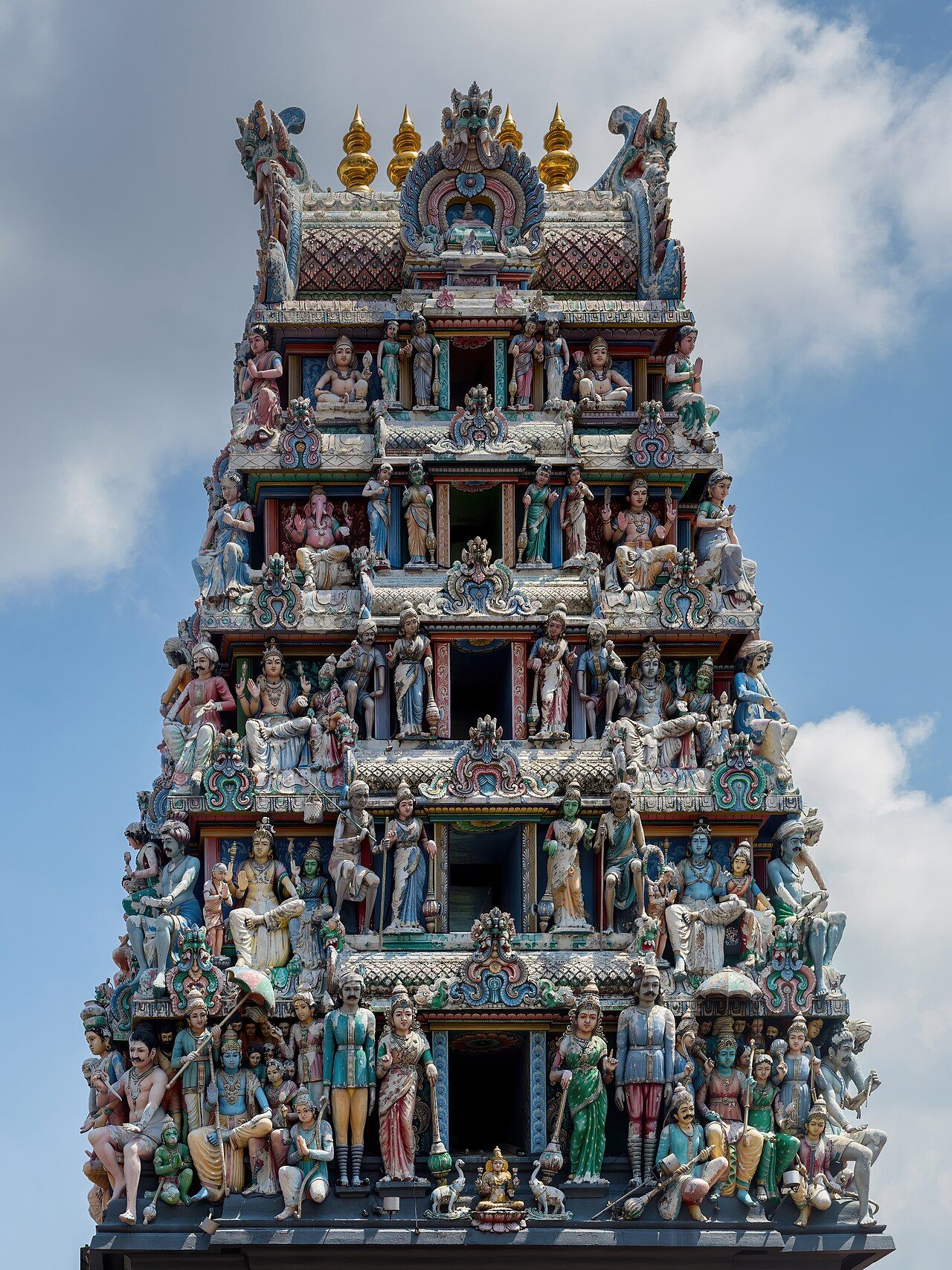
Sciences born inside the tradition — Āyurveda, jyotiṣa, the siddhānta mathematics — and a cyclical cosmology that received Darwin as a familiar guest; the live arguments are in medicine, reproduction, and the ethics of animals.
Tagged: Hindu
Hindu traditions carry classical sciences of their own — Āyurvedic medicine, jyotiṣa astronomy and astrology, the mathematics of the siddhāntas — inside cosmologies of vast cyclical time in which the world’s antiquity, the plurality of worlds, and the evolution and devolution of forms are old furniture of the mind. Darwin therefore arrived in a house already furnished: nineteenth-century Hindu reformers and teachers (and the Theosophical intermediaries who influenced Western reception) often mapped evolution onto doctrines of rebirth and unfolding consciousness, sometimes loosely, sometimes with real philosophical work.
Modern flashpoints concentrate in medicine and reproduction: a large, sophisticated bioethics literature works with concepts of karma, dharma, and the embryo’s status; sex-selective abortion is condemned by law and by religious authority alike while remaining a social pathology the tradition argues with itself about. The cow’s protection gives animal ethics a distinctive institutional form, and the doctrine of ahiṃsā (shared with Jainism and Buddhism) grounds a widespread, if unevenly practiced, vegetarianism.
Recorded Stances in the Register
Evolution by natural selection Reinterpreted
Cyclical cosmologies and the transmigration of souls made descent and transformation familiar categories; Hindu teachers from the nineteenth century onward have commonly mapped evolution onto the unfolding of consciousness, while reading the mechanism theistically or as līlā, divine play.
Germline gene editing Selectively adopted
Hindu bioethics evaluates the act by karma, intention, and dharma: curing heritable disease is intelligible as compassionate action, while the karma doctrine cuts against genetic determinism itself — a soul’s condition is not exhausted by its genome — so enhancement promises more than the tradition believes genes can deliver. No binding authority exists; the scholarly literature is cautiously permissive for therapy.
Surgical and medical abortion Condemned
Hindu texts condemn abortion (garbhahatyā) and classical dharma literature lists it among grave sins, while the tradition’s modern engagement concentrates on sex selection — condemned by religious authority and Indian law together (PCPNDT Act, 1994) — and on the maternal-health exceptions most contemporary Hindu ethicists accept.
References
- Kim Plofker, Mathematics in India (2009)
- C. Mackenzie Brown, Hindu Perspectives on Evolution (2012)
Related Across the Site
- dharma Glossary Term — That which is upheld; order; duty.
- karma Glossary Term — Action; deed.
- Old Tamil Language — The classical language of Tamil Shaiva and Vaishnava scripture, among the oldest living literary traditions in the world.
- Sanskrit Language — The sacred language of Hinduism and a scriptural language of Buddhism and Jainism: Vedic first, then the classical language of Indian theology.
- St Andrews Encyclopaedia of Theology Library — An open-access, multi-author theological reference with advanced articles on Christianity, Judaism, Islam, Hinduism, and Buddhism.
- Gayatri Mantra Prayer or Creed — The most revered mantra of the Rig Veda, a meditation on the divine light that illumines the mind.
- Mahavakyas Prayer or Creed — The four "great sayings" of the Upanishads declaring the identity of the self (atman) and ultimate reality (Brahman).
- Hinduism World View — Hinduism gathers many traditions around one conviction: the soul is bound to rebirth by karma, and liberation comes when it realizes its oneness with the divine.