

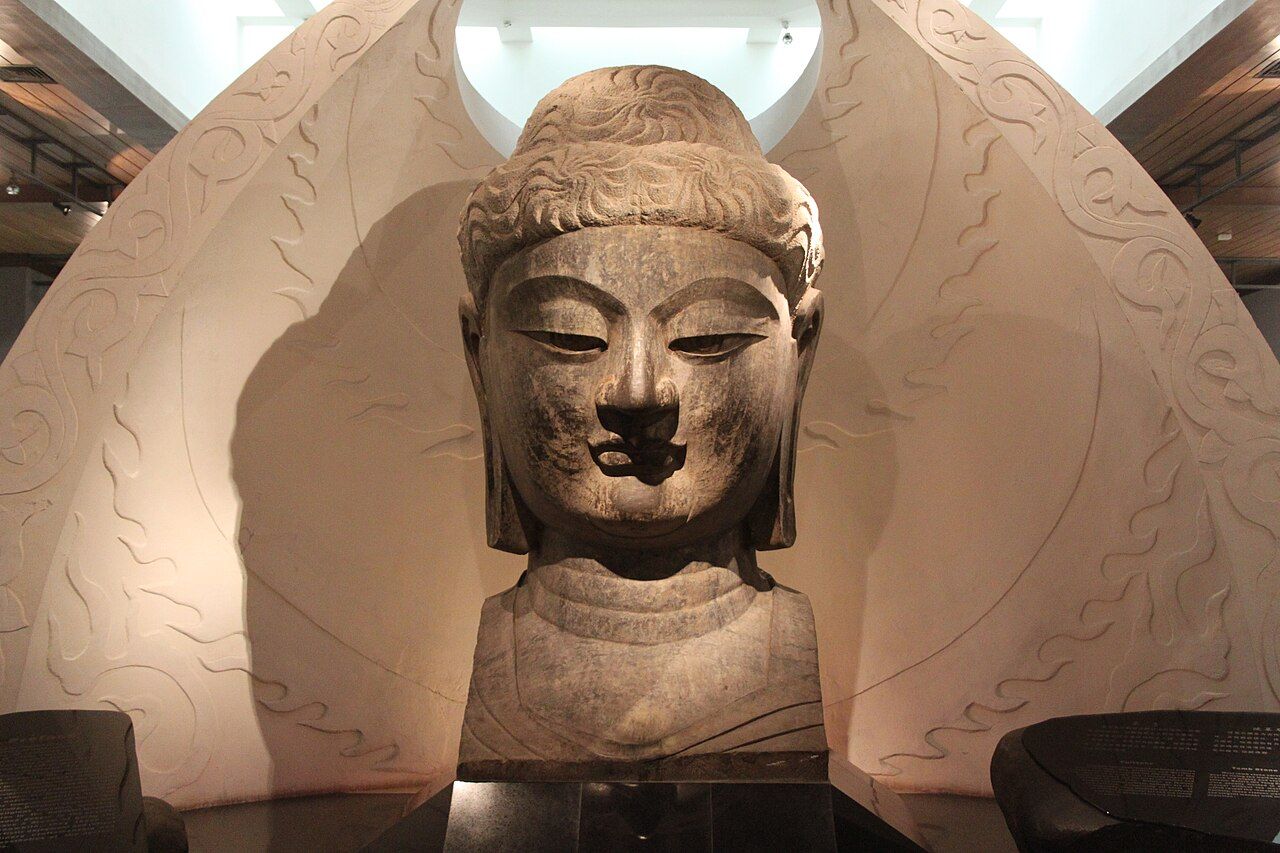
On the moon's quarters, lay Buddhists intensify their practice: eight precepts instead of five, white clothes, the temple for the day, and sermons until night.
Tagged: Community Fasting Sacred time Buddhist
How It Is Practiced
The observance falls on the new, full, and quarter moons of the lunar calendar. Devout laypeople dress in white, go to the monastery in the morning, request the Eight Precepts from the monks — adding abstinence from afternoon food, entertainment, adornment, and high beds to the usual five — hear sermons, meditate, join the chanting, and keep the precepts until dawn the next day. For the monks, the fortnightly uposatha is their own: the recitation of the monastic code in chapter.
Purpose and Meaning
Uposatha is the laity's scheduled monasticism: one day in each quarter of the moon lived under the stricter rule, inside the community that lives it always. Its devotion is calendrical — holiness given dates — and communal: the white-clad hall makes visible how many neighbors keep the same resolve.
References
- Uposatha — Wikipedia Free / open access
Related Practices
- Paritta — Protective Chanting — Discourses of the Buddha chanted for protection and blessing — at sickbeds, housewarmings, New Year, and through the night in times of danger.
- Vandana and Taking Refuge — Buddhist devotion opens with homage: bowing before the shrine and going for refuge to the Buddha, the Dhamma, and the Sangha.
- Fasting (Orthodox) — Orthodox fasting keeps set seasons and weekdays free of meat, dairy, and often oil and wine, joined to prayer and almsgiving.
Related Across the Site
- Fasting (Orthodox) Devotion — Orthodox fasting keeps set seasons and weekdays free of meat, dairy, and often oil and wine, joined to prayer and almsgiving.
- Jumuʿah — The Friday Prayer Devotion — At noon on Friday the community gathers for a sermon and a shortened prayer: the week's public devotion, commanded in the Qur'an itself.
- Laṅgar and Sevā — The Sacred Kitchen Devotion — Devotion as service: the gurdwara's free kitchen feeds all comers, seated in one line on the floor, cooked and served by volunteers as worship.
- Offerings at the Buddhist Shrine Devotion — Flowers, candles, incense, water, and fruit before the Buddha image: the daily offering whose lesson is impermanence itself.
- Paritta — Protective Chanting Devotion — Discourses of the Buddha chanted for protection and blessing — at sickbeds, housewarmings, New Year, and through the night in times of danger.
- The Ramadan Fast Devotion — For the month of Ramadan, from dawn to sunset, the fast from food, drink, and desire — broken nightly with family and prayer, and crowned by the Night of Decree.
- The Sabbath Table Devotion — Friday night's table — candles, wine, two loaves, blessings, and song — is the home liturgy at the center of Jewish devotion.
- Vrata — Votive Fasts and Vows Devotion — A vrata is a vow undertaken for a set term — a fast day kept, a food renounced, a rite performed — for the good of oneself or of those one loves.