

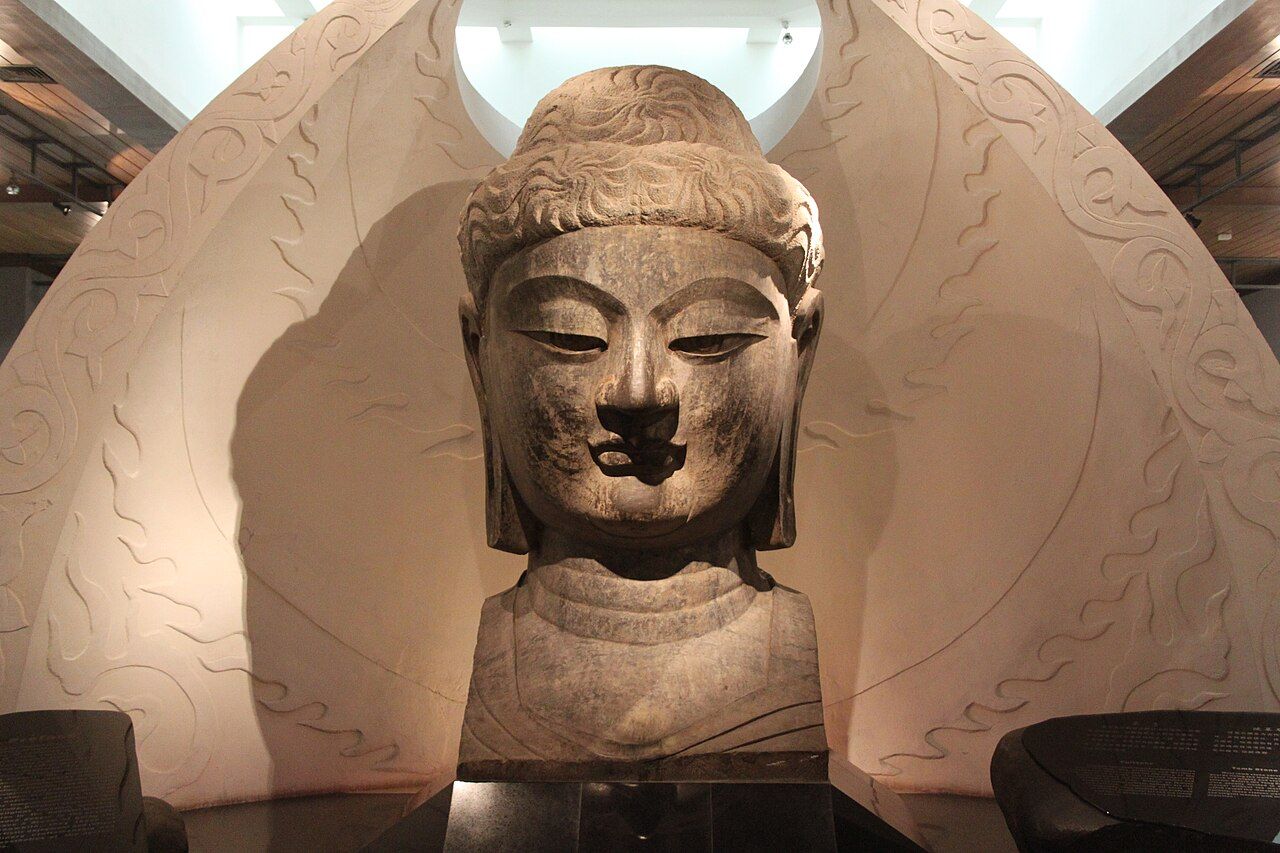
Flowers, candles, incense, water, and fruit before the Buddha image: the daily offering whose lesson is impermanence itself.
Tagged: Prayer Remembrance Sacred time Buddhist
How It Is Practiced
At the home altar or the temple shrine, the devotee sets out fresh flowers, lights candles or oil lamps and sticks of incense, pours water into offering bowls — in Tibetan practice, seven bowls in a row — and presents fruit or food, bowing with each. The gifts are not consumed by the Buddha; at day's end the faded flowers are removed and become the shrine's most pointed sermon. Tibetan households refill the water bowls each morning and empty them at night, the day's devotion bracketing the day's work.
Purpose and Meaning
Each offering is a meditation assigned to the senses: the flower teaches impermanence (it will fade by evening), the lamp the light of wisdom, the incense the fragrance of virtue, the water the calm clarity of the mind. Giving (dāna) here is the first perfection — the hand opens daily, in small things, so that it learns to open in great ones.
References
- Offering (Buddhism) — Wikipedia Free / open access
Related Practices
- Home Pūjā — The household shrine's daily worship: the deity awakened, bathed, dressed, fed, and offered lamp and flowers as an honored guest in the home.
- Vandana and Taking Refuge — Buddhist devotion opens with homage: bowing before the shrine and going for refuge to the Buddha, the Dhamma, and the Sangha.
- The Kamidana — Household Altar — High on a wall of the home sits a miniature shrine: each morning it receives fresh water, rice, salt, and a bowed head with two claps.
Related Across the Site
- First Fridays Devotion Devotion — The First Fridays devotion joins Mass and Communion on nine consecutive first Fridays to the promises of the Sacred Heart.
- Home Pūjā Devotion — The household shrine's daily worship: the deity awakened, bathed, dressed, fed, and offered lamp and flowers as an honored guest in the home.
- Paritta — Protective Chanting Devotion — Discourses of the Buddha chanted for protection and blessing — at sickbeds, housewarmings, New Year, and through the night in times of danger.
- The Angelus Devotion — The Angelus is a short prayer on the Incarnation, prayed at morning, noon, and evening at the sound of a bell.
- The Kamidana — Household Altar Devotion — High on a wall of the home sits a miniature shrine: each morning it receives fresh water, rice, salt, and a bowed head with two claps.
- Vandana and Taking Refuge Devotion — Buddhist devotion opens with homage: bowing before the shrine and going for refuge to the Buddha, the Dhamma, and the Sangha.
- Veneration of Icons Devotion — Before the icons at home and in church, the faithful light lamps and candles, bow, and kiss the images of Christ and the saints.
- Dhikr Prayer or Creed — The remembrance of God through repeated short formulas of glory, praise, and greatness.