

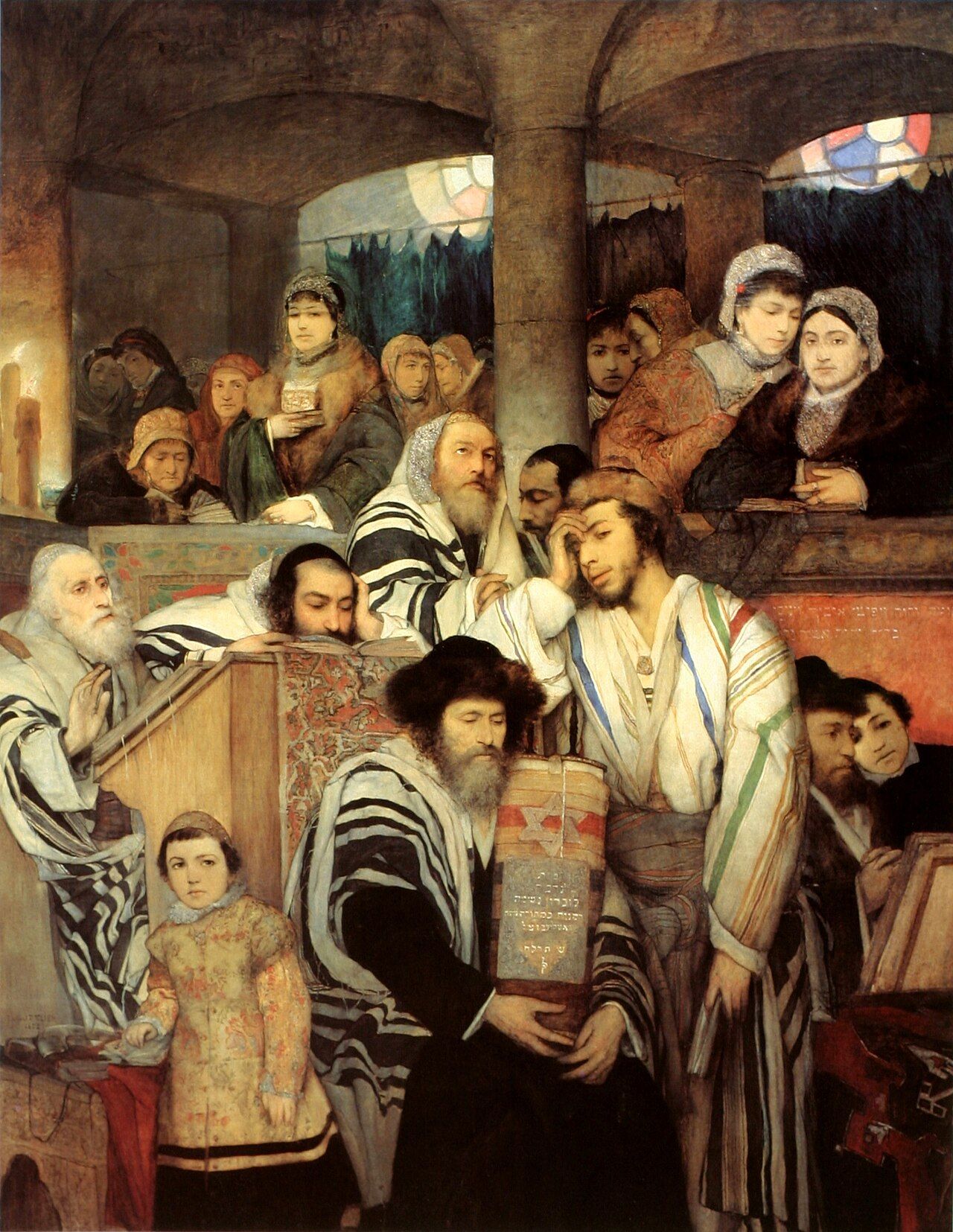
In Judaism, study is itself worship: the daily portion, the weekly cycle, and the paired argument of the study house are acts of devotion.
Tagged: Sacred time Scripture Study Jewish
How It Is Practiced
The devout day includes set study: the weekly Torah portion (parashah), read through entire every year and divided into daily parts; Mishnah and Talmud for the advanced; a page a day (Daf Yomi) for those keeping the worldwide cycle that finishes the Talmud in seven and a half years. Study is traditionally done aloud and in pairs (chavruta), the partners arguing the text line by line, so that the room hums. A blessing for Torah study is said before beginning, marking the reading as prayer and not information.
Purpose and Meaning
Judaism counts study among the deeds 'whose fruits are enjoyed in this world and whose principal remains for the world to come' — and some rabbis ranked it equal to all the other commandments together, because study leads to practice. Devotionally, study is how the worshipper spends time inside God's speech: the text is not only believed but inhabited, questioned, and carried home.
References
- Torah study — Wikipedia Free / open access
Related Practices
- Devotional Reading Plans — Reading plans lead the reader through the whole Bible, or a book of it, in daily portions across a year or a season.
- The Three Daily Prayers — Jewish devotion is structured by three daily services — morning, afternoon, and evening — built around the Shema and the Amidah.
- Reciting the Psalms (Tehillim) — The Book of Psalms is Judaism's prayer book within the Bible, recited whole in cycles and verse by verse in trouble, illness, and thanksgiving.
Related Across the Site
- Devotional Reading Plans Devotion — Reading plans lead the reader through the whole Bible, or a book of it, in daily portions across a year or a season.
- Journaling and Commonplace Books Devotion — Generations of Christians have kept notebooks of Scripture, prayer, and self-examination as a daily devotional discipline.
- Scripture Memorization Devotion — Christians memorize passages of Scripture word for word so that the text is carried in the heart and available at need.
- The Mezuzah Devotion — A parchment scroll inscribed with the Shema is fixed to the doorposts of the home, touched in passing as a reminder of the covenant.
- The Quiet Time Devotion — The quiet time is a daily period alone with Scripture and prayer, usually in the morning, kept by evangelical Christians around the world.
- The Three Daily Prayers Devotion — Jewish devotion is structured by three daily services — morning, afternoon, and evening — built around the Shema and the Amidah.
- Wearing Tefillin Devotion — On weekday mornings, leather boxes containing Scripture are bound to the arm and the head for the morning prayer.
- Shema Prayer or Creed — Judaism's central affirmation of the one God, drawn from Deuteronomy 6:4 and recited morning and evening.