

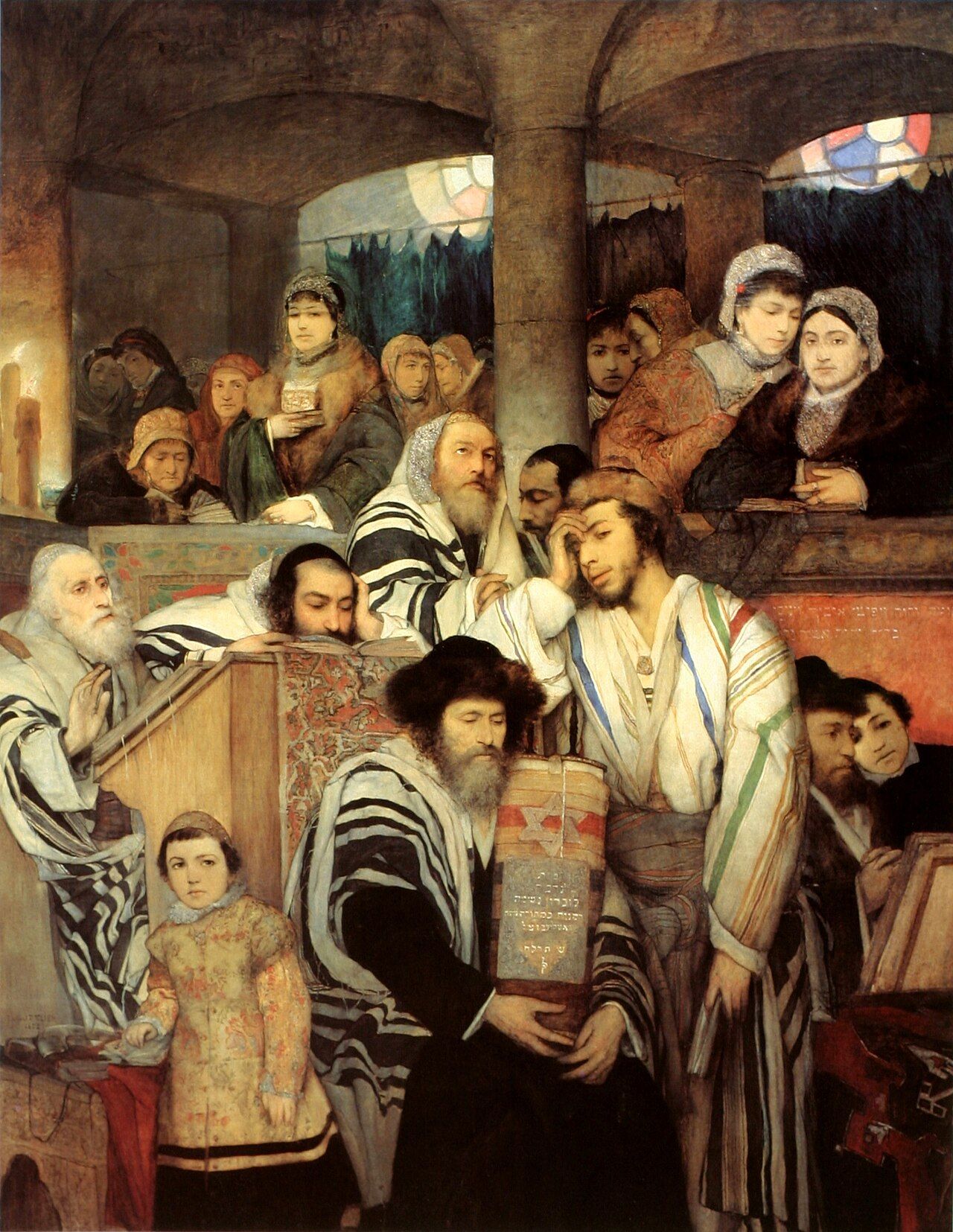
The Book of Psalms is Judaism's prayer book within the Bible, recited whole in cycles and verse by verse in trouble, illness, and thanksgiving.
Tagged: Prayer Remembrance Scripture Jewish
How It Is Practiced
Tehillim — 'praises' — are recited in set portions: divided for the days of the week, for the days of the month, or read entire at a sitting by groups who split the book between them at a sickbed, a grave, or in a time of communal danger. Particular psalms attach themselves to particular needs: Psalm 121 for protection, Psalm 20 before a journey or an operation, Psalm 150 for sheer praise. In the daily liturgy, psalms form the warm-up of the morning service, the 'verses of song.'
Purpose and Meaning
The psalms give the worshipper words older and larger than his own feelings. Where private prayer fails for vocabulary, the Tehillim supply lament, rage, gratitude, and trust already phrased — and by praying David's words, the one praying joins a queue of sufferers and singers three thousand years long. It is devotion by adoption: the book's voice becomes the worshipper's.
References
- Psalms — Wikipedia Free / open access
Related Practices
- Scripture Memorization — Christians memorize passages of Scripture word for word so that the text is carried in the heart and available at need.
- Torah Study as Devotion — In Judaism, study is itself worship: the daily portion, the weekly cycle, and the paired argument of the study house are acts of devotion.
- The Three Daily Prayers — Jewish devotion is structured by three daily services — morning, afternoon, and evening — built around the Shema and the Amidah.
Related Across the Site
- The Mezuzah Devotion — A parchment scroll inscribed with the Shema is fixed to the doorposts of the home, touched in passing as a reminder of the covenant.
- The Mourner's Kaddish Devotion — For eleven months after a death, and on every anniversary, mourners stand among the congregation to sanctify God's name in an ancient Aramaic prayer that never mentions death.
- Wearing Tefillin Devotion — On weekday mornings, leather boxes containing Scripture are bound to the arm and the head for the morning prayer.
- Amidah Prayer or Creed — The standing prayer at the center of every Jewish prayer service, recited silently while standing.
- Birkat HaMazon Prayer or Creed — The Grace After Meals, a set of blessings of thanksgiving recited after eating a meal with bread.
- Kaddish Prayer or Creed — An Aramaic prayer sanctifying God's name, best known in its form recited by mourners.
- Shema Prayer or Creed — Judaism's central affirmation of the one God, drawn from Deuteronomy 6:4 and recited morning and evening.
- The Lord's Prayer (Our Father) Prayer or Creed — The prayer Jesus taught his disciples in Matthew 6 and Luke 11, shared by Christians of every tradition.