

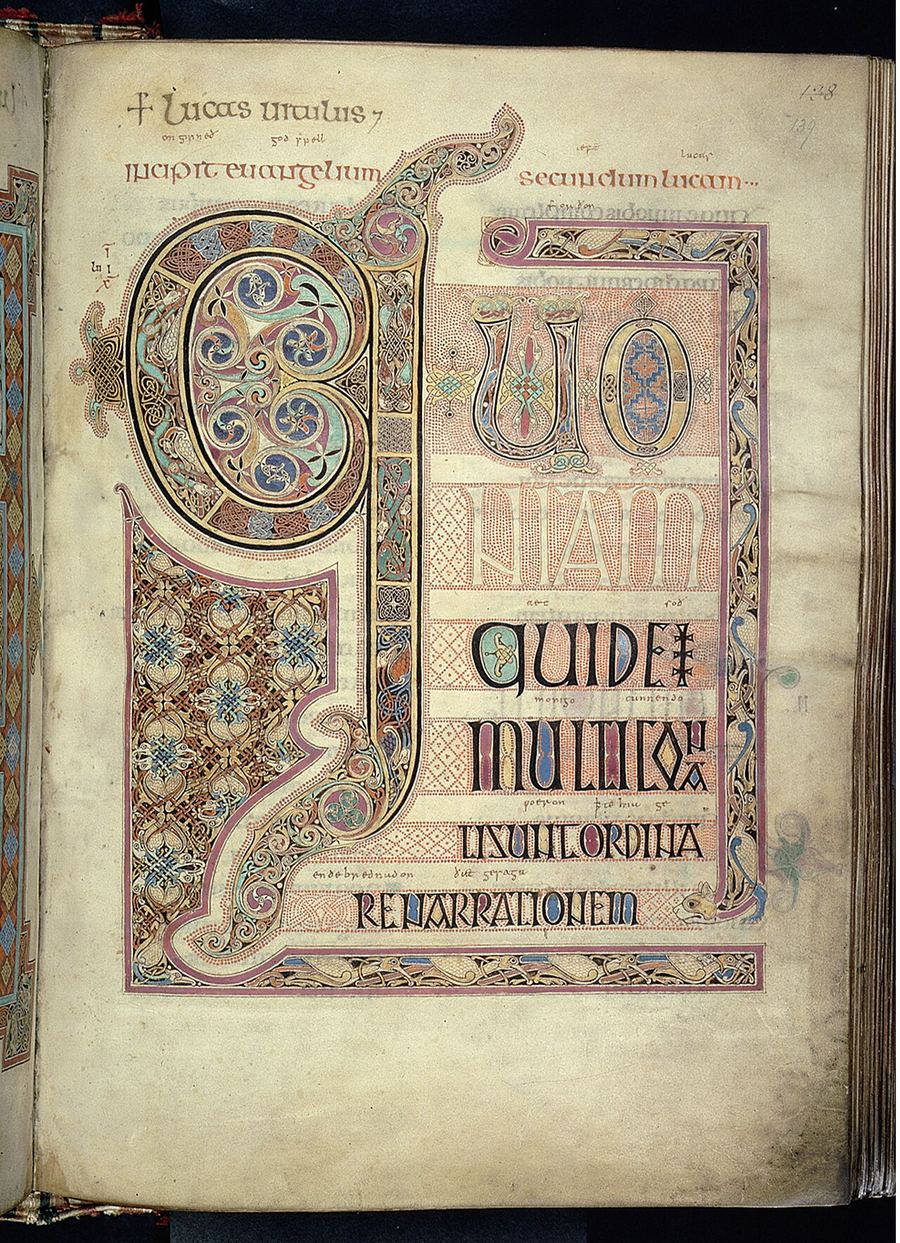
Generations of Christians have kept notebooks of Scripture, prayer, and self-examination as a daily devotional discipline.
Tagged: Remembrance Scripture Study
How It Is Practiced
Puritan and Methodist practice made the spiritual journal a standard discipline: each day the writer recorded providences, sins confessed, prayers asked and answered, and texts that struck the conscience, and reviewed the record weekly. The commonplace book is its literary cousin — passages from Scripture and reading copied out under headings for meditation and reuse. Modern forms range from bound journals to prayer lists with dated answers checked off months later.
Purpose and Meaning
Writing fixes attention and creates a memory: the journal becomes evidence, reviewed over years, of one's own change and of prayers answered and forgotten. John Wesley published rules for self-examination; Jonathan Edwards kept resolutions and a diary. The discipline treats the soul as something to be known honestly over time, on paper, without flattery.
References
- Commonplace Book — Wikipedia Free / open access
Related Practices
- The Quiet Time — The quiet time is a daily period alone with Scripture and prayer, usually in the morning, kept by evangelical Christians around the world.
- Scripture Memorization — Christians memorize passages of Scripture word for word so that the text is carried in the heart and available at need.
- Devotional Reading Plans — Reading plans lead the reader through the whole Bible, or a book of it, in daily portions across a year or a season.
Related Across the Site
- Devotional Reading Plans Devotion — Reading plans lead the reader through the whole Bible, or a book of it, in daily portions across a year or a season.
- Reciting the Psalms (Tehillim) Devotion — The Book of Psalms is Judaism's prayer book within the Bible, recited whole in cycles and verse by verse in trouble, illness, and thanksgiving.
- Scripture Memorization Devotion — Christians memorize passages of Scripture word for word so that the text is carried in the heart and available at need.
- The Mezuzah Devotion — A parchment scroll inscribed with the Shema is fixed to the doorposts of the home, touched in passing as a reminder of the covenant.
- The Quiet Time Devotion — The quiet time is a daily period alone with Scripture and prayer, usually in the morning, kept by evangelical Christians around the world.
- Torah Study as Devotion Devotion — In Judaism, study is itself worship: the daily portion, the weekly cycle, and the paired argument of the study house are acts of devotion.
- Wearing Tefillin Devotion — On weekday mornings, leather boxes containing Scripture are bound to the arm and the head for the morning prayer.
- The Lord's Prayer (Our Father) Prayer or Creed — The prayer Jesus taught his disciples in Matthew 6 and Luke 11, shared by Christians of every tradition.