

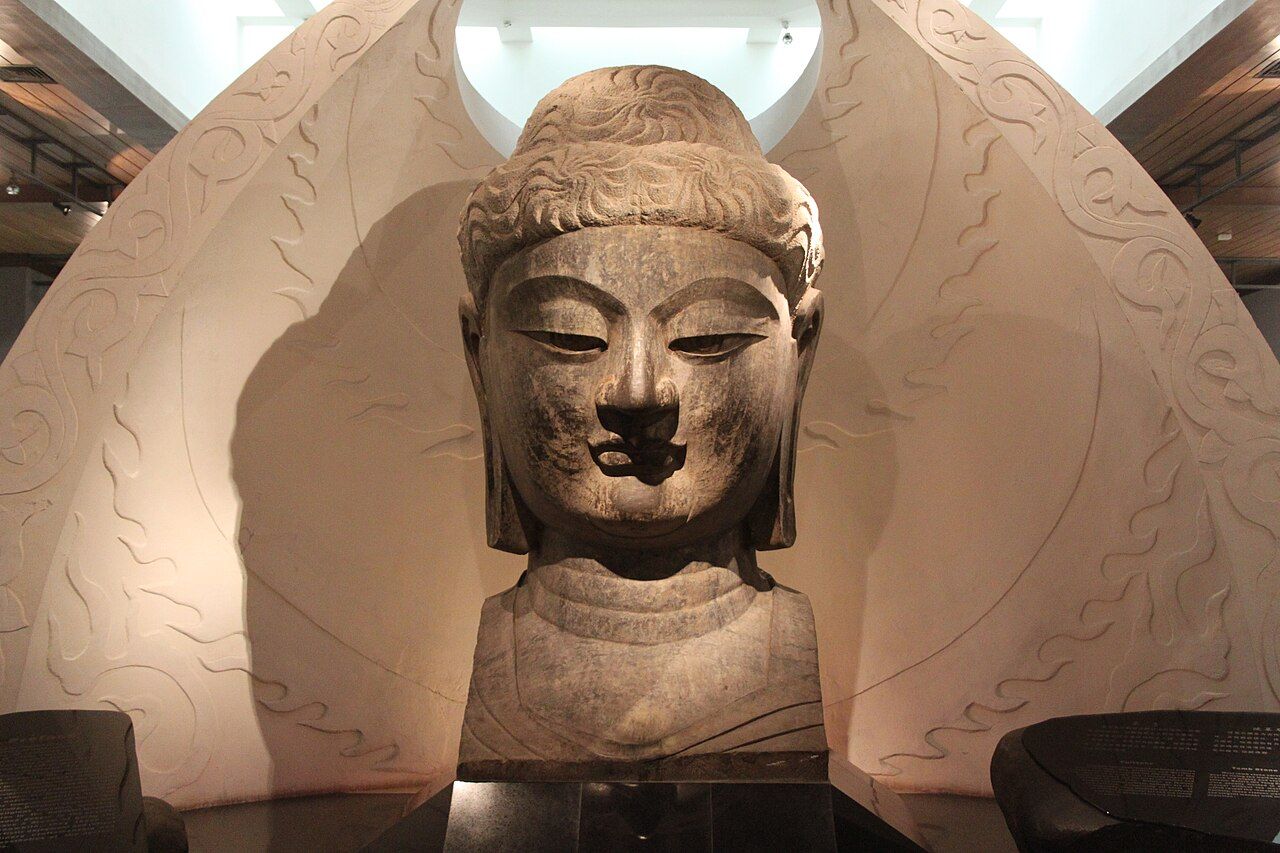
The systematic cultivation of goodwill toward oneself, benefactors, the neutral, the difficult, and all beings: devotion practiced as the training of the heart.
Tagged: Meditation Prayer Silence Buddhist
How It Is Practiced
Sitting in meditation, the practitioner brings to mind in turn oneself, a respected benefactor, a neutral person, and a difficult person, and for each repeats the wishes of the ancient formula: may you be happy; may you be safe; may you be healthy; may you live with ease. The circle then widens — to all beings in every direction. In devotional settings mettā is also chanted, above all the Karaṇīya Mettā Sutta, the Buddha's discourse on loving-kindness, recited as blessing at the close of services.
Purpose and Meaning
Mettā is one of the four divine abidings (brahmavihāras), and its cultivation is devotion without an object of worship: what is offered is the goodwill itself, and what receives it is every being in reach of the mind. The tradition promises practical fruit — sleep, dreams, and a face people trust — and a doctrinal one: ill will is a fetter, and mettā is its solvent, practiced daily.
References
- Mettā — Wikipedia Free / open access
Related Practices
- Vandana and Taking Refuge — Buddhist devotion opens with homage: bowing before the shrine and going for refuge to the Buddha, the Dhamma, and the Sangha.
- Nām Simran — Meditation on the Name — The repetition of the divine Name — Vāhigurū — in meditation and through the day: the central interior practice of the Sikh path.
- Japa — Repetition of the Name — Japa is the murmured or mental repetition of a mantra or a name of God, counted on a mālā of 108 beads, until the Name fills the mind.
Related Across the Site
- Sāmāyika — The Meditation of Equanimity Devotion — For forty-eight minutes — one muhūrta — the Jain layperson sits in renunciation: no harm, no business, no distinction between friend and stranger.
- Vandana and Taking Refuge Devotion — Buddhist devotion opens with homage: bowing before the shrine and going for refuge to the Buddha, the Dhamma, and the Sangha.
- Dhikr Prayer or Creed — The remembrance of God through repeated short formulas of glory, praise, and greatness.
- Gayatri Mantra Prayer or Creed — The most revered mantra of the Rig Veda, a meditation on the divine light that illumines the mind.
- Jesus Prayer Prayer or Creed — A short, repeated invocation of Jesus asking for mercy, central to the Orthodox hesychast tradition.
- Metta Sutta Prayer or Creed — The Buddha's discourse on loving-kindness, chanted as a blessing and a protection.
- Prayers of the Rosary Prayer or Creed — The set of prayers prayed on the beads of the Rosary, including the Fatima Prayer and the Hail Holy Queen.
- Refuge Prayer (Tisarana) Prayer or Creed — The formula of going for refuge to the Buddha, the Dhamma, and the Sangha — the act that makes a person a Buddhist.