
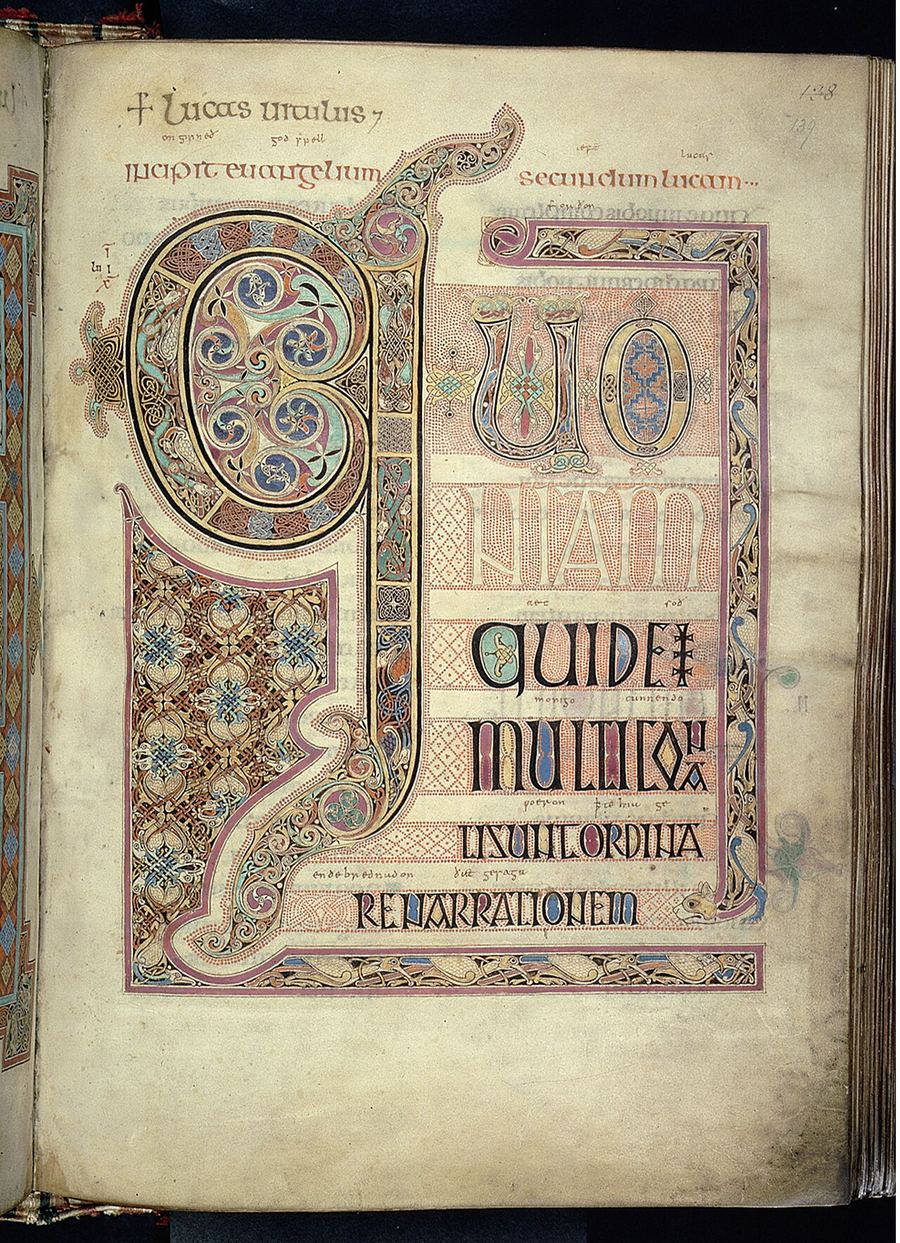
The canonical language of Theravada Buddhism, in which the Pali Canon is preserved and recited.
Tagged: Buddhist
The Theravada canon was carried to Sri Lanka and written down in Pali, and Pali remains the canonical and liturgical language of Theravada Buddhism across Sri Lanka, Myanmar, Thailand, Cambodia, and Laos — written in each country's own script.
Key Texts
Prayers & Creeds in Its Traditions
- Five Precepts (Pancasila) Buddhist — Five voluntary training rules — against killing, stealing, sexual misconduct, false speech, and intoxicants — undertaken by lay Buddhists.
- Metta Sutta Buddhist — The Buddha's discourse on loving-kindness, chanted as a blessing and a protection.
- Refuge Prayer (Tisarana) Buddhist — The formula of going for refuge to the Buddha, the Dhamma, and the Sangha — the act that makes a person a Buddhist.
Learning and Reference Resources
- SuttaCentral Free / open access
Related Across the Site
- Classical Chinese Language — The written language of imperial China: of the Confucian and Taoist classics and of the Chinese Buddhist canon.
- Classical Tibetan Language — The sacred language of Tibetan Buddhism, into which the whole Indian Buddhist canon was translated.
- Sanskrit Language — The sacred language of Hinduism and a scriptural language of Buddhism and Jainism: Vedic first, then the classical language of Indian theology.
- St Andrews Encyclopaedia of Theology Library — An open-access, multi-author theological reference with advanced articles on Christianity, Judaism, Islam, Hinduism, and Buddhism.
- Five Precepts (Pancasila) Prayer or Creed — Five voluntary training rules — against killing, stealing, sexual misconduct, false speech, and intoxicants — undertaken by lay Buddhists.
- Metta Sutta Prayer or Creed — The Buddha's discourse on loving-kindness, chanted as a blessing and a protection.
- Refuge Prayer (Tisarana) Prayer or Creed — The formula of going for refuge to the Buddha, the Dhamma, and the Sangha — the act that makes a person a Buddhist.
- Buddhism World View — Buddhism teaches that suffering comes from craving and ignorance; by following the Buddha's Eightfold Path, a person can awaken and be freed from rebirth.
Provenance
Classification follows Ethnologue and standard Indo-Iranian linguistics; identifiers verified at build time.