
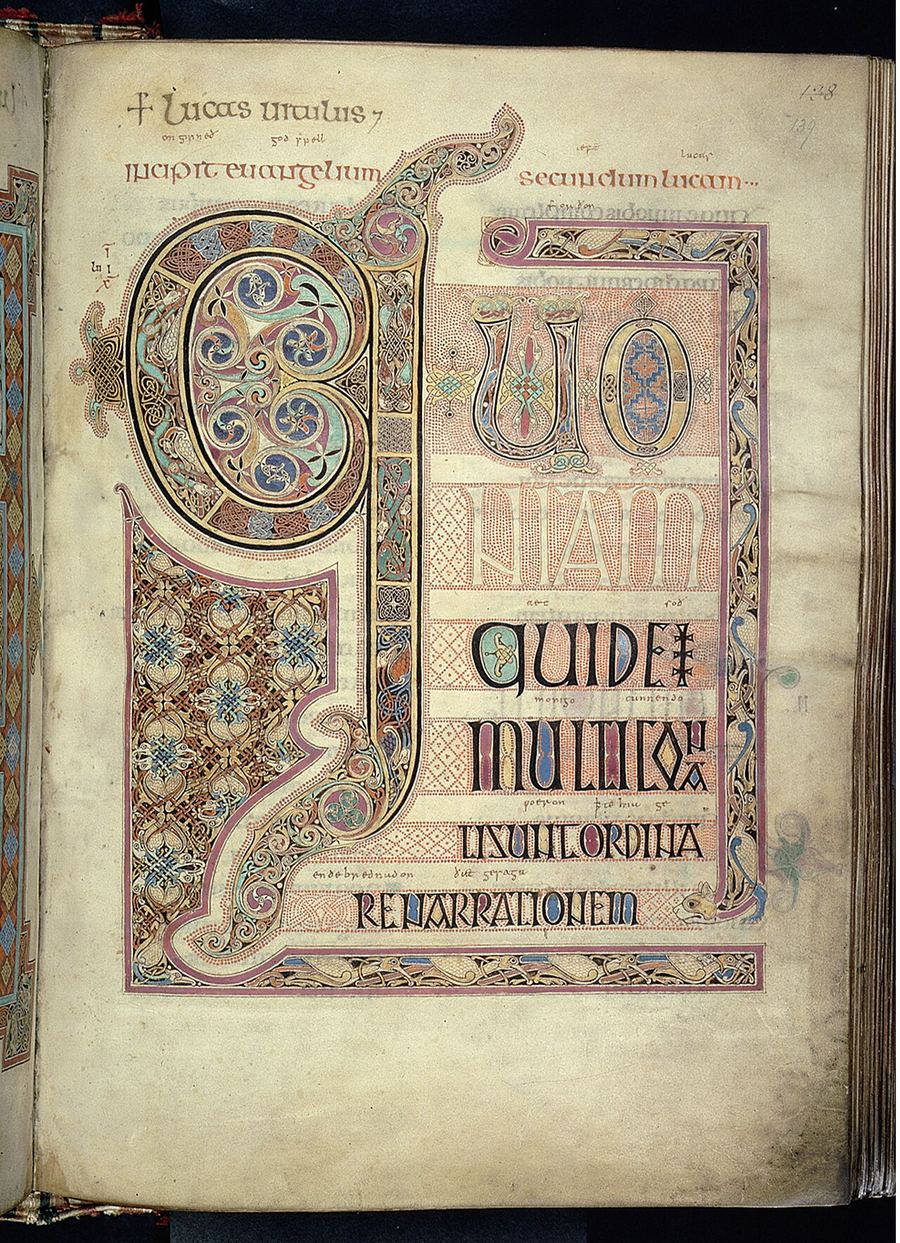
The revived spoken Hebrew of modern Israel, continuous with the biblical and rabbinic language.
Tagged: Jewish
Hebrew is the famous case of a language revived: after centuries as a language of prayer and scholarship, it became again a mother tongue in the nineteenth and twentieth centuries, and today carries everything from street speech to university theology in Israel.
Key Texts
Prayers & Creeds in Its Traditions
- Amidah Jewish — The standing prayer at the center of every Jewish prayer service, recited silently while standing.
- Birkat HaMazon Jewish — The Grace After Meals, a set of blessings of thanksgiving recited after eating a meal with bread.
- Kaddish Jewish — An Aramaic prayer sanctifying God's name, best known in its form recited by mourners.
- Shema Jewish — Judaism's central affirmation of the one God, drawn from Deuteronomy 6:4 and recited morning and evening.
Learning and Reference Resources
- Sefaria Free / open access
Related Across the Site
- Biblical Aramaic Language — The Aramaic of Daniel and Ezra, distinct from the later Syriac dialect, and the language of the Targums.
- Biblical Hebrew Language — The original language of the Hebrew Bible, preserved in the square script with Tiberian vocalization, and still the language of Jewish prayer.
- St Andrews Encyclopaedia of Theology Library — An open-access, multi-author theological reference with advanced articles on Christianity, Judaism, Islam, Hinduism, and Buddhism.
- Amidah Prayer or Creed — The standing prayer at the center of every Jewish prayer service, recited silently while standing.
- Birkat HaMazon Prayer or Creed — The Grace After Meals, a set of blessings of thanksgiving recited after eating a meal with bread.
- Kaddish Prayer or Creed — An Aramaic prayer sanctifying God's name, best known in its form recited by mourners.
- Shema Prayer or Creed — Judaism's central affirmation of the one God, drawn from Deuteronomy 6:4 and recited morning and evening.
- Judaism World View — Judaism is the covenant faith of the people of Israel: one God chose them, gave them his Torah, and calls them to holiness and justice in this world.
Provenance
Classification follows Ethnologue; the revival of Hebrew as a spoken vernacular is the standard example of successful language revitalisation.